ETICS external thermal insulation composite system building facade installation
Solutions / ETICS / Insulation Systems

ETICS / Insulation Systems
Solutions

Performance-driven additive solutions for ETICS / EIFS systems that require strong board adhesion, smooth embedding performance, reliable anti-sag behavior, crack resistance, and long-term weather durability.
Why This Solution
ETICS / EIFS System Coverage
Suitable for adhesive mortars and embedding / base coat mortars in ETICS / EIFS systems.
Cellulose Ether, Polymer & Functional Core
Built around cellulose ether, polymer modifiers, and selected functional additives for balanced fresh-state and hardened-state performance.
Local Support in Venezuela
Local recommendation, supply coordination, and technical support available in Venezuela.
Adhesive Mortar
Base Coat
Board Adhesion
Crack Resistance
Weather Durability
Explore
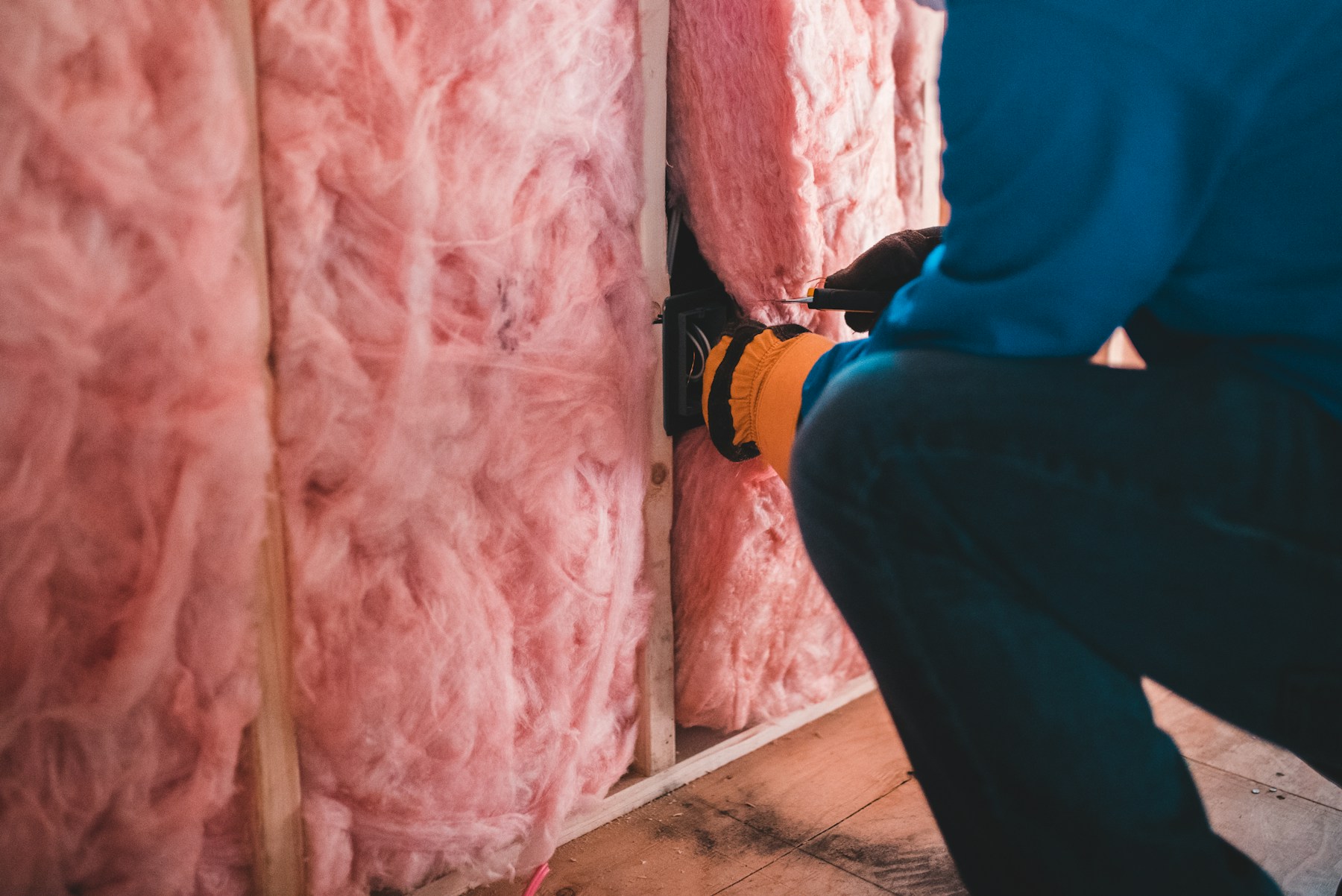
Workers installing ETICS insulation boards on building facade with scaffold
Multi-Layer System Board bonding + embedding + weather protection
01
Understanding ETICS Performance

Built for Strong Bonding, Smooth Application, and
Long-Term Exterior Durability

An ETICS / EIFS system is not just an insulation board attached to a façade. It is a full exterior system that must combine reliable board bonding, stable embedding mortar performance, resistance to sagging during application, compatibility with reinforcement mesh, and long-term weather resistance.

Cellulose ether is used in both adhesive mortars and embedding mortars in ETICS, where it helps ensure appropriate consistency, prevents sagging, avoids stickiness to the trowel, and makes the mortar feel light and smooth during application.

In real formulation work, ETICS systems often require more than one additive family. A standard base system may rely mainly on cellulose ether plus RDP, while higher-performance weather-resistant or movement-tolerant systems may also need PP fiber, silicone hydrophobic powder, PCE, or defoamer, depending on the substrate, façade conditions, and processing method.

02
Performance Targets

What an ETICS Mortar Formula
Must Deliver

Strong Bonding to Insulation Boards and Substrates
Board adhesive mortar must bond securely to EPS/XPS boards and to the wall substrate. Cellulose ether improves workability and enhances bond strength, while RDP acts as a protective barrier and improves system durability.
Stable Consistency and Easy Application
The mortar must spread smoothly, hold the notch, and remain easy to apply without feeling overly sticky or dragging on the trowel. ETICS mortars with cellulose ether achieve appropriate consistency, smooth feel, and easy smearing.
Anti-Sag Performance
For façade applications, sag resistance is essential so the adhesive or embedding mortar stays in place during board installation and mesh embedding. Cellulose ether specifically prevents sagging in these systems.
Good Water Retention for Mesh Embedding
Embedding mortars need enough water retention to allow workers sufficient time to place and embed glass mesh without peeling or premature drying. HPMC explicitly delivers this benefit in ETICS / EIFS.
Crack Resistance and Movement Tolerance
Exterior insulation systems must tolerate substrate movement and thermal cycling. Fiber-reinforced dry-mix mortar can accommodate substrate movement in ETICS while maintaining weather resistance — pointing directly to the role of PP fiber.
Weather Resistance and Moisture Protection
Exterior façade systems need strong resistance to water ingress. RDP and silicone hydrophobic powder connect with water-resistance improvement and weather durability.
Lower Water Demand and Better Pumpability
In higher-performance or machine-applied systems, PCE can be relevant where better flowability and lower water demand are needed — a high-range water reducer for smoother workability.
03
Product Package

Additives We Recommend for
ETICS / Insulation System Formulations
Worker applying mortar with trowel for insulation board adhesion
1
Core Water-Retention & Anti-Sag
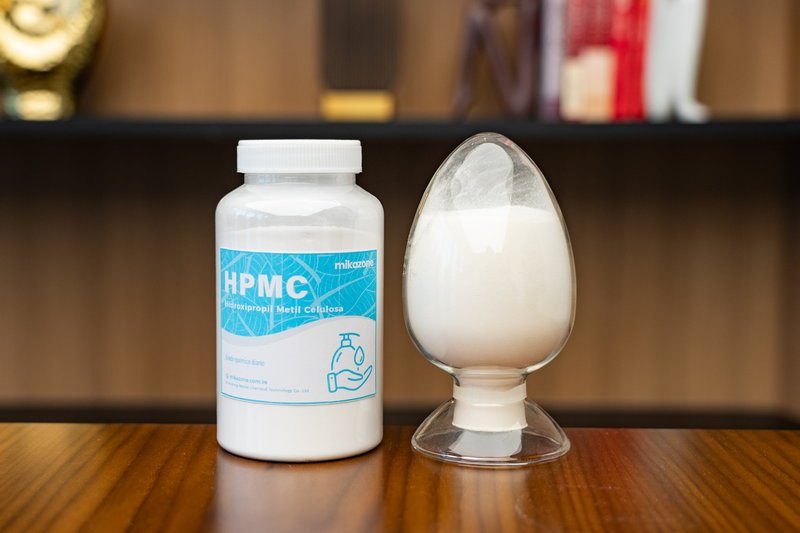
HPMC — Core Water-Retention and Anti-Sag Additive
HPMC is one of the clearest core additives in ETICS systems. It ensures appropriate consistency, prevents sagging, avoids stickiness to the trowel, improves workability, and gives enough time to embed glass mesh into wet mortar. MK200P (65,000–75,000 mPa·s) and MK150P (55,000–65,000 mPa·s) are publicly listed as ETICS-relevant grades.
Best For
Water retention Anti-sag behavior Adhesive mortar consistency Easier mesh embedding Smooth troweling feel
Related Products
MK150P MK200P
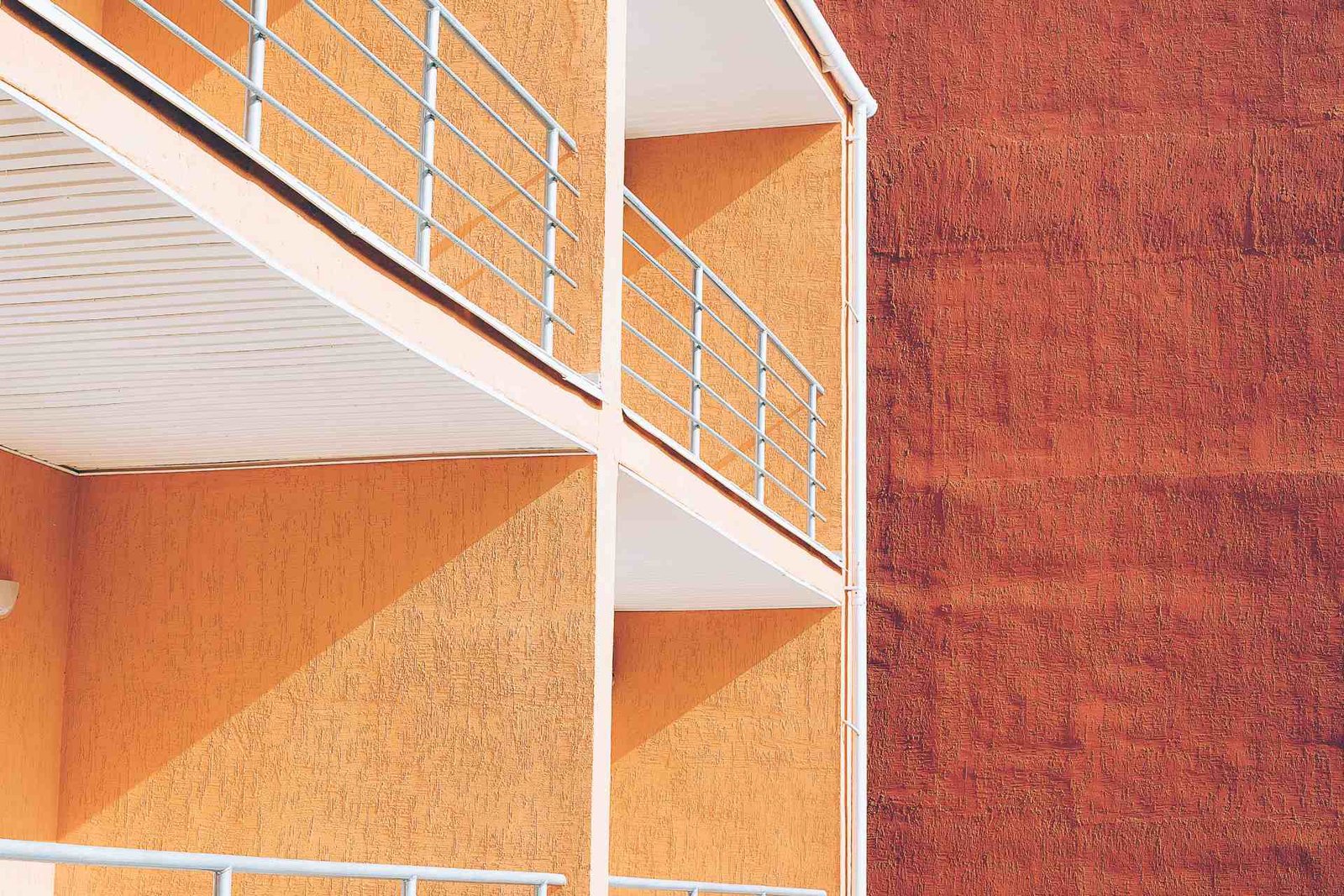
Clean rendered building facade exterior insulation finish
2
Alternative Cellulose Ether
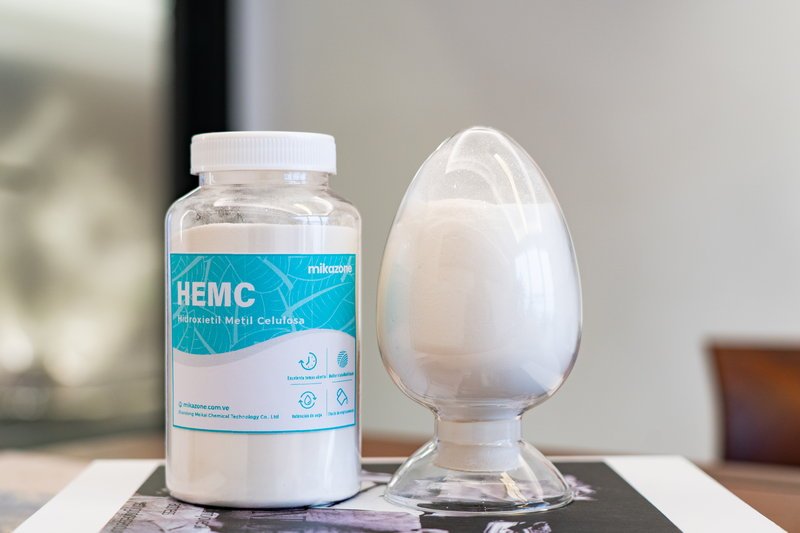
HEMC — Alternative / Complementary Cellulose Ether for ETICS
HEMC is also directly positioned for ETICS / EIFS. MK150E (55,000–65,000 mPa·s) and MK200E (65,000–75,000 mPa·s) are publicly listed as ETICS-relevant grades. In EIFS applications, MHEC contributes to the bonding and stability of the insulation layer.
Best For
ETICS adhesive and base coat Stable consistency Better bonding & layer stability Balanced rheology
Related Products
MK150E MK200E
Building exterior facade with durable weather-resistant finish
3
Adhesion, Flexibility & Durability
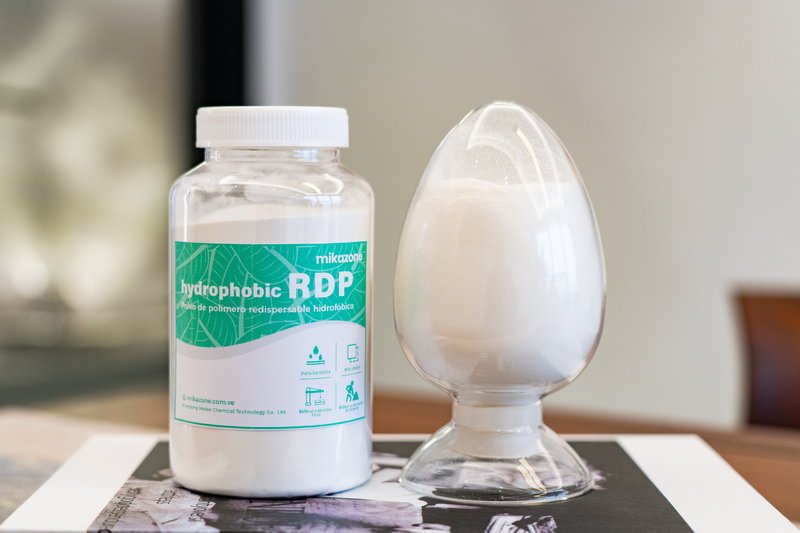
RDP — Adhesion, Flexibility, and Weather Durability Modifier
RDP is one of the most important upgrade additives in ETICS systems. In EIFS systems, RDP acts as a protective barrier preventing water infiltration. It is also tied to improved adhesion, flexibility, crack resistance, and long-term durability — essential when you need stronger board adhesion, better flexibility under thermal stress, and improved exterior weather durability.
Best For
Adhesive mortar Embedding / base coat Crack resistance upgrade Exterior weather durability Water infiltration reduction
Related Products
MK8028H MK8025H MK8022H MK3520N-MTG MK3530N-LTG MK3510N-HTG MK1620N MK1610N
Construction reinforcement for crack-resistant insulation system
4
Crack Resistance & Movement Tolerance
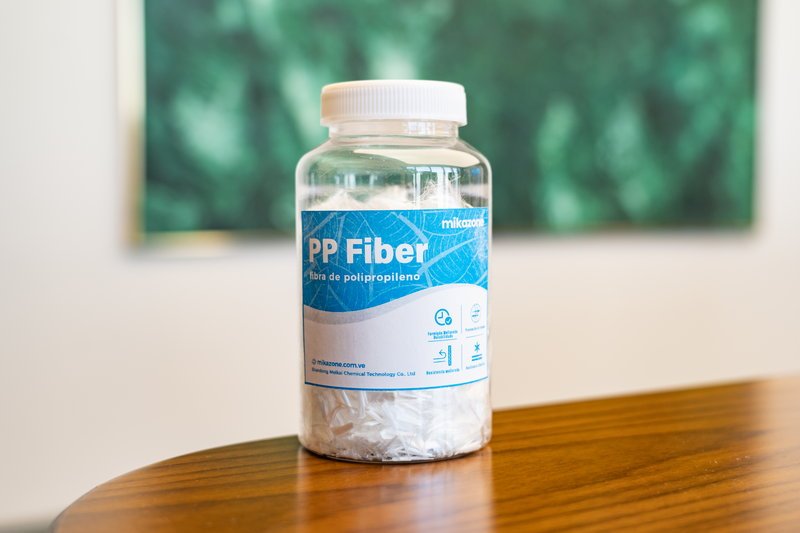
PP Fiber — Crack Resistance and Movement Tolerance Support
Fiber-reinforced dry-mix mortar is used in External Thermal Insulation Systems (ETICS) because it can accommodate substrate movement while maintaining weather resistance. PP fibers (3–12 mm) act as anti-crack agents with a typical dosage of 0.05%–0.2% by weight — highly relevant when substrate movement is expected and the base coat needs better toughness.
Best For
Fiber-reinforced ETICS mortars Base coat / mesh embedding Crack-resistant systems Movement tolerance
Related Products
PP Fiber PP Monofilament Fiber
Modern building exterior facade with weather-resistant finish
5
Water Resistance Upgrade
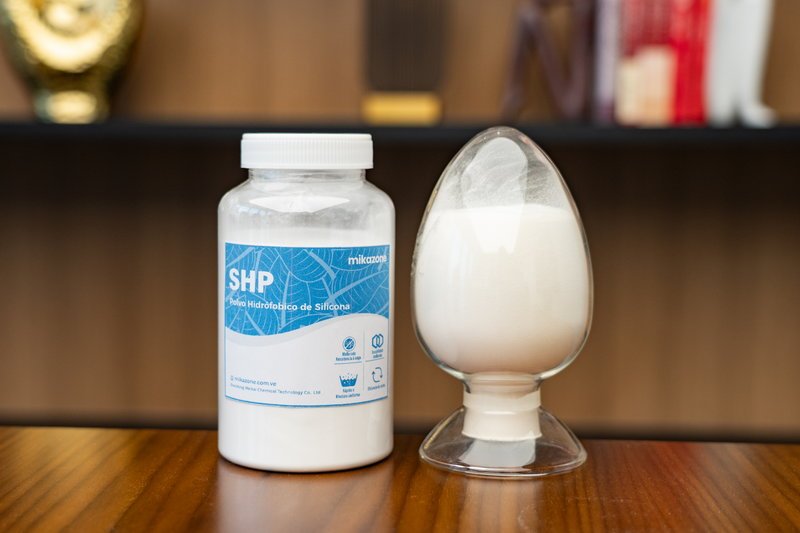
Silicone Hydrophobic Powder — Water Resistance Upgrade
Silicone hydrophobic powder is the water-repellent additive in dry-mix systems, with a typical dosage of 0.1%–0.5%. Since ETICS is an exterior façade system, hydrophobic additives are relevant when stronger capillary water resistance and weather protection are needed.
Best For
Exterior weather-exposed ETICS Reduced water ingress Better façade durability Water-repellent mortar upgrade
Related Products
Silicone Hydrophobic Powder
High performance mortar application machine-applied system
6
Flowability & Water Reduction
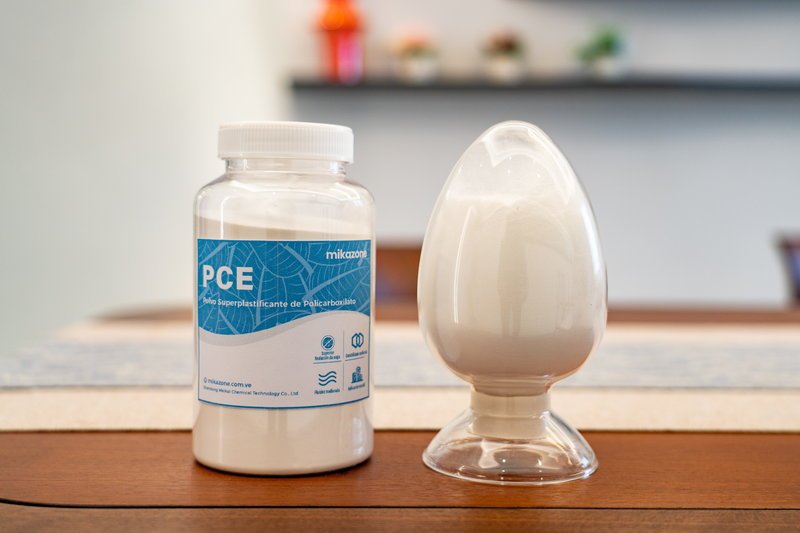
PCE — Flowability and Water-Reduction Support
PCE is a high-range water reducer used to improve workability, with a typical dosage of 0.1%–0.3%. In ETICS mortars, PCE can be relevant when you need lower water demand, smoother pumping or sprayability, better density, and improved fresh-state behavior at controlled water levels.
Best For
Machine-applied ETICS mortar Flowability optimization Lower water-demand systems Premium exterior formulations
Related Products
PCE 201 PCE 202 PCE 203 PCE 204
Smooth mortar surface finish without air bubbles or voids
7
Optional Foam Control
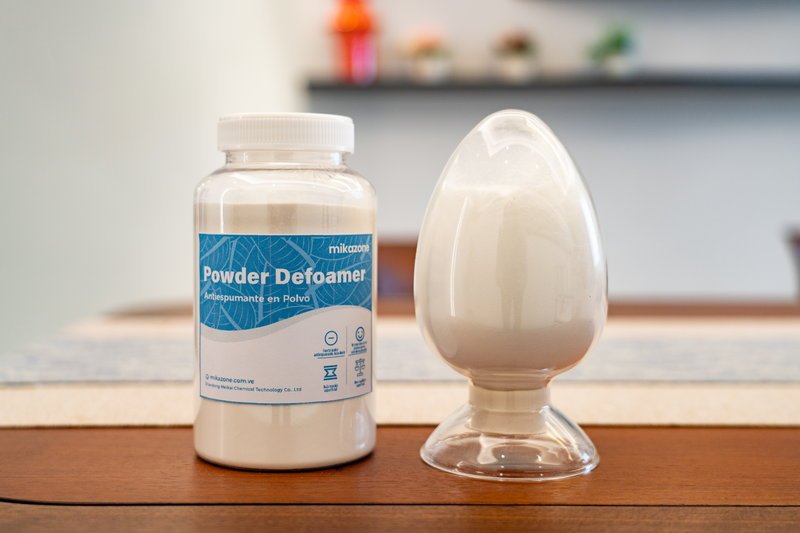
Defoamer Powder — Optional Foam Control
Since ETICS base coats and adhesive mortars are still mortar systems, defoamer can be relevant where air entrapment, pinholes, low density, or surface defects occur during mixing or application. Defoamers are identified as the fix for bubbles in the finished surface.
Best For
Foam-sensitive ETICS mortars Better density & compactness Reduced air pockets Improved finish uniformity
Related Products
DE401
04
Product Architecture

Recommended Additive Package by
ETICS / EIFS Mortar Category

Adhesive Mortar for Insulation Boards
The board adhesive layer needs strong bonding, anti-sag behavior, good notch stability, and sufficient workability. HPMC / HEMC + RDP is the center of this application.
Typical Product Direction
HPMC or HEMC RDP Optional PCE Optional Defoamer
Embedding / Base Coat Mortar
The embedding layer needs good open time, water retention, smooth mesh integration, crack resistance, and weather durability — specifically enough open time to embed glass mesh cloth into wet mortar without peeling.
Typical Product Direction
HPMC or HEMC RDP PP Fiber Optional Silicone Hydrophobic Powder Optional Defoamer
Weather-Resistant ETICS System
For higher-end exterior durability, the package may be expanded to strengthen hydrophobicity, water resistance, and long-term weathering stability.
Typical Product Direction
HPMC or HEMC RDP Silicone Hydrophobic Powder PP Fiber Optional PCE
Fiber-Reinforced ETICS Mortar
When the system needs stronger crack resistance and movement tolerance, fiber-reinforced ETICS mortar logic is directly supported.
Typical Product Direction
HPMC or HEMC RDP PP Fiber Optional Silicone Hydrophobic Powder Optional PCE
05
Reference Guidance

Public Reference Guidance from
MikaZone

Public MikaZone Reference Points
PP fibers: 0.05%–0.2% in dry-mix mortar as anti-crack agents.
PCE: 0.1%–0.3% in dry-mix mortar as high-range water reducer.
Silicone hydrophobic powder: 0.1%–0.5% in dry-mix mortar as water-repellent additive.
Public ETICS-Relevant Grade References
MK200P: 65,000–75,000 mPa·s
MK150P: 55,000–65,000 mPa·s
MK200E: 65,000–75,000 mPa·s
MK150E: 55,000–65,000 mPa·s
Important Note — The indexed public pages do not expose one complete unified dosage table for every ETICS additive. Final dosage should therefore be confirmed through formulation testing, raw-material review, and trial validation.
06
Selection Logic

Selection Logic for
ETICS / Insulation System Formulations
At Mandalas, we recommend ETICS additives based on the specific mortar type, insulation board, substrate condition, and the façade performance targets. Every recommendation follows a structured evaluation path.
Mortar type
Insulation board type
Substrate condition
Anti-sag & workability
Crack resistance need
Moisture resistance
Machine application
Trial feedback
Typical Recommendation Flow
1
Define whether the product is adhesive mortar, base coat mortar, or a reinforced ETICS system.
2
Select the core cellulose ether system.
3
Add RDP for stronger adhesion, flexibility, and weather durability.
4
Add PP fiber, hydrophobic powder, PCE, or defoamer according to the specific performance gap.
5
Validate with lab and plant trials.
Building facade with clean exterior insulation finish system
Adhesive Mortar · Base Coat · Reinforced System
EPS · XPS · Weather-Resistant · Machine-Applied
07
Why Choose Us

Why Choose Mandalas for
ETICS / EIFS Formulation Support

We help build a full ETICS additive package around the actual façade performance target, instead of treating the system as a single-product application.
What We Help With
Insulation Board Adhesive Mortar
Board bonding, anti-sag, and notch stability optimization.
Embedding / Base Coat Mortar
Mesh embedding, open time, and water retention support.
Crack-Resistant ETICS Systems
Fiber reinforcement and movement tolerance for exterior durability.
Weather-Resistant Exterior Façade Systems
Hydrophobic upgrades and long-term weathering stability.
Machine-Applied ETICS Optimization
Pumpability, flowability, and water-demand control.
Trial Support and Formula Adjustment
Practical lab and field trial guidance with formula tuning.
What We Supply for ETICS Applications
HPMC
HEMC
RDP
PP Fiber
Silicone Hydrophobic Powder
PCE
Defoamer
Modern building with clean exterior facade finish
Complete ETICS Package
7 additive categories for
every façade challenge
08
FAQ

ETICS / Insulation Systems
FAQ

For many ETICS mortars, cellulose ether is the core additive because it controls consistency, anti-sag behavior, water retention, and mesh-embedding time. MikaZone's ETICS page states this directly.
MikaZone publicly lists MK150P, MK200P, MK150E, and MK200E on its ETICS / EIFS page as relevant cellulose grades for the system.
MikaZone's public RDP page states that RDP for ETICS / EIFS acts as a protective barrier that reduces water infiltration and supports system durability.
Yes. MikaZone's dry-mix mortar content specifically states that fiber-reinforced dry-mix mortar in ETICS can accommodate substrate movement while maintaining weather resistance.
Yes. We can suggest a practical starting range based on your ETICS mortar type, raw materials, application method, and target performance. Contact our technical team for a tailored recommendation.
09
Get Started

Need the right additive package for your
ETICS or EIFS system?

Tell us whether you are developing board adhesive mortar, embedding mortar, or a reinforced weather-resistant ETICS system. We'll recommend the right product combination and starting selection logic to help you begin trials faster and reach stable results sooner.

1 Chat with us