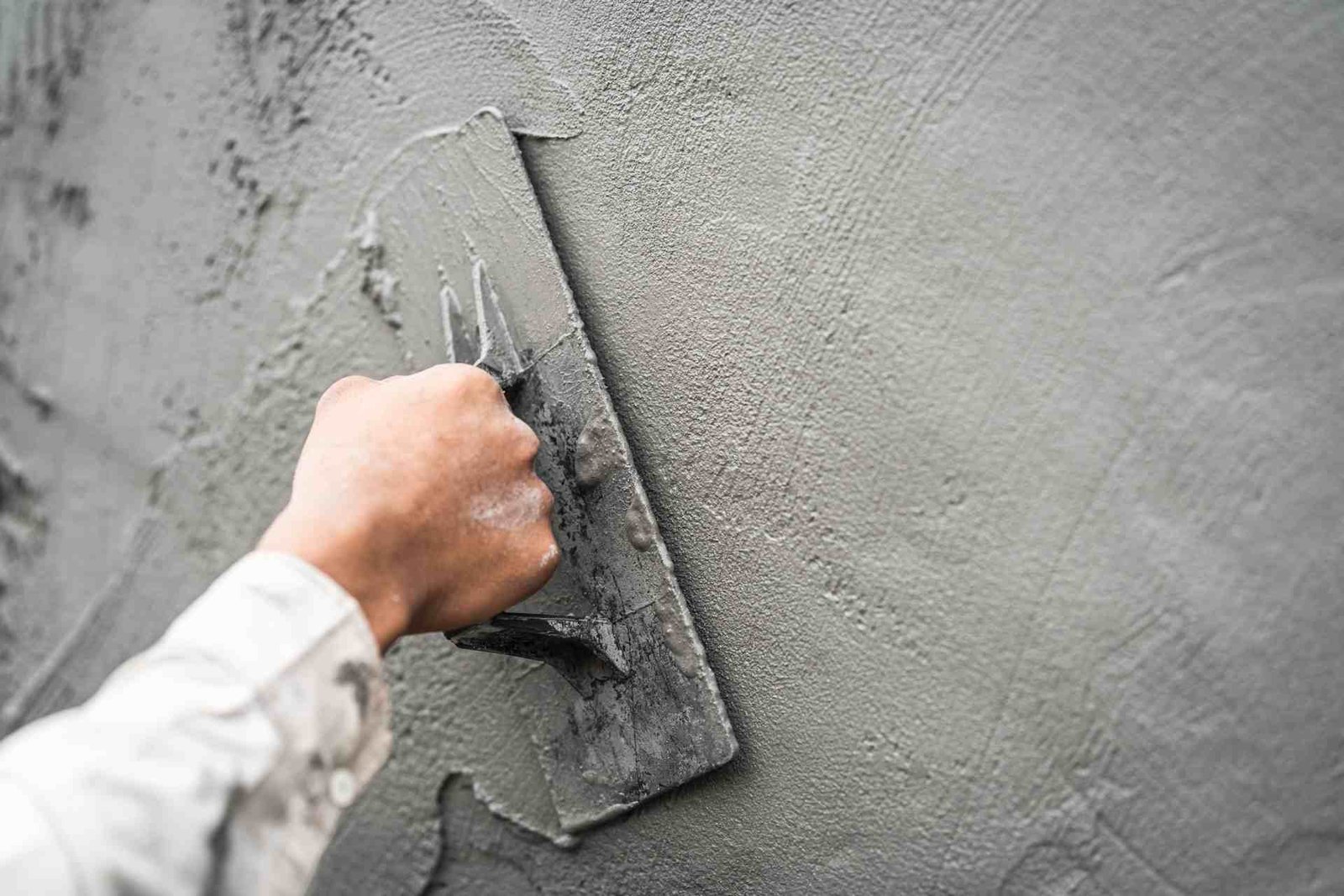
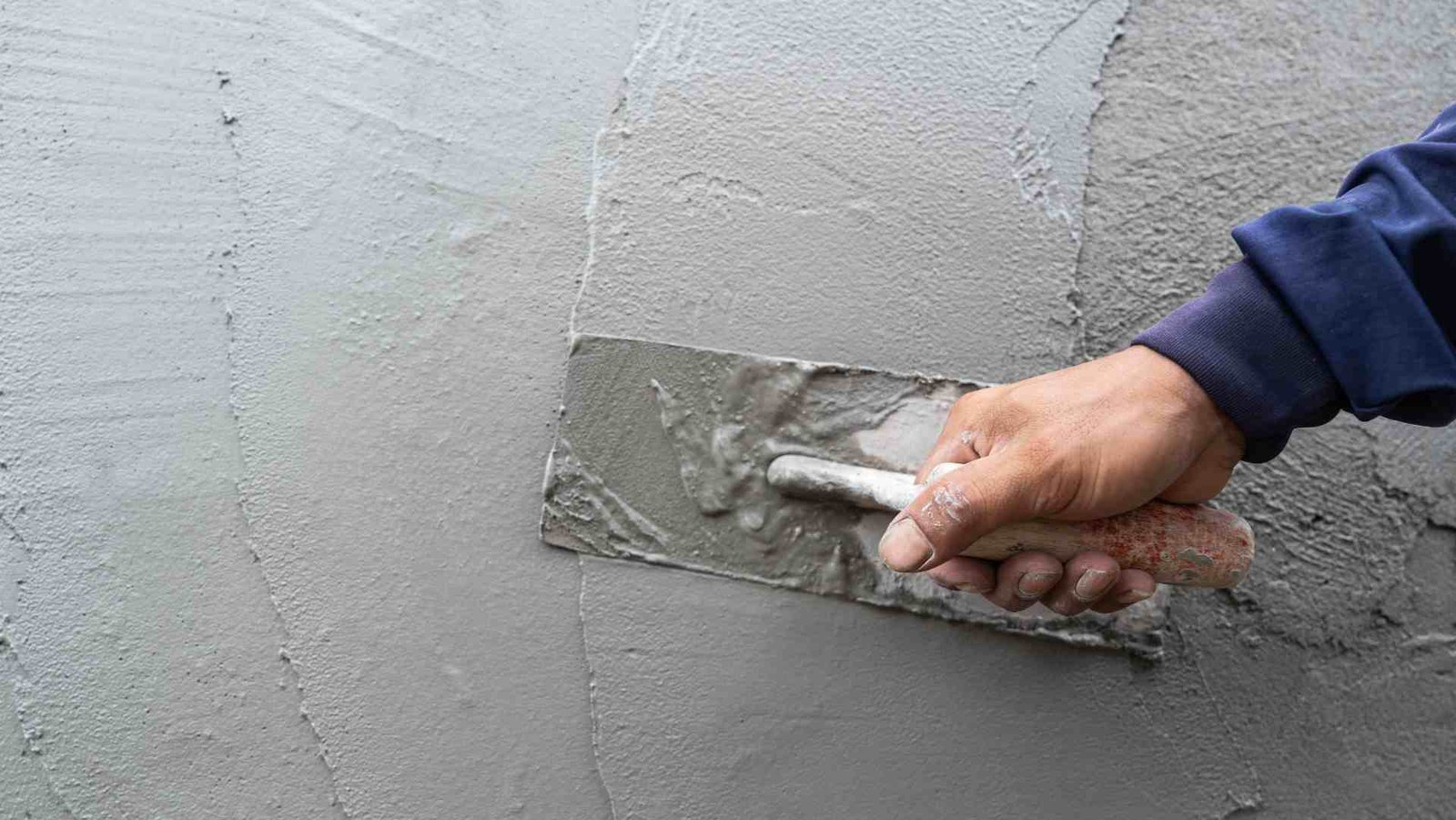
Concrete repair mortar application on damaged substrate surface restoration
Solutions / Repair Mortars

Repair Mortar
Solutions

Performance-driven additive solutions for repair mortars that require strong adhesion to old substrates, controlled workability, reduced shrinkage risk, improved toughness, and faster, more reliable strength development.
Why This Solution
Repair Mortar System Coverage
Suitable for concrete repair mortar, patching mortar, structural repair systems, and durable polymer-modified repair formulations.
Cellulose Ether, Polymer & Functional Core
Built around cellulose ether, polymer modifiers, water reducers, and selected functional additives for balanced fresh-state and hardened-state performance.
Local Support in Venezuela
Local recommendation, supply coordination, and technical support available in Venezuela.
Concrete Repair
Patching Mortar
Structural Repair
Strong Adhesion
Shrinkage Control
Explore
Worker repairing damaged concrete surface with mortar and trowel
Multi-Additive System Adhesion + strength + crack control
01
Understanding Repair Mortar Performance

Built for Bonding, Strength Recovery, and
Long-Term Durability

A good repair mortar must do more than fill a damaged area. It must bond tightly to the existing substrate, maintain enough workability for placement and shaping, resist shrinkage and cracking during curing, and harden into a dense, durable repair layer that stays attached over time.

This makes repair mortar more demanding than standard mortar. In many cases, the repaired zone is exposed to movement, moisture, thermal change, or repeated stress. RDP significantly improves bonding strength and flexibility, helping prevent flaking and detachment in repair mortar systems.

In practice, a high-performance repair mortar usually requires more than one additive family. A balanced system often combines:

A cellulose ether for water retention and workability
A polymer modifier for adhesion and flexibility
A water reducer for strength and density
Selected functional additives for early strength, crack control, or foam reduction
02
Performance Targets

What a Repair Mortar Formula
Must Deliver

Strong Adhesion to Existing Concrete or Masonry
Repair mortars must bond securely to old substrates. RDP-modified repair mortar ensures a strong bond between the repair layer and the original structure, reducing the risk of flaking and detachment.
Controlled Workability and Easy Placement
Repair mortar must remain workable long enough for filling, shaping, smoothing, and proper contact with the repair zone. HPMC is the key additive for water retention and workability in dry-mix mortar systems.
Better Flexibility and Crack Resistance
Repaired areas often experience movement or stress concentration. RDP improves flexibility, helping the mortar resist minor substrate movement. PP fiber also supports crack control in dry-mix systems.
Higher Strength and Lower Water Demand
Repair mortar often needs stronger compressive and bond performance than standard mortar. PCE enables low water/cement ratios, improving both strength and bond performance.
Early Strength When Faster Return-to-Service Is Needed
Some repair projects require faster setting or earlier strength gain. Calcium Formate at a typical dosage of 0.5–1.5% by cement weight provides this early-strength support specifically for repair mortar.
Dense, Void-Free Repair Layer
Trapped air weakens bond and reduces repair integrity. Defoamer prevents foam formation, ensuring the repair material packs densely into cracks or spalls and forms a strong, lasting bond.
03
Product Package

Additives We Recommend for
Repair Mortar Formulations
Mortar troweling and patching repair application on concrete
1
Core Water-Retention & Workability
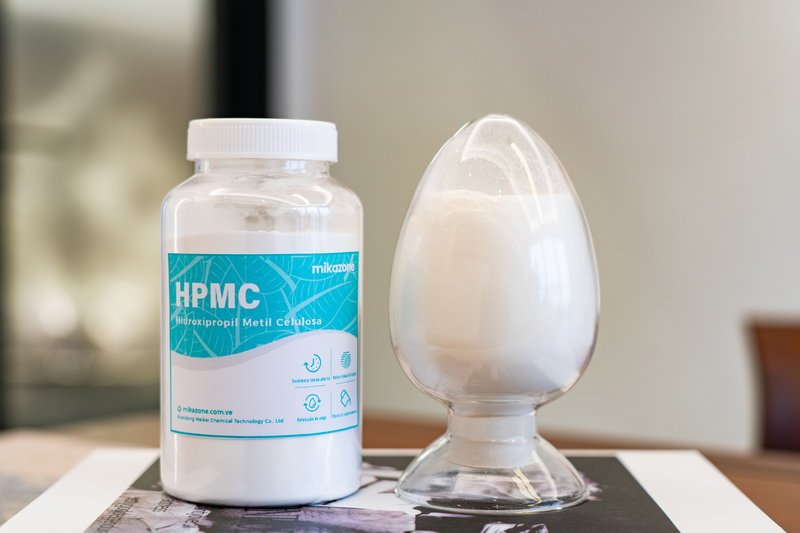
HPMC — Core Water-Retention and Workability Additive
HPMC is the foundational cellulose ether for many repair mortar systems because it controls water retention, workability, open time, and placement consistency. In repair mortar, HPMC keeps the mix workable during patching, reduces rapid water loss in thin sections, improves troweling, and reduces drying-related instability.
Best For
Water retention Placement workability Troweling consistency Reduced rapid drying Base system stability
Related Products
Smooth repair mortar surface with clean finish application
2
Alternative Cellulose Ether
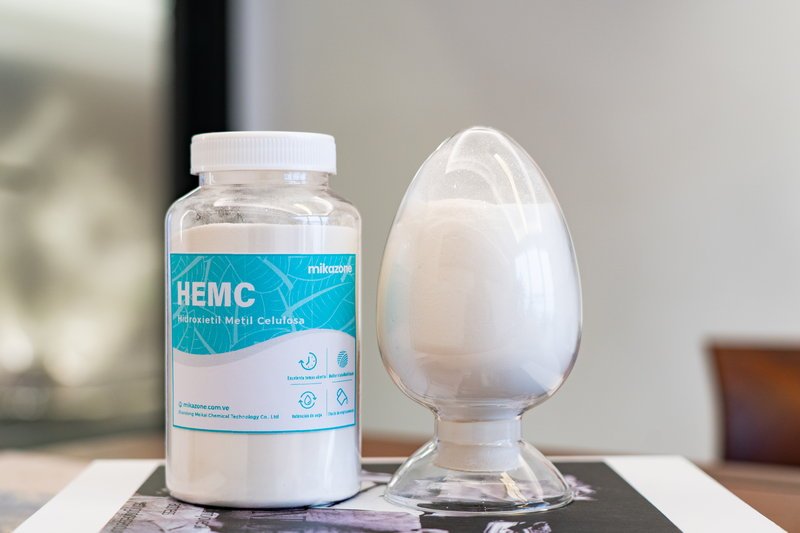
HEMC — Alternative / Complementary Cellulose Ether for Repair Systems
HEMC is also suitable for repair mortars, particularly where a more balanced rheology profile is needed. Multiple grades are positioned for cement-based mortars, with HEMC linked to improved workability, slip resistance, and viscosity stability.
Best For
Cement-based repair mortars Balanced rheology Stable water retention Smooth application feel
Related Products
Concrete repair bond layer strong adhesion restoration
3
Core Adhesion, Flexibility & Durability
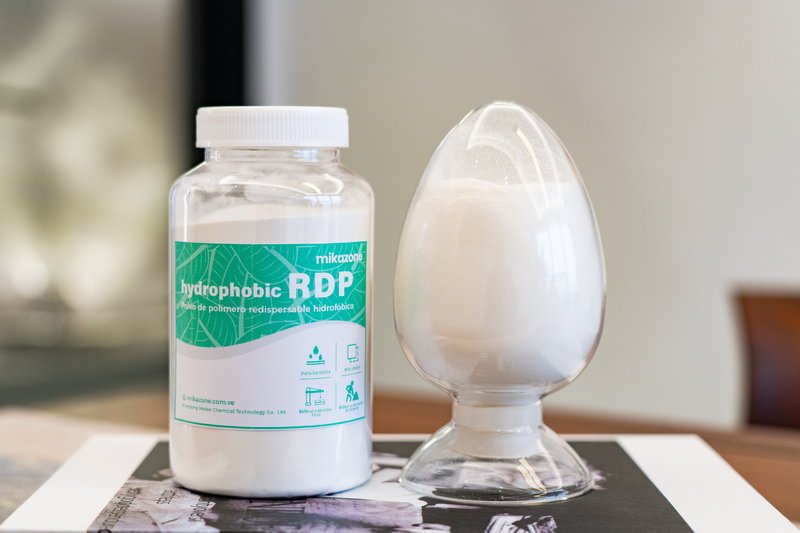
RDP — Core Adhesion, Flexibility, and Durability Modifier
RDP is one of the most important additives in repair mortar. In repair mortar, RDP significantly improves bonding strength and flexibility, allowing the repair layer to resist minor movement and preventing flaking and detachment. Essential when the system needs strong bonding to aged concrete, flexibility against stress, better durability, and reduced brittle failure.
Best For
Concrete repair mortar Patching mortar Structural repair systems Flexible polymer-modified repair
Related Products
High-strength concrete repair dense mortar application
4
Water Reduction & Strength
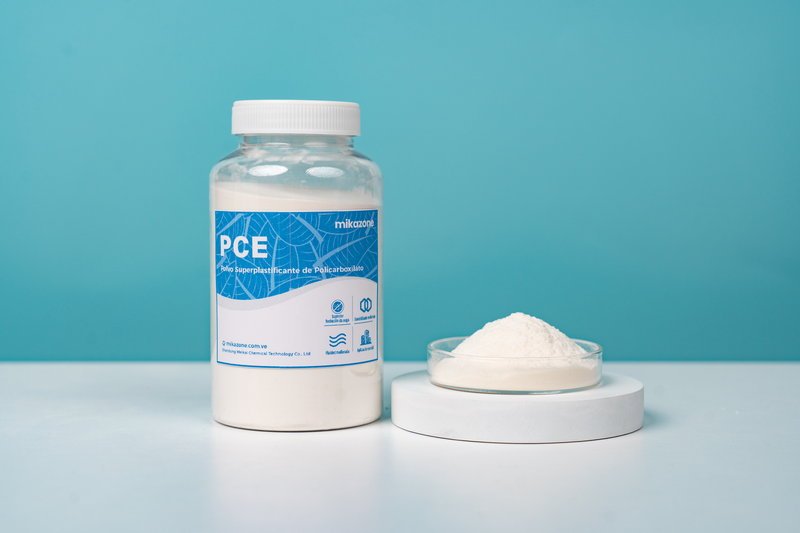
PCE — Water Reduction and Strength Optimization
PCE is especially valuable in repair mortar because high strength often requires lower water-cement ratio without sacrificing placement. MikaUltra PCE allows low water/cement ratios in repair mortars, boosting strength and bond performance — highly relevant for higher final strength, better density, better flow at controlled water content, and stronger bond.
Best For
High-strength repair mortar Dense repair patch systems Lower water-demand formulations Improved bond & compressive performance
Related Products
Fast turnaround repair mortar construction site accelerated work
5
Early Strength & Fast Set
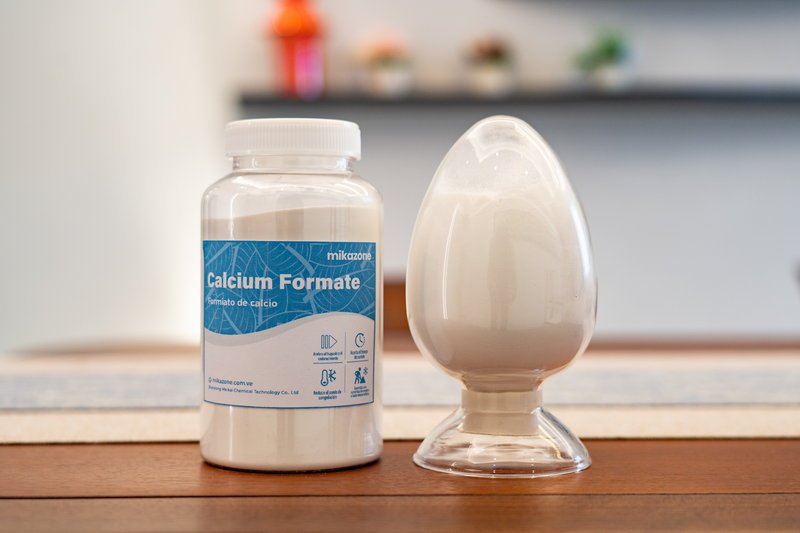
Calcium Formate — Early Strength and Fast Set Support
When repair mortar must harden faster or gain early strength more quickly, Calcium Formate becomes highly relevant. For repair mortar, the typical dosage is 0.5–1.5% by cement weight, and it works seamlessly with PCE and RDP — useful for fast-turnaround repair, early reopening, cold-weather applications, and stronger early hydration.
Best For
Fast-set repair mortar Early strength gain Cold-weather repair Schedule-critical repair jobs
Related Products
Construction reinforcement anti-crack fiber repair mortar
6
Crack Control & Toughness
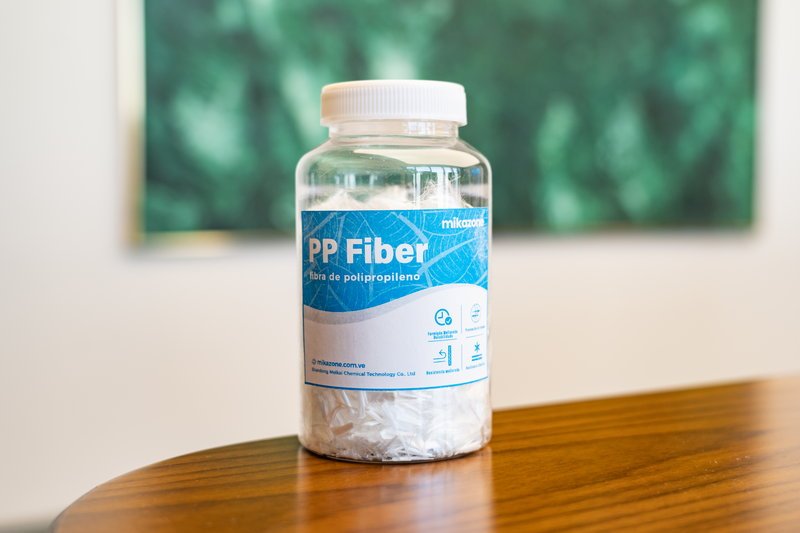
PP Fiber — Crack Control and Toughness Support
PP fibers are positioned as anti-crack agents, and the same crack-control logic is highly relevant in repair mortar where shrinkage and localized stress are common. Useful when repair mortar needs better crack control, improved dimensional stability, higher toughness, and reduced plastic shrinkage cracking.
Best For
Anti-crack repair mortar Surface patching mortar Shrinkage-sensitive systems Exterior repair applications
Related Products
Dense void-free repair mortar filling cracks and spalls
7
Void Reduction & Dense Packing
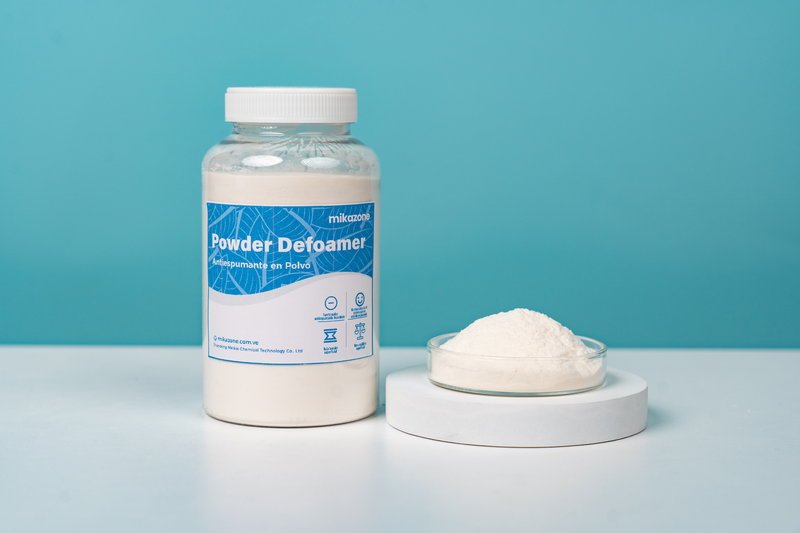
Defoamer Powder — Void Reduction and Dense Repair Packing
"Repair mortars must bond tightly to old concrete and fill defects solidly. Foam weakens this bond and creates porous, fragile areas. Defoamer prevents foam formation, ensuring the repair material packs densely into cracks or spalls and forms a strong, lasting bond with the existing structure."
Best For
Dense crack filling Spall repair mortar Reduced porosity Better compactness & bond integrity
Related Products
04
Product Architecture

Recommended Additive Package by
Repair Mortar Category

Standard Cementitious Repair Mortar
Typically begins with HPMC or HEMC for water retention and workability, plus RDP when stronger adhesion and durability are needed — RDP is particularly important even in this standard category.
Typical Product Direction
HPMC or HEMC RDP Optional PCE
High-Strength Repair Mortar
Where higher strength and denser structure are required, PCE becomes more important — directly supporting this route for repair mortars.
Typical Product Direction
HPMC or HEMC RDP PCE Optional Defoamer
Fast-Set / Early-Strength Repair Mortar
For schedule-critical repair work, acceleration and early strength become central. Calcium Formate provides the clearest repair-mortar dosage guidance here.
Typical Product Direction
HPMC or HEMC RDP Calcium Formate Optional PCE Optional Defoamer
Anti-Crack / Toughened Repair Mortar
Where crack control and movement tolerance are priorities, PP fiber becomes more relevant — following dry-mix mortar crack-control logic.
Typical Product Direction
HPMC or HEMC RDP PP Fiber Optional PCE Optional Defoamer
Dense Crack / Spall Repair Mortar
For crack filling and spall repair, void-free packing matters. Defoamer is especially relevant in this category to ensure dense material packing.
Typical Product Direction
HPMC or HEMC RDP Defoamer Optional PCE Optional Calcium Formate
05
Reference Guidance

Public Reference Guidance from
MikaZone

Public MikaZone Reference Points
RDP in repair mortar: significantly improves bonding strength and flexibility, helping resist minor movement and prevent flaking/detachment.
PCE for repair mortar: enables low water/cement ratio, boosting strength and bond performance.
Calcium Formate for repair mortar: 0.5–1.5% by cement weight according to the product page.
Defoamer for repair mortar: prevents porous, fragile repair zones and helps the material pack densely into cracks or spalls.
Important Note — The indexed public pages do not expose one complete unified dosage table for every repair-mortar additive. Final dosage should therefore be confirmed through raw-material review, substrate condition, required repair depth, and formulation trials.
06
Selection Logic

Selection Logic for
Repair Mortar Formulations

At Mandalas, we recommend repair-mortar additives based on the specific repair type, required bond strength, flexibility needs, and project constraints. Every recommendation follows a structured evaluation path.
Repair type
Required bond strength
Flexibility / crack resistance
Density / low porosity
Fast set / early strength
Application method
Trial feedback
Typical Recommendation Flow
1
Define whether the system is standard, high-strength, fast-set, or anti-crack repair mortar.
2
Select the core cellulose ether system.
3
Add RDP for adhesion, flexibility, and durability.
4
Add PCE, Calcium Formate, PP Fiber, or Defoamer according to the specific performance gap.
5
Validate through lab and plant trials.
Construction worker applying repair mortar on concrete structure
Patching · Crack Filling · Spall · Structural Repair
Standard · High-Strength · Fast-Set · Anti-Crack
07
Why Choose Us

Why Choose Mandalas for
Repair Mortar Formulation Support

We help build a full repair-mortar additive package around the actual repair target, not just one additive at a time.

What We Help With
Concrete Repair Mortar
Bond strength, durability, and substrate compatibility.
Patching and Spall Repair Mortar
Dense packing, void reduction, and surface integrity.
Crack-Filling Mortar
Shrinkage control, toughness, and movement tolerance.
High-Strength Repair Systems
Water reduction, density, and compressive performance.
Fast-Set / Early-Strength Repair Mortars
Accelerated schedules and quicker return-to-service.
Trial Support and Formula Adjustment
Practical lab and field trial guidance with formula tuning.
What We Supply for Repair Mortar
HPMC
HEMC
RDP
PCE
Calcium Formate
PP Fiber
Defoamer
Construction site concrete repair and restoration work
Complete Repair Package
7 additive categories for
every repair challenge
08
FAQ

Repair Mortar
FAQ

There is usually no single additive. However, RDP is especially important because it directly improves bonding strength and flexibility in repair mortar, helping prevent flaking and detachment from old substrates.
RDP directly improves the bond between the repair layer and the original structure, reducing the risk of delamination, flaking, and detachment.
PCE improves strength and bond performance in repair mortars through lower water/cement ratios, enabling denser and stronger repair layers.
Calcium Formate provides early-strength and setting support with a repair-mortar-specific dosage of 0.5–1.5% by cement weight.
Yes. We can suggest a practical starting range based on your repair type, raw materials, substrate condition, and target performance. Contact our technical team for tailored guidance.
09
Get Started

Need the right additive package for your
repair mortar?

Tell us whether you are developing a standard, high-strength, fast-set, anti-crack, or dense repair mortar system. We'll recommend the right product combination and starting selection logic to help you begin trials faster and reach stable results sooner.

1 Chat with us