Industrial materials and repair compounds — sealants, pastes, and formulation QA context
Solutions / Sealants & Repair

Sealants & Repair Pastes
Solutions

Performance-focused additive solutions for sealants and repair pastes that require stable viscosity, smooth application, strong adhesion, reliable film formation, low shrinkage risk, and a clean, durable final finish. These needs align closely with the roles MikaZone publicly assigns to HEC, HPMC, HEMC, PVA, and RDP across water-based coatings, construction pastes, adhesives, and sealant-related systems.

Why This Solution
Repair Pastes, Sealant-Like Compounds & Patching
Suitable for ready-to-use repair pastes, sealant-like repair compounds, and selected water-based patching systems.
Cellulose Ether, Film Formers & Functional Additives
Built around cellulose ether, film-forming modifiers, and selected functional additives for balanced rheology and adhesion performance.
Local Support in Venezuela
Local recommendation, supply coordination, and technical support available in Venezuela.
Stable Viscosity
Smooth Application
Strong Adhesion
Film Formation
Low Shrinkage
Durable Finish
Explore

Section 1 — What Makes a Good Sealant or Repair Paste?

Built for Stable Rheology, Easy Repair Application, and Lasting Bond Performance

A good sealant or repair paste must do more than fill a crack or surface defect. It needs to stay stable in the bucket or cartridge, spread or press smoothly into the repair area, maintain enough body to avoid slumping, bond well to the substrate, and dry into a cohesive, durable, and visually clean repair layer. MikaZone’s public wall-putty and wall-repair language is useful here: it describes skim coat / wall putty as an efficient solution for fixing minor cracks, filling joints, or leveling flat surfaces, and separately describes wall putty itself as a fine, paste-like coating material used to fill pores, cracks, and imperfections.

In practical formulation work, these systems are usually built around rheology control + film formation + adhesion + air control. MikaZone’s public product pages support exactly those functions: HEC for viscosity and stability in water-based systems, PVA for bonding strength and film formation, HPMC / HEMC for thickening, cohesion, lubrication, and workability, and RDP for flexibility and durability in coatings, adhesives, and sealants.

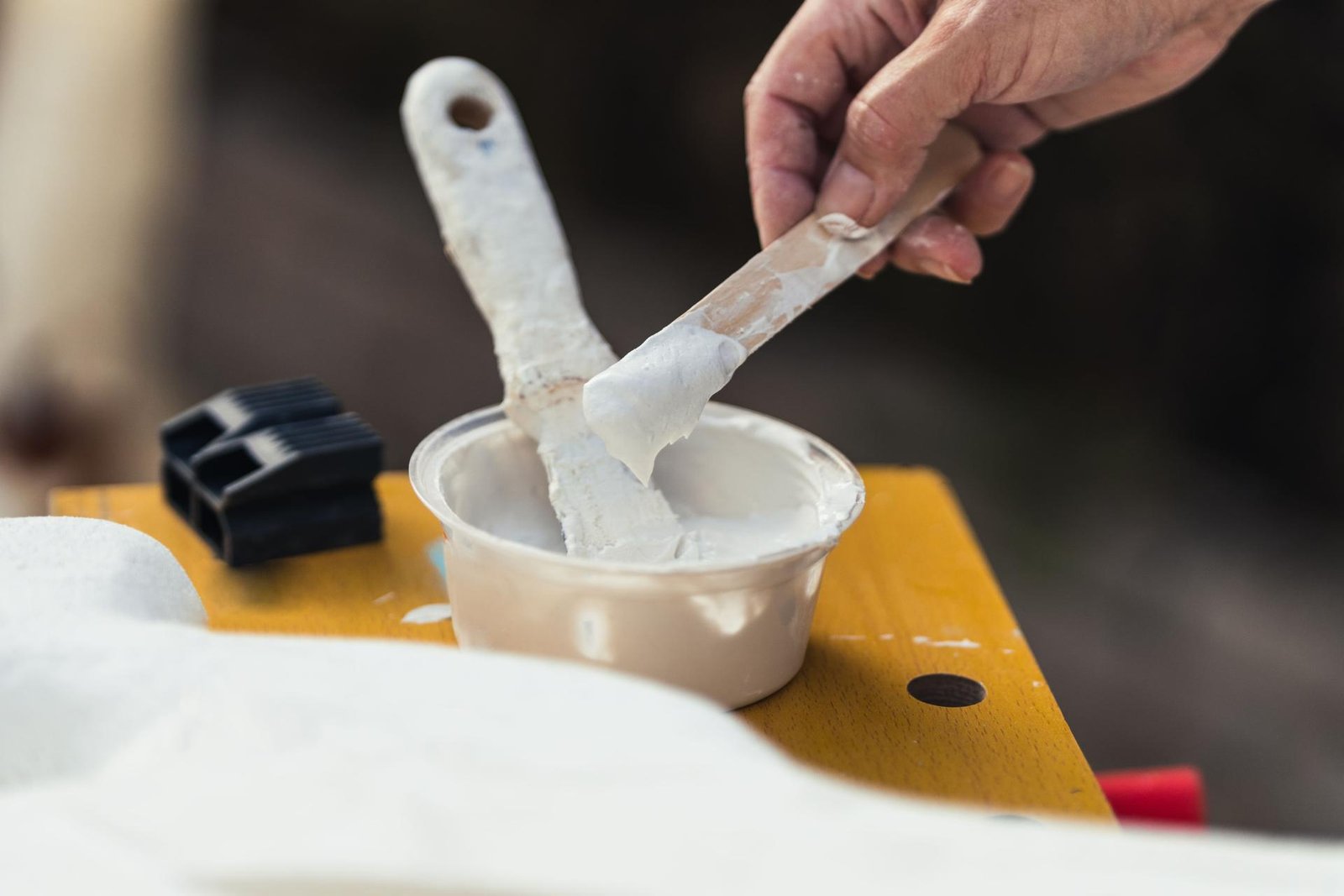
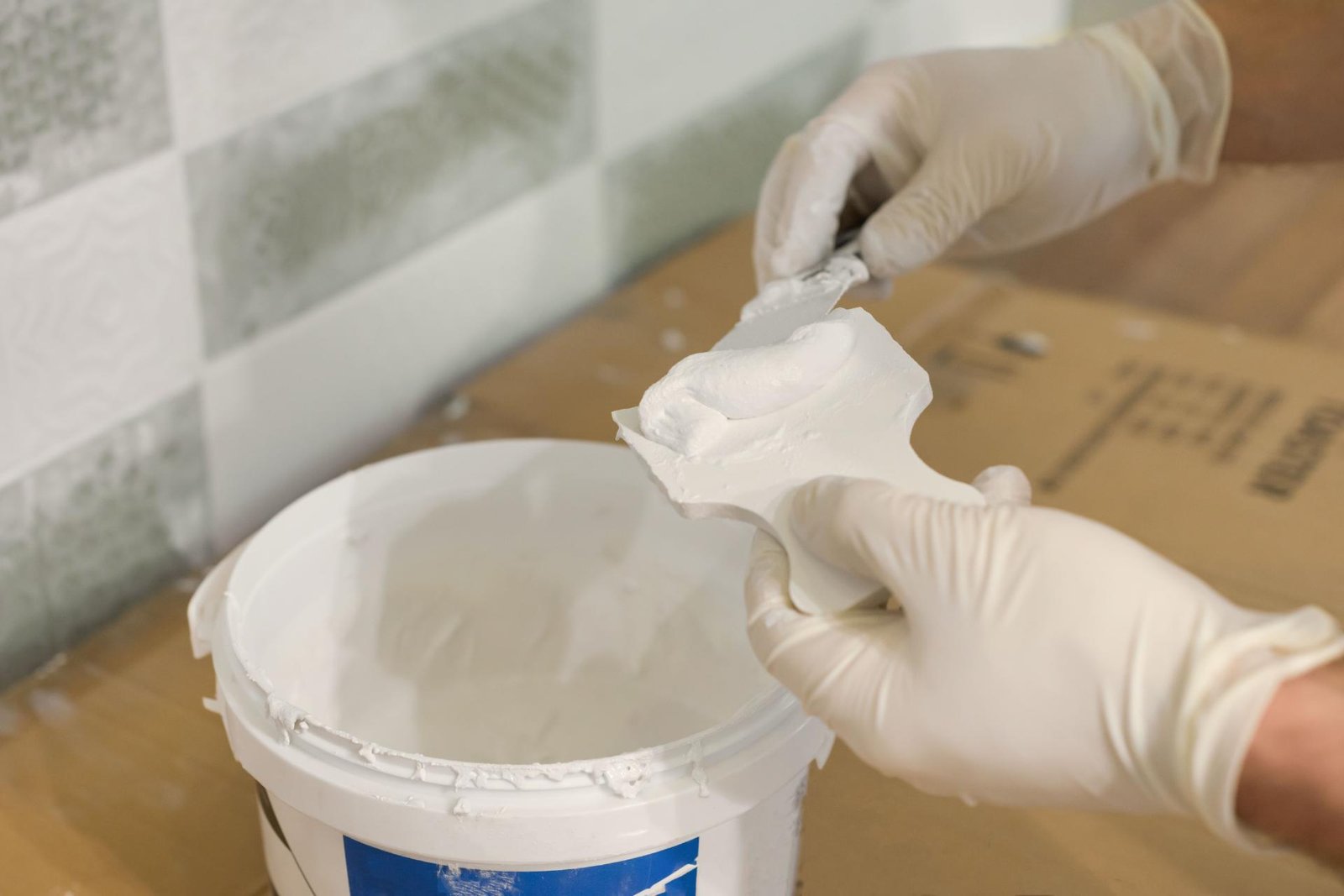
Construction and repair materials — sealants and paste-style repair systems
Bucket-stable pastes, controlled filling, and a dense finished repair layer.
Rheology controlViscosity & storage
Film formationCohesive dry layer
AdhesionSubstrate & joint edges
Air controlDefoamer when needed

Section 2 — Key Performance Targets in Sealants & Repair Pastes

What a Sealant or Repair Paste Formula Must Deliver

Six performance dimensions mapped to MikaZone public positioning on HEC, HEMC, HPMC, PVA, RDP, and defoamers.

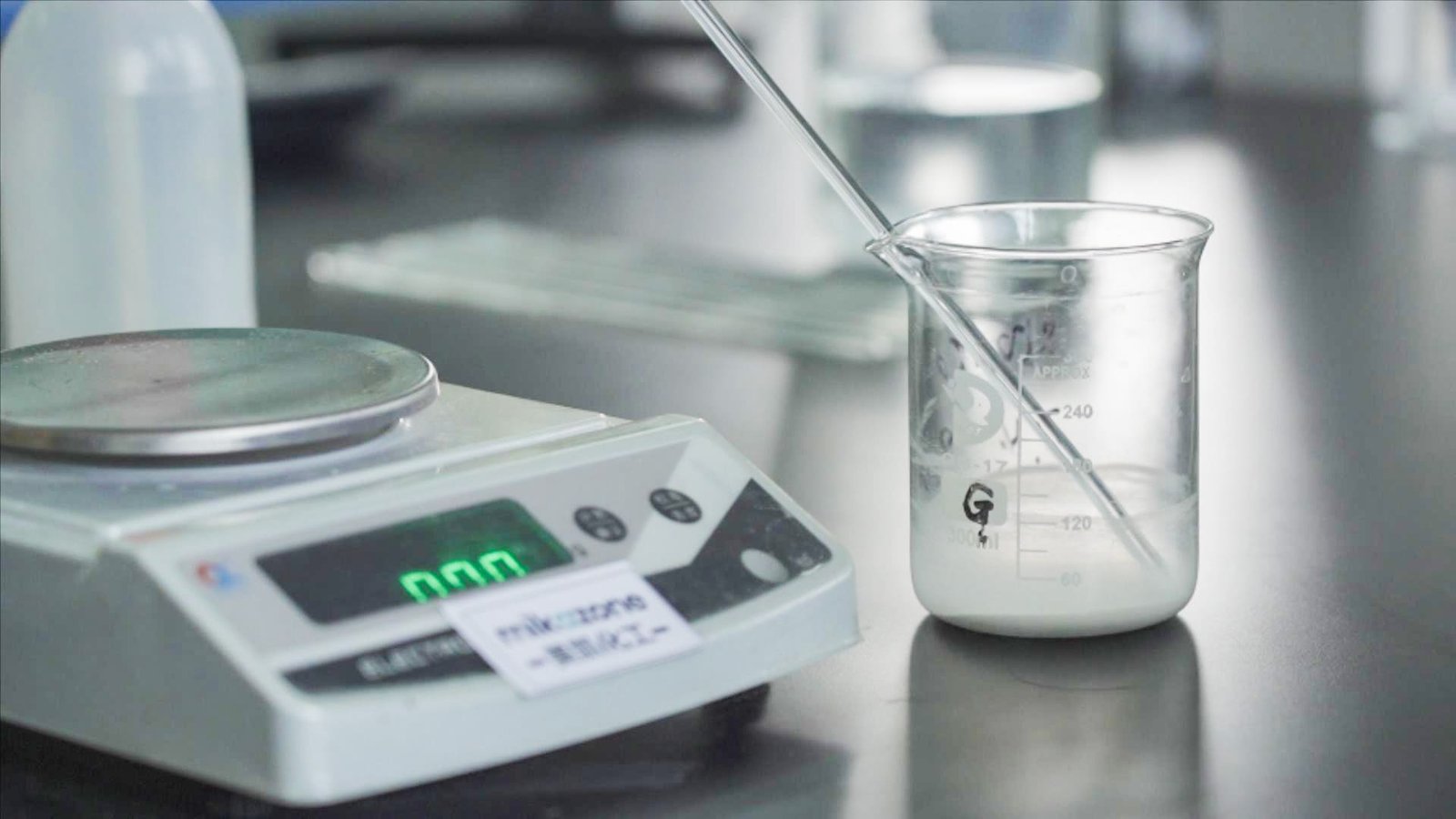
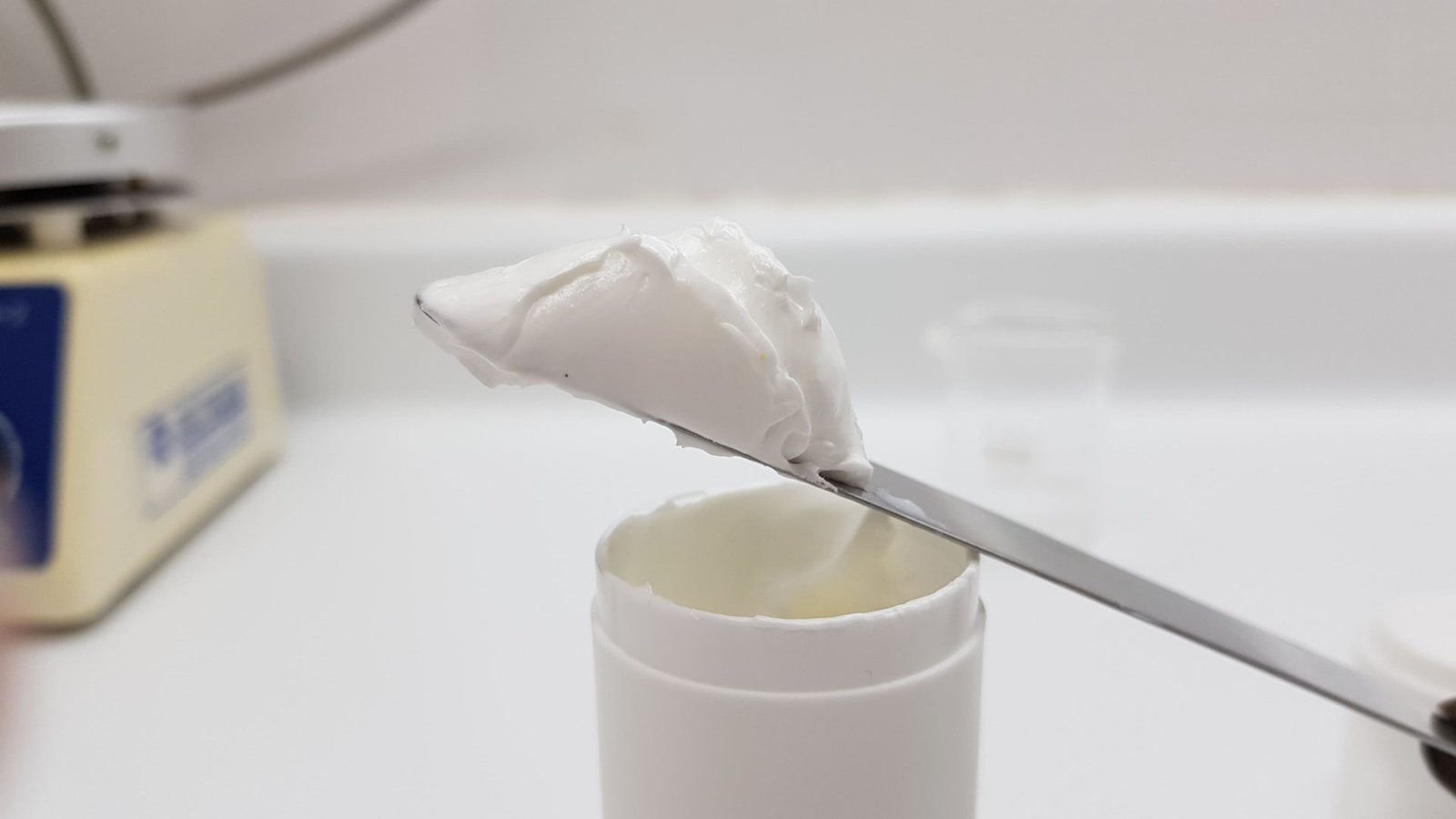
Laboratory liquids — storage viscosity for repair pastes

Stable Viscosity and Storage Consistency

A premixed sealant or repair paste must keep a stable body during storage and not become too watery, too stiff, or phase-unstable. MikaZone publicly positions HEC as a top-notch thickener for water-based paints and coatings, emphasizing thickening efficiency and stability across viscosity grades—which maps directly to water-based repair-paste and sealant-like systems.
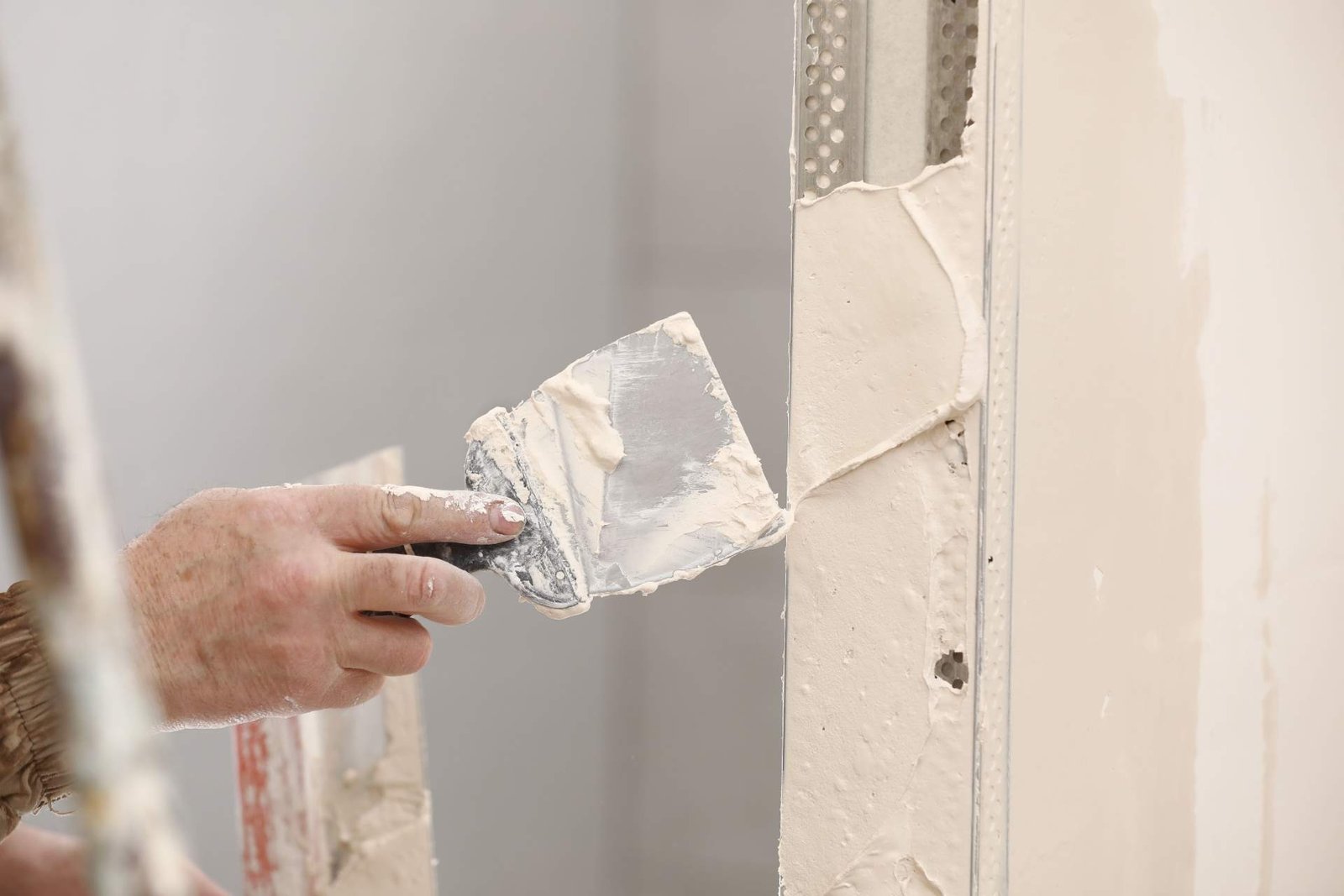
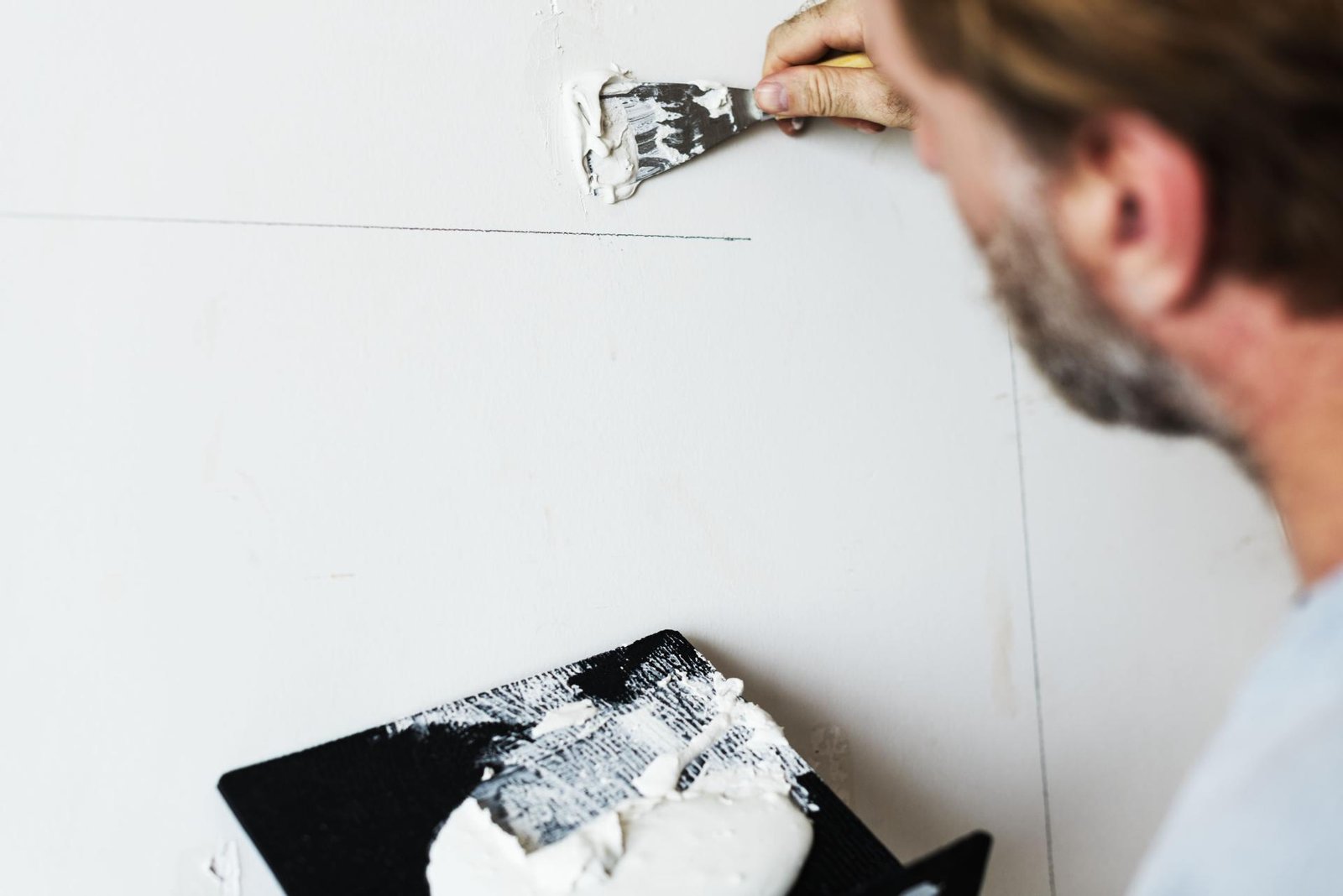
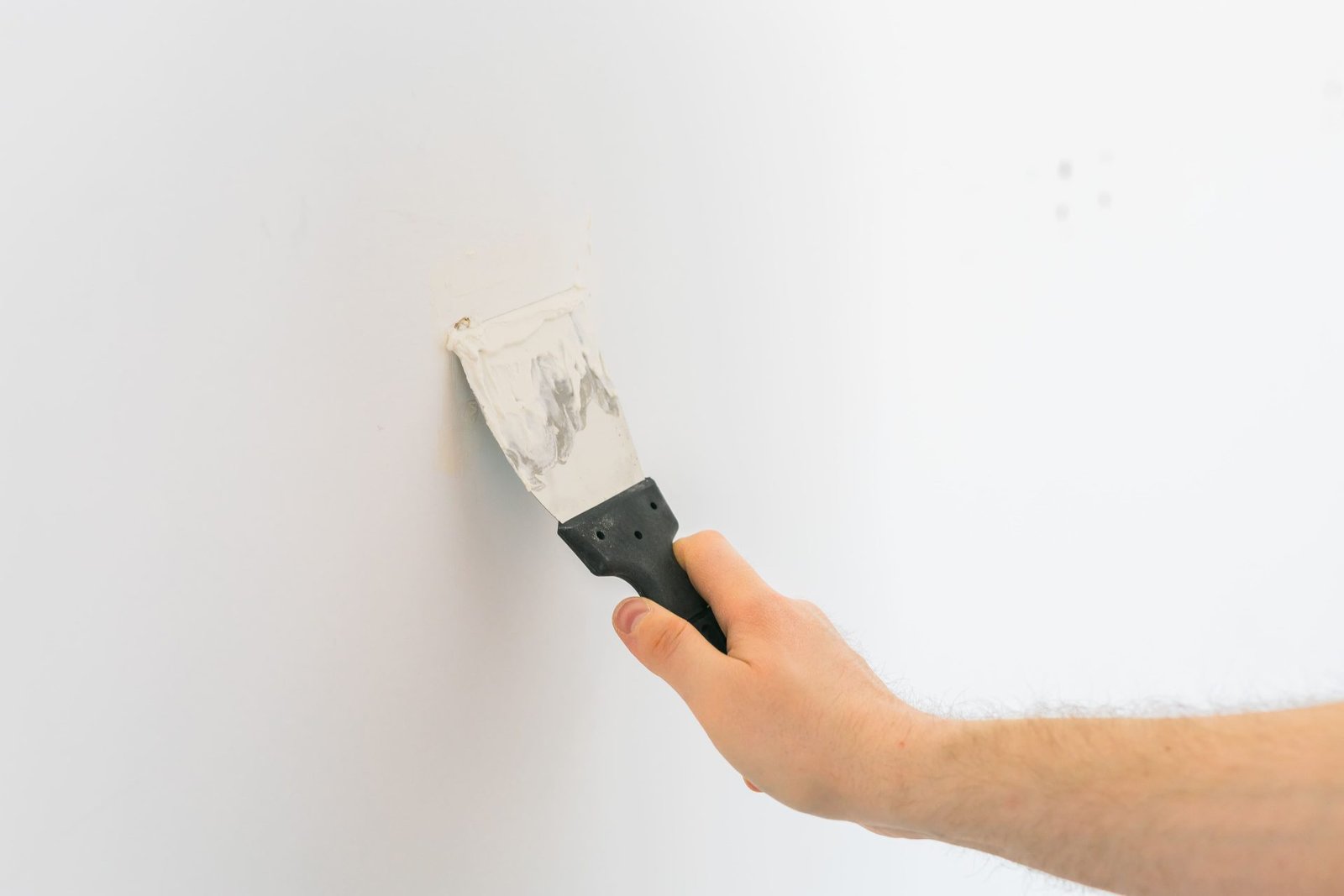
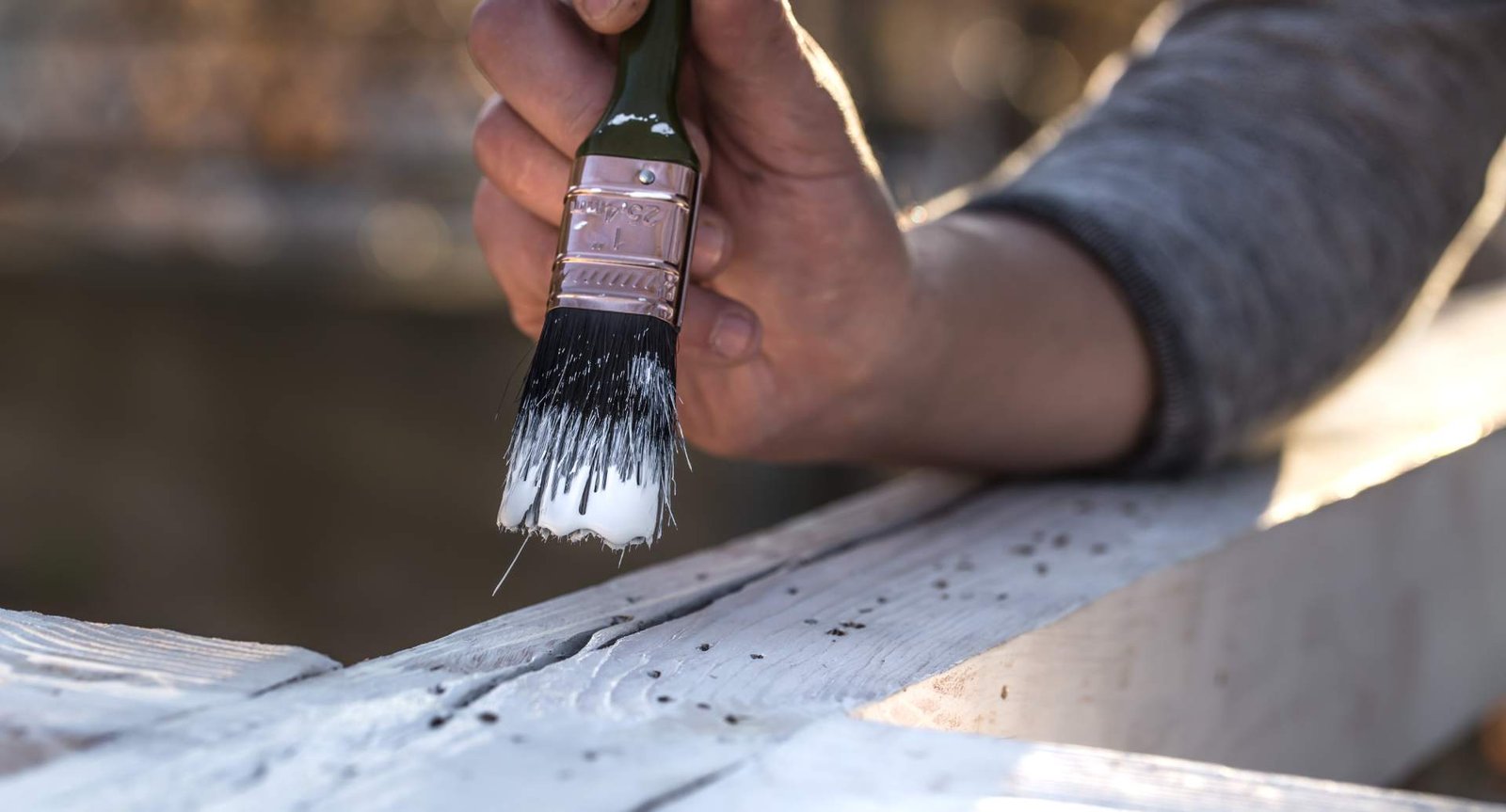
Trowel spreading paste — smooth filling into cracks and joints

Smooth Filling and Easy Application

Repair pastes and sealants need to spread, knife, or press easily into joints, cracks, or surface defects. MikaZone’s public HEMC overview states that HEMC enhances cohesion, prevents segregation, and improves construction performance—highly relevant to paste-style repair materials. Its HPMC overview also publicly describes HPMC as a thickener, binder, and film former.

Construction bonding — adhesion to damaged surfaces

Strong Adhesion to the Substrate

A repair paste or sealant must remain bonded to the damaged surface or joint edges. MikaZone’s public PVA materials explicitly say PVA improves bonding strength and film formation, while MikaZone’s RDP materials state that RDP enhances flexibility and crack resistance in coatings, adhesives, and sealants exposed to thermal or mechanical stress.

Polymer film — cohesive repair layer

Reliable Film Formation and Cohesion

For a repair or sealing layer to remain intact, it needs a continuous and cohesive dry film. MikaZone publicly identifies PVA and HPMC as film-forming or binder-type additives, and presents HEMC as improving cohesion in building applications.

Construction site — movement and crack bridging context

Better Flexibility and Crack Resistance

Sealants and repair pastes often bridge local movement or dimensional change. MikaZone’s RDP page directly states that RDP improves flexibility and crack resistance in coatings, adhesives, and sealants—one of the strongest publicly available signals for this application family.

Foam control — finish quality in paste systems

Low Foam and Better Finish Quality

Air entrapment can create pinholes, surface defects, and weak zones in paste systems. MikaZone’s public defoamer materials explain that defoamers collapse foam rapidly and improve texture uniformity and compactness—so defoamer is a practical optional additive when finish quality is affected by bubbles.

Section 3 — Recommended Product Package for Sealants & Repair Pastes

Additives We Recommend for Sealant and Repair-Paste Formulations

Seven additive roles—including optional CMC where internal formulation work supports it.

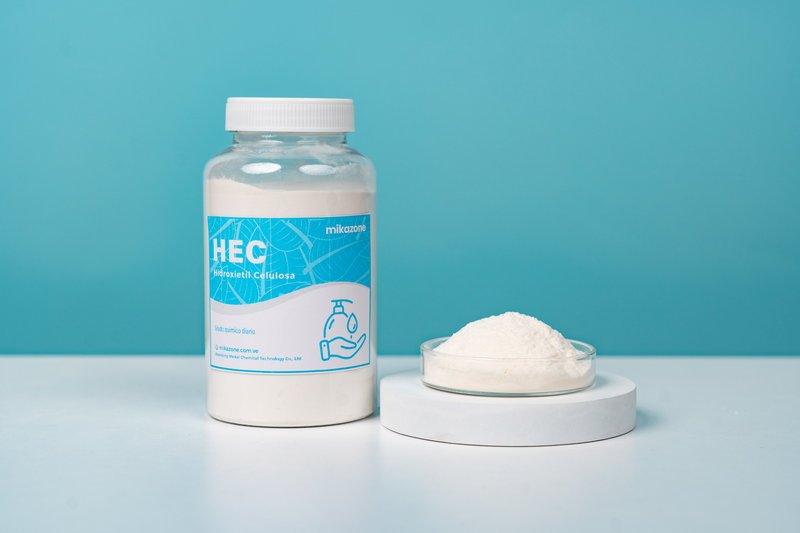
HEC viscosity — water-based sealant and repair paste
HEC

HEC — Core Thickener for Water-Based Sealants and Repair Pastes

HEC is the clearest first-line additive in your product line for water-based sealants and repair pastes. MikaZone publicly positions MK30HE, MK60HE, and MK100HE for water-based coatings and paints, describing them as effective thickeners that improve viscosity and stability. That same rheology-control logic is highly relevant for ready-to-use repair pastes and sealant-like water-based systems.

Best for
Core viscosity buildBucket or cartridge stabilitySmooth spreading or fillingWater-based paste rheologyConsistency during storage and use
Related Products
Normal and Standard (HE)DispersantBiostable (HE-BE)Hydrophobically Modified (MEB)Associative (MHE)
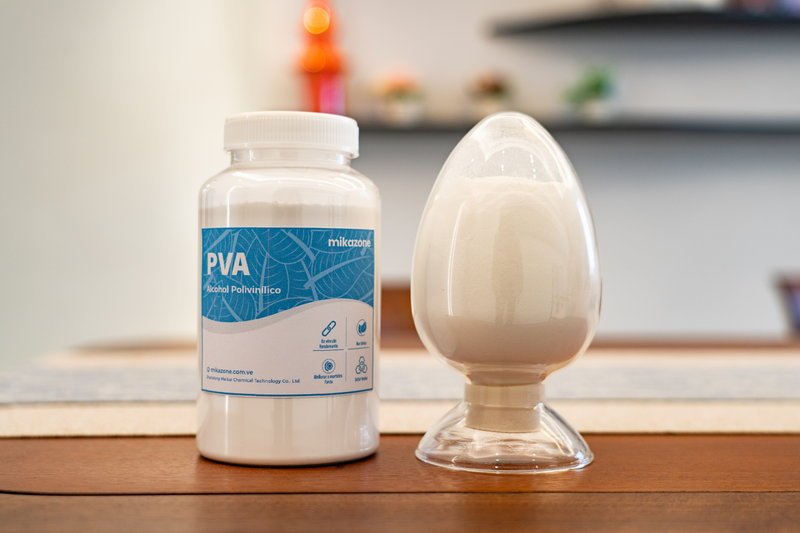
PVA film formation — bonding support
PVA

PVA — Core Film-Formation and Bonding Support Additive

PVA is one of the most relevant additives for sealants and repair pastes because MikaZone publicly states that it improves bonding strength, film formation, and fluidity. Those are exactly the functions needed when a paste must dry into a cohesive, adherent repair or sealing layer.

Best for
Better substrate adhesionStronger film formationImproved surface cohesionSmoother application behavior
Related Products
17882488
Fine powders — HPMC body and workability
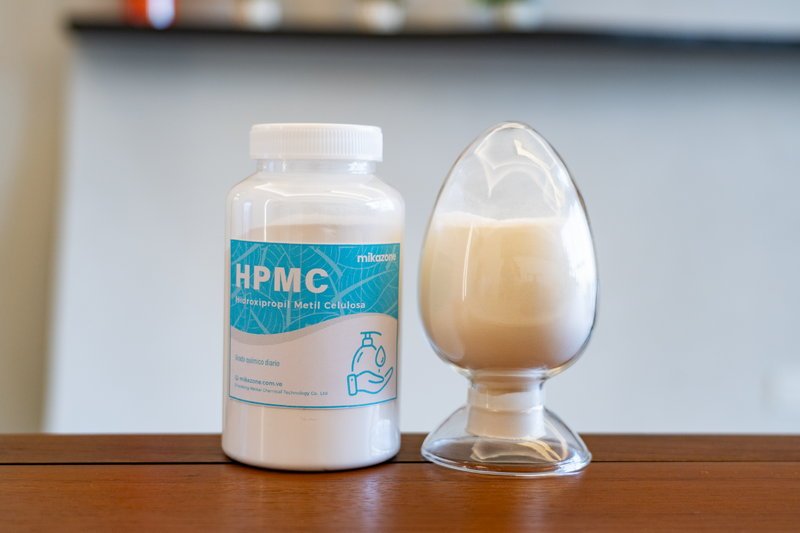
HPMC

HPMC — Optional Body and Workability Modifier

HPMC is highly useful when a repair paste or sealant needs more body, smoother knife feel, stronger retention on vertical surfaces, or more stable open working time. MikaZone publicly describes HPMC as a thickener, binder, film former, and water retention agent, which makes it a strong optional rheology modifier in paste-style repair systems.

Best for
Higher-body repair pastesBetter hold on vertical repairsSmoother tooling feelRheology fine-tuning
Related Products
Smooth spreading — HEMC cohesion
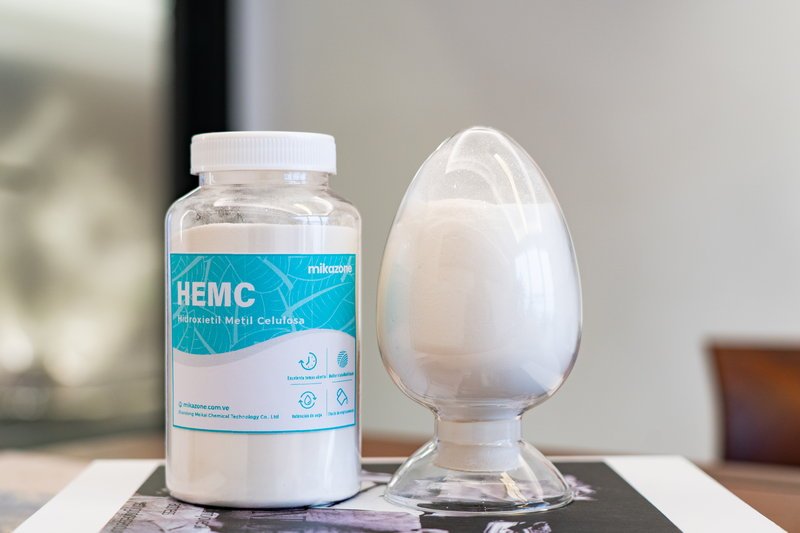
HEMC

HEMC — Optional Alternative for Cohesion and Viscosity Balance

HEMC becomes useful where the formula needs better cohesion, reduced segregation, and a smoother spreading profile. MikaZone’s public HEMC overview explicitly says it enhances cohesion, prevents segregation, and improves construction performance—highly relevant for ready-to-use repair pastes and selected sealant-type products.

Best for
Better cohesionReduced segregationBalanced viscosity profileSmoother filling and spreading
Related Products
MK75ESMK100ESMK150ES
Polymer durability — RDP in sealants
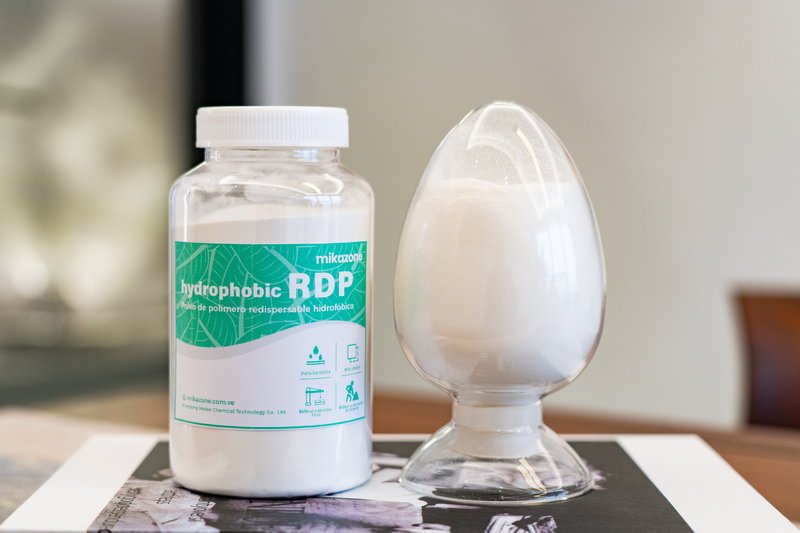
RDP

RDP — Optional Adhesion, Flexibility, and Durability Upgrade

RDP is not the default first-line thickener for a standard water-based repair paste, but it becomes highly relevant in premium or more movement-tolerant systems. MikaZone’s RDP page directly states that RDP improves flexibility and crack resistance in coatings, adhesives, and sealants—the kind of upgrade signal you want for higher-performance repair or sealing products.

Best for
Premium repair pastesTougher sealant filmsBetter crack resistanceDurability under movement or stress
Related Products
MK1610NMK3510NMK3520NMK8025H
Defoamer — air control in pastes
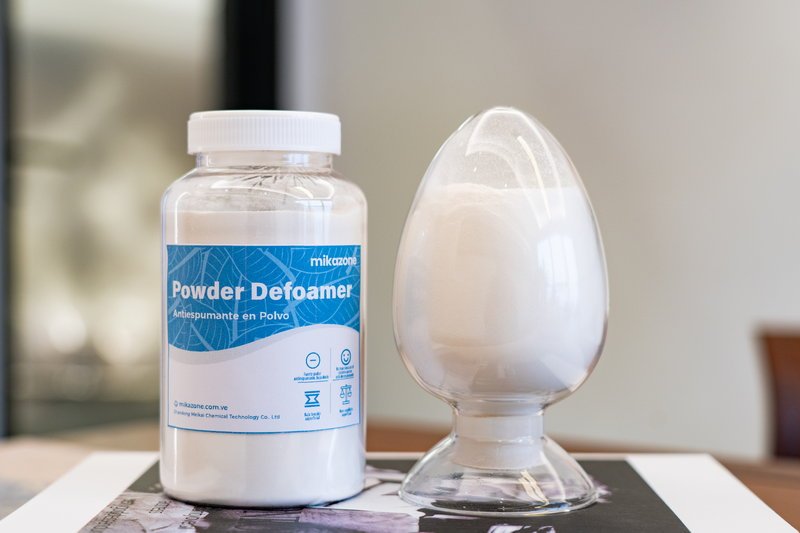
Defoamer

Defoamer Powder — Optional Foam Control

Where sealants or repair pastes show bubbles, craters, pinholes, or rough finish quality, defoamer becomes a very useful process-improvement additive. MikaZone’s public defoamer direction supports its use in foam-sensitive construction and coating systems where trapped air hurts appearance and compactness.

Best for
Reduced entrapped airBetter finish appearanceLower pinhole riskStable filling & tooling quality
Related Products
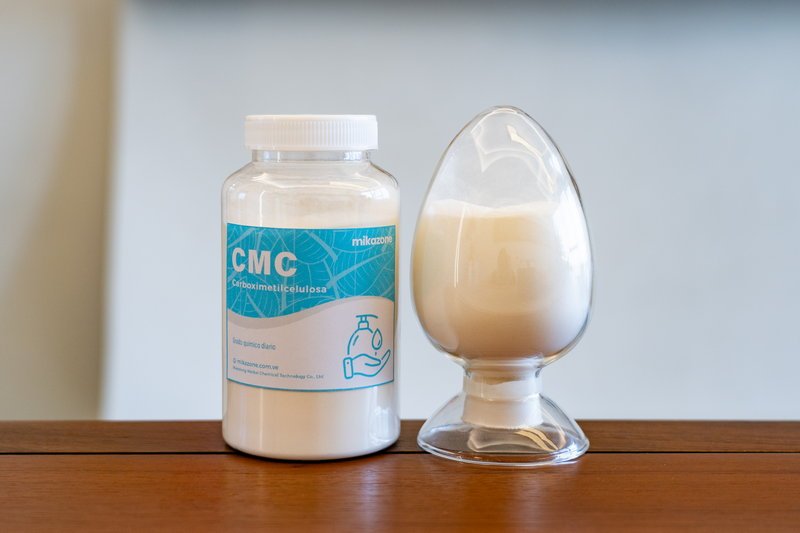
Materials science — optional CMC in specialty pastes
CMC

CMC — Optional Viscosity / Adhesion Support in Selected Systems

CMC is not the first additive I would position for every sealant or repair paste, but MikaZone’s public CMC materials say it provides superior viscosity, excellent adhesion, and improved open time. That makes it a possible optional direction in selected paste systems where viscosity build and adhesion support are both needed. I would keep this as a secondary option unless your own internal formulation work confirms it as a preferred route.

Best for
Selected viscosity-support systemsAdditional adhesion supportSpecialty paste formulations
Related Products
MK4CMMK10CMMK15CMMK30CMMK50CMMK60CMMK100CMMK200CMMK1000CM

Note: Treat CMC as a secondary route unless your internal trials confirm it as a preferred fit for the specific paste system.

Section 4 — Suggested Product Architecture by Sealant / Repair-Paste Type

Recommended Additive Package by Product Category

Standard water-based repair paste

Standard Water-Based Repair Paste

For a standard ready-to-use repair paste, the structure usually centers on HEC as the main thickener, with PVA added where stronger film formation and bonding are needed. This follows MikaZone’s public HEC and PVA performance directions.

Typical Product Direction
HECPVAOptional Defoamer
Higher-body repair compound

Higher-Body Repair Paste

Where the paste needs more body, better vertical hold, or stronger tooling feel, HPMC or HEMC can be introduced to fine-tune rheology and cohesion. MikaZone’s public HPMC and HEMC materials support this logic directly.

Typical Product Direction
HECHPMC or HEMCPVAOptional Defoamer
Premium flexible sealant film

Premium Sealant / Flexible Repair Compound

For systems that need stronger flexibility, adhesion, and film toughness, PVA and optionally RDP become more relevant. This follows MikaZone’s public bonding-strength, film-formation, and sealant-related RDP language.

Typical Product Direction
HECPVAOptional RDPOptional HEMCOptional Defoamer
Foam-sensitive repair paste

Foam-Sensitive Repair Paste

Where bubbling, pinholes, or rough finish are the main issues, Defoamer becomes more important as a process-improvement additive.

Typical Product Direction
HECDefoamerOptional PVAOptional HPMC or HEMC

Section 5 — Public Reference Guidance

Public Reference Guidance from MikaZone

Publicly Confirmed HEC Grade References
MK30HE: Brookfield viscosity 1,500–2,500 mPa·s for water-based coatings.
MK60HE: Brookfield viscosity 2,500–3,500 mPa·s for water-based coatings.
MK100HE: Brookfield viscosity 3,500–6,500 mPa·s for water-based coatings and paints.
Public Performance Direction
HEC: top-notch thickener for water-based paints and coatings, improving viscosity and stability.
HPMC: thickener, binder, film former, and water-retention agent.
HEMC: enhances cohesion, prevents segregation, and improves construction performance.
PVA: improves bonding strength and film formation.
RDP: improves flexibility and crack resistance in coatings, adhesives, and sealants.
Technical reference documents — public grades and performance notes
Align lab starting points with public grade bands—then validate in your system.

Section 6 — How We Recommend the Right Sealant / Repair-Paste Package

Selection Logic for Sealant & Repair-Paste Formulations

At Mandalas, we recommend sealant and repair-paste additives based on system type (standard repair paste, higher-body paste, flexible sealant-like compound, or foam-sensitive system), target viscosity, need for stronger film formation, need for better adhesion, need for higher body or sag resistance, need for lower foam / smoother finish, storage-stability target, and trial feedback.

Typical Recommendation Flow

Define whether the product is a standard repair paste, higher-body paste, premium flexible repair compound, or foam-sensitive system.

Select the core thickener system.

Add PVA or RDP if stronger film formation or flexibility is required.

Add HPMC / HEMC when rheology tuning or higher body is needed.

Add Defoamer if finish quality is affected by entrapped air.

Validate through lab and production trials.

Laboratory trials — sealant and repair-paste validation
Selection logic is confirmed with trials—not single-ingredient shortcuts.

Section 7 — Why Choose Our Sealant & Repair-Paste Additive Solutions

Why Choose Mandalas for Sealant & Repair-Paste Formulation Support

We help build a full additive package around the actual viscosity, filling behavior, bonding, flexibility, and finish target of your sealant or repair-paste system, rather than recommending one ingredient alone.

What We Help With

  • Standard water-based repair pastes
  • Higher-body repair compounds
  • Flexible sealant-like systems
  • Foam-sensitive repair pastes
  • Rheology optimization and storage-stability improvement
  • Trial support and formula adjustment

What We Supply for Sealants & Repair Pastes

  • HEC
  • HPMC
  • HEMC
  • PVA
  • RDP
  • Defoamer
  • Optional CMC
Industrial formulation support for sealants and pastes
Package-level thinking: viscosity, fill, bond, flex, and finish together.

Section 8 — FAQ

Sealants & Repair Pastes FAQ

Q1: What is the most important additive in a water-based repair paste?

In your current product line, HEC is the most direct core viscosity-control additive because MikaZone publicly positions it for water-based coatings and paints.

Q2: What additive is most relevant for bonding and film formation?

PVA is highly relevant because MikaZone publicly states that it improves bonding strength and film formation.

Q3: Can a repair paste also use HPMC or HEMC?

Yes. In selected systems, HPMC or HEMC can be used to fine-tune body, cohesion, vertical hold, and spreading feel. MikaZone’s public materials support HPMC as a thickener/binder/film former and HEMC as a cohesion-enhancing rheology modifier.

Q4: When is RDP useful in a sealant or repair compound?

RDP becomes more relevant in premium or movement-tolerant systems where stronger flexibility, crack resistance, and durability are needed. MikaZone’s RDP page explicitly links these gains to coatings, adhesives, and sealants.

Q5: Can you recommend dosage ranges?

Yes. We can suggest a practical starting range based on your paste or sealant type, binder system, viscosity target, and substrate requirements.

Need the right additive package for sealants & repair pastes?

Tell us whether you are building a standard, higher-body, flexible, or foam-sensitive system—we’ll map thickeners, binders, and functional additives to your viscosity, bonding, and finish targets.

1 Chat with us