Self-leveling compound smooth floor surface construction underlayment
Solutions / Self-Leveling

Self-Leveling
Solutions

Performance-focused additive solutions for self-leveling compounds designed to deliver smooth flow, stable leveling, controlled setting, strong surface quality, and reliable compressive performance.
Why This Solution
Self-Leveling System Coverage
Suitable for cement-based and gypsum-based self-leveling underlayments.
Cellulose Ether, Polymer & Water Reducer Core
Built around cellulose ether, polymer modifiers, water reducers, and selected functional additives for balanced flow and final performance.
Local Support in Venezuela
Local recommendation, supply coordination, and technical support available in Venezuela.
Self-Leveling
Smooth Flow
Controlled Setting
Surface Quality
Compressive Strength
Explore
Smooth self-leveling concrete floor surface in modern interior space
Polymer-Modified Cement Flow + leveling + compressive strength
01
Understanding Self-Leveling Performance

Built for Smooth Flow, Stable Leveling, and
Reliable Final Strength

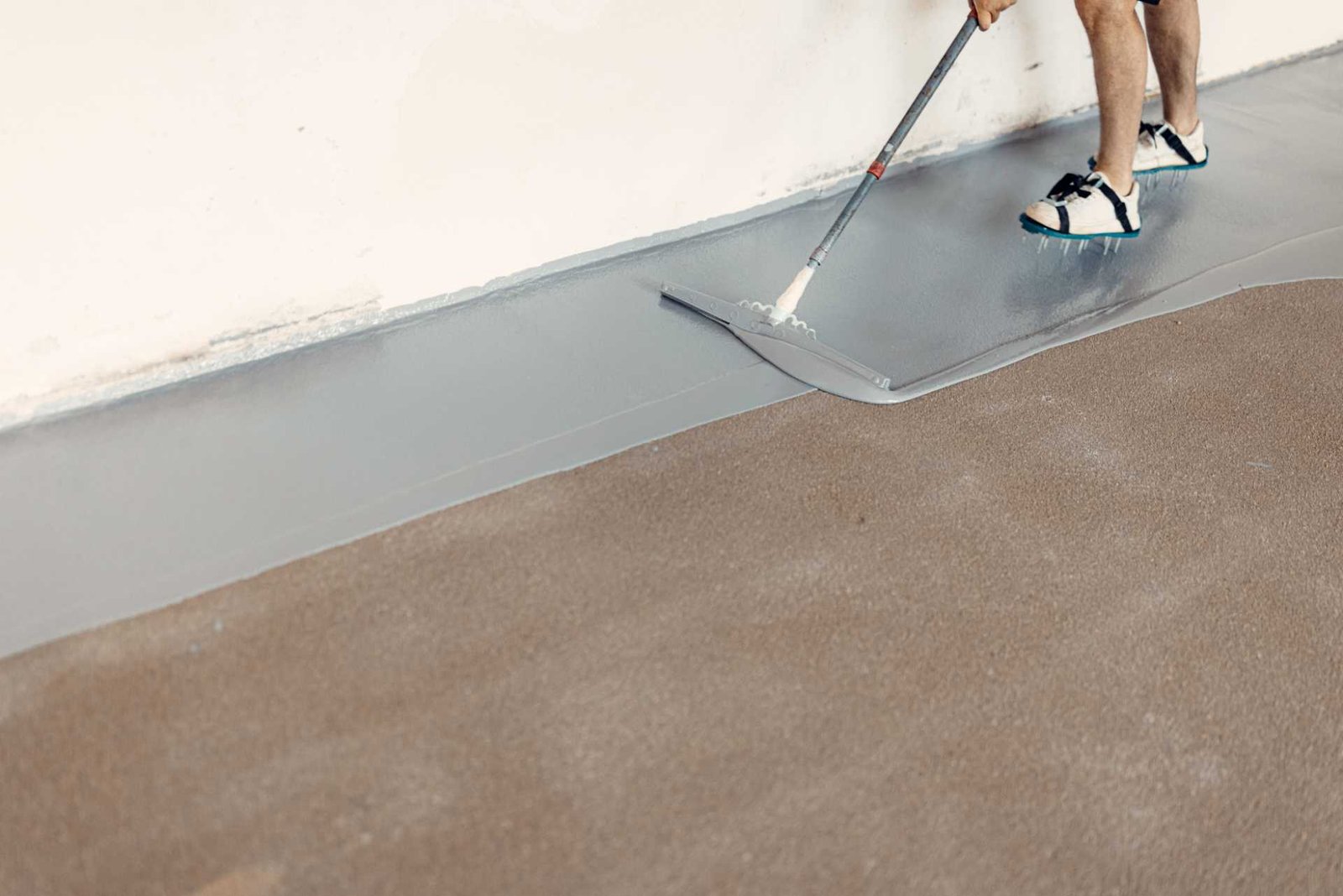
A good self-leveling compound must do more than simply flow. It needs to spread rapidly and evenly, resist segregation, maintain enough open working time, release trapped air, and harden into a dense, smooth, and durable surface ready for floor covering or direct service. Self-leveling compounds are polymer-modified cements designed to create flat, smooth surfaces with compressive strength equal to or exceeding traditional concrete.

In practical formulation work, self-leveling performance depends on the balance between rheology control, water reduction, polymer modification, defoaming, and in some systems setting control. Self-leveling underlayments are among the supported dry-mix applications, and common problems are tied to HPMC, RDP, PCE, and defoamers. HEMC is also directly stated to improve rheology and workability in self-leveling compounds.

02
Performance Targets

What a Self-Leveling Formula
Must Deliver

Smooth Flow and Automatic Leveling
A self-leveling mix must flow easily under its own weight and create a flat, even surface without excessive manual finishing. PCE improves mortar flow without segregation, enabling easy pumpability and rapid leveling.
Controlled Rheology and Workability
The system must flow, but not separate. It needs balanced rheology so the surface remains stable and consistent while still leveling well. HEMC explicitly improves rheology and workability in flooring formulations.
Reduced Segregation and Better Stability
A high-flow system can fail if the binder, fillers, and water separate during placement. PCE provides smoother behavior while defoamers address trapped air issues.
Strong Surface Finish and Low Air Entrapment
Self-leveling compounds require a dense, pinhole-free surface. Trapped air and unwanted foam reduce compactness and create voids — defoamer improves density and consistency.
Adequate Bond Strength and Durability
Polymer performance matters where adhesion, durability, and toughness are important. RDP has growing application in self-leveling mortars, linked with strength, flexibility, water resistance, and longevity.
Controlled Setting Time
Some self-leveling formulations need longer working time, while others need faster early strength. Gypsum Plaster Retarder extends working time by 30+ minutes, while Calcium Formate provides acceleration and early strength.
03
Product Package

Additives We Recommend for
Self-Leveling Compounds
Smooth cement surface floor underlayment application
1
Low-Viscosity Cellulose Ether
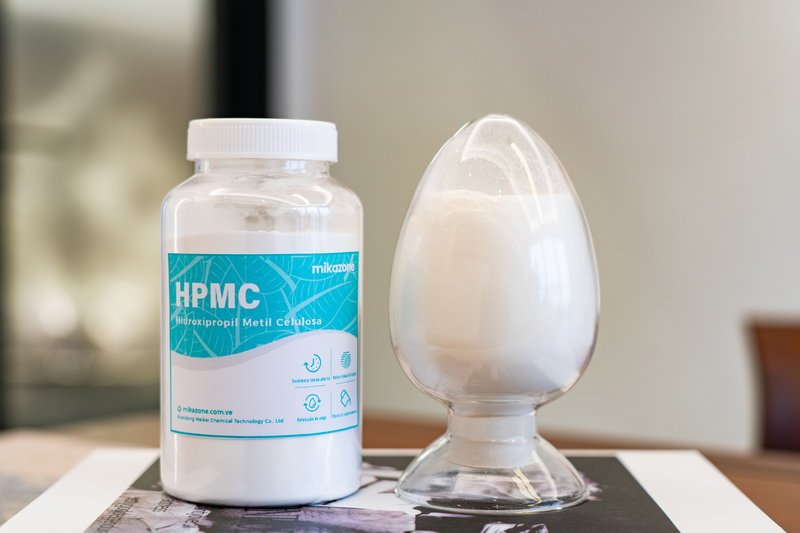
HPMC — Low-Viscosity Cellulose Ether for Flow-Controlled Systems
HPMC remains relevant in self-leveling when the goal is to control water retention and system stability without over-thickening the mix. Add water-retaining additives like HPMC to prevent drying-related cracking. MK04P / MK4P is publicly positioned for self-leveling compounds.
Best For
Water-retention support Controlled flow stability Drying-crack risk reduction Cement-based SLC systems
Related Products
Modern smooth concrete floor interior flooring system
2
Rheology & Workability Control
HEMC — Rheology and Workability Control for Flooring Formulations
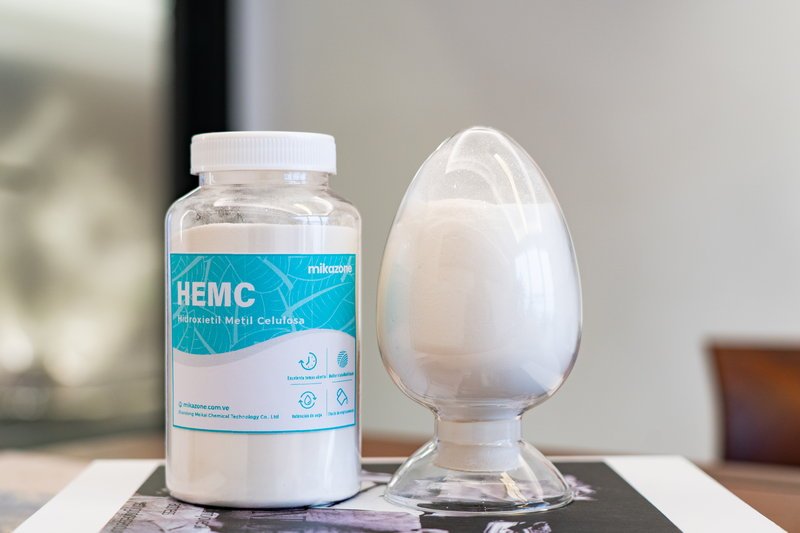
HEMC is one of the clearest cellulose-ether directions linked to self-leveling. Self-leveling compounds with MikaZone HEMC improve rheology and workability across flooring formulations — especially useful when better rheology balance, smoother workability, more controlled flow, and improved consistency are needed.
Best For
Cement-based self-leveling Flooring formulations Better rheology balance Stable flow & workability
Related Products
Durable floor surface strong adhesion polymer modified
3
Bonding, Toughness & Durability
RDP — Bonding, Toughness, and Durability Upgrade
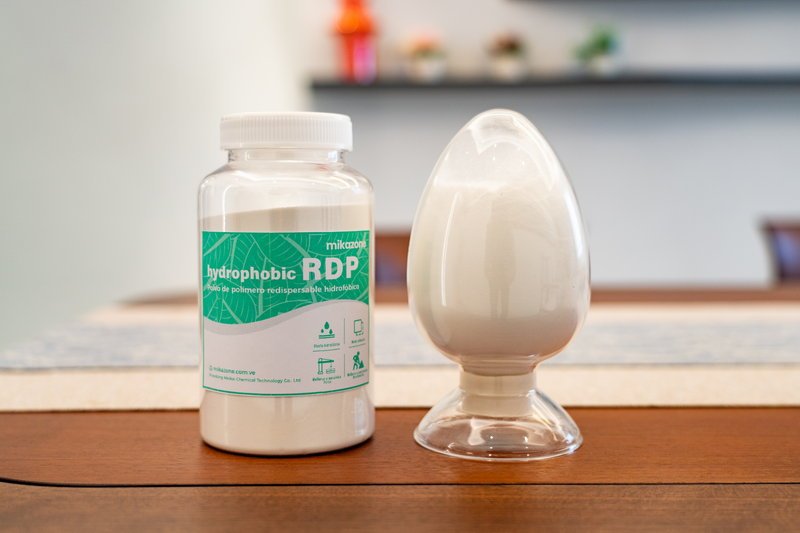
Self-leveling is defined as polymer-modified cement, and RDP application in mortars extends to self-leveling mortars. RDP connects with strength, flexibility, water resistance, and longevity — especially relevant when the system needs better adhesion, stronger final integrity, better toughness, and better long-term durability.
Best For
Polymer-modified SLC Bond-strength improvement Toughness & crack resistance Longer-term durability
Related Products
Concrete pouring flow leveling high-performance system
4
Core Water Reduction & Flow
PCE — Core Water-Reduction and Flowability Optimizer
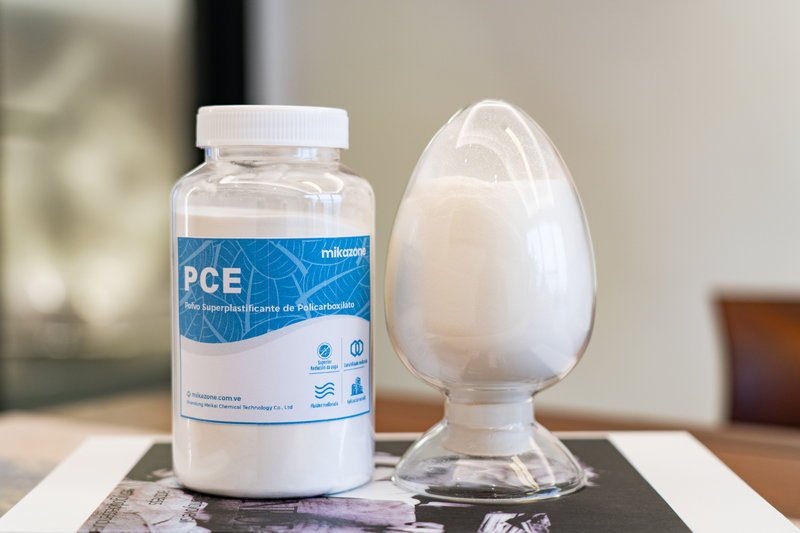
PCE is one of the most important functional additives in self-leveling systems because high flow must be achieved without excessive water. PCE emphasizes high water reduction, better flowability, and excellent slump retention — it improves mortar flow without segregation and supports rapid leveling.
Best For
Cement-based self-leveling Lower water-cement ratio Better leveling flow Higher density & strength
Related Products
Smooth dense floor surface finish without pinholes or voids
5
Air Release & Surface Finish
Defoamer Powder — Air Release and Surface Finish Improvement
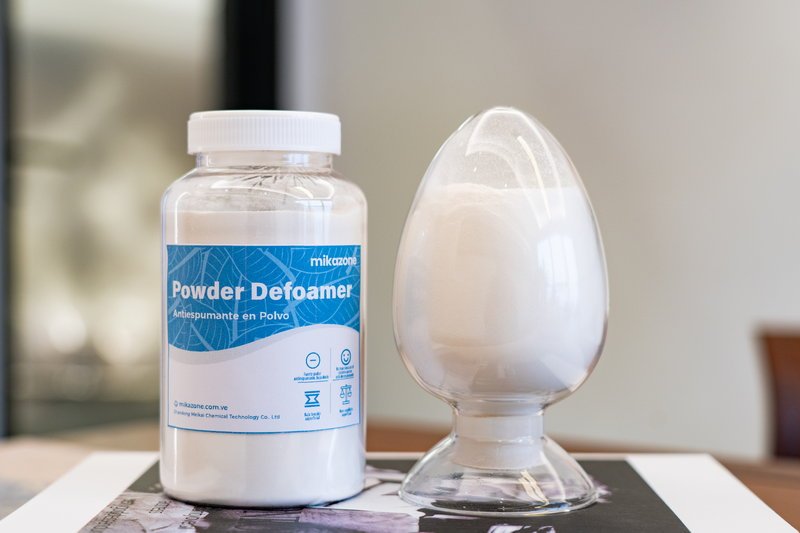
Because self-leveling surfaces must finish smooth and dense, defoamer becomes highly relevant where air entrapment creates pinholes, bubbles, or weak surface texture. Defoamer reduces trapped air, improves compactness, and ensures more uniform texture and density.
Best For
Pinhole reduction Lower entrapped air Better compactness Smoother finished surface Higher mixing consistency
Related Products
Gypsum-based floor leveling interior smooth application
6
Working-Time Extension
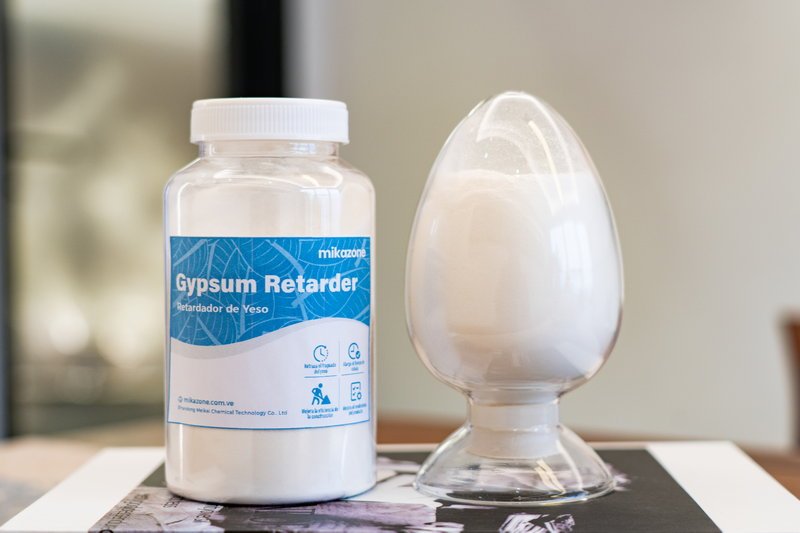
Gypsum Plaster Retarder — Working-Time Extension for Gypsum-Based SLC
For gypsum-based self-leveling compounds, setting-time control can be critical. Gypsum Plaster Retarder extends working time by 30+ minutes, allowing smooth spreading of self-leveling compounds — relevant when the gypsum system sets too quickly, a longer pouring window is needed, or machine / large-area leveling requires more open time.
Best For
Gypsum-based SLC Longer working time Better process control Stable finishing window
Related Products
Fast-track construction floor surface accelerated setting
7
Early Strength & Accelerated Set
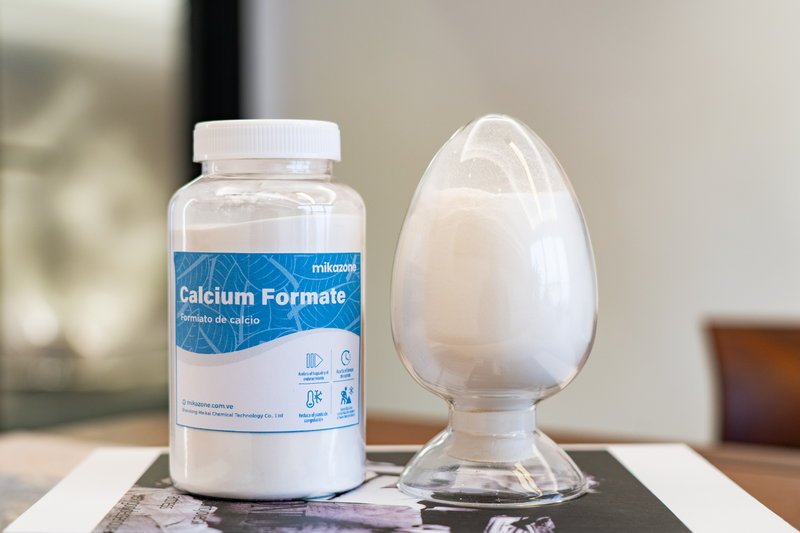
Calcium Formate — Early Strength and Accelerated Set When Needed
Calcium Formate is useful when faster early strength or quicker return-to-service is needed. It is positioned as a setting accelerator for dry-mixed mortar products, improving early strength with a general dosage of 0.5%–2% for rapid strength gain.
Best For
Fast-set self-leveling Early strength development Cold-weather use Accelerated schedules
Related Products
04
Product Architecture

Recommended Additive Package by
Self-Leveling Category

Cement-Based Self-Leveling
Generally requires a balance of PCE + cellulose ether + defoamer, with RDP added where bonding and durability need to be improved. Supported through polymer-modified cement, HEMC rheology control, PCE flowability, and defoamer air-release.
Typical Product Direction
PCE HEMC or low-visc HPMC Defoamer Optional RDP Optional Calcium Formate
Gypsum-Based Self-Leveling
Needs especially careful control of rheology and setting time. HEMC is directly linked to self-leveling workability, and Gypsum Plaster Retarder directly includes self-leveling compounds in its working-time extension claim.
Typical Product Direction
HEMC Gypsum Plaster Retarder Defoamer Optional PCE
High-Strength / Premium Self-Leveling
For premium systems requiring stronger final strength, tighter structure, and upgraded durability, the package may be expanded to include RDP together with strong water reduction and air control.
Typical Product Direction
PCE HEMC or low-visc HPMC RDP Defoamer Optional Calcium Formate
Fast-Track Self-Leveling
Where faster early strength or quicker floor covering installation is needed, accelerators become more relevant. Calcium Formate supports this early-strength route.
Typical Product Direction
PCE HEMC or low-visc HPMC Calcium Formate Defoamer Optional RDP
05
Reference Guidance

Public Reference Guidance from
MikaZone

Public MikaZone Reference Points
Self-leveling compounds are described as polymer-modified cements used to create flat, smooth surfaces.
MikaZone HEMC is explicitly said to improve rheology and workability in self-leveling flooring formulations.
PCE improves mortar flow without segregation, enabling easy pumpability and rapid leveling.
RDP is identified as increasingly relevant in self-leveling mortars in the mortar-field article.
Gypsum Plaster Retarder extends working time by 30+ minutes for self-leveling compounds.
Important Note — The indexed public pages do not expose one complete unified dosage table for every self-leveling additive. Final dosage should therefore be confirmed through raw-material review, binder system selection, and formulation trials.
06
Selection Logic

Selection Logic for
Self-Leveling Formulations

At Mandalas, we recommend self-leveling additives based on the binder system, flow targets, setting requirements, and final performance needs. Every recommendation follows a structured evaluation path.

Binder type
Flow & leveling target
Open working time
Bond strength needs
Fast set / early strength
Surface-finish quality
Pumpability / pourability
Trial feedback
Typical Recommendation Flow
1
Define whether the product is cement-based, gypsum-based, premium, or fast-track self-leveling.
2
Select the core rheology-control additive system.
3
Add PCE for water reduction and flow optimization.
4
Add defoamer to improve air release and finish quality.
5
Add RDP, retarder, or accelerator depending on durability and setting targets.
6
Validate through lab and plant trials.
Modern clean floor interior architecture with smooth concrete surface
Cement-Based · Gypsum-Based · Premium · Fast-Track
Flow · Surface · Strength · Setting Control
07
Why Choose Us

Why Choose Mandalas for
Self-Leveling Formulation Support

We do not treat self-leveling as a single-additive application. We help build a full additive package around the actual leveling, setting, surface, and strength target of your formulation.

What We Help With
Cement-Based Self-Leveling Underlayments
Flow, rheology, and water-reduction optimization.
Gypsum-Based Self-Leveling Compounds
Setting control, rheology, and open-time management.
Premium High-Strength Self-Leveling Systems
Bond strength, durability, and tighter structure.
Fast-Set / Early-Strength Self-Leveling
Accelerated schedules and quicker return-to-service.
Surface-Finish and Bubble-Control Optimization
Pinhole reduction and density improvement.
Trial Support and Formula Adjustment
Practical lab and field trial guidance with formula tuning.
What We Supply for Self-Leveling
HPMC
HEMC
RDP
PCE
Defoamer
Gypsum Plaster Retarder
Calcium Formate
Modern architecture with clean finished floor and surfaces
Complete SLC Package
7 additive categories for
every leveling challenge
08
FAQ

Self-Leveling
FAQ

There is usually no single additive. Self-leveling performance depends on a combination of polymer modification, rheology control, flowability optimization, and air-release control working together.
MikaZone's public HEMC page directly states that HEMC improves rheology and workability in self-leveling flooring formulations.
Because self-leveling systems need strong flow without excessive water. PCE improves mortar flow without segregation and supports lower water-cement ratios for better density and strength.
Not always, but self-leveling compounds are polymer-modified cements and RDP applications extend into self-leveling mortars where stronger performance is needed — including better bonding, toughness, and durability.
Yes. We can suggest a practical starting range based on your binder system, target flow, setting window, and final performance needs. Contact our technical team for a tailored recommendation.
09
Get Started

Need the right additive package for your
self-leveling formulation?

Tell us whether you are developing a cement-based, gypsum-based, premium, or fast-track self-leveling system. We'll recommend the right product combination and starting selection logic to help you begin trials faster and reach stable results sooner.

1 Chat with us