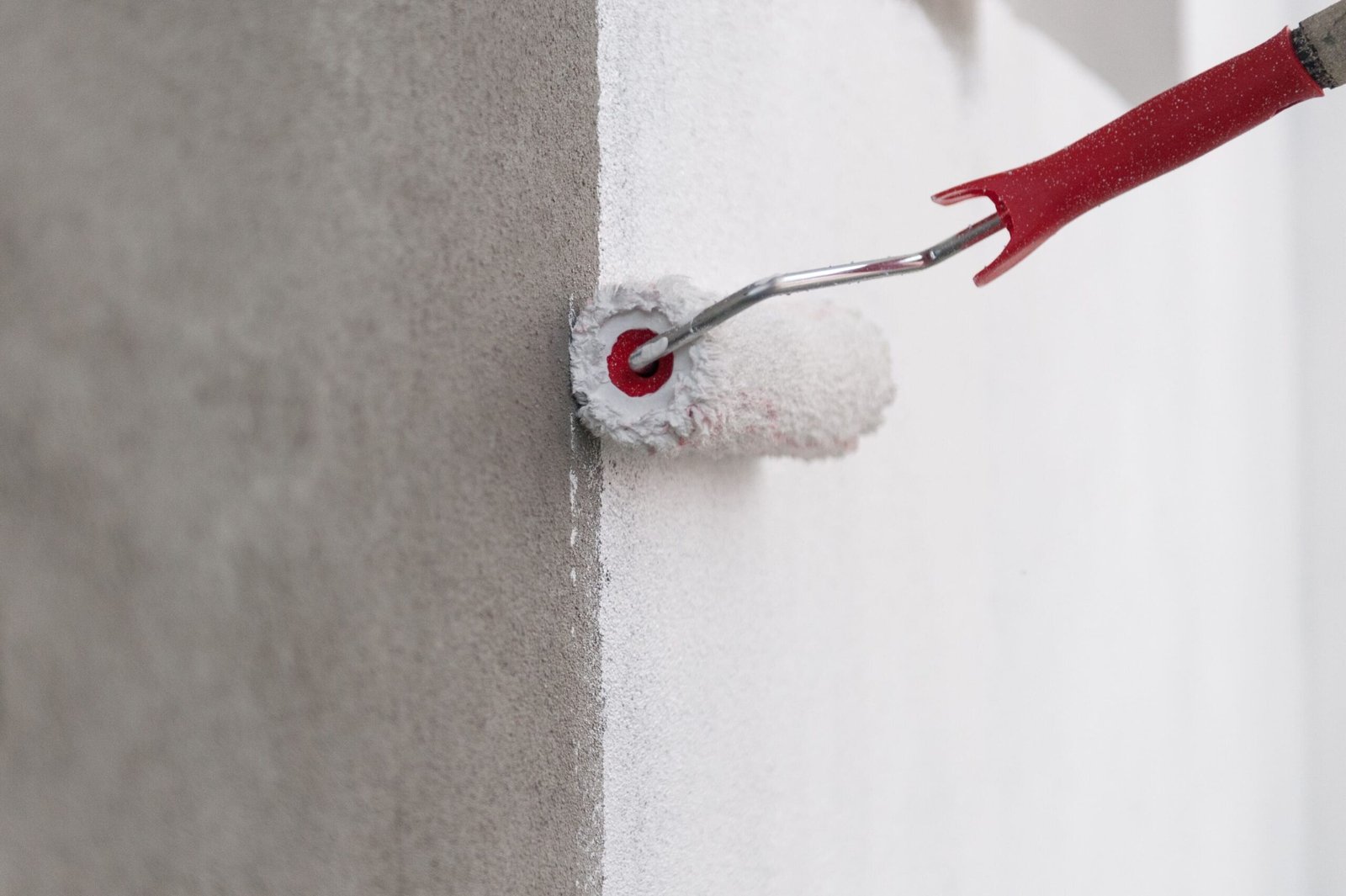
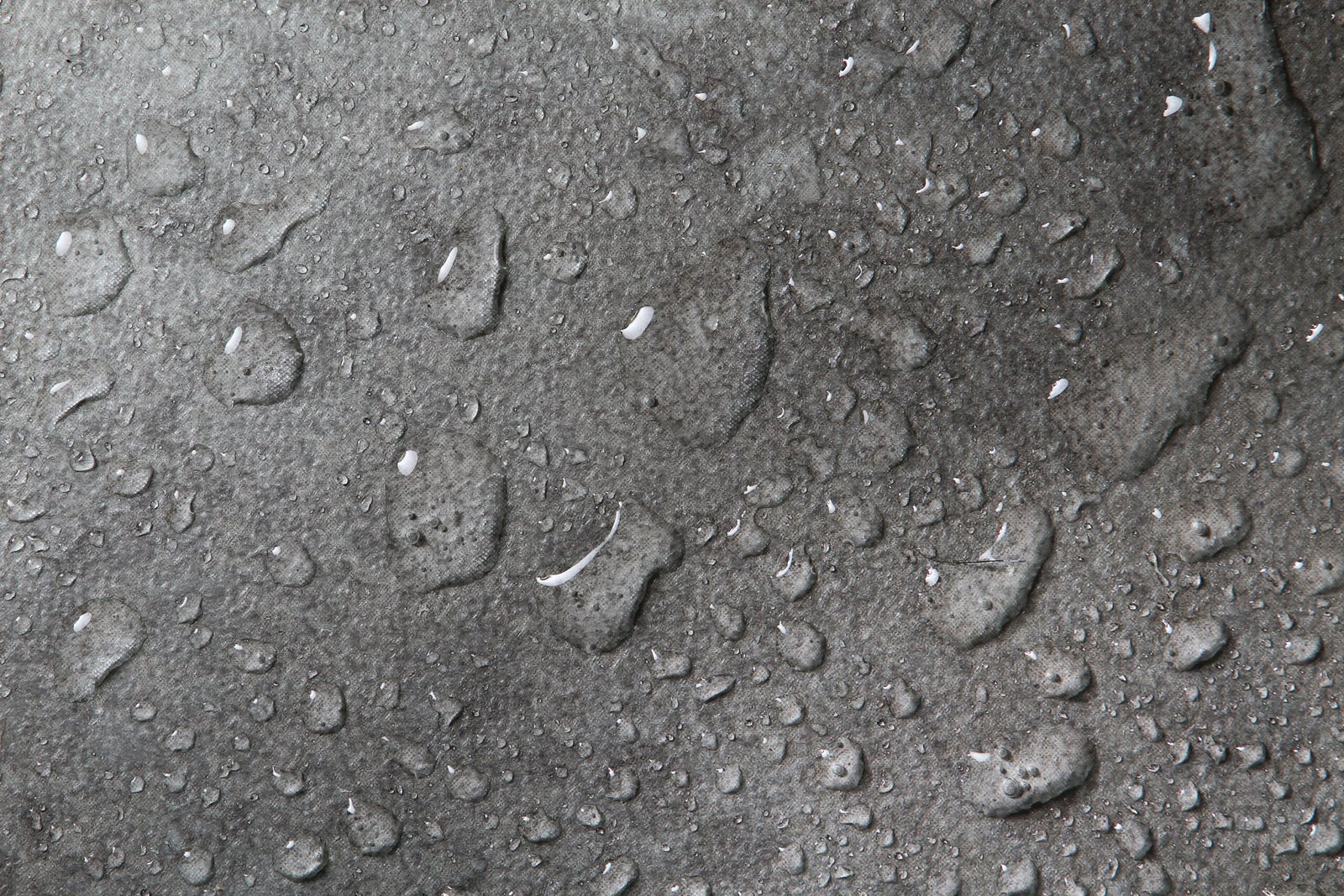
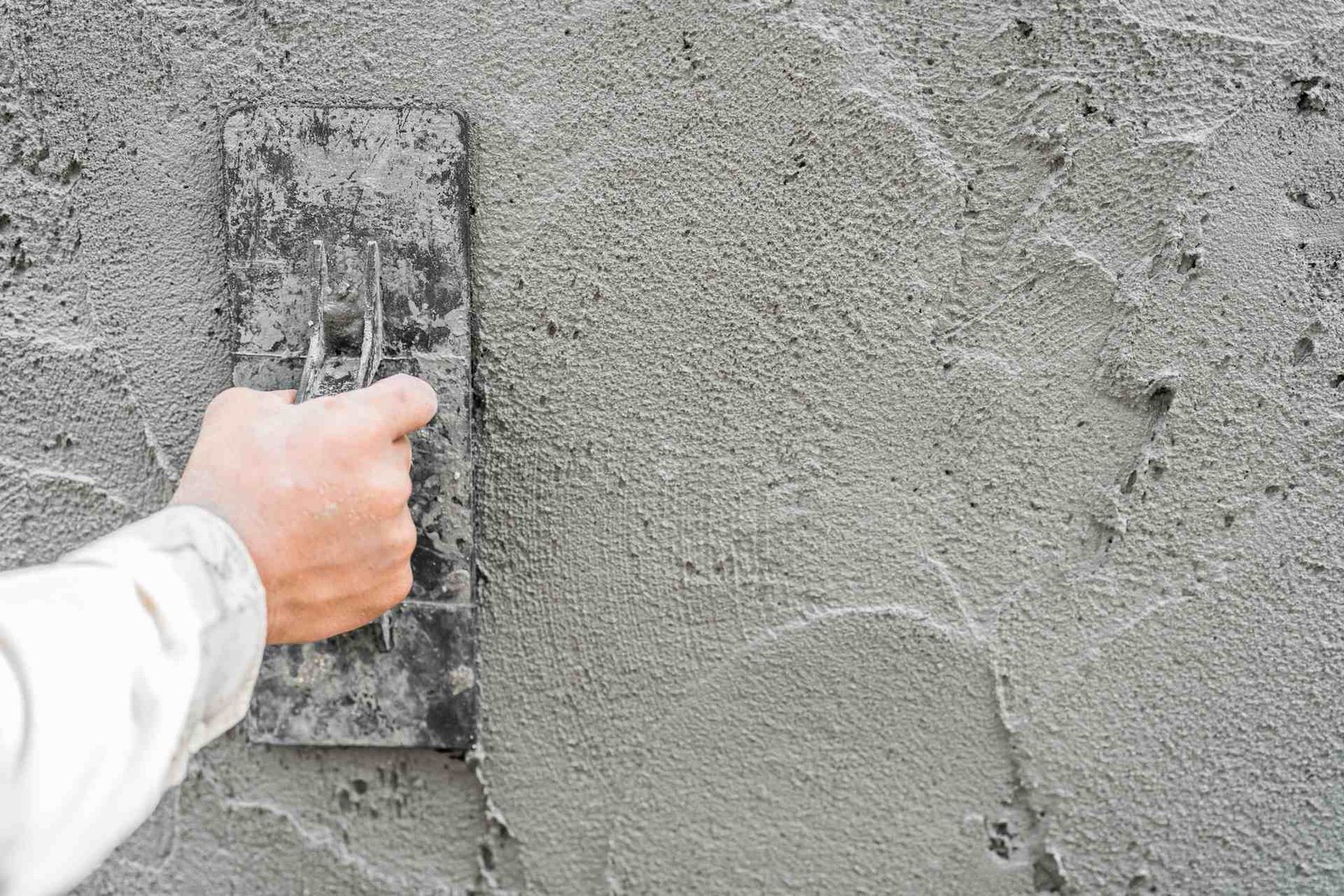
Water droplets on surface — moisture control and waterproofing performance

Waterproofing
Solutions

Performance-driven additive solutions for waterproofing systems that require lower water absorption, stronger substrate adhesion, better workability, denser structure, and long-term resistance to moisture ingress.

Why This Solution
Waterproofing System Coverage
Suitable for cement-based waterproof mortars, polymer-modified waterproofing systems, and selected water-based waterproof coatings.
Ether, Polymers & Functional Additives
Built around cellulose ether, polymer modifiers, water reducers, and selected functional additives for balanced fresh-state and hardened-state performance.
Local Support in Venezuela
Local recommendation, supply coordination, and technical support available in Venezuela.
Low Water Absorption
Strong Adhesion
Workability
Dense Structure
Moisture Resistance
Explore

Section 1 — What Makes a Good Waterproofing System?

Built for Dense Structure, Strong Adhesion, and Long-Term Moisture Protection

A good waterproofing system must do more than resist water on the surface. It needs to form a dense, low-porosity structure, bond securely to the substrate, stay workable during application, and maintain long-term integrity under wet-service conditions. MikaZone’s waterproof mortar additive guide explicitly frames waterproof performance around the interaction of HPMC, RDP, and PCE, noting that these additives improve water retention, polymer film formation, density, and overall waterproofing reliability.

In real formulation work, waterproofing performance is usually achieved through a system package, not a single additive. Standard cementitious waterproof mortars often rely on HPMC + RDP + PCE, while more specialized systems may also require silicone hydrophobic powder for stronger water repellency, defoamer for reduced porosity, Calcium Formate for faster set, or HEC in water-based waterproof coating systems. MikaZone’s public waterproofing, wall putty, HEC, and defoamer materials support this broader application logic.

Water control and moisture barrier — waterproofing performance concept

Moisture-facing systems need dense matrix, adhesion, and coordinated additive packages.

Section 2 — Key Performance Targets in Waterproofing Systems

What a Waterproofing Formula Must Deliver

Each target maps to how formulators combine cellulose ethers, polymers, PCE, and specialty additives.

Low Water Absorption and Reduced Permeability

The core purpose of waterproofing is to reduce water ingress. MikaZone’s waterproof mortar article states that high-performance waterproof systems depend on additives that reduce permeability and create a more protective internal structure. Its waterproof wall putty article similarly emphasizes reduced water absorption and moisture resistance as the key difference between waterproof and normal wall systems.
Strong Substrate Adhesion

A waterproofing layer must remain bonded to the substrate over time. MikaZone’s waterproof mortar guide highlights RDP as a key additive for improved adhesion and film continuity, while its waterproof wall putty article calls RDP the cornerstone of waterproofing and flexibility.

Stable Workability and Water Retention

A waterproofing formulation still needs to be easy to spread, brush, trowel, or coat. MikaZone explicitly identifies HPMC as the additive that ensures workability and water retention in waterproof mortar and waterproof wall putty systems.

Dense Matrix and Lower Porosity

MikaZone repeatedly connects PCE with lower water demand, denser structure, and improved durability. In its waterproof wall putty article, it specifically says that PCE helps create denser, less porous structures.

Water Repellency and Moisture Barrier Performance

For higher-end waterproofing, hydrophobicity becomes more important. MikaZone’s public content supports silicone hydrophobic powder as the dry-mix hydrophobic additive and describes waterproof systems as depending on additives that reduce water penetration.

Low Foam and Fewer Surface Defects

Entrapped air can create pores, weak spots, and finish defects in waterproof systems. MikaZone’s defoamer page explains that defoamer powders reduce trapped air and improve compactness and surface quality across relevant systems.

Controlled Setting Time When Needed

Some waterproofing systems need faster set or earlier strength development. MikaZone’s waterproof mortar article references rapid-setting formulations for challenging conditions, and its broader additive system includes Calcium Formate for acceleration-type performance in dry-mix systems.

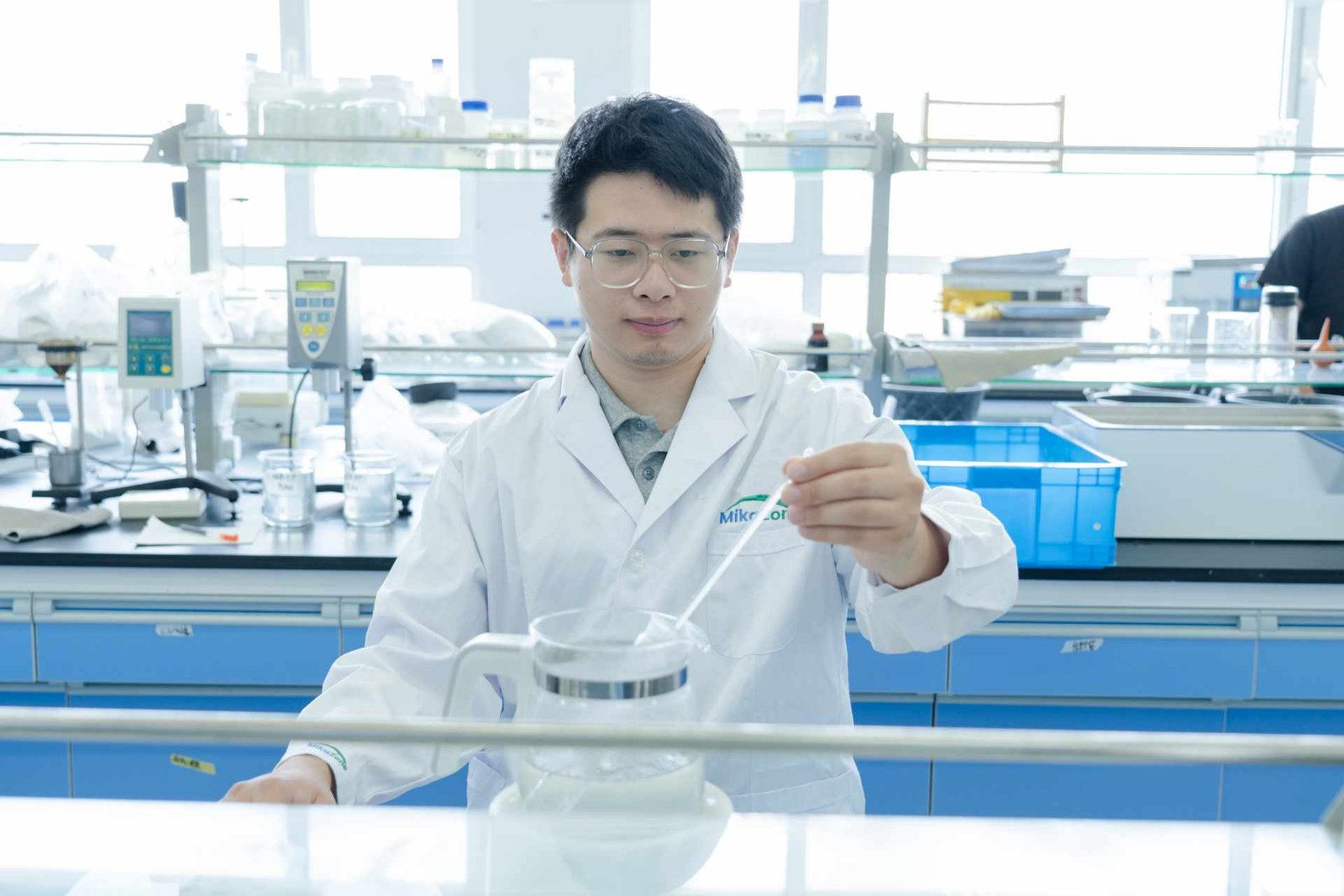
Laboratory glassware — water-based coating viscosity

Stable Viscosity in Water-Based Waterproof Coatings

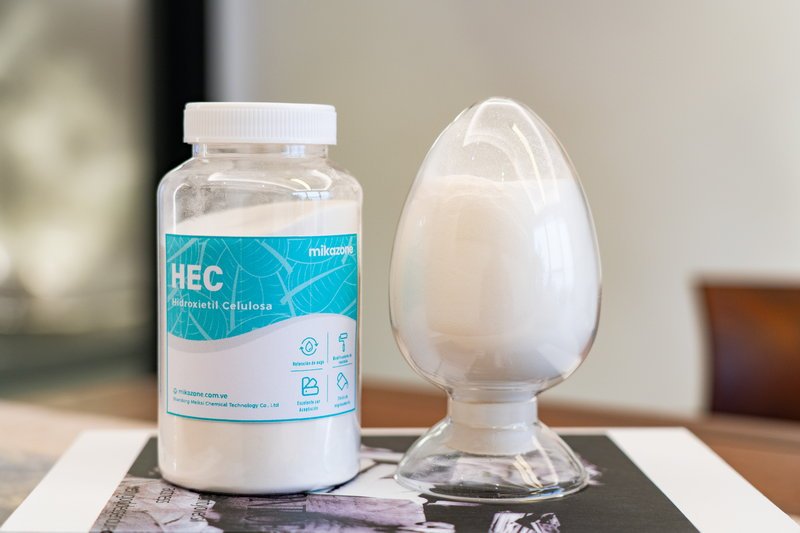
For water-based waterproof coatings, viscosity control and coating stability matter as much as substrate protection. MikaZone’s HEC public materials position HEC as a thickener and stabilizer for water-based coatings and paints, which is directly relevant to water-based waterproof coating formulations.

Section 4 — Suggested Product Architecture by Waterproofing Type

Recommended Additive Package by Waterproofing Category

Planning formulation and additive package selection

Match system type to HPMC/HEMC + RDP + PCE core, then layer specialty additives.

Cement-Based Waterproof Mortar

For standard cementitious waterproof mortars, MikaZone’s public guidance most directly supports a HPMC + RDP + PCE core package.

Typical product direction

Water-Repellent Waterproof Mortar

Where stronger water repellency is needed, silicone hydrophobic powder becomes a useful upgrade alongside the core waterproofing package.

Typical product direction

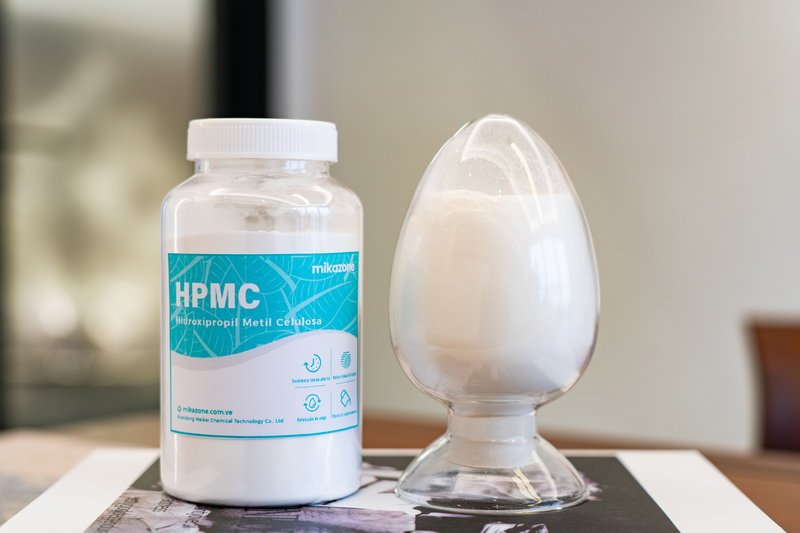
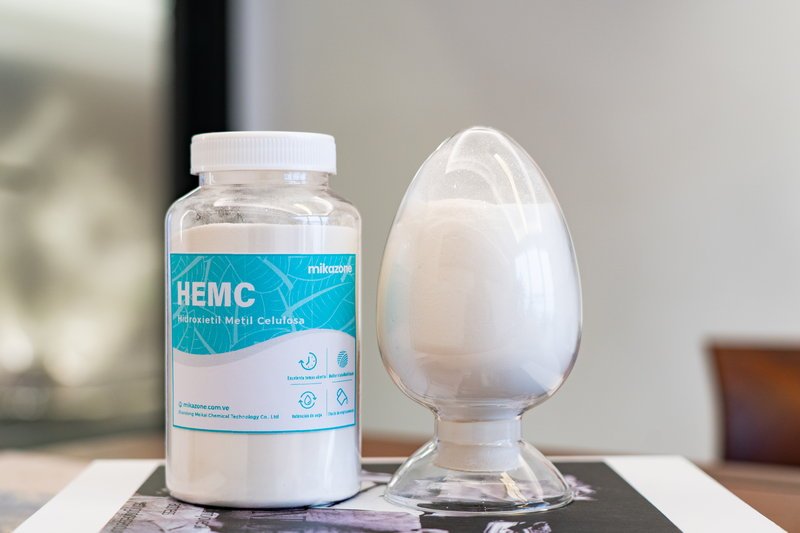
HPMC or HEMCRDPPCESilicone Hydrophobic PowderOptional Defoamer

Flexible / Polymer-Modified Waterproofing

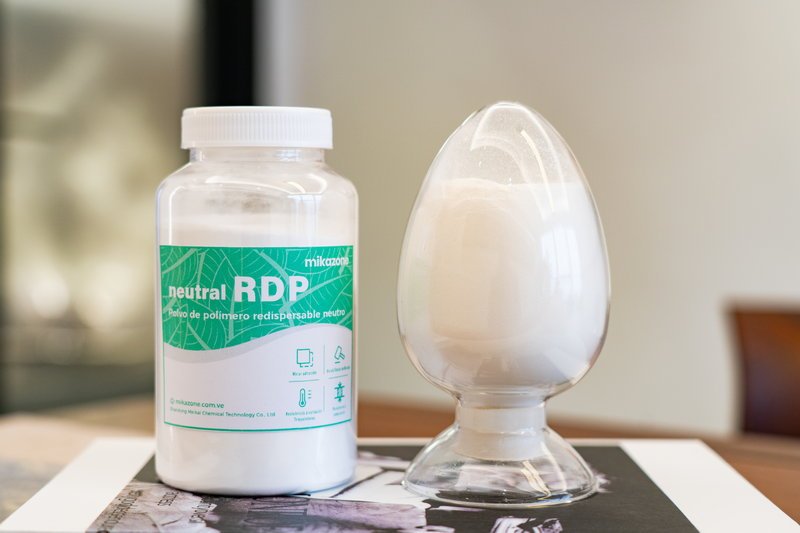
Where flexibility and crack resistance are priorities, RDP becomes even more central. MikaZone’s public waterproofing language strongly supports RDP as the waterproof film-forming and flexibility-enhancing component.

Typical product direction

HPMC or HEMCRDPPCEOptional Silicone Hydrophobic PowderOptional Defoamer

Fast-Set Waterproofing System

For faster turnaround or more demanding conditions, Calcium Formate can be introduced to support earlier set and early strength.

Typical product direction

HPMC or HEMCRDPPCECalcium FormateOptional Defoamer

Water-Based Waterproof Coating

For water-based waterproofing products, the additive package shifts toward HEC as the core thickener, with defoamer and other modifiers added as needed for finish and stability.

Typical product direction

HECOptional PVAOptional DefoamerOptional HPMC / HEMC

Section 5 — Public Reference Guidance

Public Reference Guidance from MikaZone

Public MikaZone Reference Points

Core waterproof mortar package: HPMC + RDP + PCE are explicitly identified by MikaZone as essential waterproof mortar additives.

Waterproof wall putty logic: high-grade RDP forms a waterproof film, HPMC ensures workability and water retention, and PCE reduces water demand for denser, less porous structures.

HEC direction: HEC is positioned by MikaZone for water-based coatings and paints, with viscosity/stability support relevant to water-based waterproof coatings.

Defoamer direction: MikaZone’s defoamer powders are also positioned for paints & coatings, which supports their relevance in water-based waterproof coating systems as well as cementitious mixes.

Important Note

The indexed public pages in this pass do not expose one complete unified dosage table for every waterproofing additive. Final dosage should therefore be confirmed through binder choice, solids content, waterproofing target, and formulation trials.

Technical documentation and specification review

Cross-check public guidance with your binder system and trial data.

Section 6 — How We Recommend the Right Waterproofing Package

Selection Logic for Waterproofing Formulations

At Mandalas, we recommend waterproofing additives based on system type (cement-based mortar or water-based coating), performance needs (standard, hydrophobic, flexible, fast-set), binder and filler structure, viscosity and workability, lower water demand, water repellency, foam behavior, and trial feedback.

1

Define whether the product is a cementitious waterproof mortar, flexible waterproofing system, hydrophobic waterproof mortar, or water-based waterproof coating.

2

Select the core rheology and workability additive.

3

Add RDP and PCE where the system requires stronger waterproofing structure and lower porosity.

4

Add hydrophobic powder, defoamer, Calcium Formate, or HEC according to the specific performance gap.

5

Validate through lab and production trials.

Laboratory trials and formulation validation

From system definition to validated production performance.

Section 7 — Why Choose Our Waterproofing Additive Solutions

Why Choose Mandalas for Waterproofing Formulation Support

We help build a full additive package around the actual waterproofing target of your system, instead of recommending one product in isolation.

What We Help With

  • Cement-based waterproof mortars
  • Water-repellent waterproof systems
  • Flexible polymer-modified waterproofing
  • Fast-set waterproofing systems
  • Water-based waterproof coatings
  • Trial support and formula adjustment

What We Supply for Waterproofing Applications

  • HPMC
  • HEMC
  • RDP
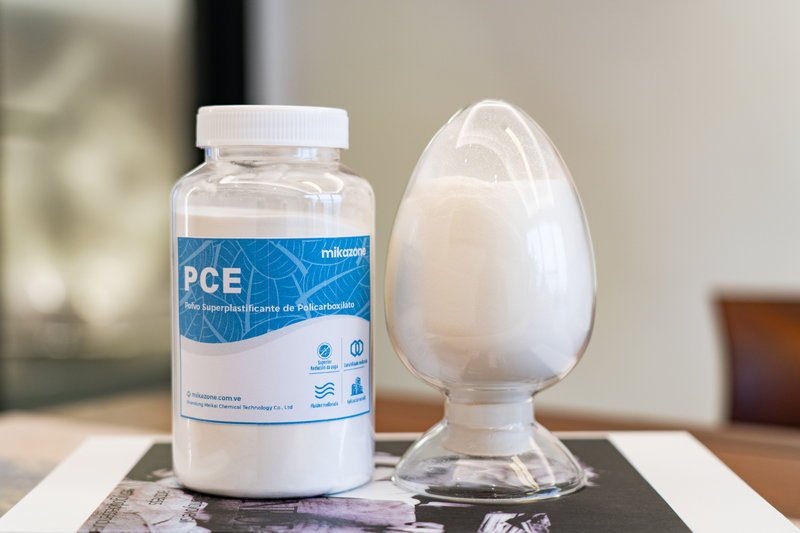
  • PCE
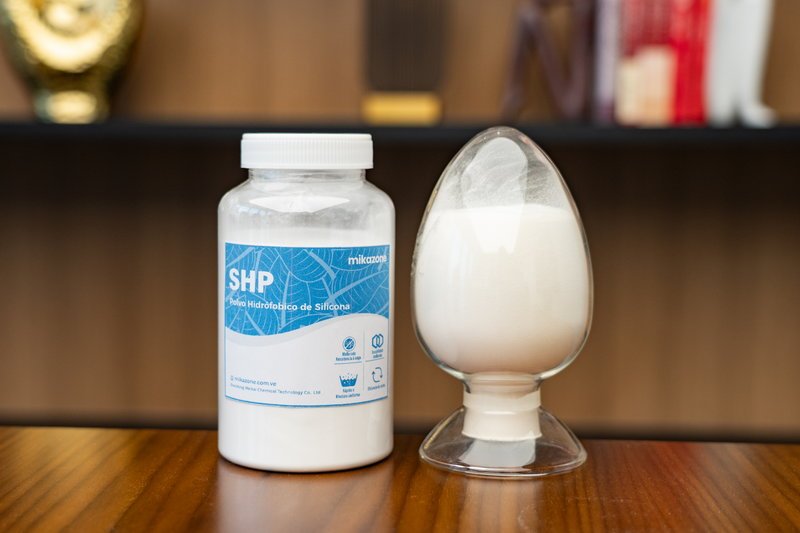
  • Silicone Hydrophobic Powder
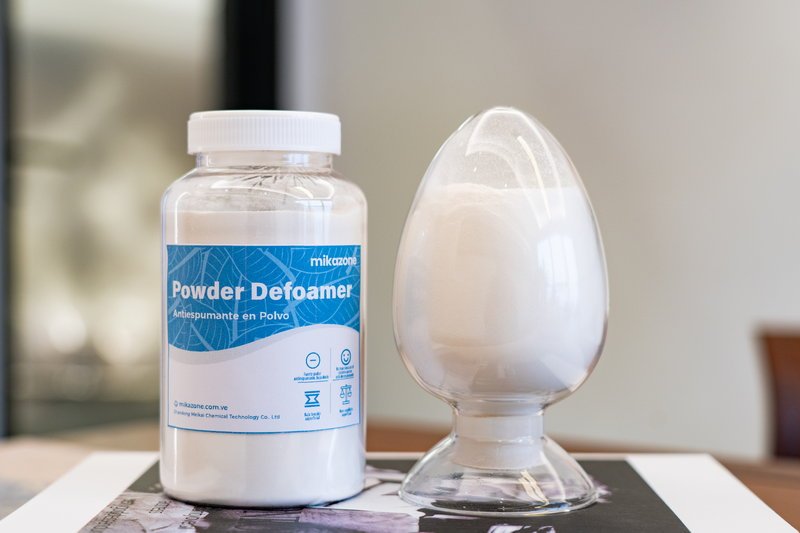
  • Defoamer
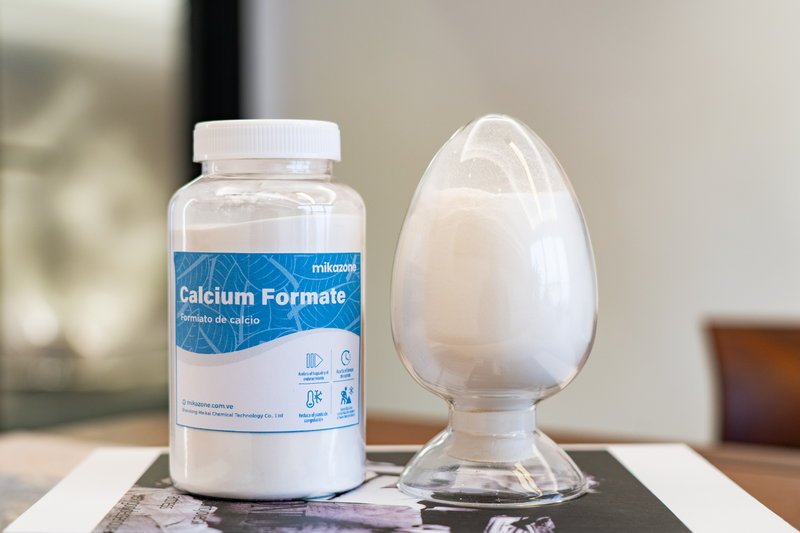
  • Calcium Formate
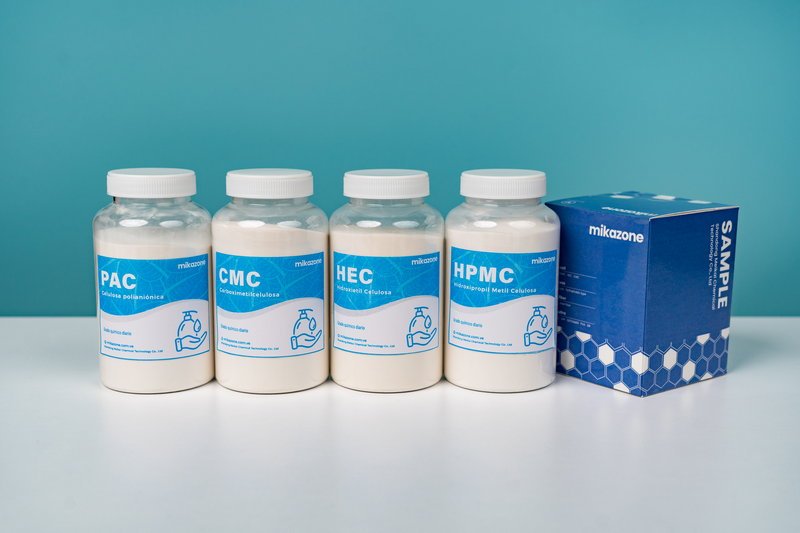
  • HEC
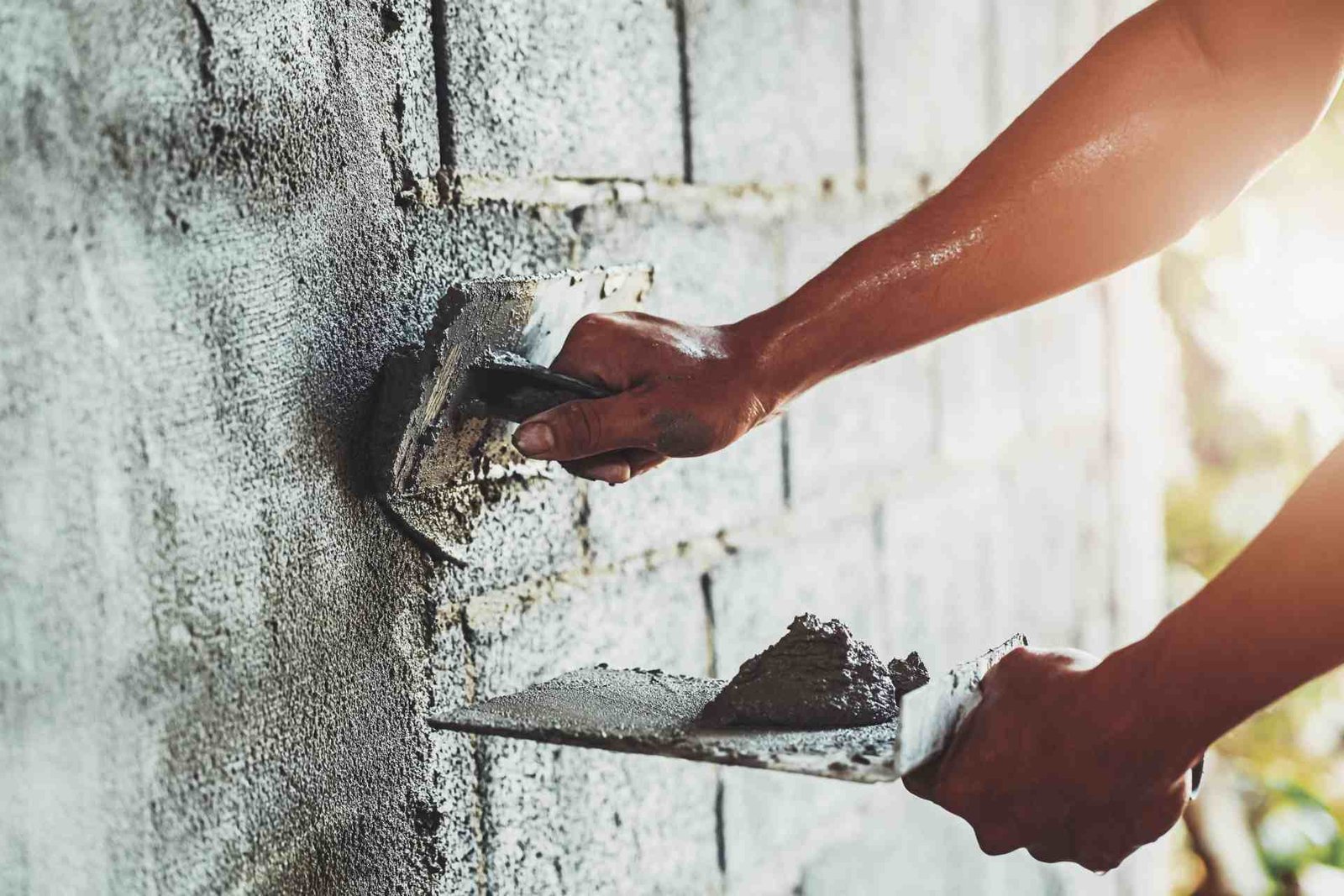
Construction and building envelope — waterproofing applications

End-to-end support from additive selection to field-relevant trials.

Section 8 — FAQ

Waterproofing FAQ

Q1: What are the most important additives in cement-based waterproofing?

MikaZone’s dedicated waterproof mortar guide explicitly identifies HPMC, RDP, and PCE as the core additive families for high-performance waterproofing systems.

Q2: Why is RDP important in waterproofing?

Because MikaZone publicly describes RDP as the polymer that forms a waterproof film, improves adhesion, and adds flexibility and toughness in waterproof systems.

Q3: Which product is most relevant for water-based waterproof coatings?

In your current product line, HEC is the most direct viscosity-control additive for water-based waterproof coatings, because MikaZone publicly positions it for water-based coatings and paints.

Q4: Can waterproofing systems also need defoamer?

Yes. Where trapped air creates porosity, pinholes, or weak surface quality, defoamer becomes relevant in both mortar and coating-type waterproofing systems.

Q5: Can you recommend dosage ranges?

Yes. We can suggest a practical starting range based on your waterproofing type, binder system, and performance target.

Section 9 — Closing CTA

Need the right additive package for your waterproofing system?

Tell us whether you are developing a cement-based waterproof mortar, flexible waterproofing system, hydrophobic waterproof mortar, or water-based waterproof coating. We’ll recommend the right product combination and starting selection logic to help you begin trials faster and reach stable results sooner.

1 Chat with us