
HPMC
Hydroxypropyl Methyl Cellulose
High-performance HPMC solutions for dry-mix and selected construction systems — designed to improve water retention, workability, open time, sag resistance, and application consistency.
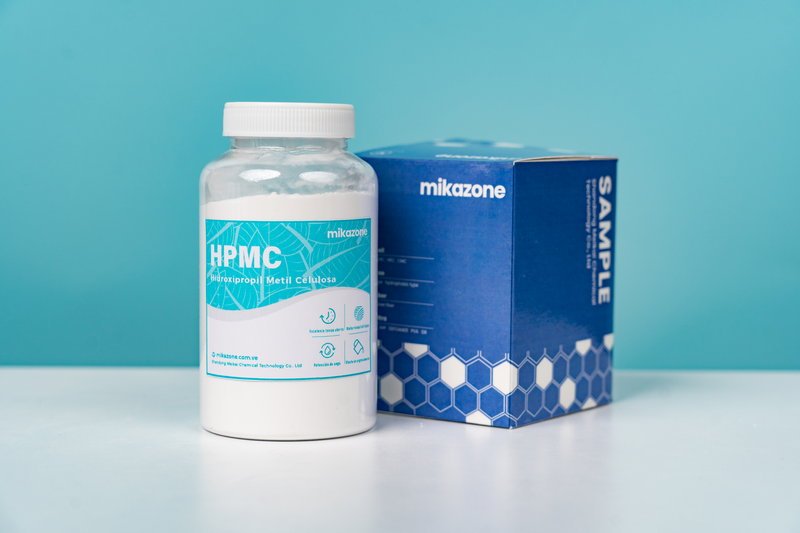
What Is HPMC?
Hydroxypropyl Methyl Cellulose — a semisynthetic, non-ionic cellulose ether that has become the go-to additive for controlling performance in dry-mix construction systems worldwide.
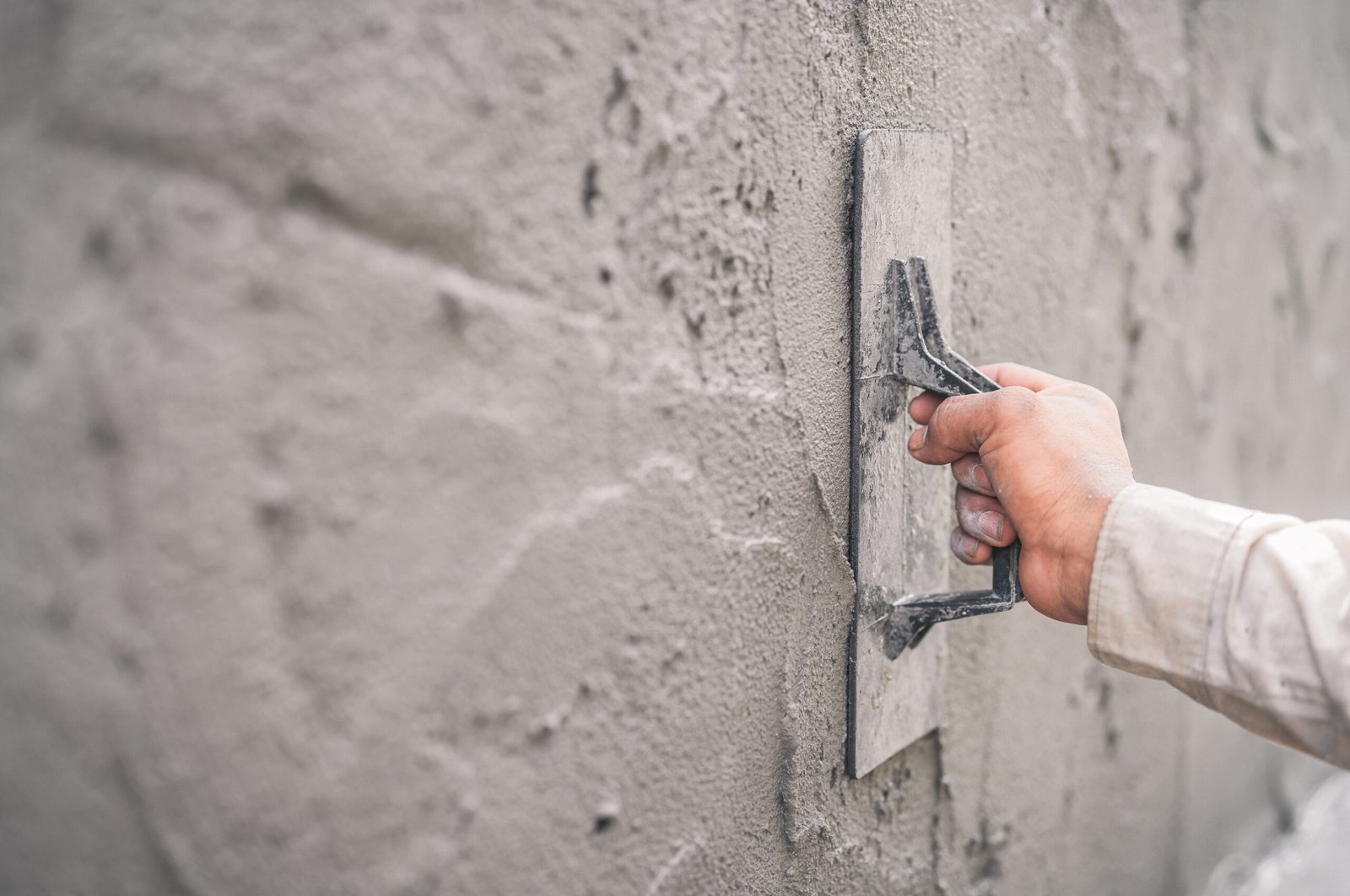
The Primary Functional Additive for Construction Mixes
Hydroxypropyl Methyl Cellulose (HPMC) is one of the core cellulose ether product families used in construction materials. It is widely selected to control water retention, viscosity, workability, open time, and application consistency in cement-based and gypsum-based systems.
In practical use, HPMC helps manufacturers and applicators improve how a mix behaves during mixing, spreading, leveling, and curing. The right grade makes a formulation easier to apply, more stable during working time, and more predictable across different jobsite and production conditions.
Why HPMC Is Critical in
Construction Formulations
HPMC is not just a thickener. In construction systems, it acts as a performance-control additive that directly influences how the product behaves during application and early curing.
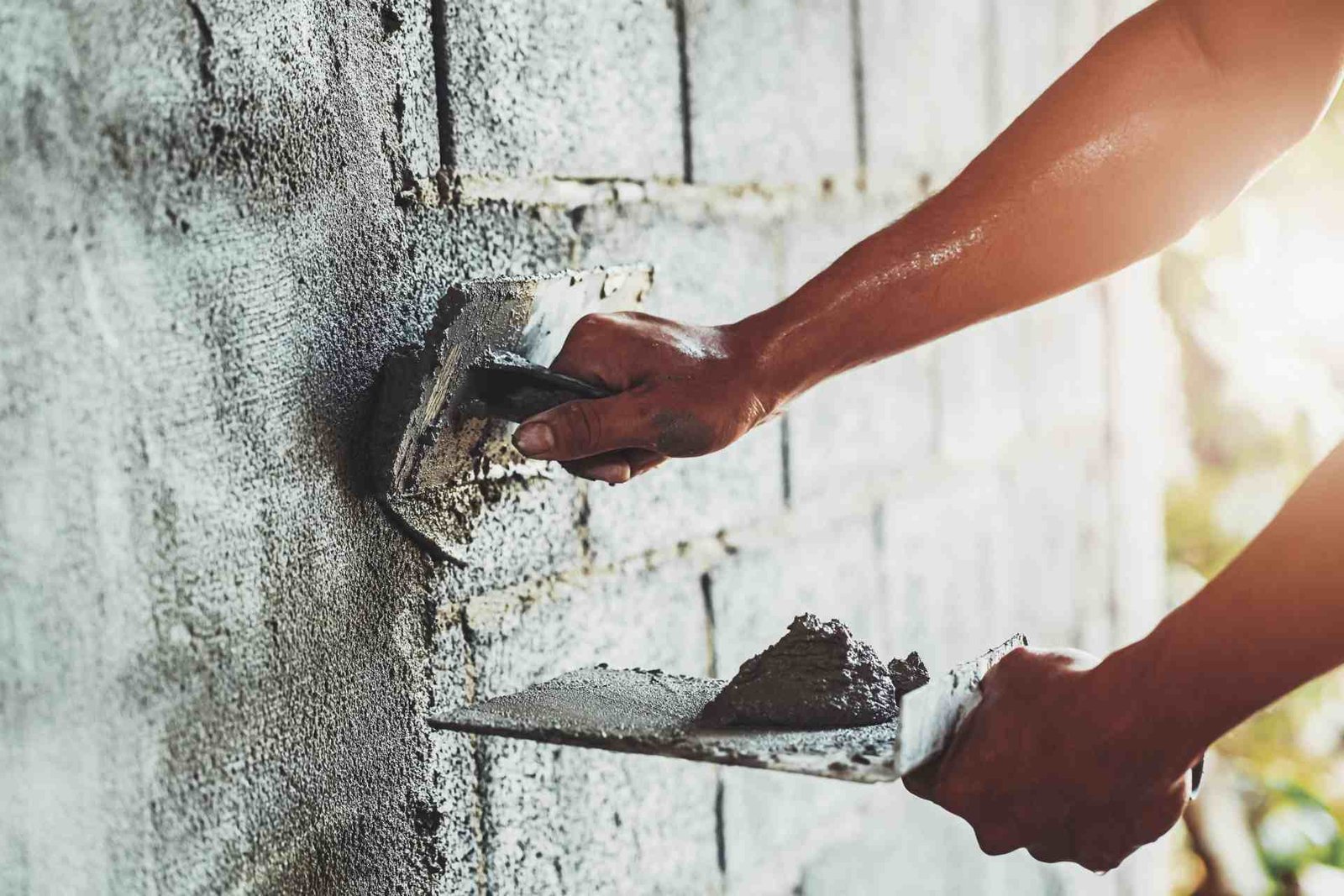
Improved Water Retention
Supports more stable cement or gypsum hydration by slowing water loss during application. MikaZone highlights water retention as a core HPMC performance attribute across its HPMC and tile adhesive content.
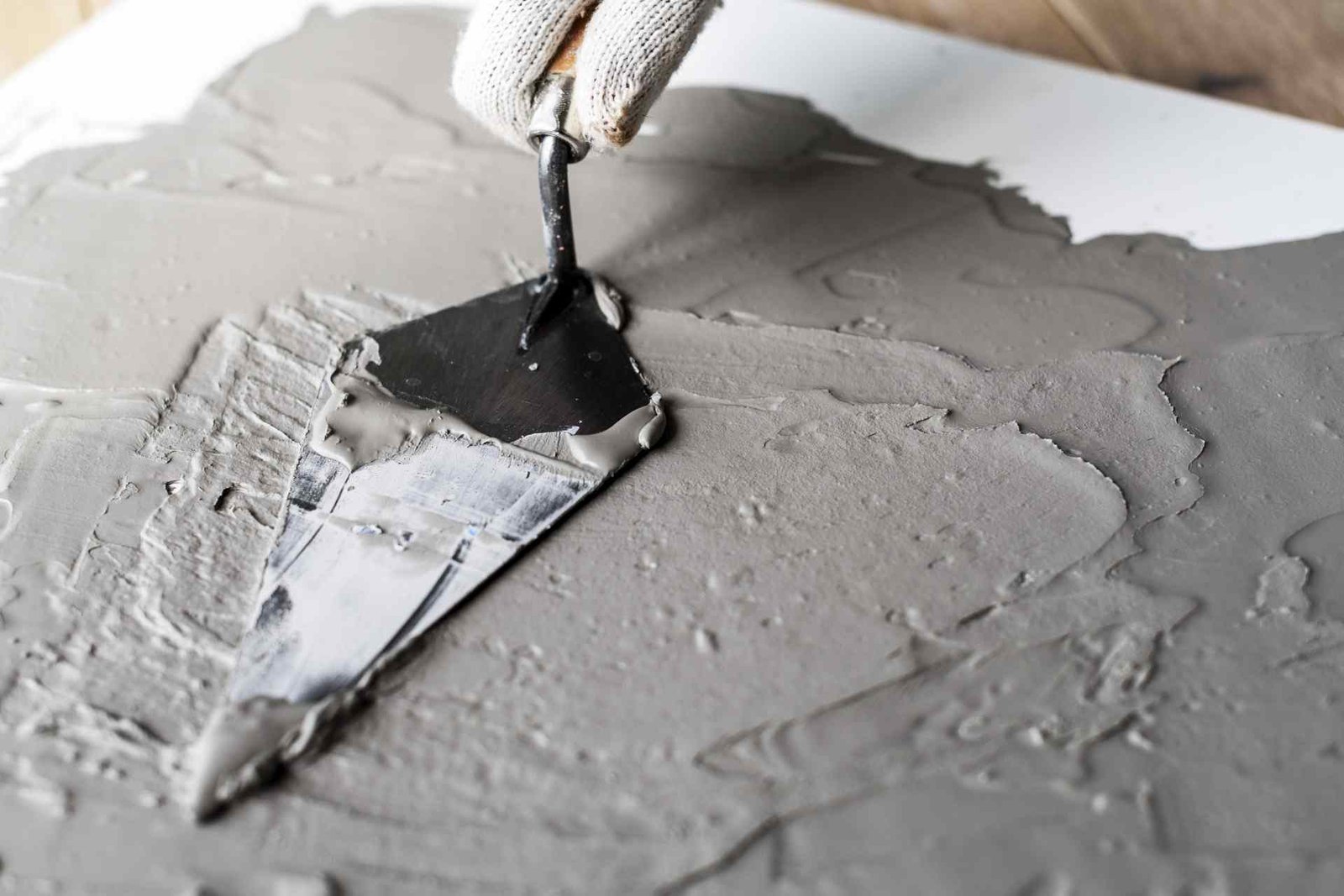
Better Workability
Improves spreading, troweling, and overall application feel, helping the formulation remain smoother and easier to handle during on-site use.
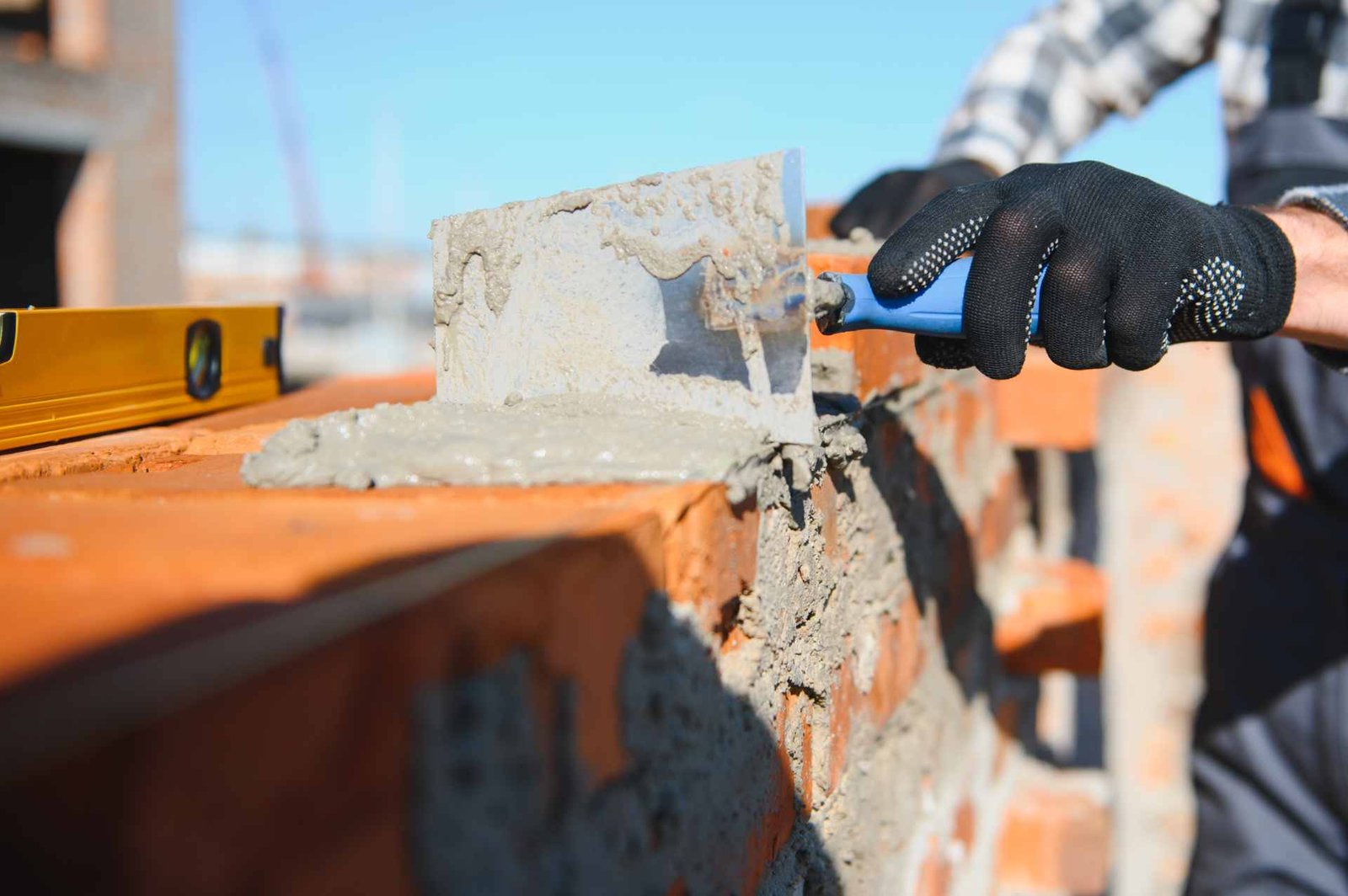
Extended Open Time
Particularly important in tile adhesive systems, where a longer workable window improves installation efficiency and reduces material waste on site.
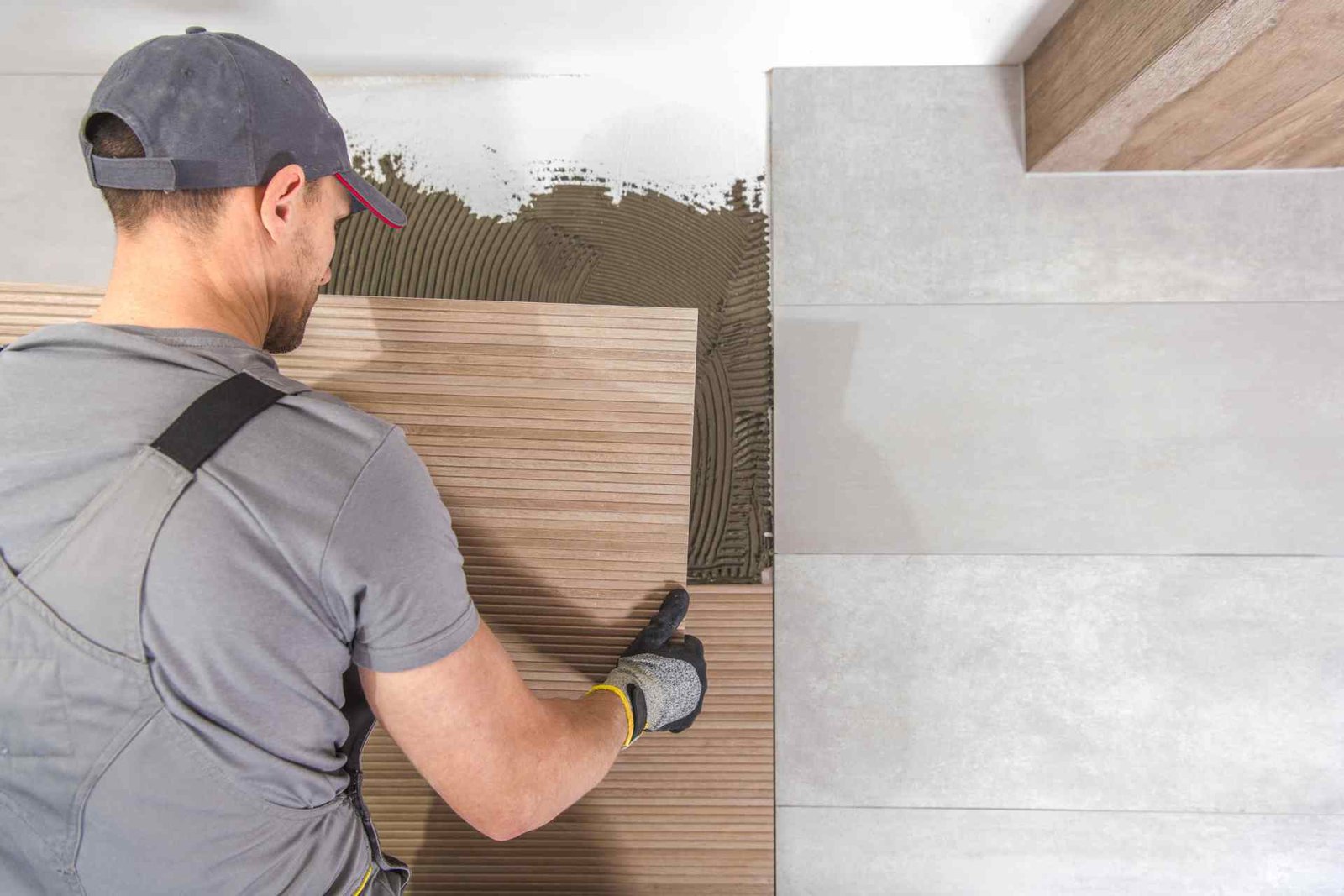
Enhanced Sag Resistance
Helps reduce slipping and sagging in vertical tile and mortar applications. MikaZone explicitly highlights sag resistance for tile adhesive and ETICS-related uses.

Consistent Finish and Surface Quality
Suitable grades can improve application consistency and reduce surface problems in putty and plaster systems — fewer hollowing, cracking, peeling, or shedding issues.
Typical Applications of HPMC
Select an application to see how HPMC contributes to formulation performance and which grades are typically recommended.
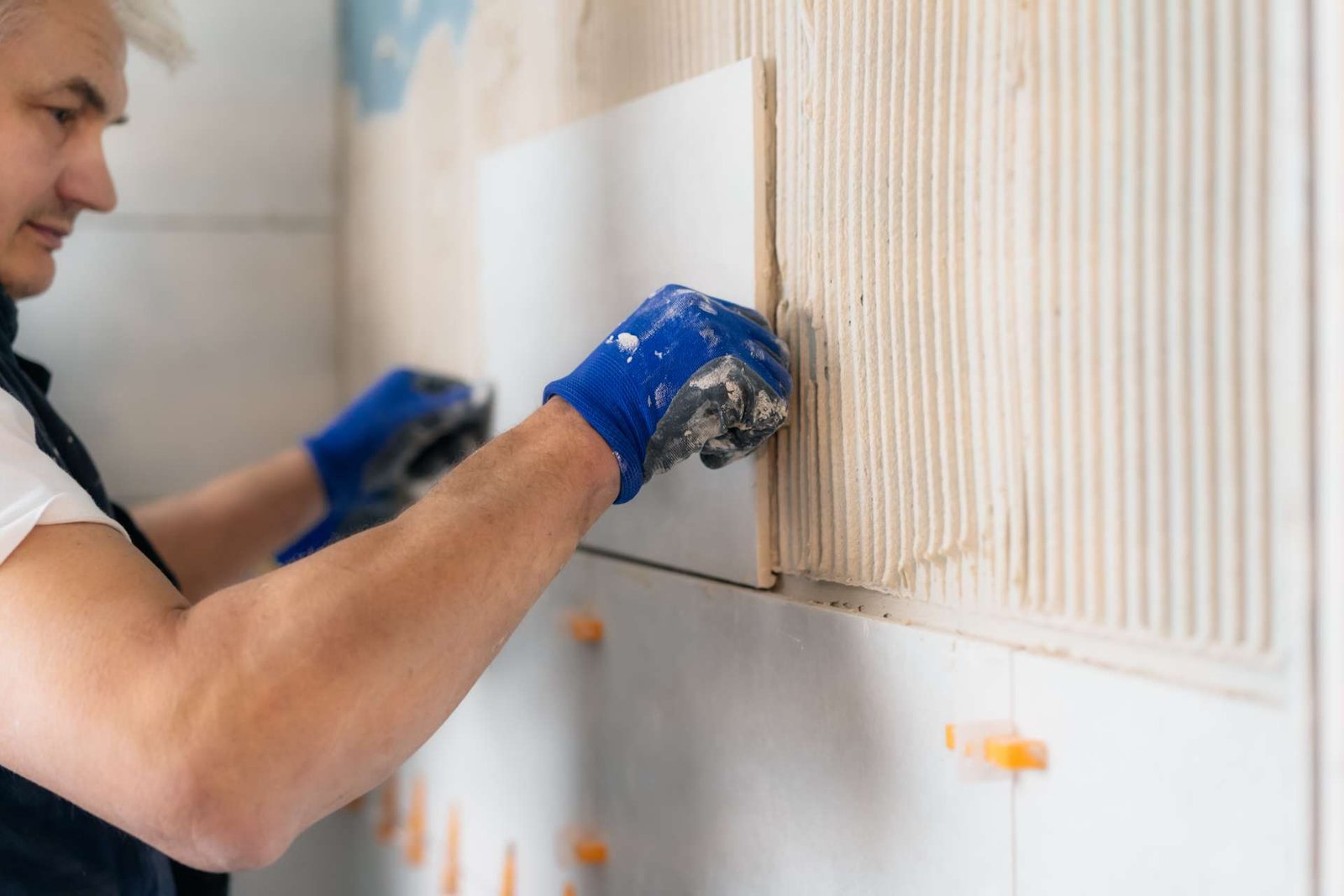
Tile Adhesives
HPMC is widely used in tile adhesive formulations to improve water retention, work efficiency, bond development support, open time, and sag resistance — key factors highlighted for C1/C2 tile systems.
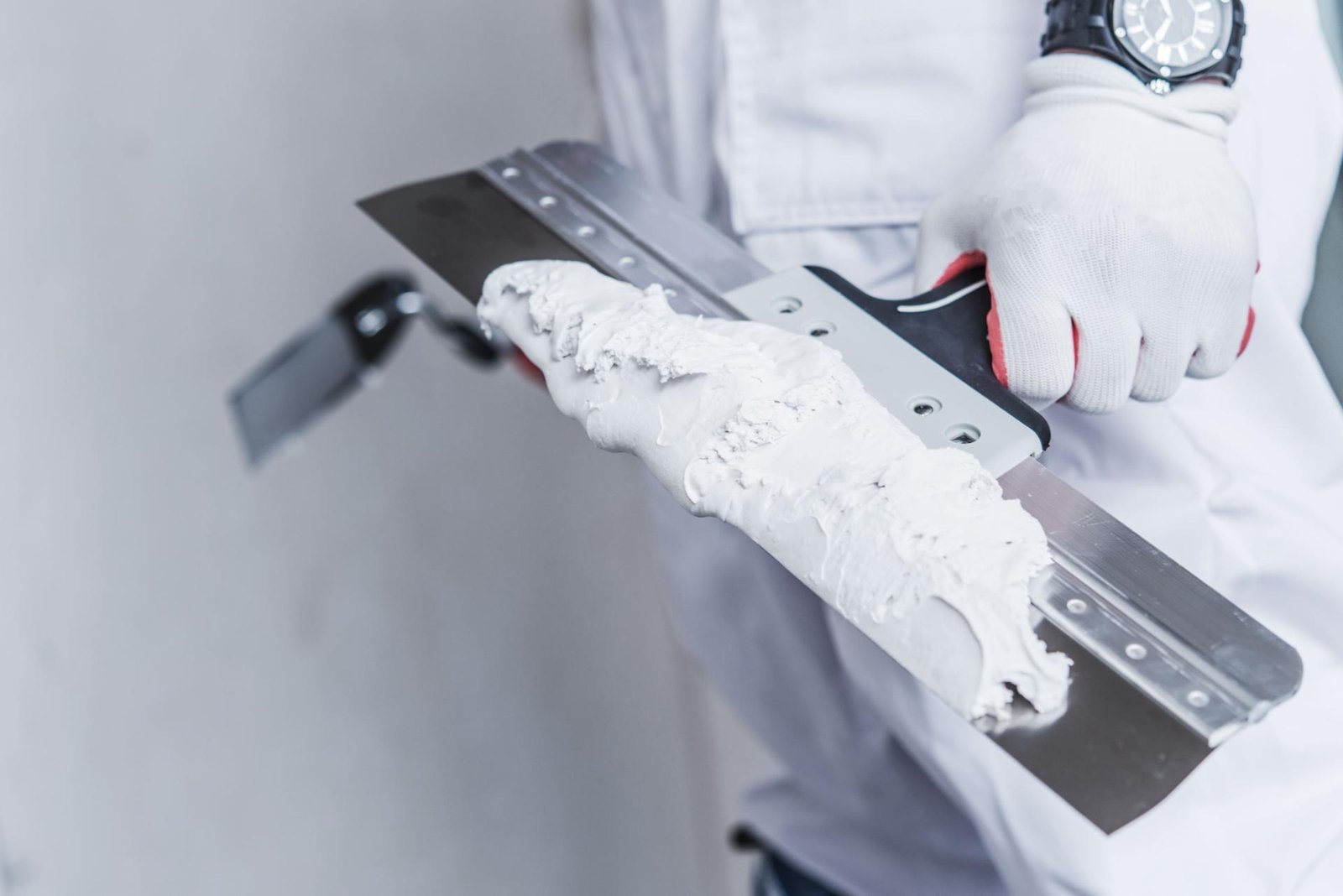
Wall Putty /
Skim Coat
In wall putty and skim coat systems, HPMC helps deliver smooth spreading, stable consistency, good lubrication, and better surface quality — reducing hollowing, cracking, and peeling risks.
Gypsum Plaster
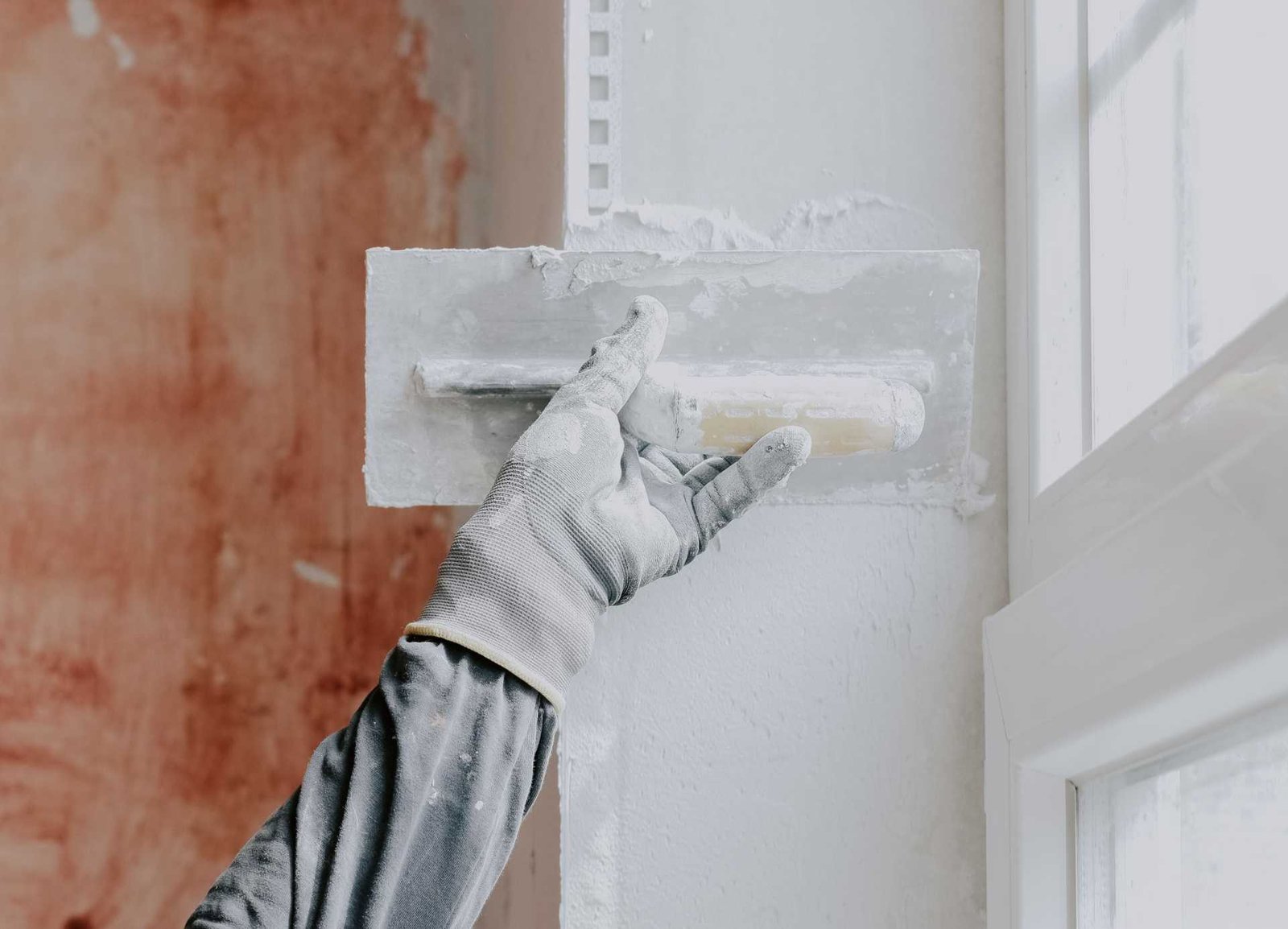
HPMC improves water retention, consistency, and mixing behavior in gypsum-based plasters. MK20P and MK40P grades are both associated with gypsum plaster applications and good workability.
Mortars &
Rendering
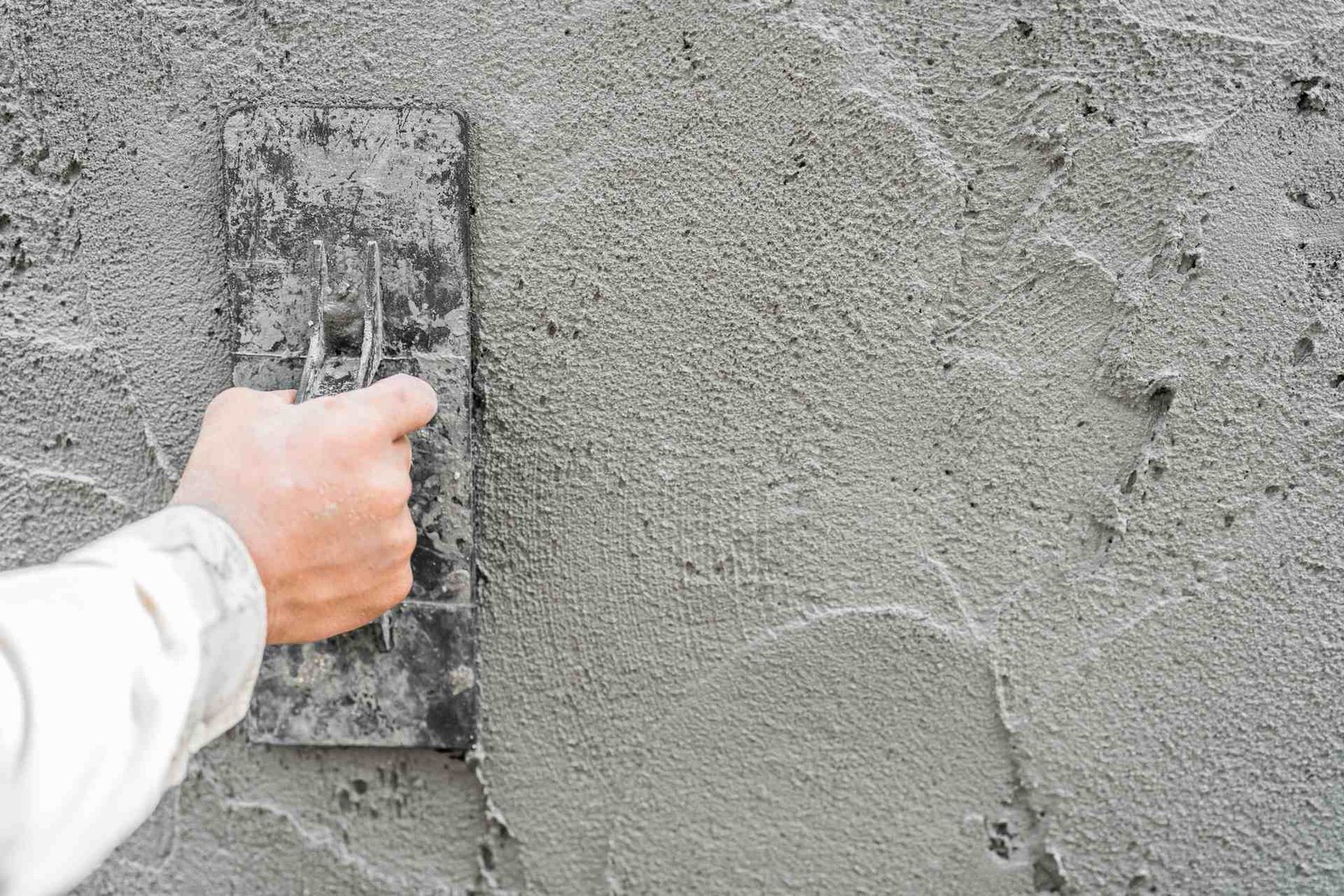
In rendering and general mortar systems, HPMC supports better cohesion, stable workability, and more reliable field application across varying site and weather conditions.
ETICS / EIFS
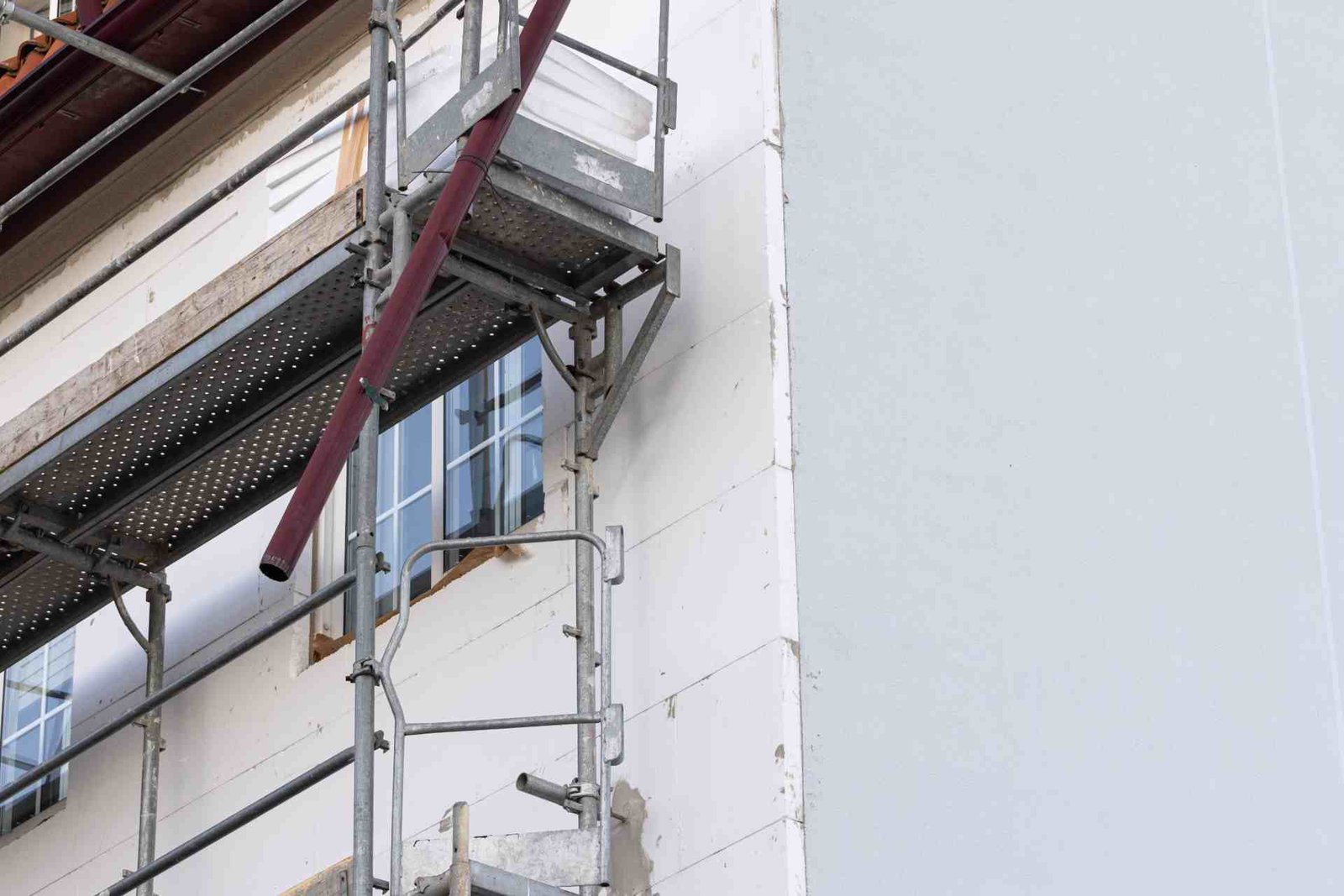
For insulation bonding and base coat mortars, HPMC contributes to water retention, workability, and sag resistance — critical for vertical board adhesion and reinforced base coat stability.

Self-Leveling
Lower-viscosity grades can be selected for self-leveling systems where better flow and leveling behavior are important. MK04P is explicitly designed as a low-viscosity HPMC for these compounds.
Why Choose
MikaZone HPMC
MikaZone positions itself as a professional cellulose ether manufacturer, with HPMC as one of its core product families—primarily producing HPMC, MHEC, and HEC across a variety of grades and viscosities for different applications.
Its application pages highlight annual cellulose ether production capacity exceeding 90,000 metric tons, with HPMC representing more than 50% of that output—backed by quality assurance, viscosity testing, and local support in Venezuela through Mandalas.
production capacity
production output
Wide HPMC grade range for different systems and viscosity requirements—from low-viscosity self-leveling grades to high-viscosity tile adhesive grades.
Strong coverage across tile adhesives, wall putty, gypsum plaster, ETICS, and rendering—the most common construction dry-mix systems.
Public emphasis on water retention, viscosity stability, and testing standards—supporting reliable batch-to-batch performance for formulators.
Manufacturer-backed product family combined with local recommendation and technical support through Mandalas—available in Venezuela.
Technical
Specifications
MikaZone's grade pages share a common technical parameter framework for HPMC products, with viscosity varying by model. Reference values below are based on MK40P and the standard HPMC technical parameter structure used across the product range.
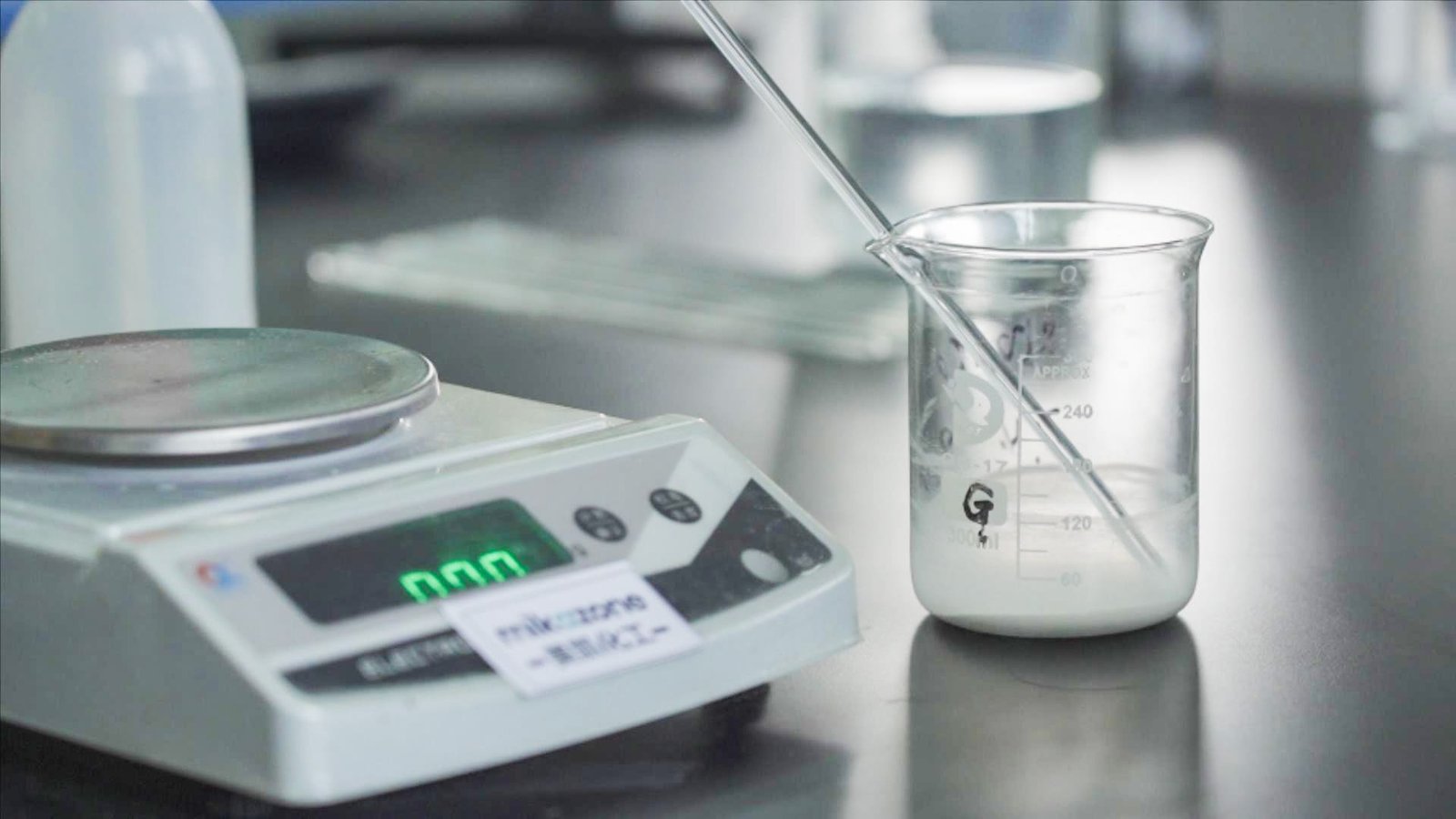
Quality Assurance Testing
Viscosity, moisture & pH verified
batch-by-batch
Typical Viscosity
Reference by Grade
Viscosity is one of the most important starting points for selecting an HPMC grade, but it should always be matched with the target application and performance profile—not selected on viscosity alone.
Use viscosity as a starting guide only. Final grade selection should always be confirmed by application type, formulation structure, local raw material interaction, and trial feedback. Contact MikaZone or your local representative for a specific grade recommendation.
Available HPMC Grades
Select a grade to view its application guidance and technical reference. Final model selection should be confirmed by application type, required rheology, and target performance.
Model selection should be confirmed by application type, required rheology, and target performance. Request a TDS or speak with a technical representative before finalizing a grade for production use.
Surface-treated PS grades should not be assumed as construction premix grades without internal TDS confirmation. MK100PS is publicly associated with detergent use—verify your specific application suitability before specifying.
Packaging & Storage
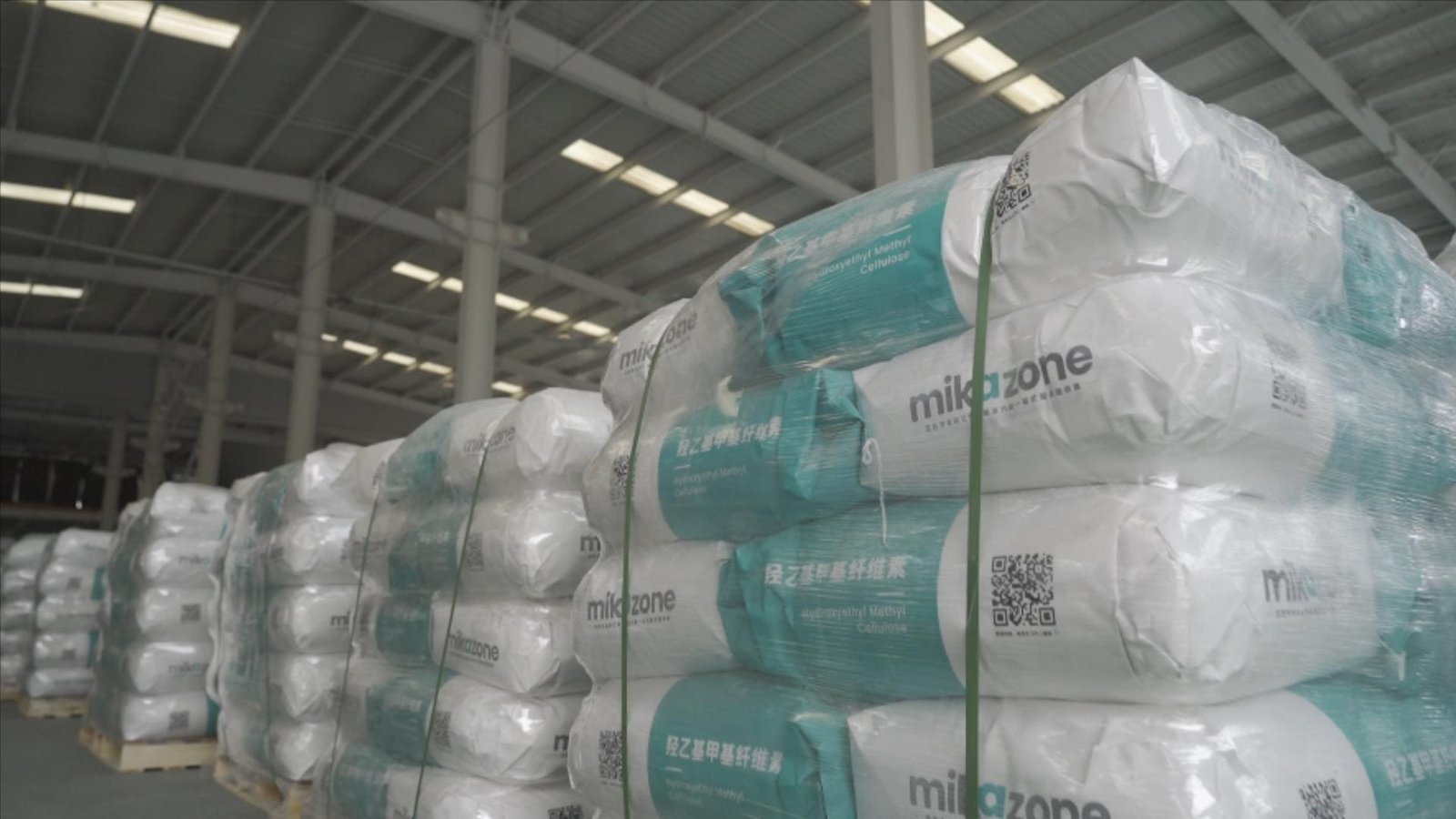
Standard Packaging
MikaZone's cellulose ether lines are supplied in 25 kg packing bags as standard product packaging. Multi-layer kraft paper bags with PE inner liner protect the product during transport and storage.
Storage Recommendations
Store in a cool, dry, well-ventilated place away from direct sunlight and heat sources.
Keep bags tightly sealed to prevent moisture absorption that could affect product performance.
Store on pallets and protect from water exposure — avoid direct contact with floors and walls.
Apply FIFO (First In, First Out) inventory control where possible to maintain freshness.
These practices are consistent with the product's moisture-sensitive nature and standard HPMC technical handling guidelines.
How We Help You Choose the Right HPMC
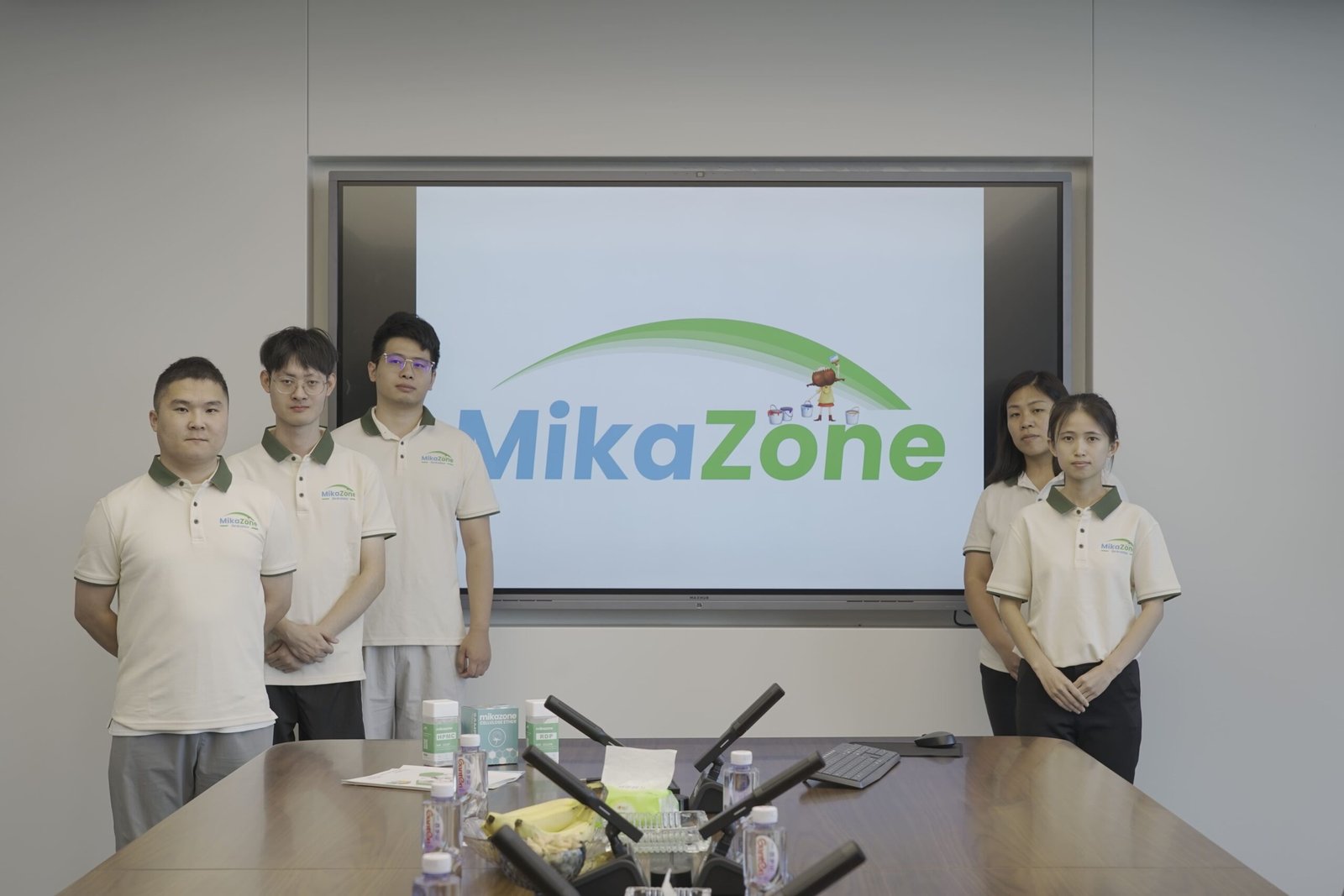
At Mandalas, we help customers select HPMC based on a combination of factors — ensuring the recommended grade matches your real production and jobsite conditions.
Lower-viscosity grades: better suited to flow-sensitive systems such as self-leveling.
Medium-viscosity grades: balanced workability and water retention for plaster, putty, and general mortar uses.
Higher-viscosity grades: stronger water retention, longer open time, and better anti-sag for tile adhesives, ETICS, and repair mortars.

HPMC FAQ
Common questions about HPMC selection, dosage, and support — answered by our technical team.

Need the right HPMC grade
for your formulation?
Tell us your application, raw materials, and target performance. We'll recommend a suitable HPMC grade, viscosity direction, and starting dosage logic to help you begin trials faster.