
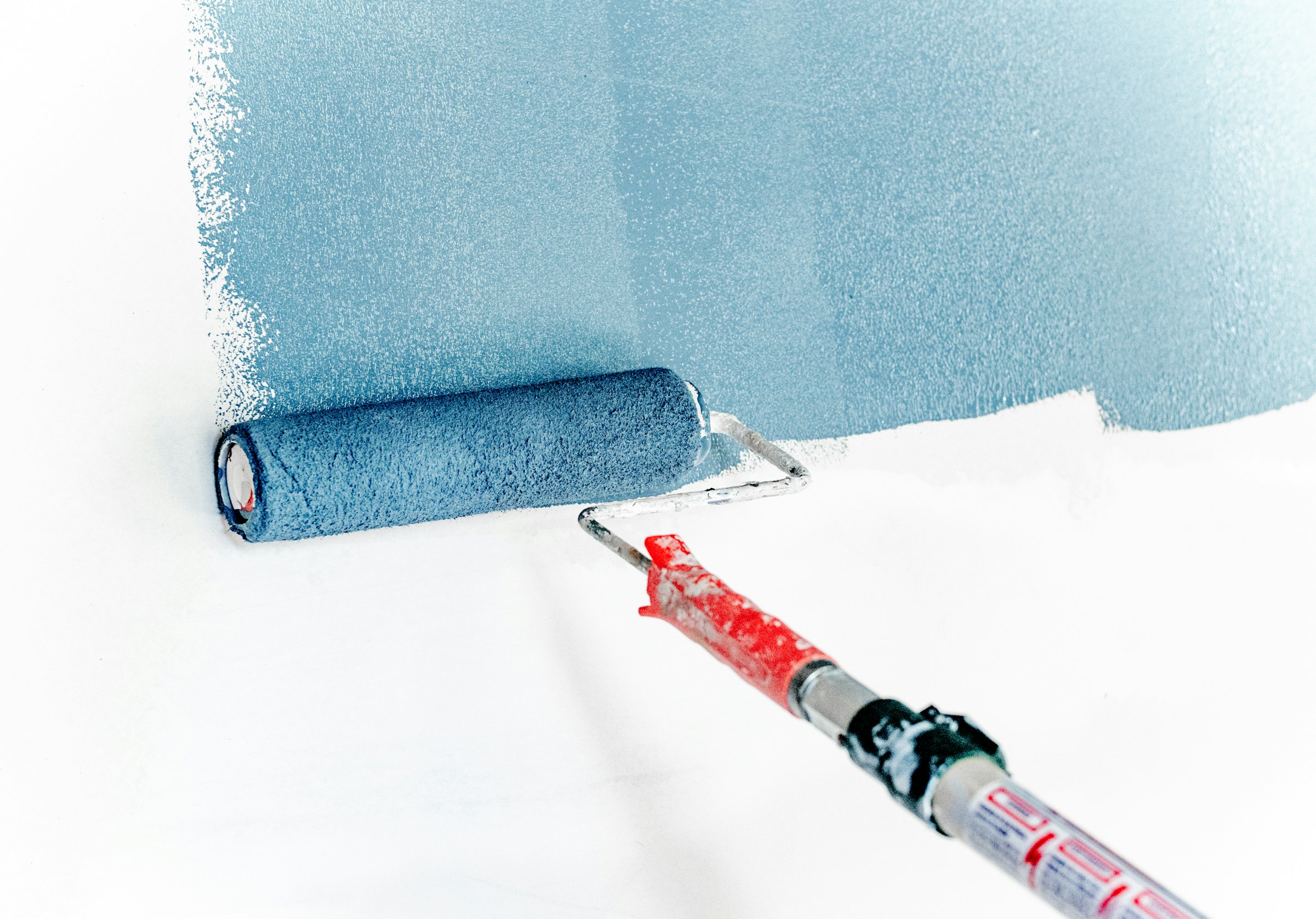
Effective thickening
HEC is primarily used as a thickener in water-based systems. MikaZone’s HEC product pages explicitly describe MK30HE, MK60HE, and MK100HE as effective thickeners for coatings and paints.
HEC
Hero Banner
High-performance HEC for water-based systems that require reliable thickening, stable viscosity, smooth application, and consistent flow control.


Designed for water-based coatings, paints, and selected specialty systems.

Multiple viscosity grades available for different formulation needs.

Local recommendation, supply coordination, and technical support available in Venezuela.
Hydroxyethyl Cellulose (HEC) is a nonionic cellulose ether widely used as a thickener, rheology modifier, and viscosity-control additive in water-based systems. MikaZone presents HEC as one of its core cellulose ether products and positions it for coatings and other industrial applications requiring stable performance and formulation flexibility.
In practical use, HEC helps improve viscosity build, flow behavior, suspension stability, and application feel. It is especially relevant in water-based paints and coatings, where consistent thickening and smooth performance are essential. MikaZone’s MK30HE, MK60HE, and MK100HE pages all position these grades specifically for water-based coatings and paints.
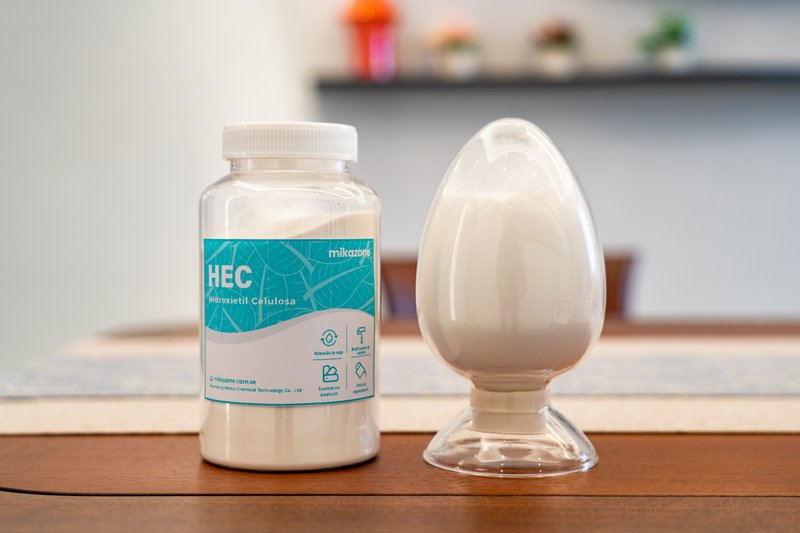
HEC is selected when a formulation needs stable thickening and predictable rheology without sacrificing application feel. It helps control how the product behaves during mixing, storage, and use.

HEC is primarily used as a thickener in water-based systems. MikaZone’s HEC product pages explicitly describe MK30HE, MK60HE, and MK100HE as effective thickeners for coatings and paints.
Multiple HEC viscosity grades are publicly listed by MikaZone, showing that the product family is designed for different formulation targets and rheology needs.
In coatings and paints, proper HEC selection helps achieve smoother brushing, rolling, and overall application consistency. MikaZone’s HEC pages connect the product family with improved performance and texture in water-based formulations.
MikaZone states it offers custom HEC solutions, OEM options, and customized formulas, indicating that HEC can be tuned to different regional and application requirements.
MikaZone’s oil, gas and mining page also shows HEC grades used in demanding drilling and fluid-loss-control-related systems, indicating broader industrial relevance beyond paints and coatings.

MikaZone explicitly positions HEC as a coating and paint thickener, especially through grades such as MK30HE, MK60HE, and MK100HE. These grades are designed to improve the texture, consistency, and usability of water-based paint systems.

MikaZone’s general HEC page and paints-and-coatings market page both align HEC with water-based coating systems, where viscosity build and rheology control are essential.

MikaZone’s oil, gas and mining page references a high-viscosity HEC grade for demanding drilling and fluid loss control, showing that the HEC family can also serve specialty industrial applications.

MikaZone’s customized formulations page states that MK30HE, MK60HE, and MK100HE cover viscosities ranging from 1500 to 6000 and are suitable for various types of coatings, reinforcing their role in tailored water-based formulations.
MikaZone lists HEC as one of its main cellulose ether product families alongside HPMC and HEMC. Its public materials present HEC as a globally supplied product line with multiple specifications and support for OEM and customized solutions.
MikaZone’s HEC supplier page publicly exposes a standard technical parameter set for the HEC family, while model pages such as MK100HE add viscosity ranges for specific grades.
| Appearance | White or off-white powder. |
|---|---|
| Molar substitution degree (MS) | 1.8–2.2. |
| Ash content | Max. 5%. |
| Moisture content | Max. 5%. |
| pH (1% solution, 20°C) | 6–8. |
| Solubility | Water soluble. |
| Viscosity test method | Brookfield. |
|---|---|
| Concentration | 1% solution in water. |
| Temperature | 20°C. |
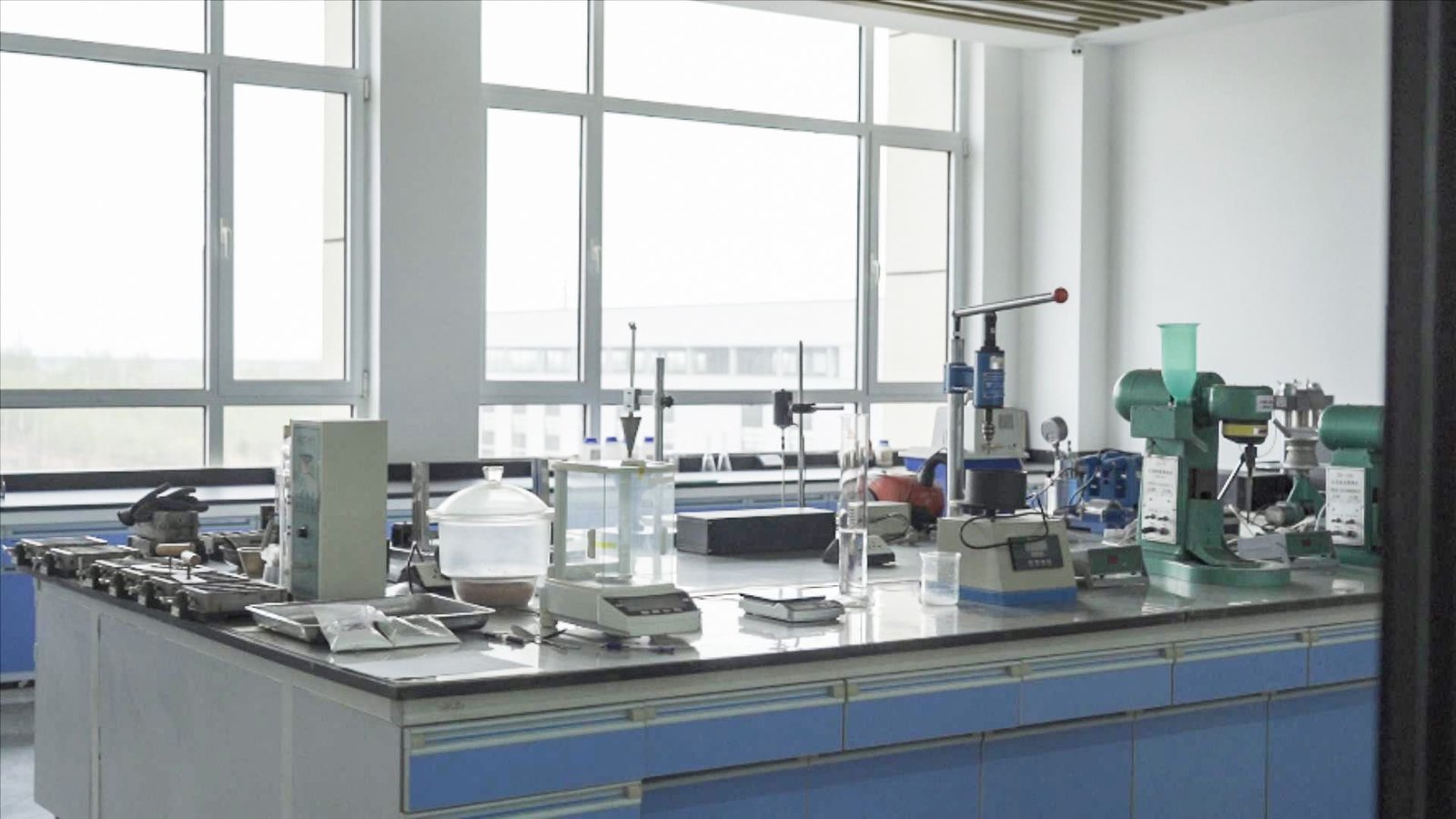
Viscosity is one of the most important guides in HEC selection. MikaZone’s public HEC page gives explicit Brookfield viscosity ranges for several representative grades. Customized formulations materials also indicate MK30HE, MK60HE, and MK100HE commonly span roughly 1,500–6,000 mPa·s for many coating applications. Use these ranges as a starting point, then confirm with application method, solids content, target texture, and trial feedback.
Brookfield viscosity: 1,500–2,500 mPa·s
Typical use: Water-based coatings and paints.
Brookfield viscosity: 2,500–3,500 mPa·s
Typical use: Water-based coatings.
Brookfield viscosity: 3,500–6,500 mPa·s
Typical use: Water-based coatings and paints.
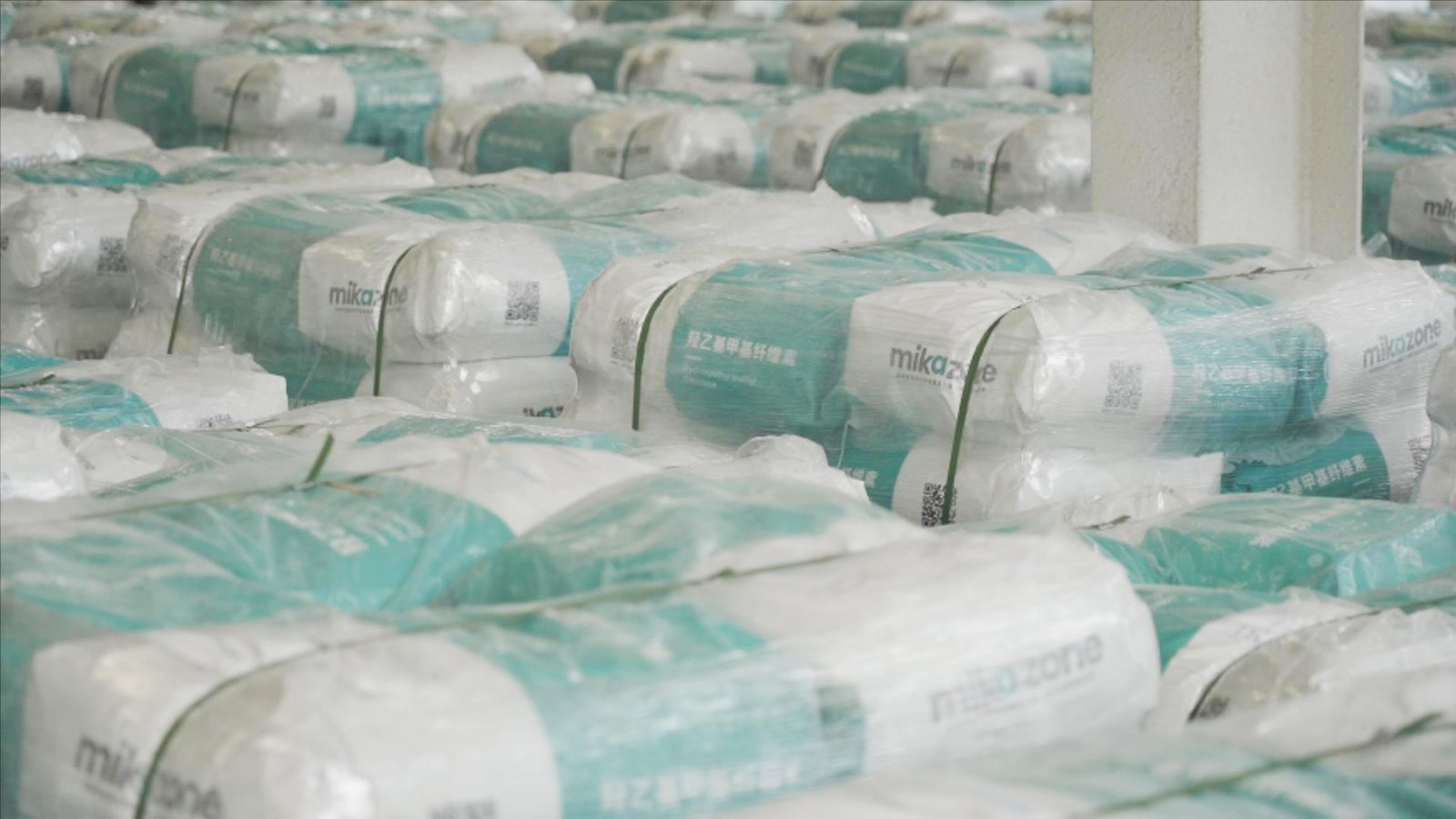
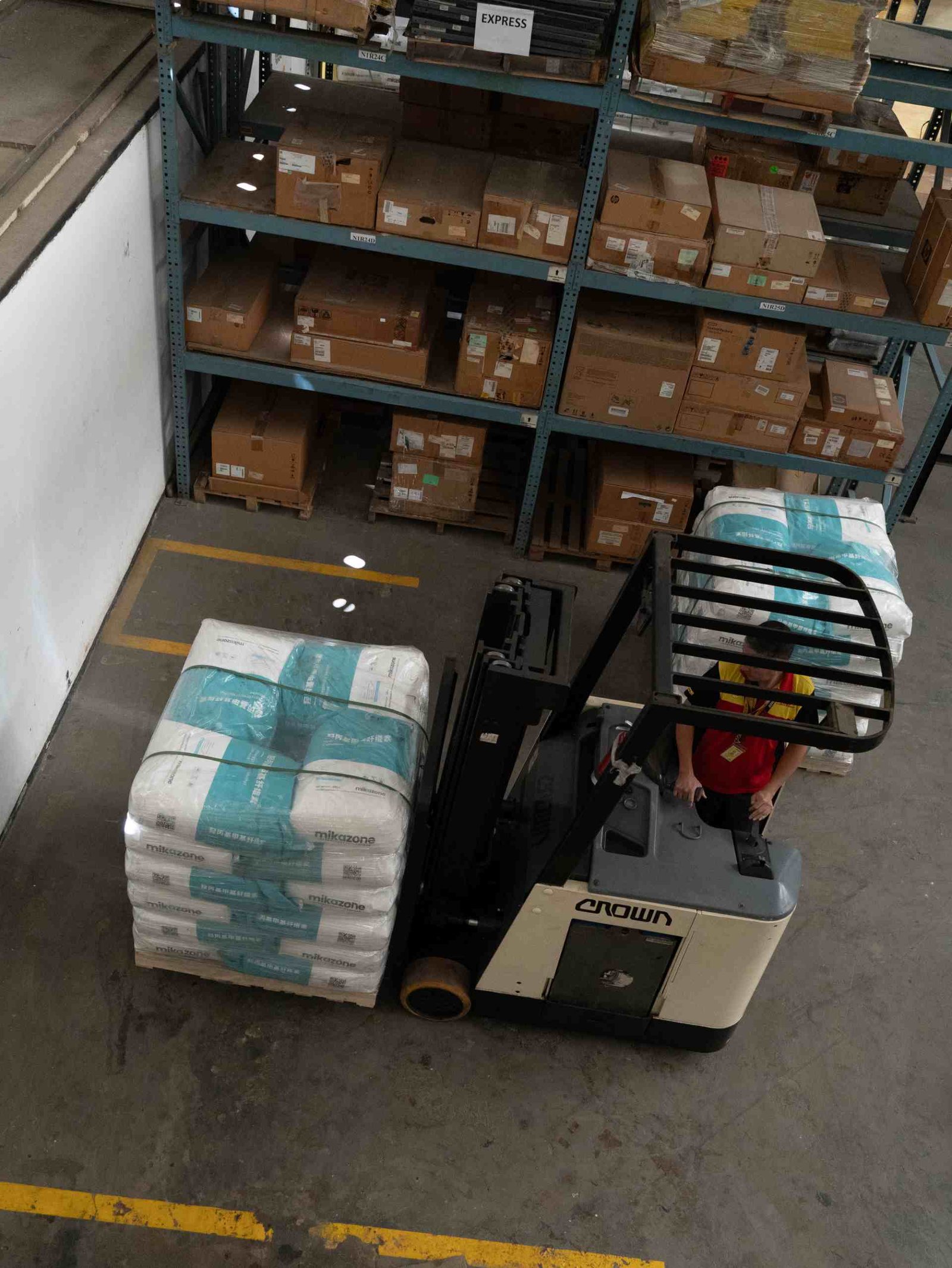
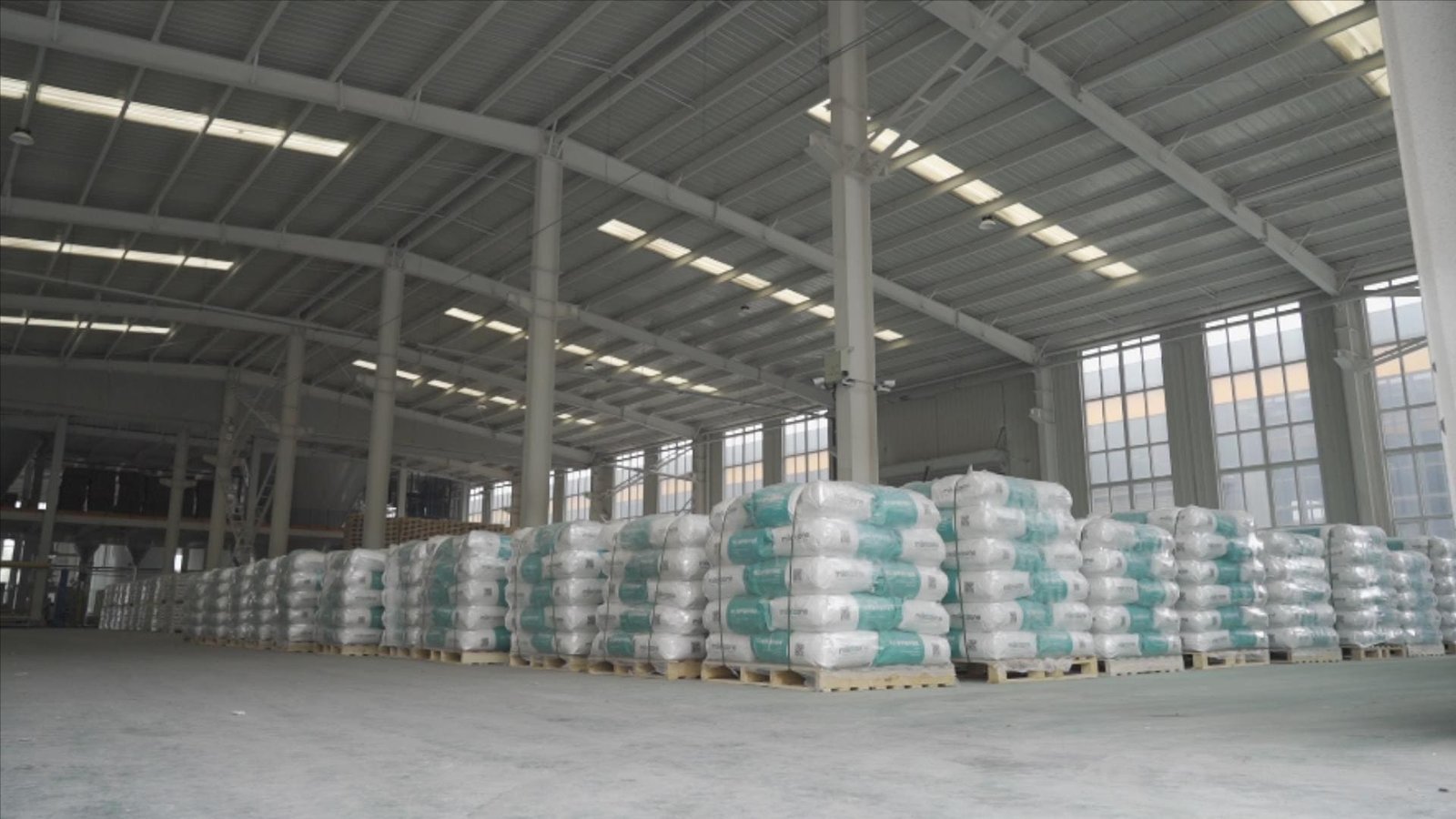
MikaZone’s HEC supplier page shows HEC packed in 25 kg woven bags.
These are standard handling practices for cellulose ethers and align with the moisture-sensitive nature of HEC products.
At Mandalas, we help customers select HEC based on:

HEC is mainly used as a thickener and rheology-control additive in water-based paints, coatings, and some specialty industrial fluids.
A practical starting point is viscosity range, then adjust based on application feel, flow, and formulation structure. MikaZone publicly lists MK30HE, MK60HE, and MK100HE as representative coating grades.
Yes. Dosage depends on the application, target texture, solids level, and formulation system. We can recommend a practical starting window based on your formula.
Yes. MikaZone publicly states it offers OEM solutions and customized formulas for HEC.
Yes. TDS/SDS support can be provided when required.
Tell us your application, viscosity target, and formulation needs. We’ll recommend a suitable HEC grade and starting selection logic to help you begin trials faster.