
Polyvinyl Alcohol
PVA — High‑Performance Adhesive & Film‑Forming Powder for Construction Systems
High‑performance PVA powder for construction formulations that require stronger adhesion, better film formation, improved workability, and more reliable surface performance.
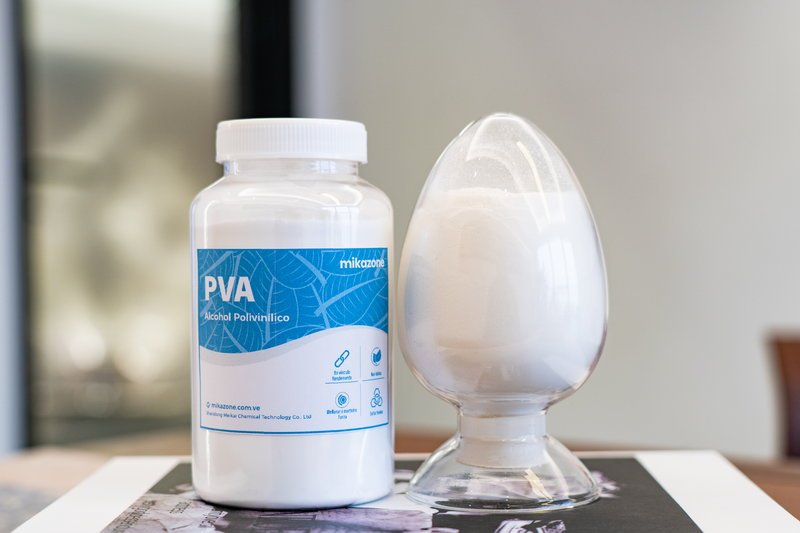
What Is PVA?
Polyvinyl Alcohol (PVA) is a white, free‑flowing powder known for its excellent film‑forming and adhesive properties. In construction formulations, PVA is used to improve bonding performance, enhance surface integrity, and support smoother application.
It is often selected when the system needs better cohesion, stronger adhesion to the substrate, and more controlled surface drying behavior. In cement‑ and gypsum‑based systems, PVA can also help improve process stability and final surface quality.
Why PVA Matters in Construction Formulations
PVA is used when a formulation needs more than basic thickening or water retention. It plays an important role in improving bonding, film strength, and overall application behavior.
Improved Adhesion
PVA helps enhance bonding strength in wall putty, dry‑mix mortar, tile adhesive, and related construction systems — providing stronger substrate adhesion where standard binders may fall short.
Enhanced Film Formation
PVA forms a smooth and stable film, helping improve surface integrity and finish quality. This film‑forming ability contributes to a more consistent and visually uniform applied surface.
Better Workability
It can improve the flow and handling behavior of cementitious and gypsum‑based products, making them easier to apply and spread evenly during construction.
Reduced Surface Cracking Risk
By supporting better film formation and application consistency, PVA can help reduce surface drying‑related cracking in compatible systems — improving the long‑term appearance of the finished surface.
Improved Surface Performance
PVA contributes to a more uniform finish and can help improve the overall visual quality of the applied material, supporting a smoother, more professional result.
Typical Applications of PVA
PVA is used across a range of construction formulations where bonding, film formation, and surface quality are important functional requirements.
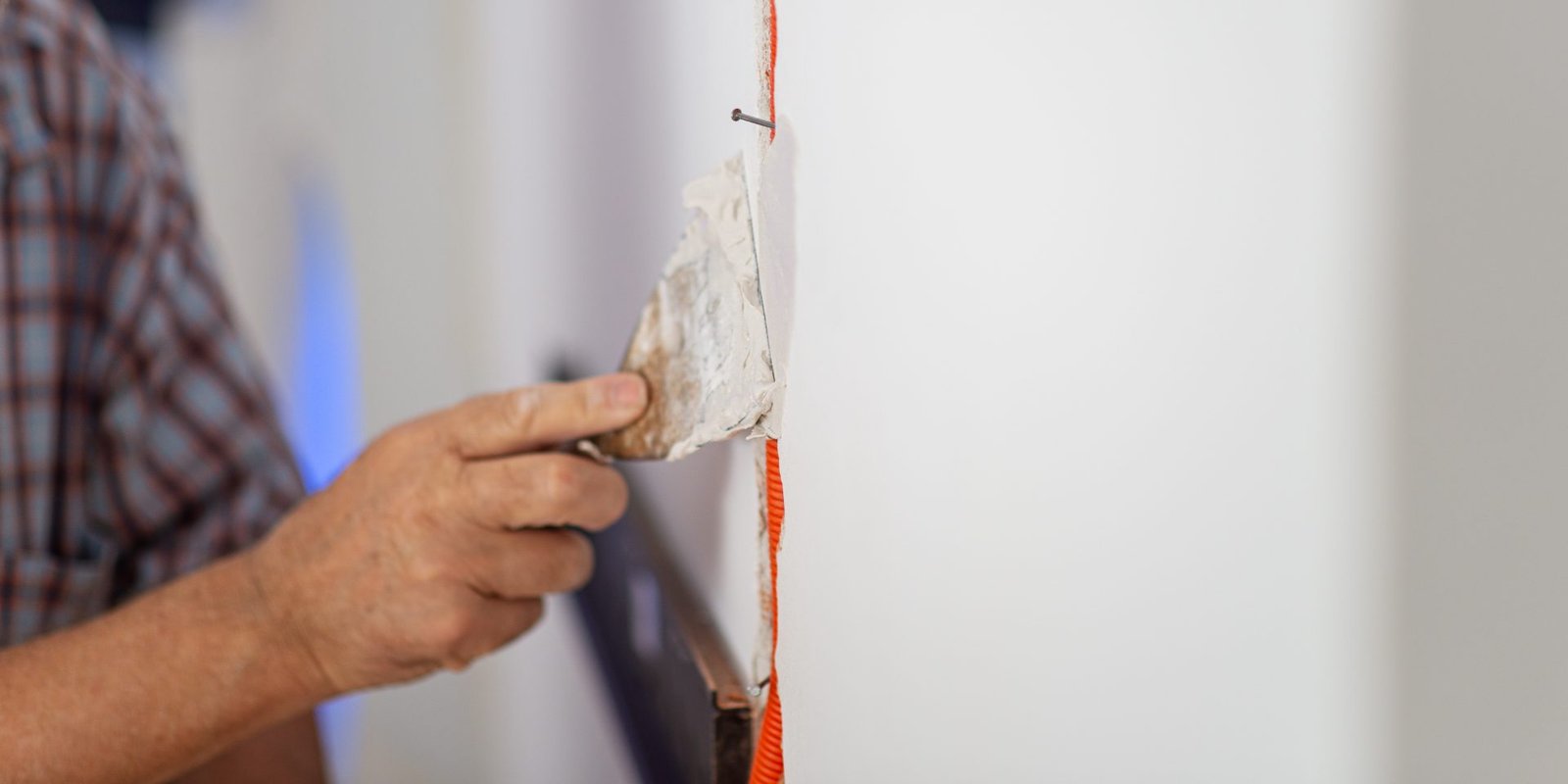
Wall Putty
Used to improve adhesion, surface consistency, and final finish quality in putty systems. PVA enhances the bond between the putty layer and the substrate while supporting a smoother, crack‑resistant surface.
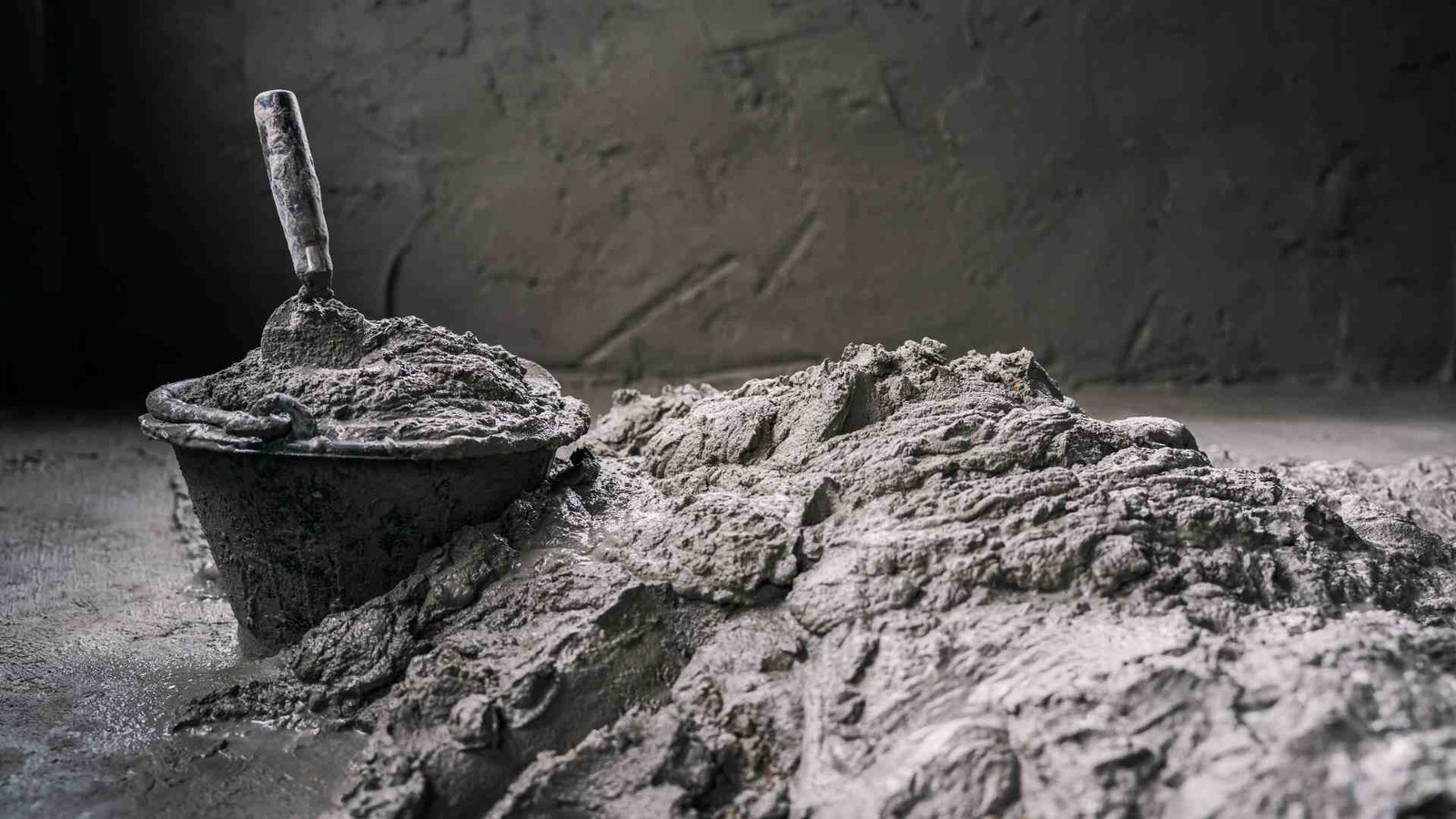
Dry‑Mix Mortar
Suitable for dry‑mix mortar formulations where improved bonding and smoother application are required. PVA helps maintain process consistency and contributes to better finished surfaces.
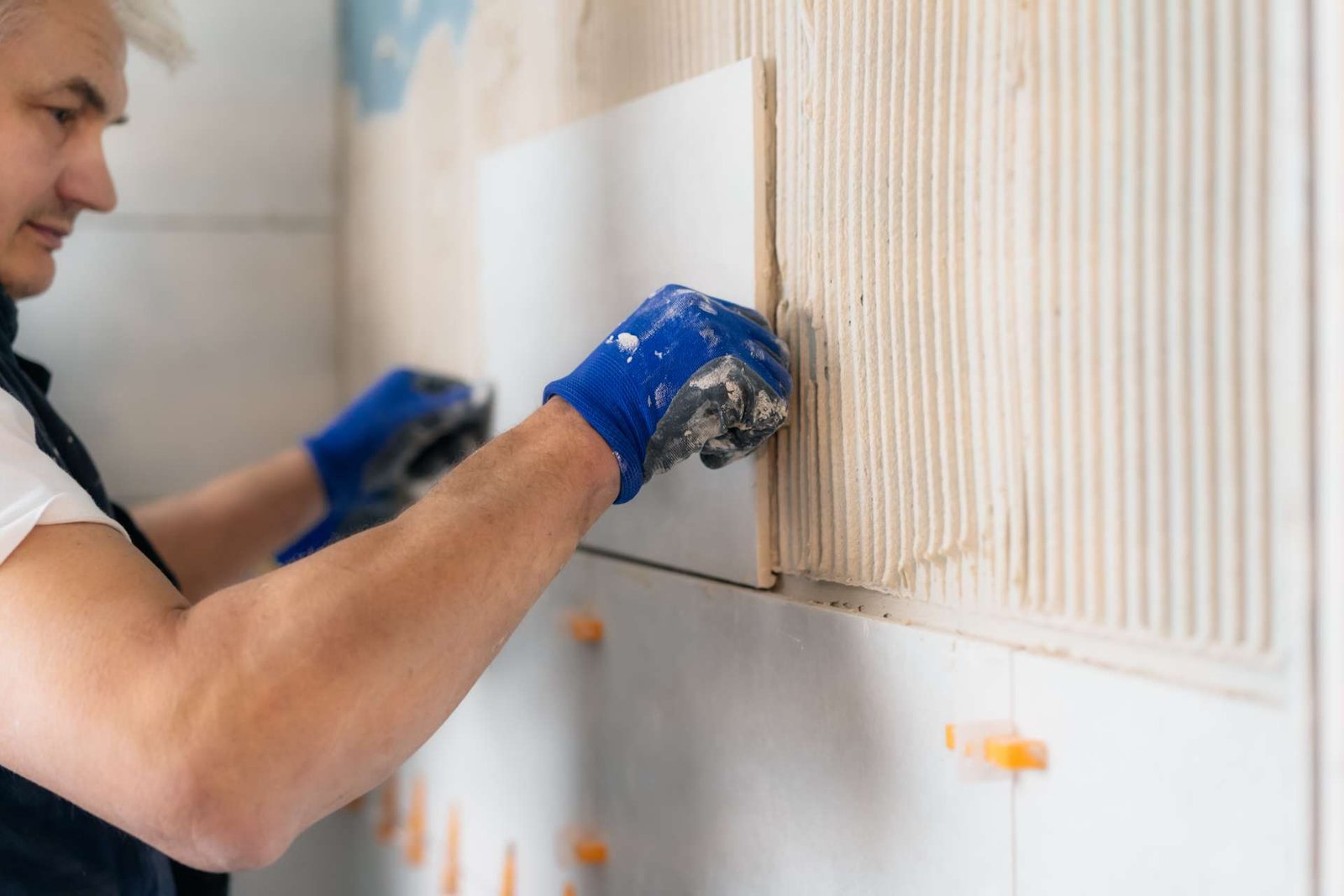
Tile Adhesives
Used in adhesive systems that need better bonding support and more stable application behavior. PVA helps improve initial grab and substrate adhesion in tile‑fixing formulations.
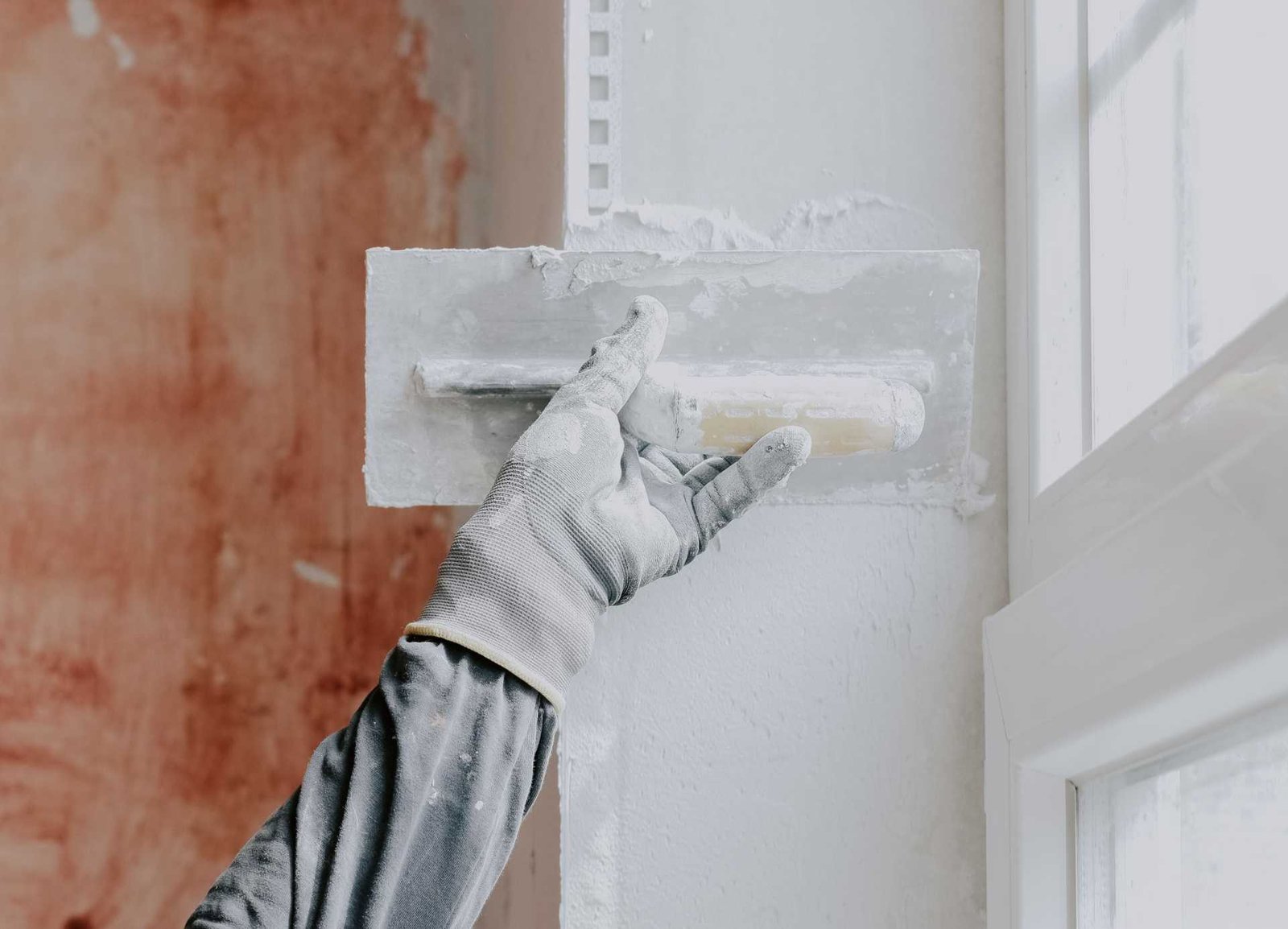
Gypsum Products
Can improve fluidity and help reduce surface cracking in gypsum‑based formulations. PVA supports smoother flow during application and contributes to a more stable surface after drying.
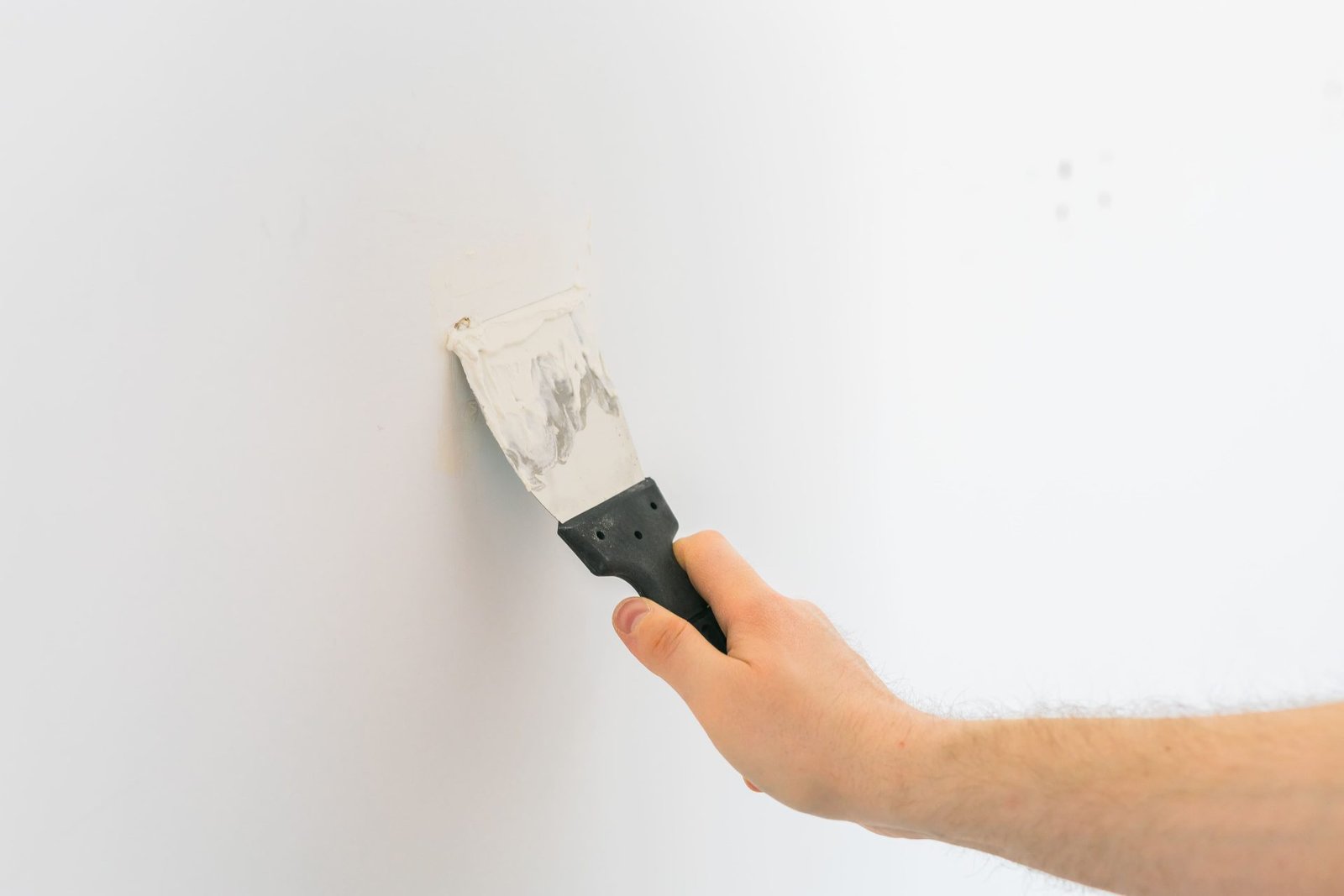
Surface Finishing Materials
Suitable for systems where film formation and surface smoothness are important. PVA helps create a more uniform finish layer, improving the visual and functional quality of the coated surface.
Why Choose Our PVA Solutions
Our PVA solutions are designed for construction applications where bonding performance, film formation, and application stability matter. We help customers choose the right PVA grade according to formulation type, performance target, and trial feedback.
- Suitable for multiple construction applications — wall putty, mortar, gypsum products, tile adhesives, and surface finishing systems.
- Supports adhesion, film integrity, and smoother application across cement‑ and gypsum‑based formulations.
- Can be integrated into both cement‑ and gypsum‑based systems with compatible additive structures.
- Selection support available based on your specific formulation needs, performance targets, and raw material conditions.
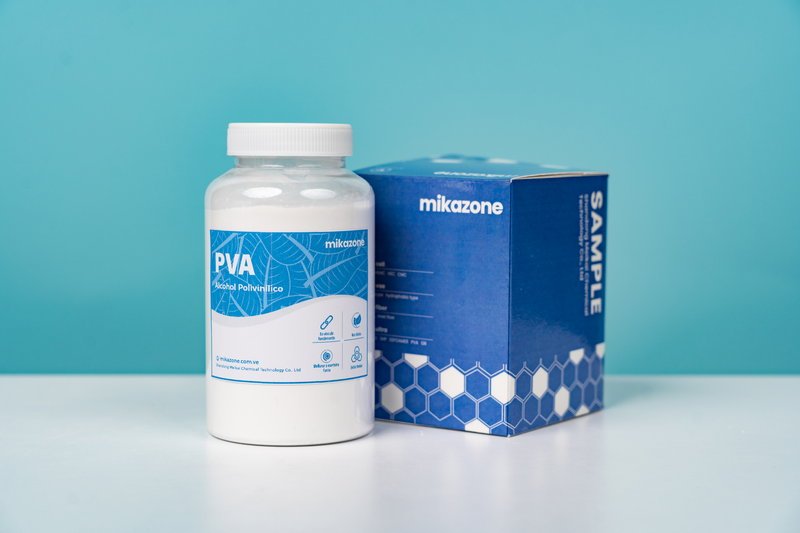
- Local service and technical support available through Mandalas — including grade recommendation, dosage guidance, and TDS documentation.
Key Technical Characteristics
Below are the typical product characteristics for PVA powder used in construction formulations. These values represent general reference data.
| Parameter | Description / Value |
|---|---|
| Appearance | White powder |
| Odor | Odorless |
| Form | Free‑flowing powder |
| Primary Function | Adhesion enhancement, film formation, and workability support |
| Application Direction | Wall putty, mortar, gypsum products, tile adhesives, and related systems |
Available PVA Grades
The following PVA grades are available for construction formulation use. Grade selection should be based on the specific application, required bonding level, and process compatibility.
A widely used PVA grade suitable for wall putty, mortar, and adhesive formulations where balanced adhesion and film formation are required.
A PVA grade with different molecular weight and hydrolysis characteristics, suitable for applications requiring adjusted bonding behavior and process compatibility.
Packaging & Storage
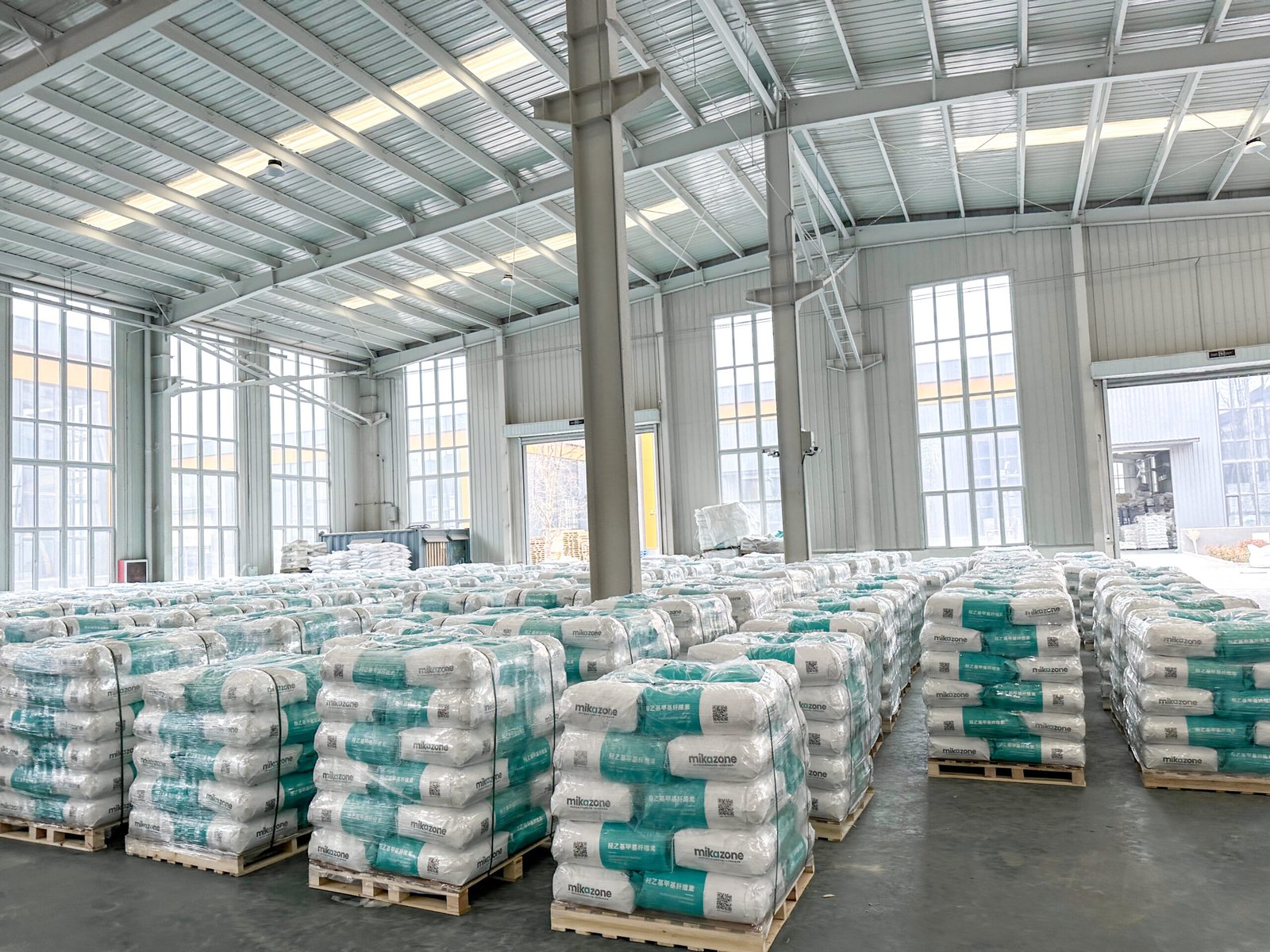
Available in standard industrial packaging. Exact bag size and packing format can be added based on your internal commercial specification. Below are recommended storage guidelines for PVA powder.
Store in a cool, dry, well‑ventilated place away from direct sunlight and heat sources.
Keep packaging tightly sealed when not in use to prevent moisture absorption and clumping.
Protect from moisture and contamination to maintain powder flowability and performance.
Apply first‑in, first‑out inventory control where possible to ensure freshness.
Application‑Based Selection Support
At Mandalas, we help customers select PVA based on your specific application requirements and formulation context. The following criteria guide our recommendation process.
Typical Selection Logic
PVA FAQ
PVA is mainly used to improve adhesion, film formation, and workability in wall putty, dry‑mix mortar, gypsum products, and tile adhesives. It serves as a functional additive that enhances bonding performance and surface quality in cementitious and gypsum‑based systems.
Yes. PVA is commonly used when stronger adhesion and better substrate bonding are required. It helps enhance the bond between the applied material and the underlying surface, which is particularly valuable in wall putty, tile adhesive, and mortar formulations.
In compatible systems, PVA can help improve film integrity and application consistency, which may reduce surface drying‑related cracking. This benefit is particularly relevant in wall putty and gypsum‑based formulations where controlled surface drying is important.
Yes. We can recommend a suitable starting grade based on your application type, bonding requirements, and target performance. Our team evaluates your formulation context and provides selection guidance to help you begin trials faster.
Yes. TDS (Technical Data Sheet) and SDS (Safety Data Sheet) support can be provided when required. Contact our technical team or use the "Request TDS" button to obtain the relevant documentation for your selected PVA grade.
Need the right PVA for your formulation?
Tell us your application and performance target. We'll recommend a suitable PVA grade and starting selection logic to help you begin trials faster.