Construction polymers RDP

Redispersible Polymer Powder (RDP)

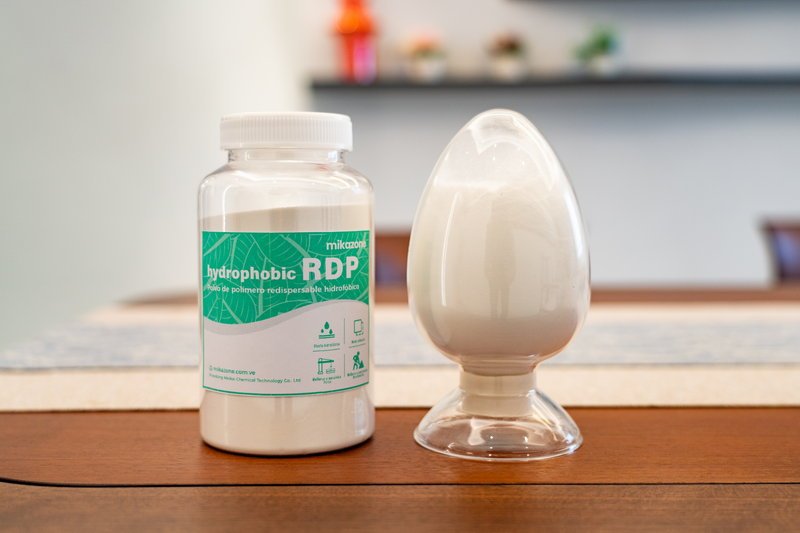
High-performance redispersible polymer powder for construction formulations that require stronger bonding, improved flexibility, better durability, and enhanced overall mortar performance.

  • Designed for tile adhesives, repair mortars, plaster, self-leveling, and other polymer-modified cementitious systems.
  • Works in combination with cellulose ethers to modify key mortar properties.
  • Local recommendation, supply coordination, and technical support available in Venezuela.

Section 1 — Product Overview

What Is RDP?

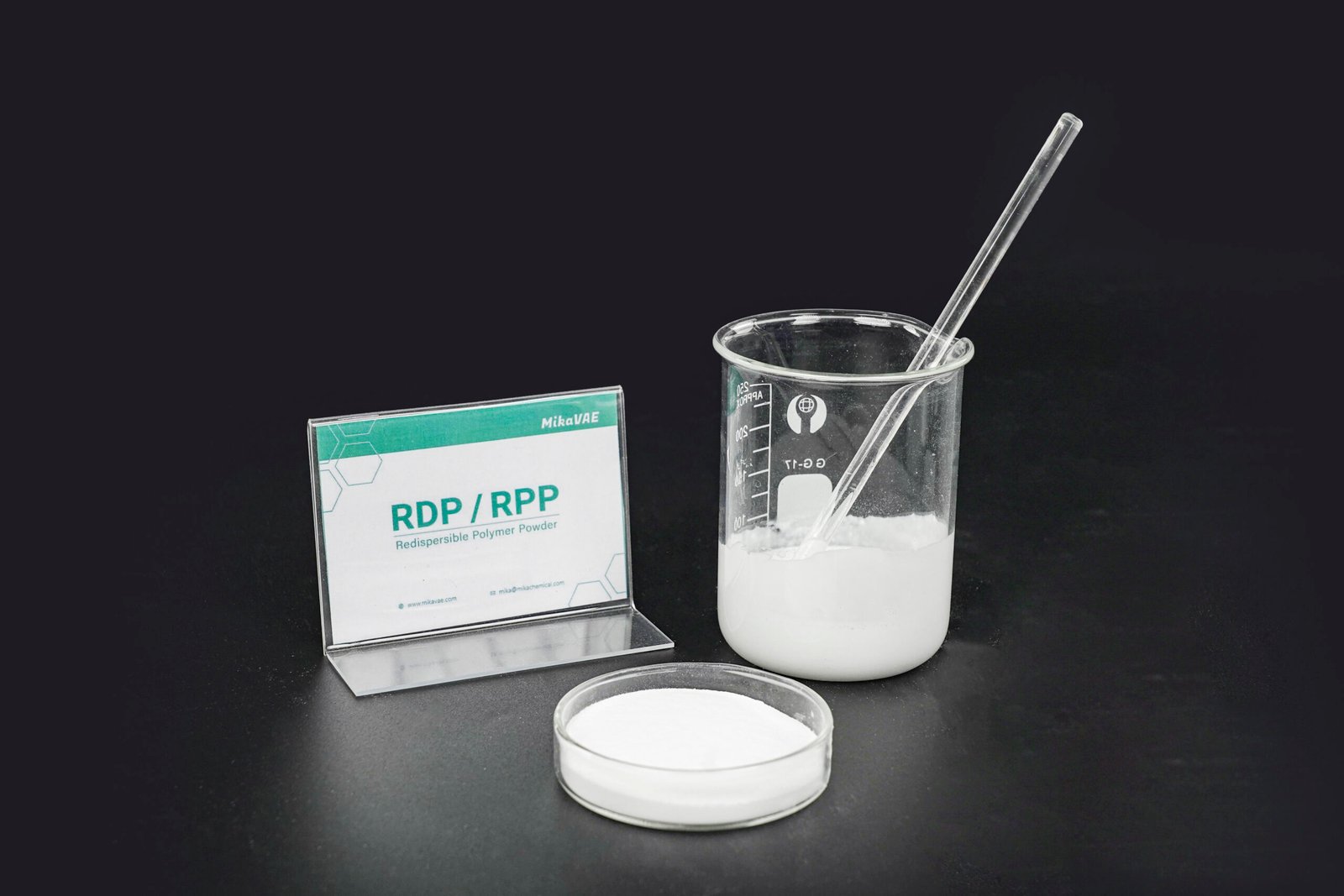
Redispersible Polymer Powder (RDP) is a spray-dried polymer binder used to upgrade the performance of dry-mix construction materials. When mixed with water, it redisperse into a polymer emulsion and helps form a flexible polymer network inside the cementitious matrix. MikaZone presents RDP as one of its core product areas and describes it as a best-selling product offered in multiple specifications for different application needs.

In practical use, RDP is selected when a formulation needs more than basic cement performance. It is especially valuable when stronger adhesion, flexibility, crack resistance, water resistance, and improved workability are required. MikaZone’s own technical content on polymer-modified mortar explains that RDP helps transform brittle cement systems into more resilient and adhesive materials.

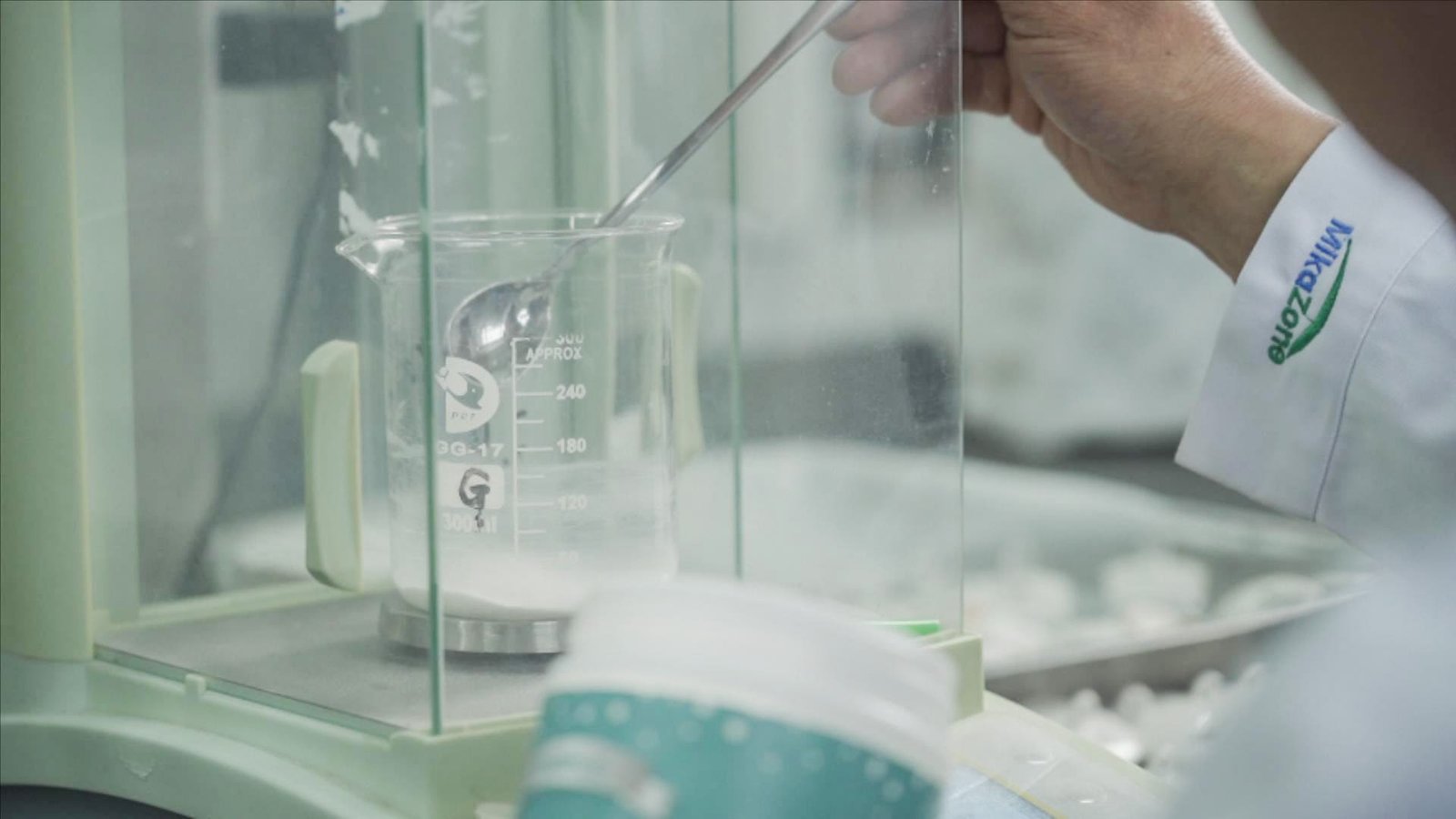
Laboratory quality control for construction additives and dry-mix formulations
Dry-mix & formulation R&D — performance-grade materials

Section 2 — Why RDP Matters

Why RDP Is Important in Construction Formulations

RDP is one of the key additives used to convert standard mortar into a higher-performance system. It is especially relevant when durability, bonding strength, and deformation tolerance are critical.

Key Benefits

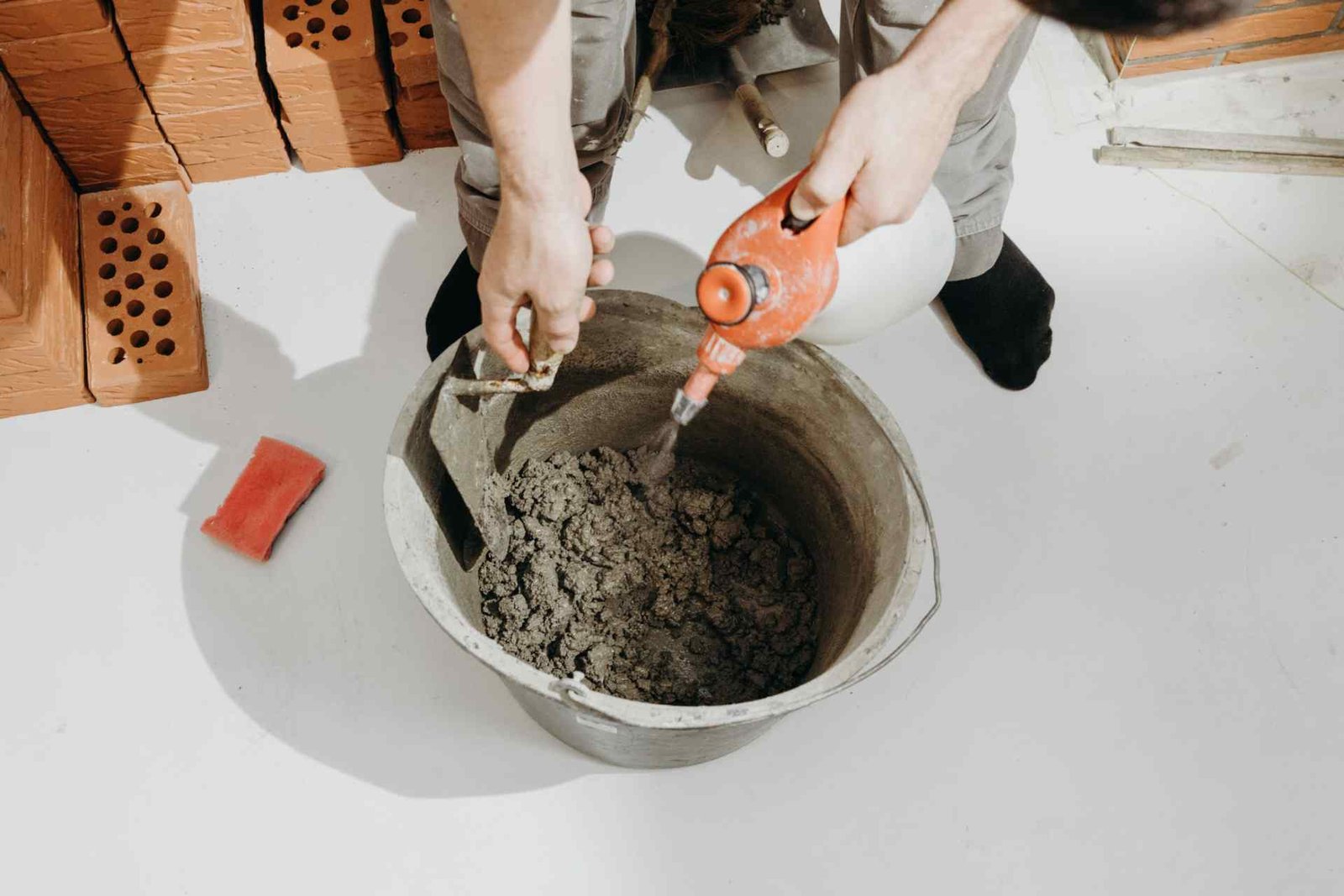
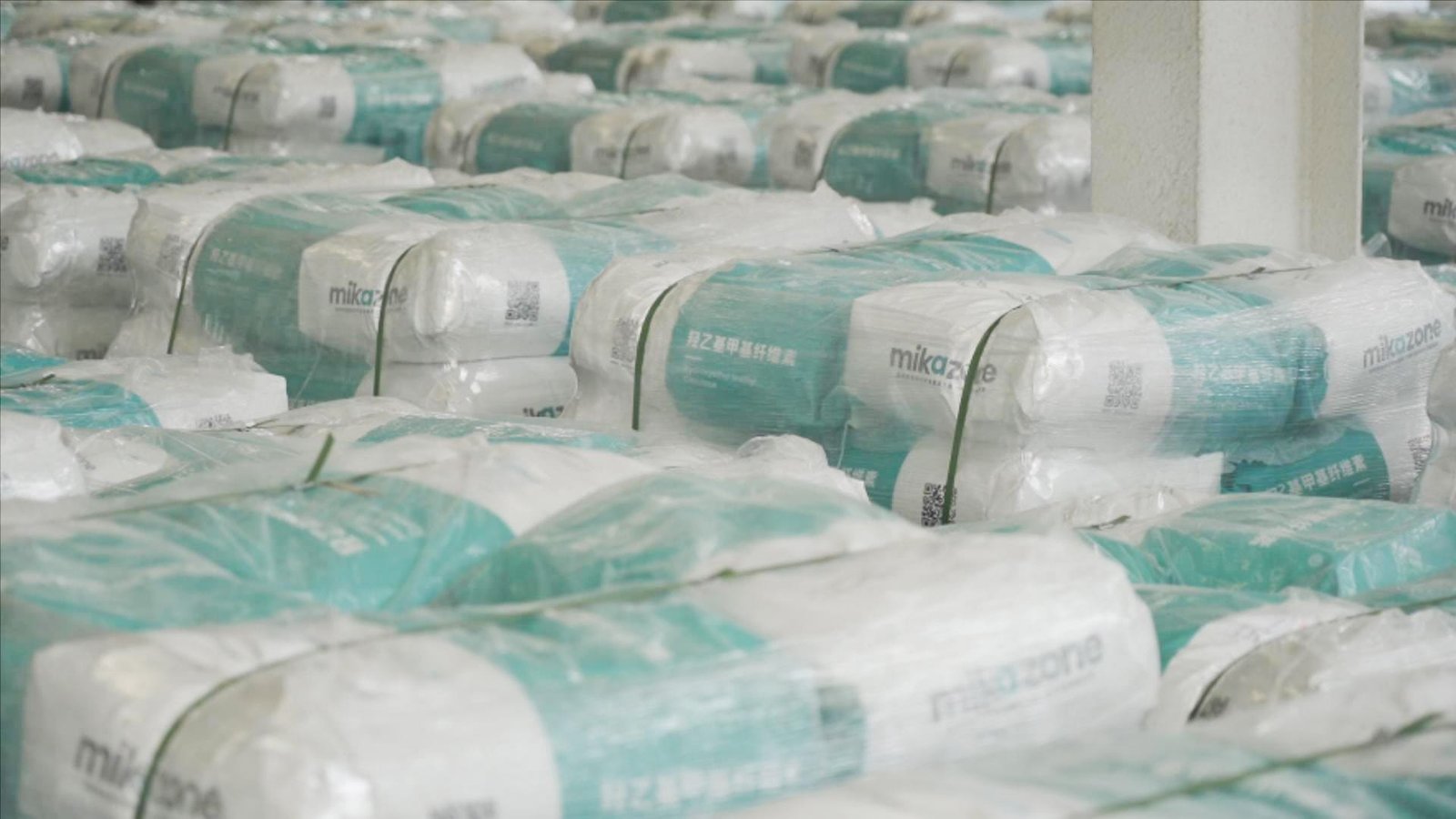
Bagged dry-mix mortars and construction materials for strong site adhesion

Improved Bond Strength

RDP helps increase adhesion to different substrates and is widely used in tile adhesives and bonding mortars. MikaZone’s RDP application article specifically states that RDP can significantly enhance bonding strength and durability in mortar systems.
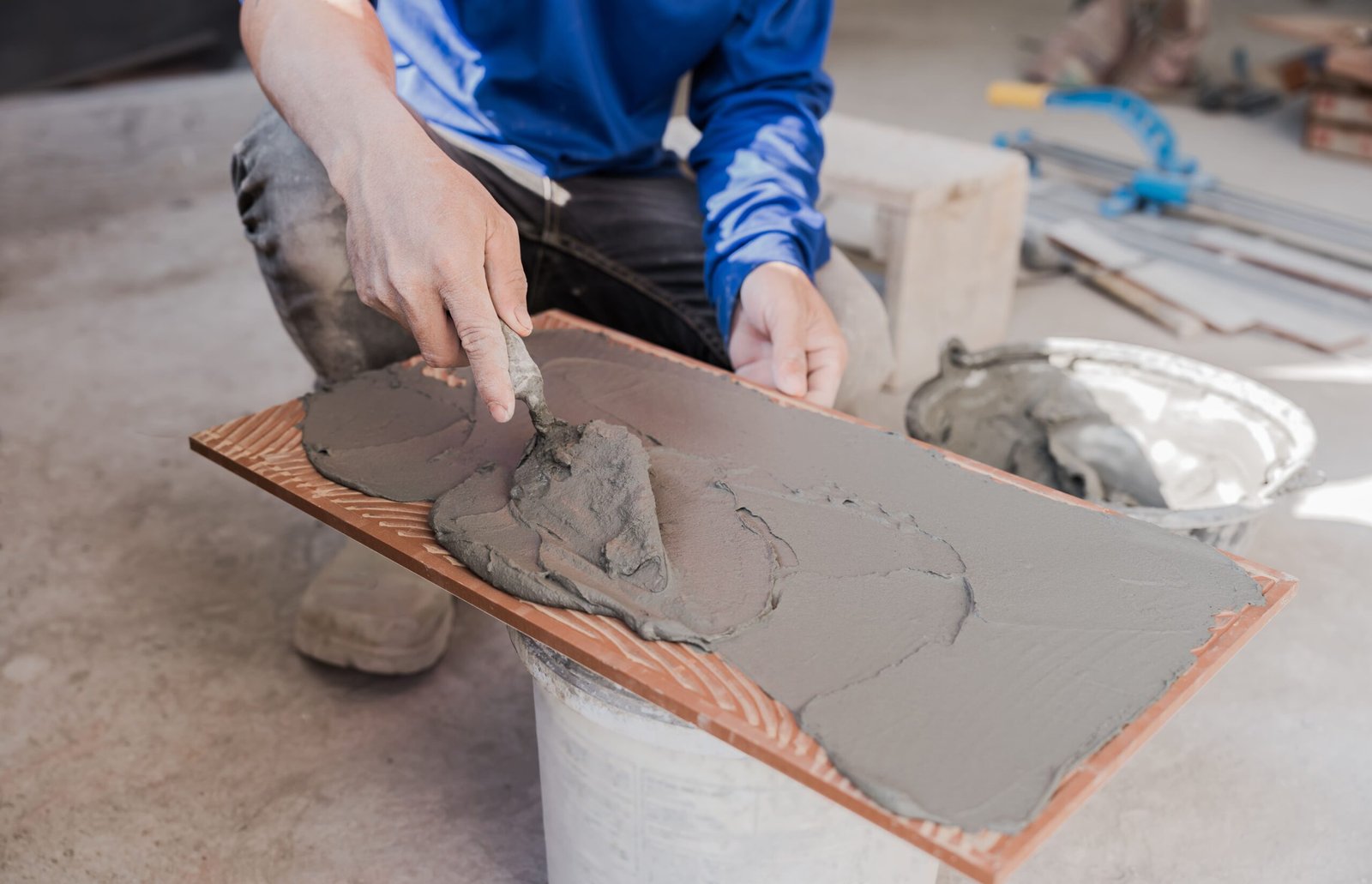
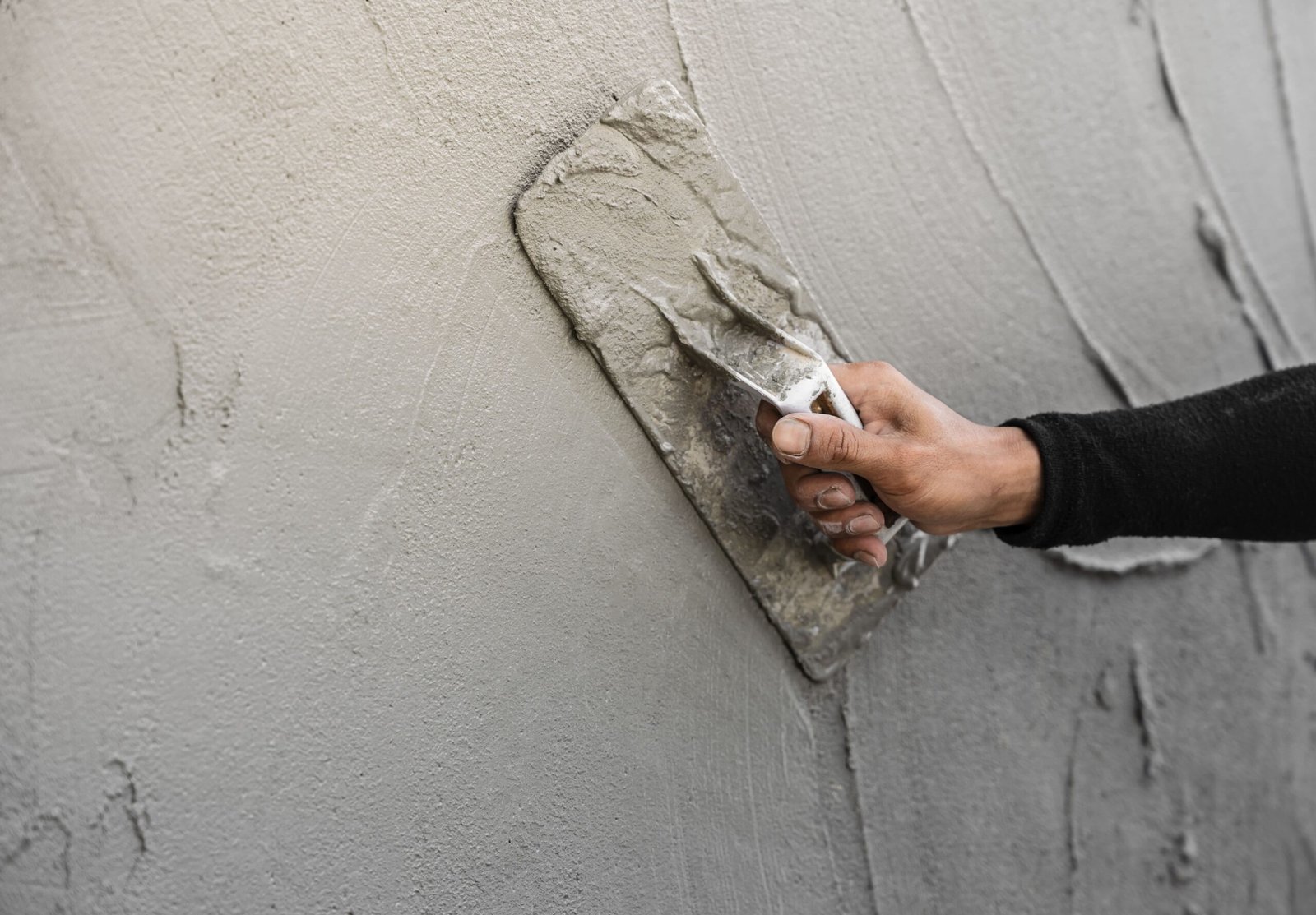
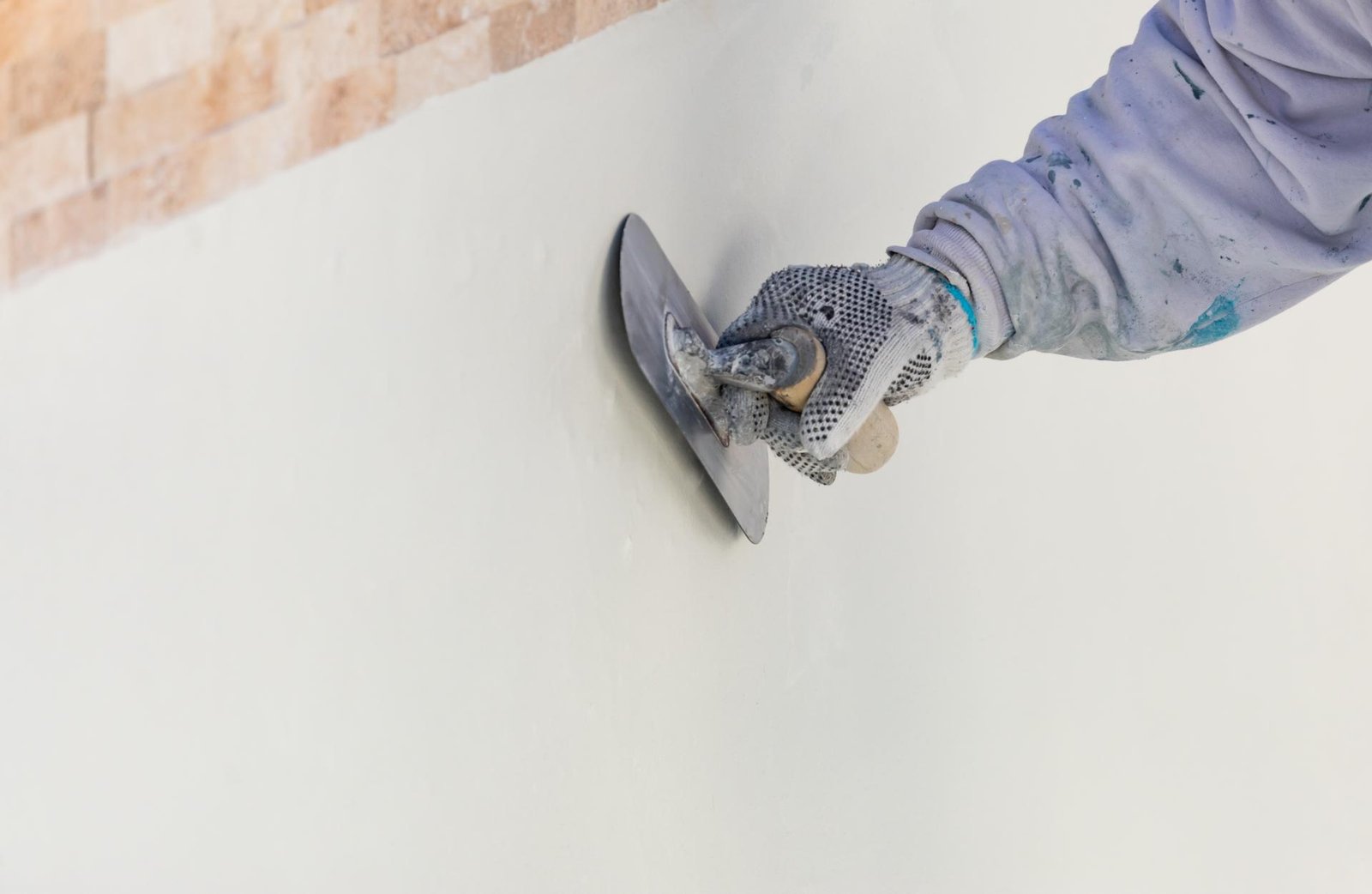
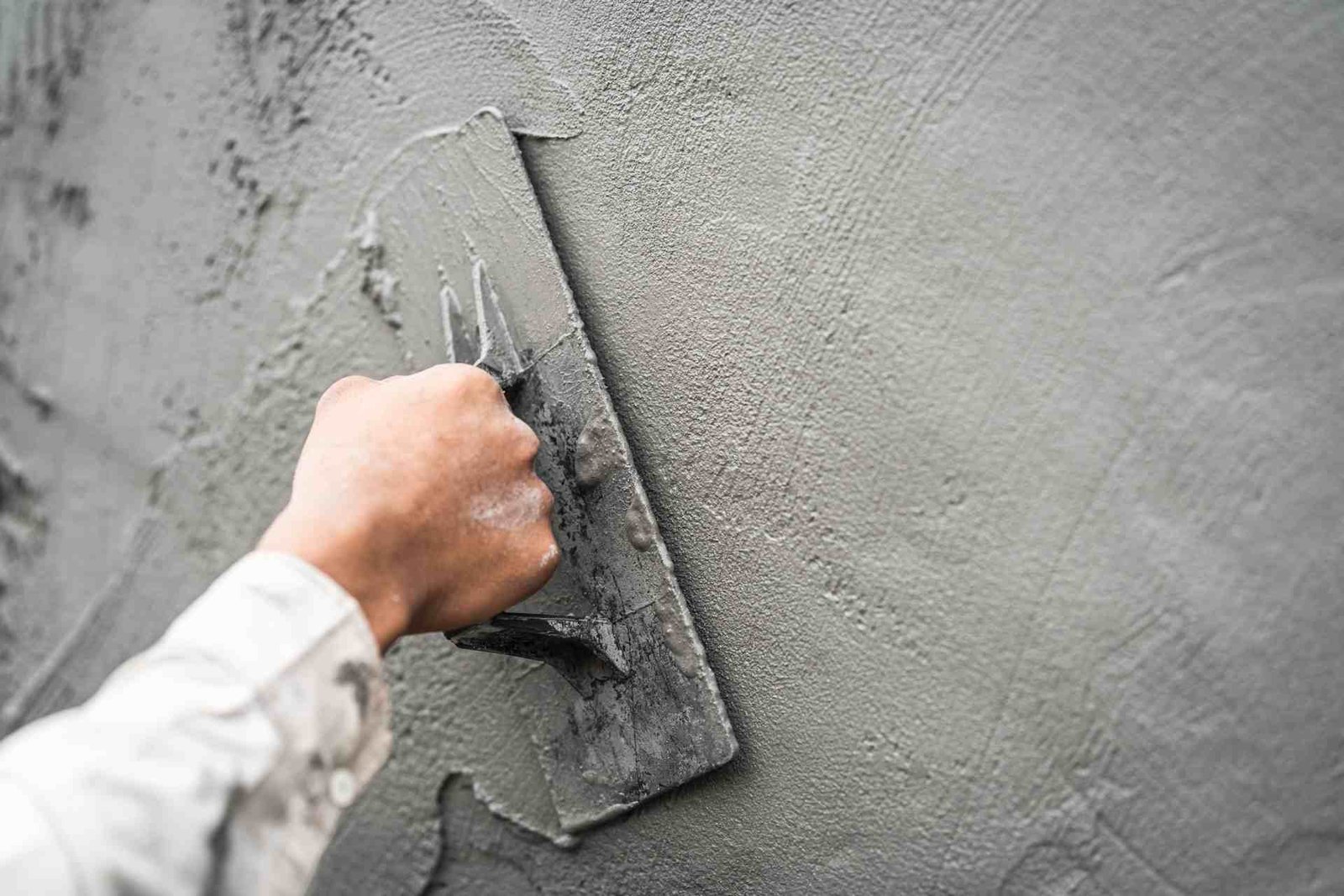
Construction worker applying flexible mortar with a trowel

Enhanced Flexibility

RDP helps improve flexibility and allows the mortar to better absorb stress and movement. MikaZone’s polymer-modified mortar content explicitly contrasts higher flexibility and crack resistance versus unmodified mortar.

Wall repair and crack remediation on a building facade

Better Crack Resistance

By forming a polymer film through the matrix, RDP helps reduce brittleness and improve resistance to cracking under movement or stress.

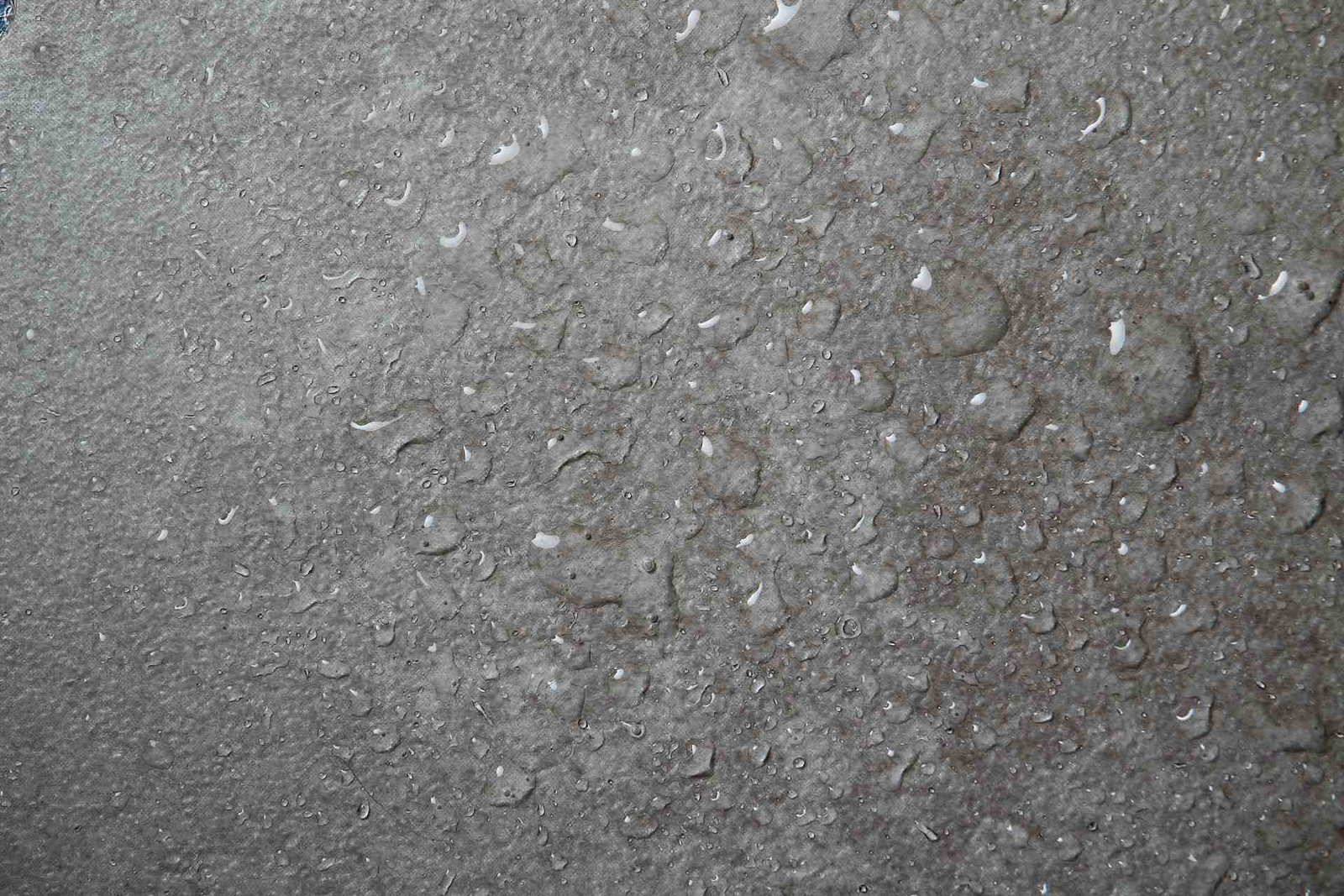
Water beading on a treated hydrophobic surface

Improved Water Resistance

MikaZone’s polymer-modified mortar explanation notes that quality RDP contributes to hydrophobic barrier formation and reduced water ingress in mortar systems.

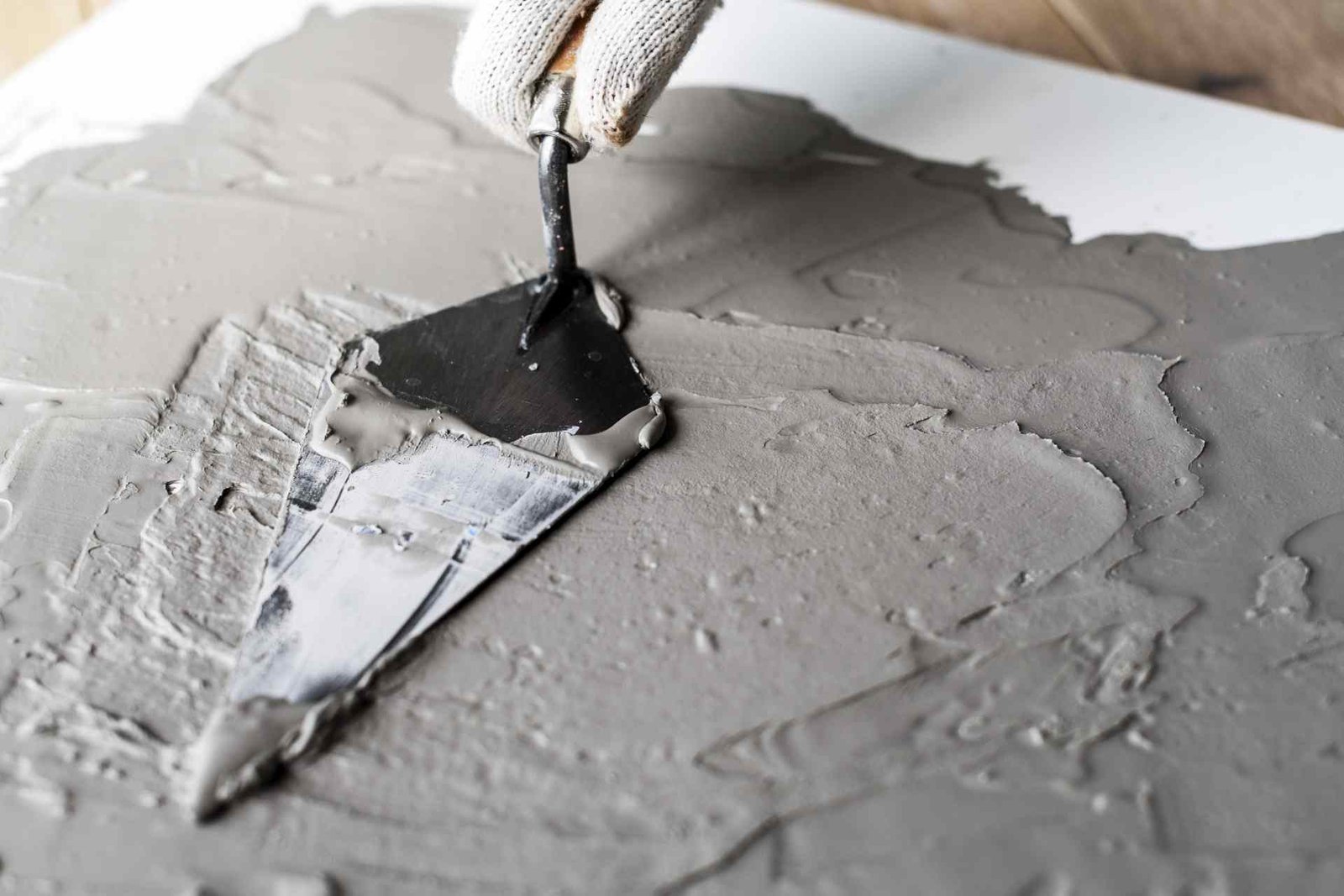
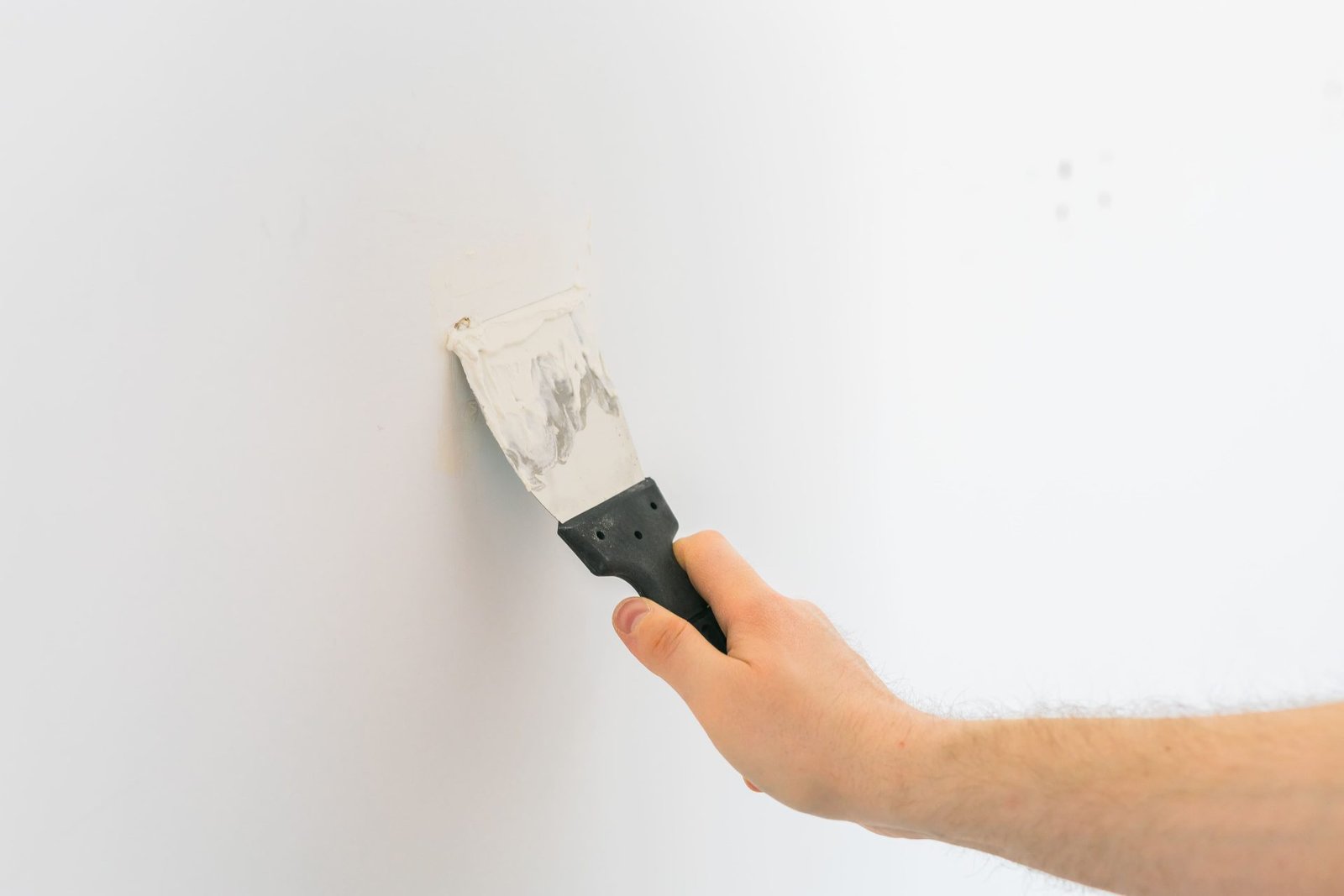
Smooth mortar application and finishing on site

Improved Workability and Durability

RDP improves not only adhesion and flexibility, but also the overall handling and long-term performance of modified mortars. MikaZone’s product and technical pages repeatedly connect RDP with upgraded mortar performance.

Section 3 — Typical Applications

Typical Applications of RDP

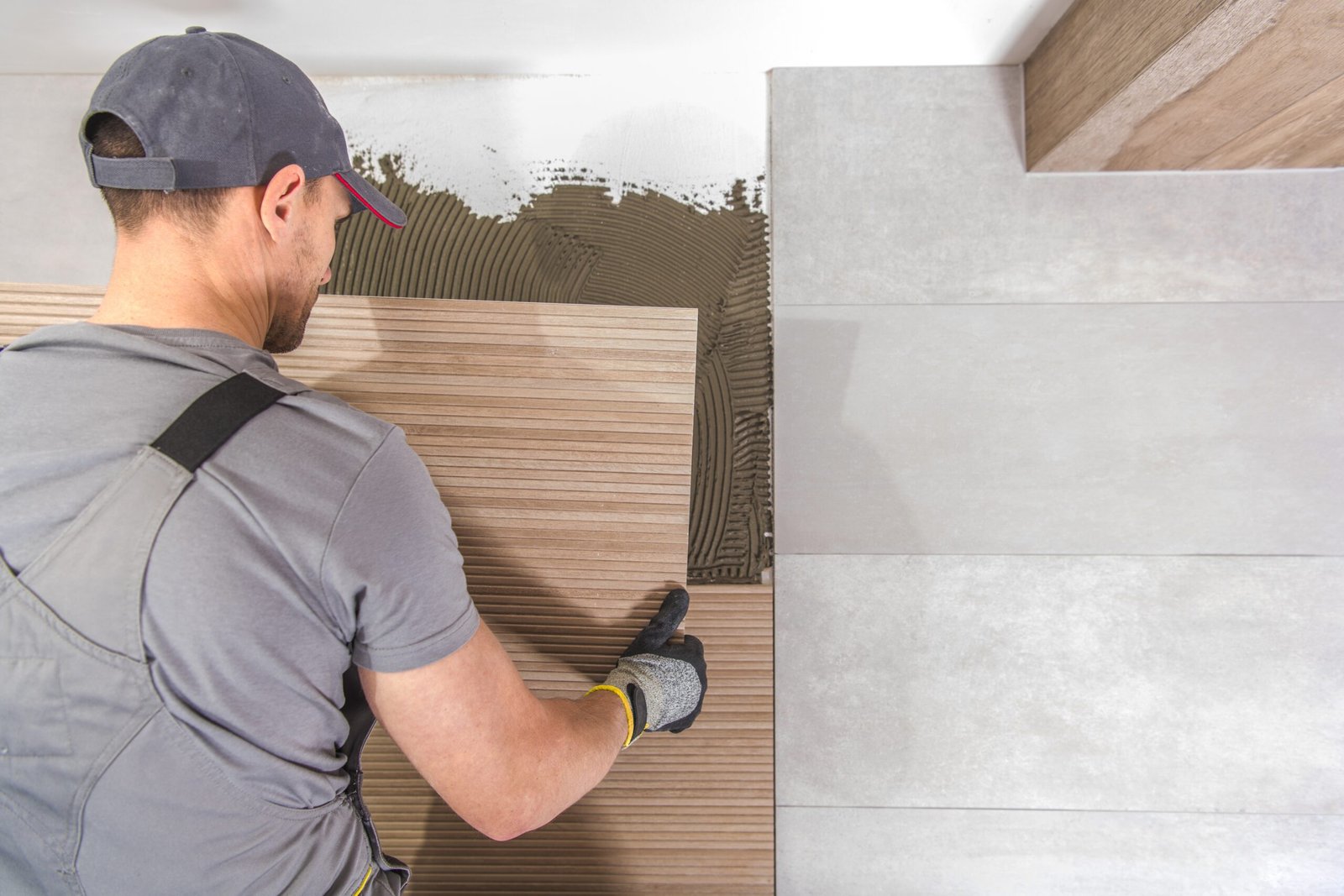
Professional tile installation with high-performance adhesive

Tile Adhesives

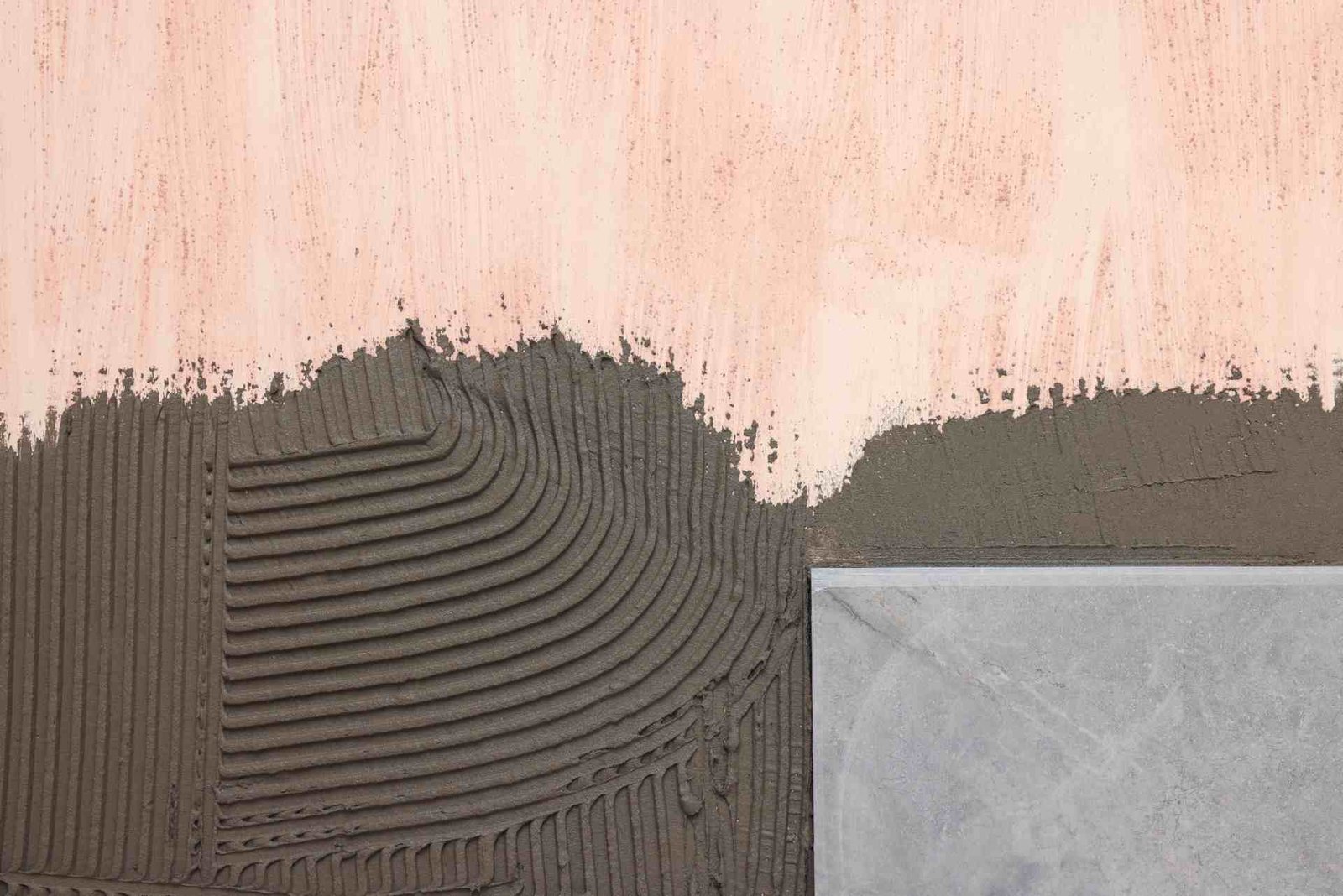
RDP is widely used in tile adhesive systems to increase bond strength, improve flexibility, and support longer-lasting adhesion performance. MikaZone’s product pages position RDP as a common modifier used together with cellulose ether in building mortars, and its technical content on flexible tile adhesive highlights low-Tg flexible RDP for crack resistance and stress absorption.

Structural repair work on concrete

Repair Mortars

Repair mortars often require better toughness, bonding, and durability than standard cement mortar. MikaZone’s polymer-modified mortar article explicitly lists repair applications among key RDP use areas.

Interior plaster and wall finishing

Plaster & Rendering

In plaster and rendering systems, RDP helps improve flexibility, adhesion, and overall performance stability, especially where higher durability is required. MikaZone’s broader RDP overview refers to multiple mortar applications.

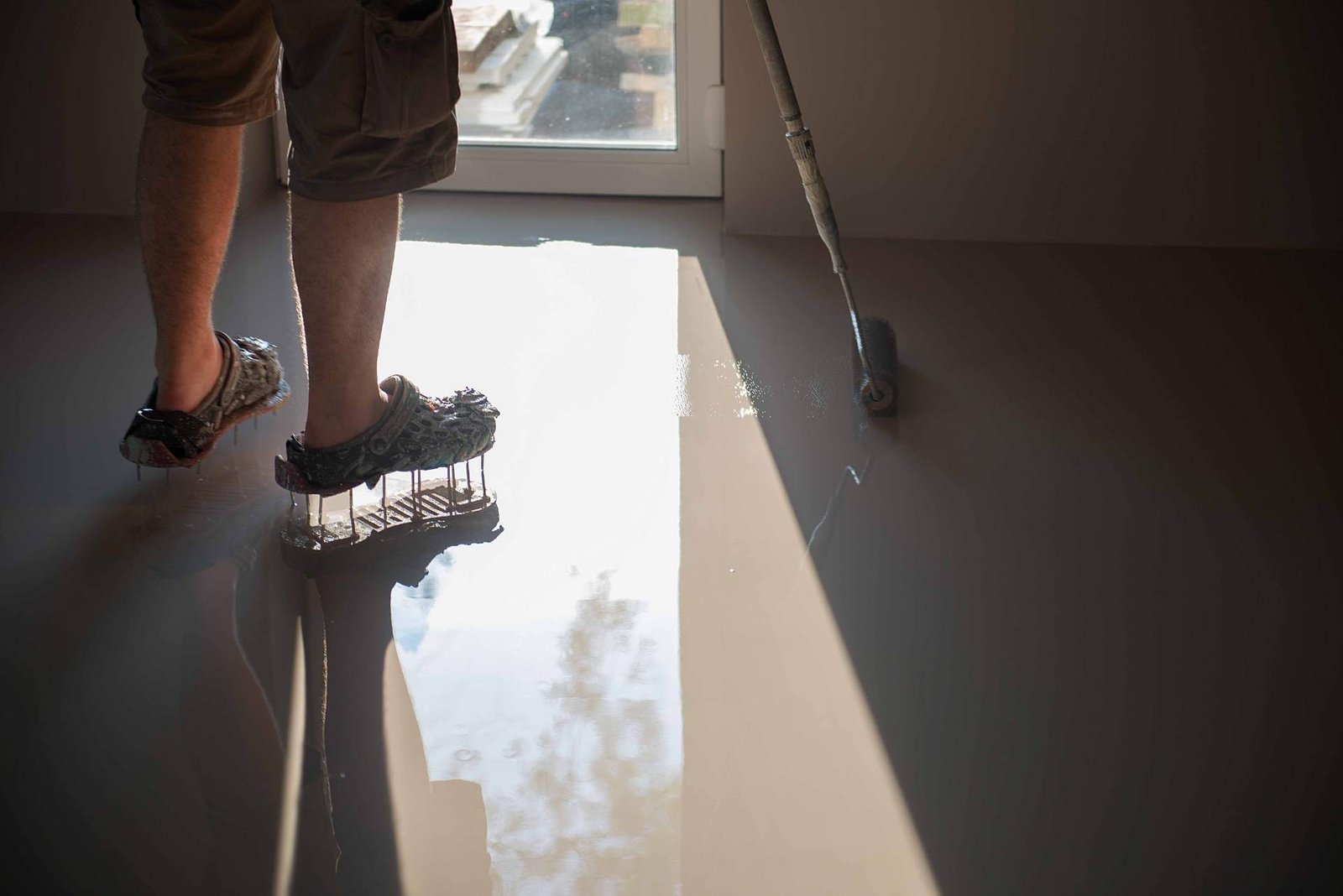
Self-leveling compound being poured on a floor

Self-Leveling

RDP can be used in self-leveling systems where toughness, flexibility, and adhesion improvement are needed alongside controlled flow and leveling behavior. MikaZone’s polymer-modified mortar article includes self-leveling among its example application categories.

Construction site bonding and structural mortar work

Bonding Mortar

MikaZone’s RDP application article specifically discusses bonding mortar and states that RDP significantly improves its bonding strength and durability.

Modern wet-area construction requiring waterproof mortars

Waterproof Mortars

MikaZone’s waterproof mortar additive article states that its HPMC, RDP, and PCE products provide the performance characteristics needed for reliable waterproofing systems, reinforcing RDP’s role in demanding wet-service environments.

Section 4 — Why Choose MikaZone RDP

Industrial facility and precision manufacturing for construction additives
Manufacturer-grade RDP & additive portfolio

Why Choose MikaZone RDP

MikaZone presents RDP under the MikaVAE brand and describes it as a specialized high-quality redispersible polymer powder product line. Its company pages state that, in addition to cellulose ethers, it manufactures high-quality RDP for various applications.

MikaZone also publicly positions itself as a supplier of multiple RDP specifications and provides downloadable RDP product leaflets in its download center.

Key Reasons

  • Core RDP product line publicly listed alongside HPMC, HEMC, and HEC.
  • Manufacturer-backed product family with multiple grades and modification logic.
  • Public technical content connecting RDP with tile adhesive, repair mortar, plaster, self-leveling, and waterproofing performance.
  • Downloadable RDP leaflet and broader construction additive portfolio support.
  • Local recommendation and support through Mandalas.

Section 5 — Technical Characteristics

Key Technical Characteristics

MikaZone’s public RDP overview does not expose a full technical table in the indexed snippet, but it does provide several important public selection indicators, especially around naming logic and minimum film formation temperature.

Publicly Available Product Characteristics

  • Product TypeRedispersible Polymer Powder (RDP) / polymer powder modifier.
  • Use ModeTypically used together with cellulose ether to modify mortar properties.
  • Selection LogicMultiple specifications for different application needs.

Naming / Modification Clues

PHPMC-related recommendation
EHEMC-related recommendation
HEHEC-related recommendation
K1000 viscosity reference in MikaZone’s naming explanation
SSurface treatment
LLonger open time
RSlip resistance / improved rheology
BBiological resistance

Minimum Film Formation Temperature (MFFT) Examples

GradeMFFT
MK1610N5°C
MK3510N0°C
MK3520N0°C
MK8025H0°C

Note: For a final product page, detailed ash, bulk density, Tg, protective colloid, and exact application dosage tables should come from your internal TDS or official leaflet PDF rather than be guessed.

Technical documents and specification review for RDP product data
TDS, naming logic & MFFT selection references

Section 6 — Available RDP Models

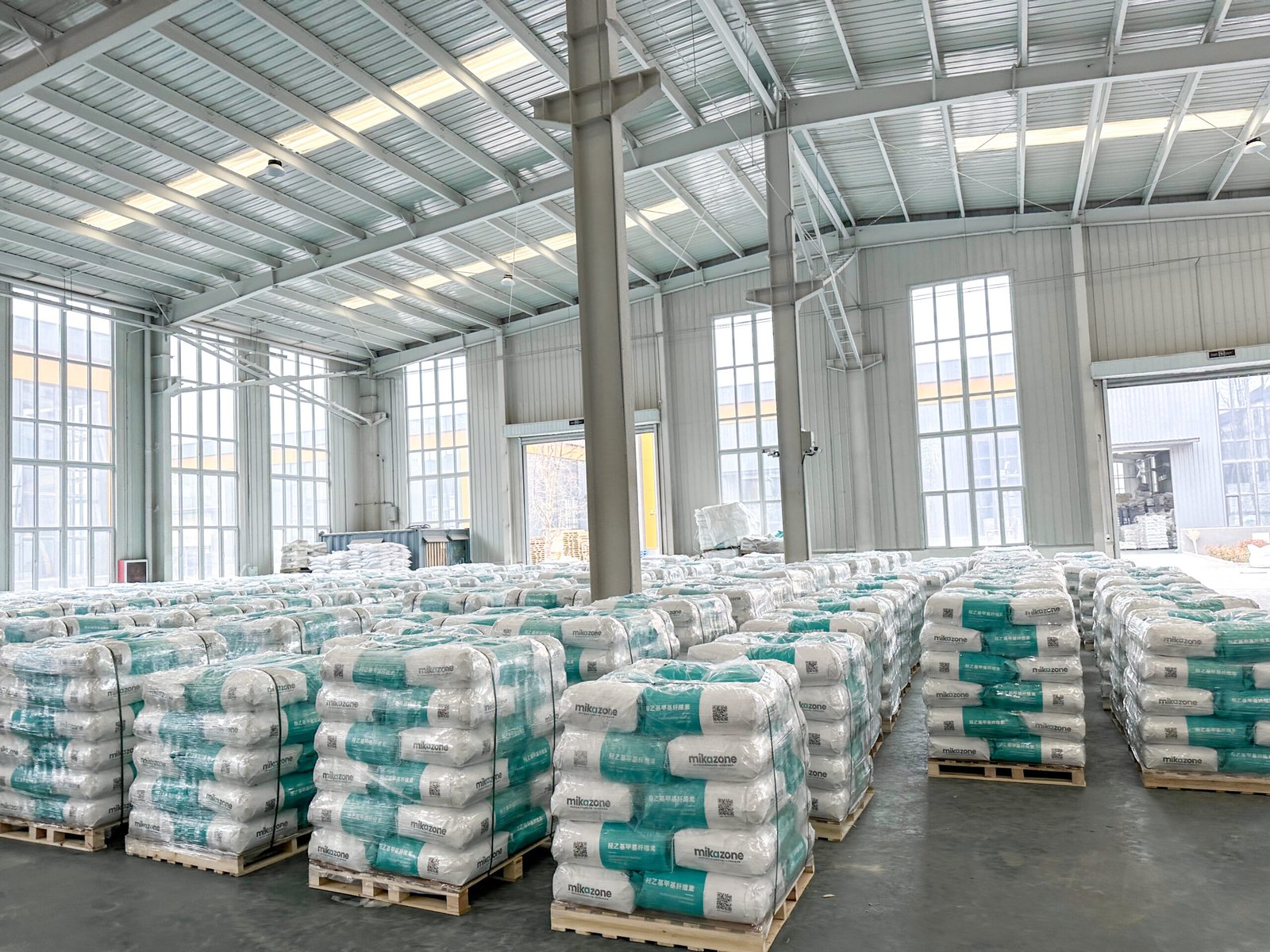
Industrial bags of dry-mix construction polymers and RDP grades
25 kg class industrial presentation — multiple grades

Available RDP Grades

Main Models

MK8028H MK8025H MK8022H MK3520N-MTG MK3530N-LTG MK3510N-HTG MK1620N MK1610N

Selection Note: Different RDP grades should be matched to the application’s priorities, such as flexibility, open time, rheology, slip resistance, and low-temperature film formation. MikaZone’s public naming explanation supports this kind of application-based selection logic.

Section 7 — Application-Oriented Selection Logic

How We Help You Choose the Right RDP

At Mandalas, we help customers select RDP based on:

  • Application
  • Target performance
  • Binder and filler structure
  • Need for flexibility or crack resistance
  • Need for longer open time or improved rheology
  • Trial feedback

Typical Selection Logic

  • Flexible tile adhesives Choose grades that support flexibility and crack resistance, especially low-Tg systems when movement tolerance matters. MikaZone’s flexible tile adhesive content highlights low-Tg RDP in the -20°C to 0°C range for this purpose.
  • General bonding and repair mortars Choose grades focused on adhesion improvement and durability.
  • Waterproof and high-durability mortars Choose grades that contribute to reduced water ingress and stronger long-term performance.
  • Systems needing longer open time or improved rheology Select based on MikaZone’s published modification logic for L and R variants.
Technical team collaborating on formulation and grade selection
Application-first grade selection with Mandalas

Section 8 — Packaging & Storage

Warehouse storage with pallets and dry industrial materials
Cool, dry storage & pallet handling

Packaging & Storage

Packaging

MikaZone’s product pages visually show standard 25 kg industrial packaging for RDP alongside its cellulose ether product presentation.

Storage Recommendations

  • Store in a cool, dry, well-ventilated place.
  • Keep bags tightly sealed to prevent moisture absorption.
  • Store on pallets and protect from direct water exposure.
  • Apply FIFO inventory control where possible.

Note: For final customer-facing use, exact shelf life and pallet/loading details should be taken from your internal RDP TDS or leaflet PDF.

Section 9 — Local Technical Support

Recommendation & Support in Venezuela

At Mandalas, we do more than list RDP grades. We help customers in Venezuela choose a suitable starting point based on:

  • system type,
  • application,
  • required flexibility or adhesion level,
  • raw materials,
  • and trial feedback.

Support Includes

  • Product recommendation by application
  • Starting dosage guidance
  • Troubleshooting support
  • Trial adjustment direction
  • Local supply coordination
  • TDS/SDS support when required
Professional support and consultation for construction customers
Mandalas — local RDP recommendation & coordination

Section 10 — FAQ

RDP FAQ

Q1: What is RDP mainly used for in construction?

RDP is mainly used to improve adhesion, flexibility, crack resistance, workability, and durability in polymer-modified cementitious materials such as tile adhesives, repair mortars, renders, self-leveling systems, and waterproof mortars.

Q2: Does RDP work together with cellulose ether?

Yes. MikaZone’s product pages explicitly state that RDP is usually used with MikaZone cellulose ether products to modify building mortar properties.

Q3: How do I choose the right RDP grade?

The right grade depends on the target application and performance priorities, such as flexibility, adhesion, rheology, open time, and low-temperature film formation. MikaZone’s published naming logic supports this selection approach.

Q4: Can you recommend a dosage range?

Yes. Dosage depends on the formulation, binder system, filler structure, and required performance level. We can recommend a practical starting window based on your formula.

Q5: Do you provide documents?

Yes. TDS/SDS support can be provided when required, and MikaZone also publicly offers an RDP leaflet through its download center.

Need the right RDP grade for your formulation?

Tell us your application, raw materials, and performance targets. We’ll recommend a suitable RDP grade and starting selection logic to help you begin trials faster and improve performance more efficiently.

1 Chat with us