
Sodium Carboxymethyl Cellulose
CMC — Water-Soluble Cellulose Ether
Reliable CMC solutions for formulations that require viscosity build, improved adhesion, better water retention, and smoother application performance across compatible construction and water-based systems.
What Is CMC?
Sodium Carboxymethyl Cellulose (CMC) is an anionic, water-soluble cellulose ether derived from renewable cellulose sources. MikaZone publicly describes CMC as a versatile polymer used across multiple industries, with functions centered on viscosity control, thickening, and system performance improvement.
In practical use, CMC is selected when a formulation needs stronger viscosity build, better adhesion, smoother spreading, and improved water management. In construction-related applications, MikaZone's own technical article explains that CMC is valued for increasing viscosity, improving adhesion, extending open time, and supporting durable application results in materials such as wall putty, tile adhesives, and gypsum plasters.
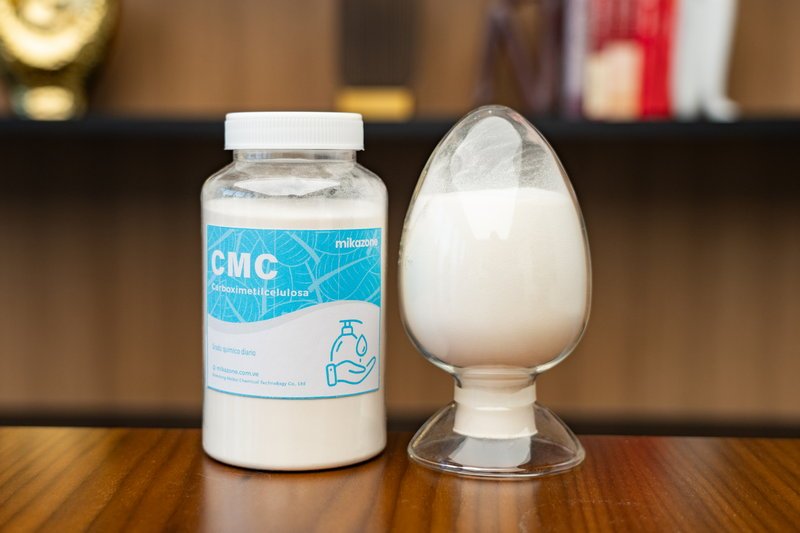
Why CMC Matters in Compatible Formulations
CMC is often chosen when a formulation needs a balance of thickening, binding support, and improved handling behavior. It is especially useful where smooth application and adhesion performance need to be enhanced.
Higher Viscosity Build
MikaZone states that CMC delivers strong thickening performance and is mainly used where viscosity increase is important.
Improved Adhesion
In its construction-focused CMC article, MikaZone notes that CMC improves adhesion and helps workers apply mortars and related products more easily with smoother finishes.
Extended Open Time
MikaZone explicitly states that CMC can extend open time in tile adhesives and other construction materials.
Better Water Retention
CMC also contributes to water retention, helping reduce premature evaporation and maintain flexibility during application.
Smoother Workability
By improving viscosity and spreading behavior, CMC can help formulations feel smoother and easier to apply in compatible systems. This is a recurring theme in MikaZone's CMC construction article.
Typical Applications of CMC
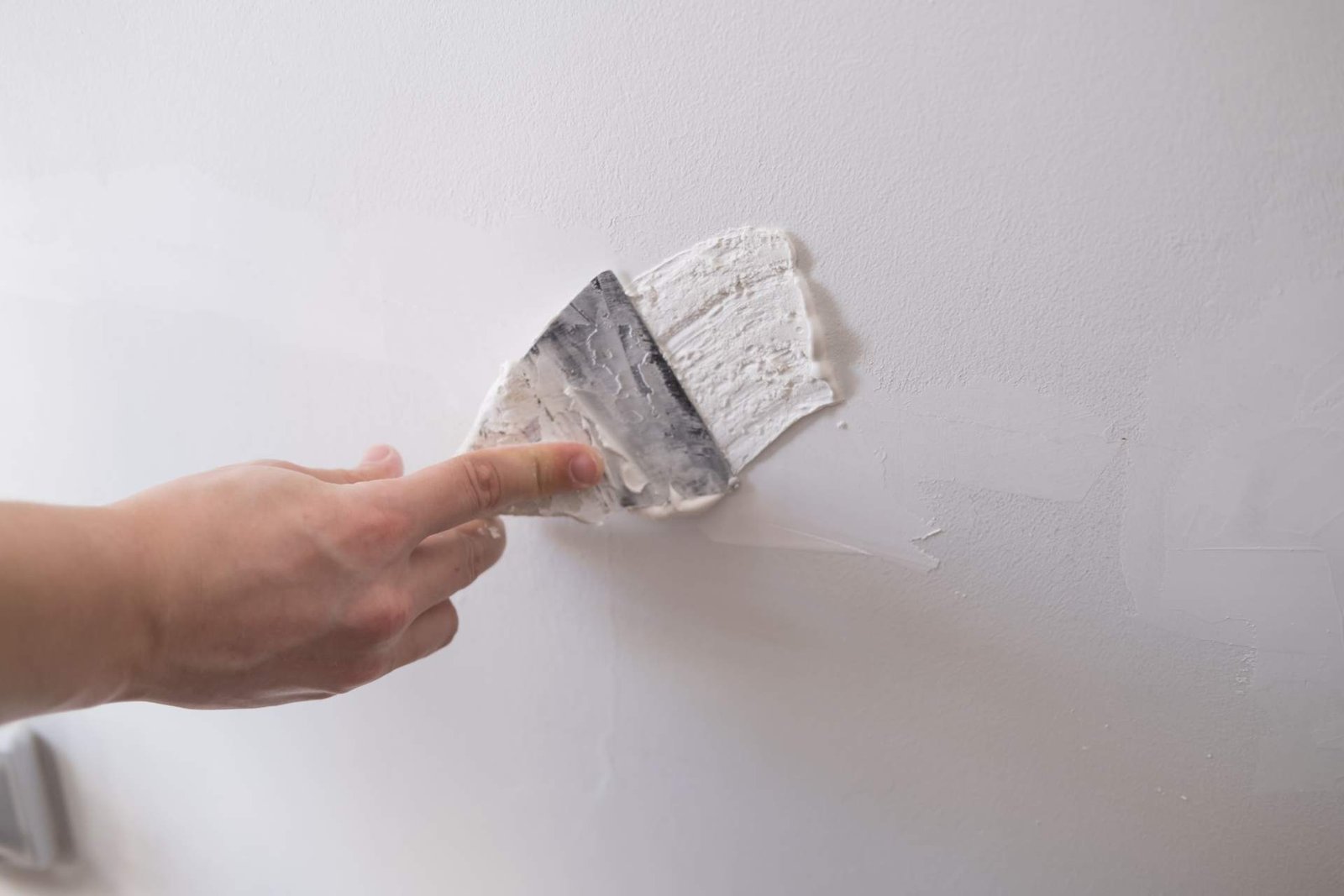
Wall Putty
MikaZone states that CMC is mainly used in wall putty within the construction segment, where it provides smooth application and strong adhesion to surfaces.
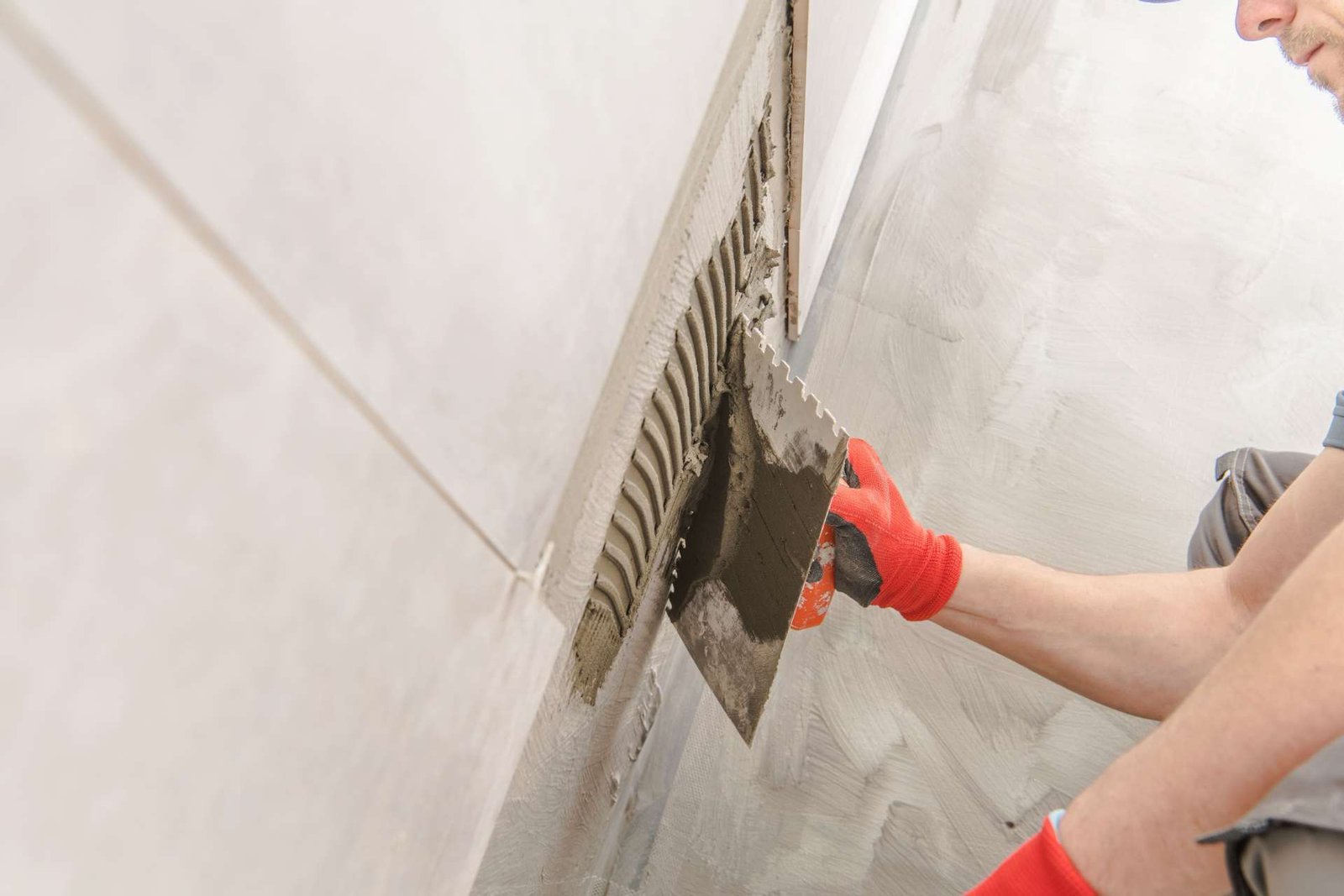
Tile Adhesives
MikaZone explains that in tile adhesives, CMC can extend open time, improve bonding strength, and increase slip resistance.

Gypsum Plasters
MikaZone also highlights gypsum plasters as a CMC application, stating that CMC allows more flexibility in installation and helps prevent early drying.
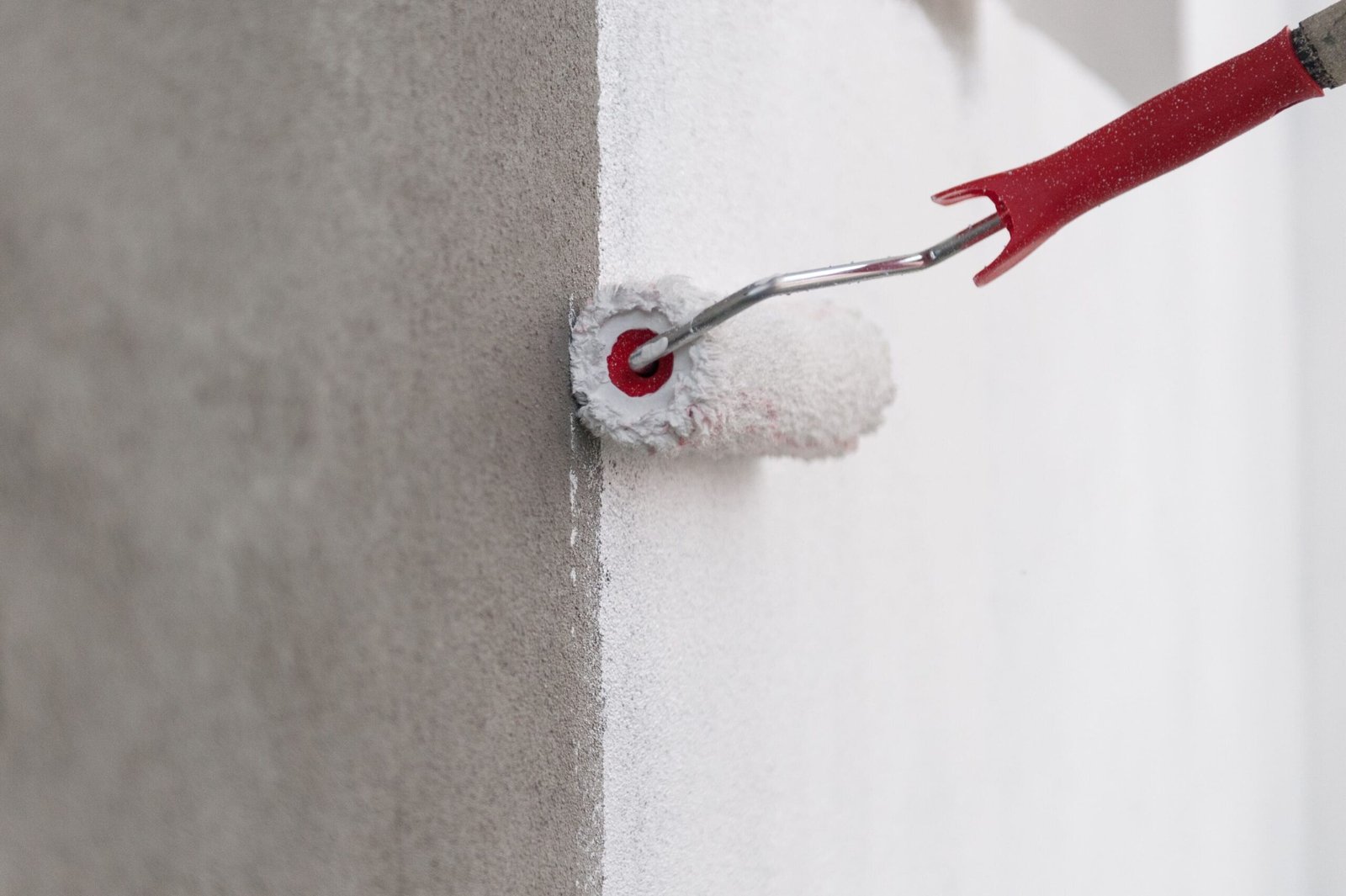
Other Water-Based or Compatible Systems
MikaZone's main CMC page positions CMC as a widely used, general-purpose cellulose derivative across multiple fields, which supports its use in additional compatible water-based or specialty formulations depending on system design.
Why Choose MikaZone CMC
MikaZone publicly lists CMC as part of its cellulose product offering and presents it as a high-quality product for multiple industries. MikaZone's construction-focused article further positions its CMC as suitable for modern building materials, especially where strong viscosity, adhesion, open time, and workability are needed.
Part of MikaZone's Cellulose Portfolio
CMC is publicly listed as part of MikaZone's cellulose product family.
Construction-Connected
MikaZone directly connects CMC with construction uses such as wall putty, tile adhesives, and gypsum plasters.
Performance Focus
Public emphasis on viscosity building, adhesion, water retention, and open time improvement.
Local Support via Mandalas
Local recommendation and support through Mandalas in Venezuela.
Key Technical Characteristics
MikaZone's public CMC page describes CMC at a family level rather than exposing a full indexed technical table. The page clearly identifies its material type and core chemical behavior.
| Characteristic | Description |
|---|---|
| Product Type | Sodium Carboxymethyl Cellulose (CMC) |
| Material Nature | Anionic, water-soluble polymer derived from renewable cellulose sources |
| Primary Functional Direction | Thickening, viscosity building, adhesion improvement, and water retention support |
Available CMC Grades
How We Help You Choose the Right CMC
At Mandalas, we help customers select CMC based on application, target viscosity, need for stronger adhesion or open time, water retention requirements, system compatibility, and trial feedback.
Wall Putty Systems
Select for smooth spreading, stable viscosity, and surface adhesion.
Tile Adhesives
Select where open time, bonding support, and slip resistance improvement are priorities.
Gypsum Plasters
Select where flexibility during application and anti-early-drying behavior are needed.
Packaging & Storage
Packaging
MikaZone's indexed CMC pages in this pass did not expose a packaging table in the snippet. For final site use, it is better to show your actual packaging standard from internal documents or warehouse practice rather than guess.
Suggested Storage Guidance
- Store in a cool, dry, well-ventilated place
- Keep packaging tightly sealed to prevent moisture absorption
- Store on pallets and avoid direct water exposure
- Apply FIFO inventory control where possible
Recommendation & Support in Venezuela
At Mandalas, we do more than list CMC grades. We help customers in Venezuela choose a suitable starting point based on application, target viscosity, required adhesion and workability, raw materials, and trial feedback.
Product Recommendation
By application type
Dosage Guidance
Starting point suggestions
Troubleshooting
Issue diagnosis support
Trial Adjustment
Direction and feedback
Supply Coordination
Local logistics support
TDS/SDS Support
When required

CMC FAQ
Need the right CMC grade for your formulation?
Tell us your application, target viscosity, and performance needs. We'll recommend a suitable CMC grade and starting selection logic to help you begin trials faster.