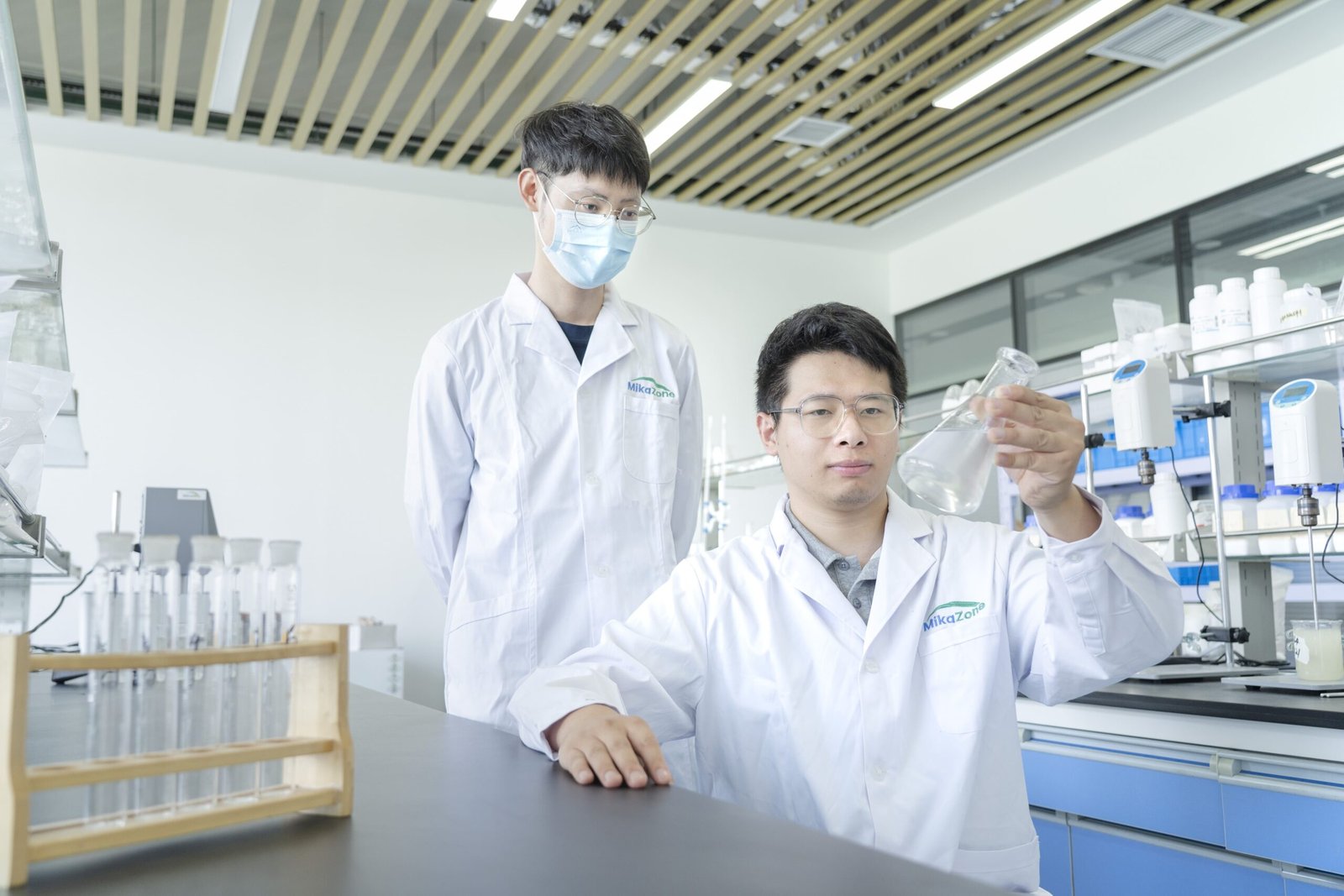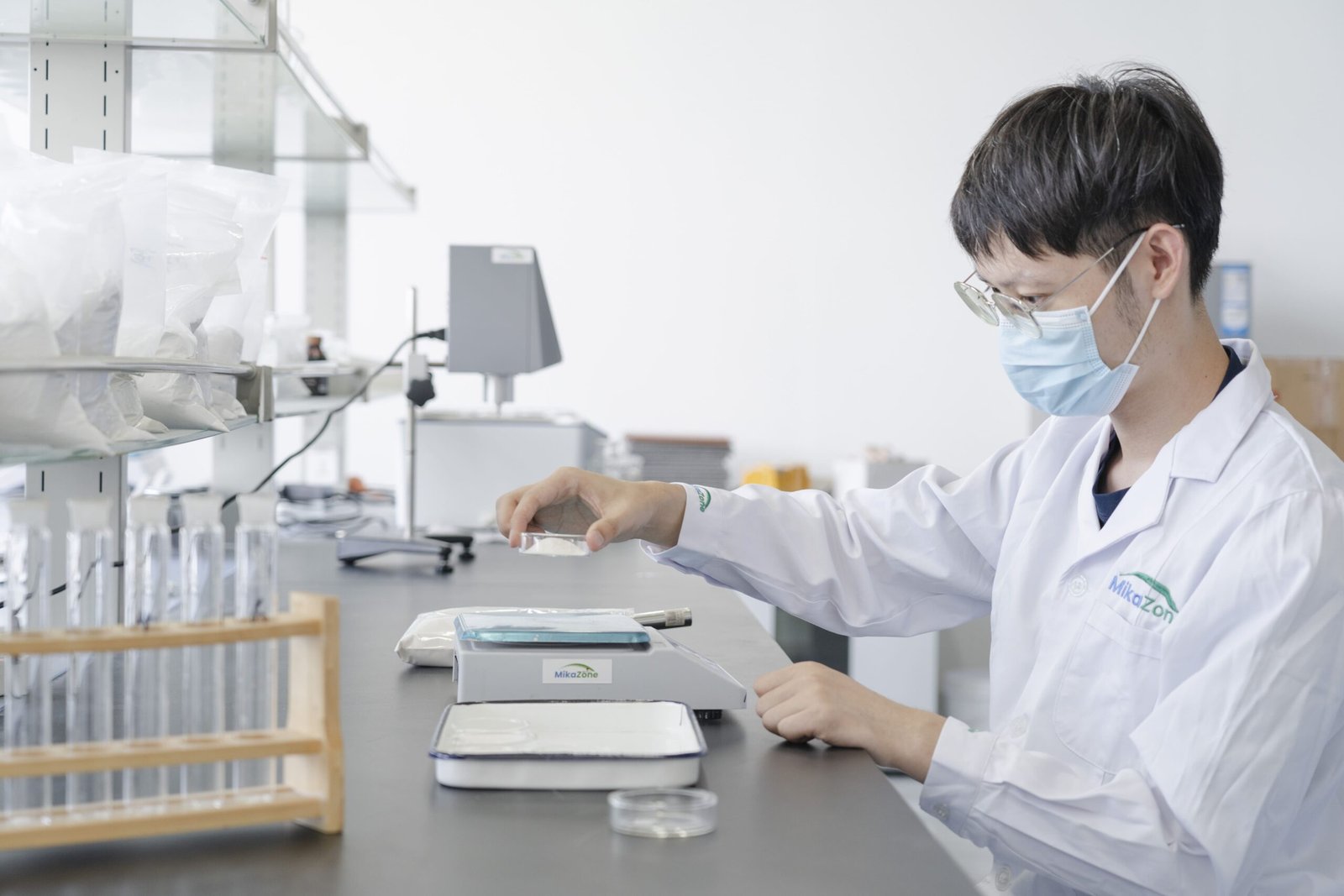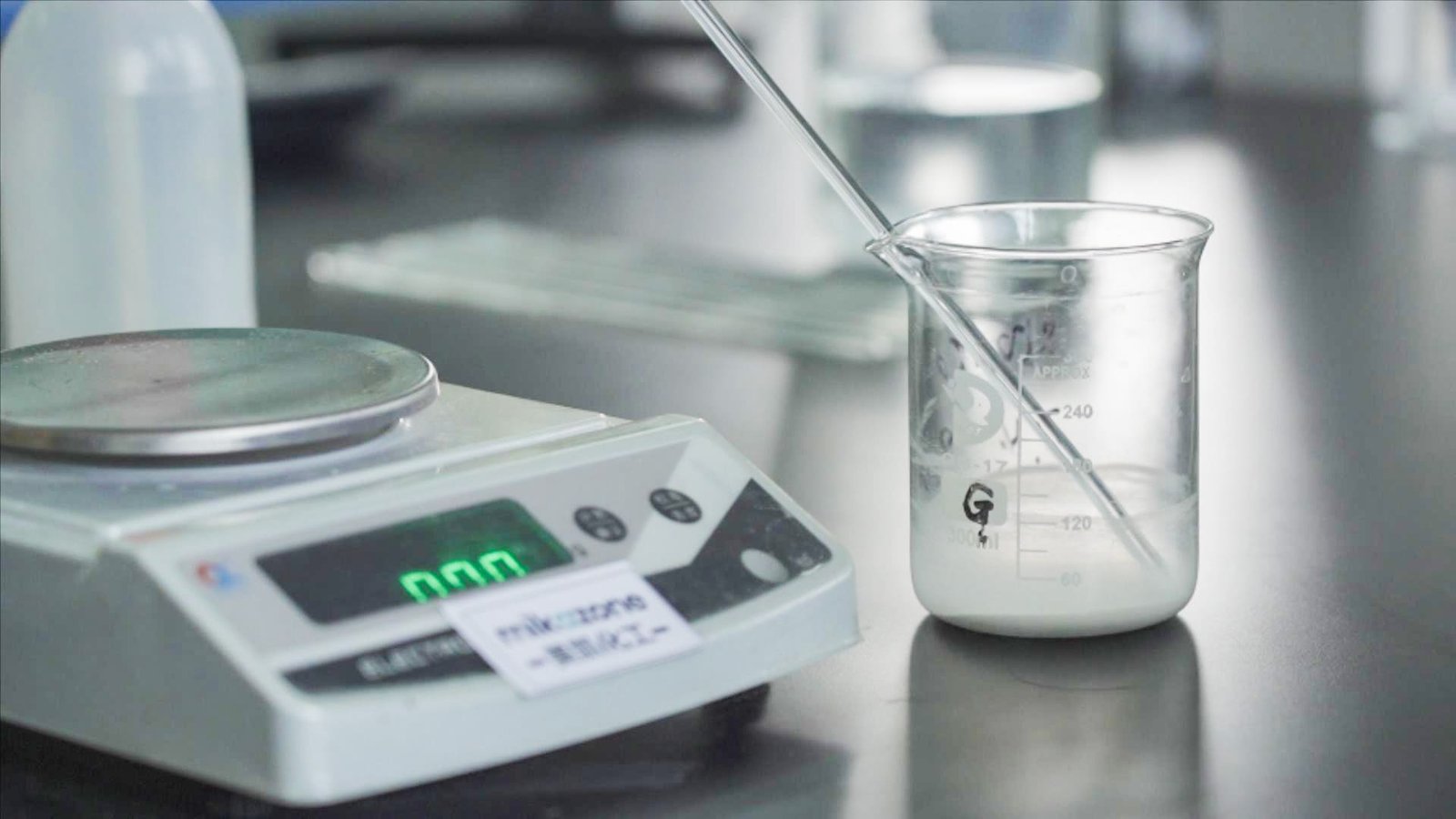
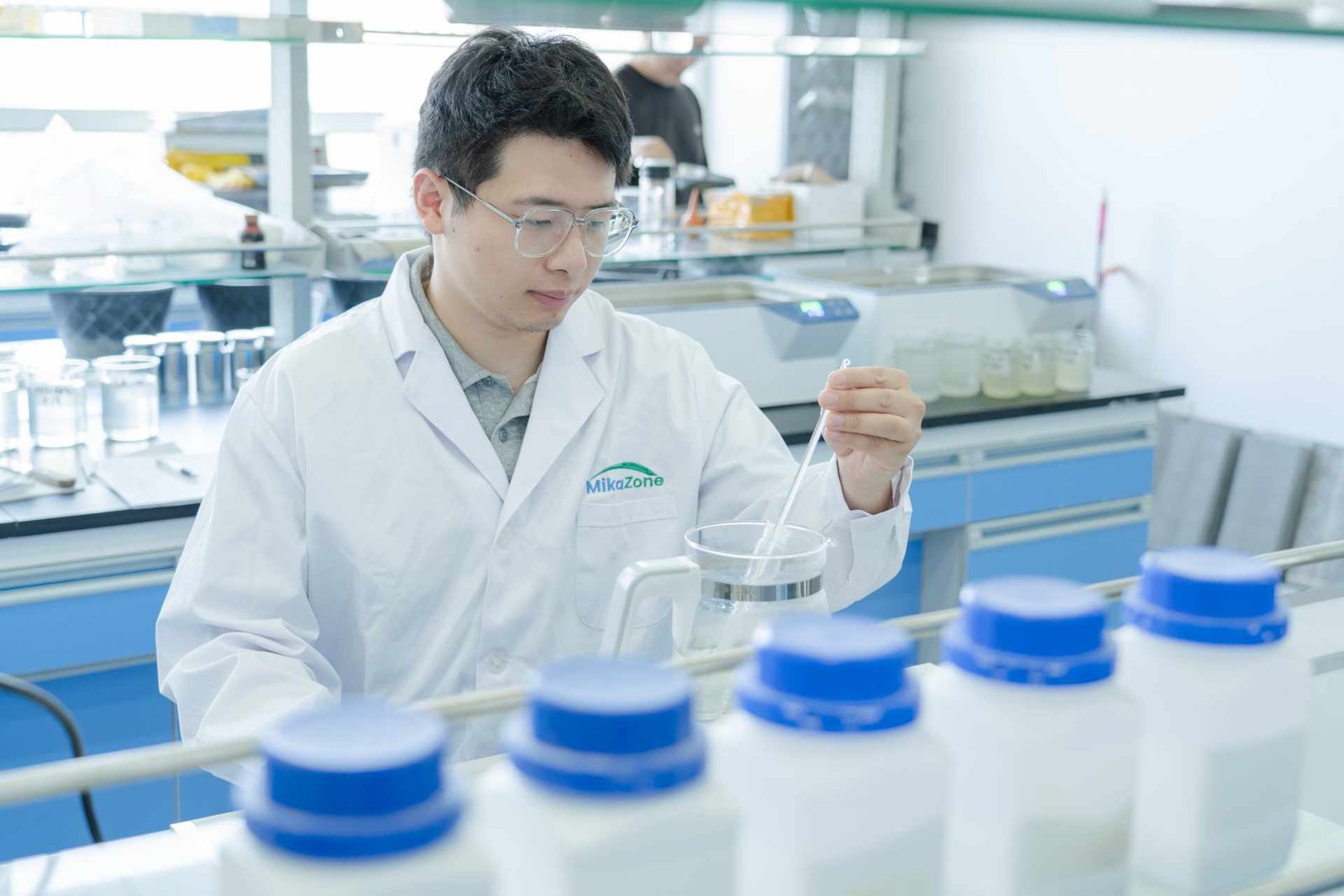
Laboratory researcher analyzing building material formulation samples
Formulation Assistance MikaZone · Mandalas Venezuela

Formulation
Assistance

Structured formulation support for dry-mix powders and premixed paste/liquid systems — helping you reach target performance faster, reduce trial cycles, and stabilize results across raw material changes and jobsite conditions.

  • New Formulation Development & Reformulation Support From blank slate to optimized formula — or from a drifting existing system back to stable performance.
  • Clear Recommendations with Dosage Guidance & Test Checkpoints Every recommendation includes a starting dosage range and a practical trial checklist.
  • Technical Follow-Up Until Performance Is Stable and Repeatable We stay engaged through trial cycles — adjusting selection and dosage until results hold.

Systems We Support
Dry-Mix Powder
Tile adhesive, putty, mortar, gypsum, ETICS, SL
Premixed Paste / Liquid
Waterproofing, coatings, primers, adhesives, sealants
Support Workflow
1
Diagnose
2
Recommend
3
Trial
4
Optimize
< 24h
First Response
Dry & Pre
Full Coverage
VE Local
On-Ground Support
New Dev & Reform
Both Directions Covered
Dosage + Checklist
Every Recommendation
Full Trial Cycle Support
Until Stable & Repeatable
TDS / SDS
Documentation on Request
Lab technician analyzing building material formula with chemical samples
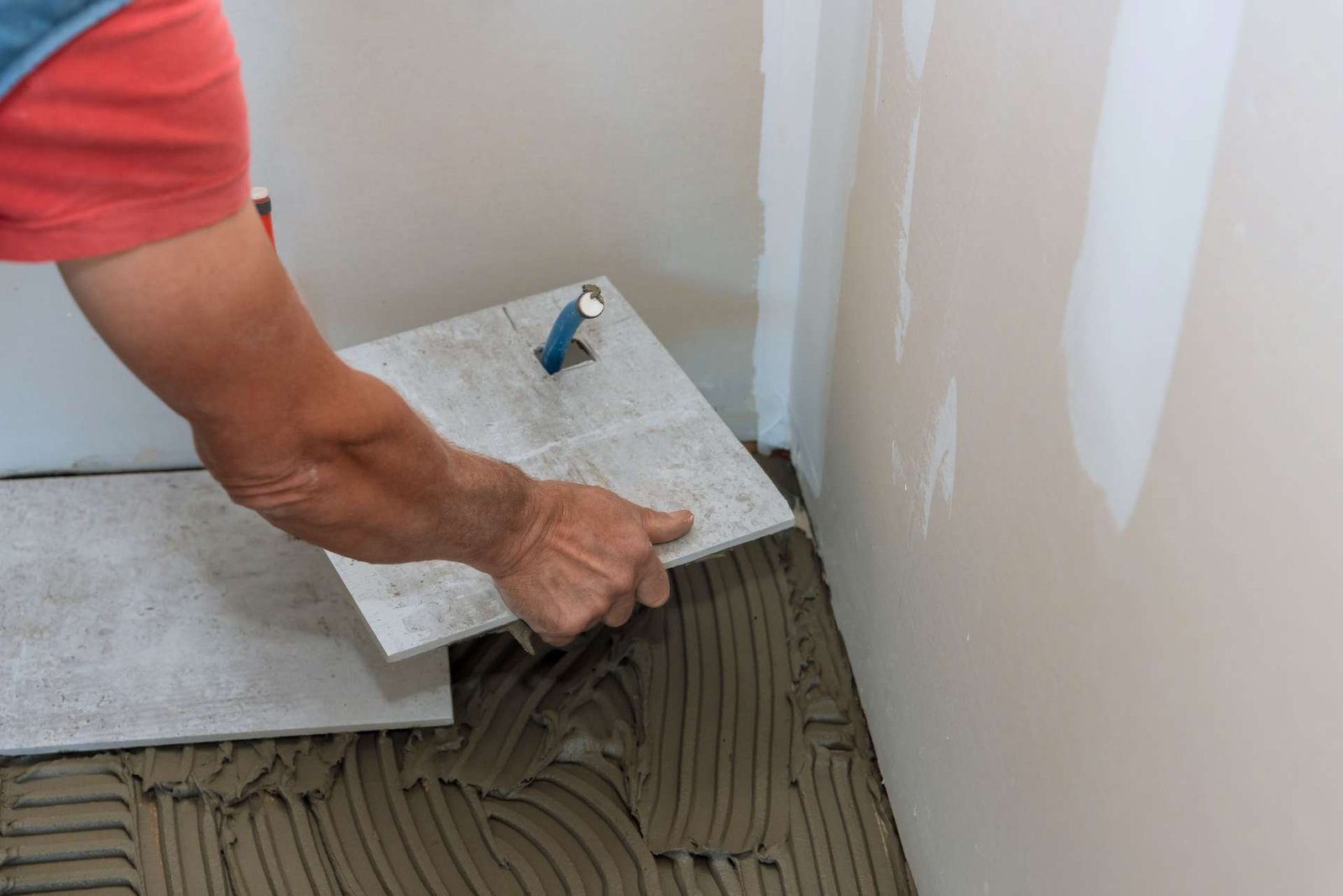
Construction worker applying formulated adhesive mortar on site
Structured
Formulation Process
Section 01

From a Formula Idea to
Stable, Repeatable Performance

In construction materials, performance is system-driven. A successful formulation depends on the balance between binders, fillers, polymers, and functional additives — plus mixing method, water demand, temperature, and storage conditions.

Formulation Assistance is our structured service to help you:

  • Identify the key variables that control performance
  • Choose a suitable additive package for your system
  • Define a practical dosage window for trials
  • Build a trial plan that leads to stable results faster

Best for: manufacturers, OEM/ODM producers, and project teams who need reliable outcomes — not guesswork.
Construction team professionals working on building project
Section 02
Designed for the People
Who Own Results
Four distinct roles, one shared goal: formulations that perform consistently in the real world.
R&D / Formulation Formulation engineer working in chemical laboratory
R&D / Formulation Engineers
  • New product development & performance upgrades
  • Faster iteration with clear test checkpoints
  • Troubleshooting with structured adjustment directions
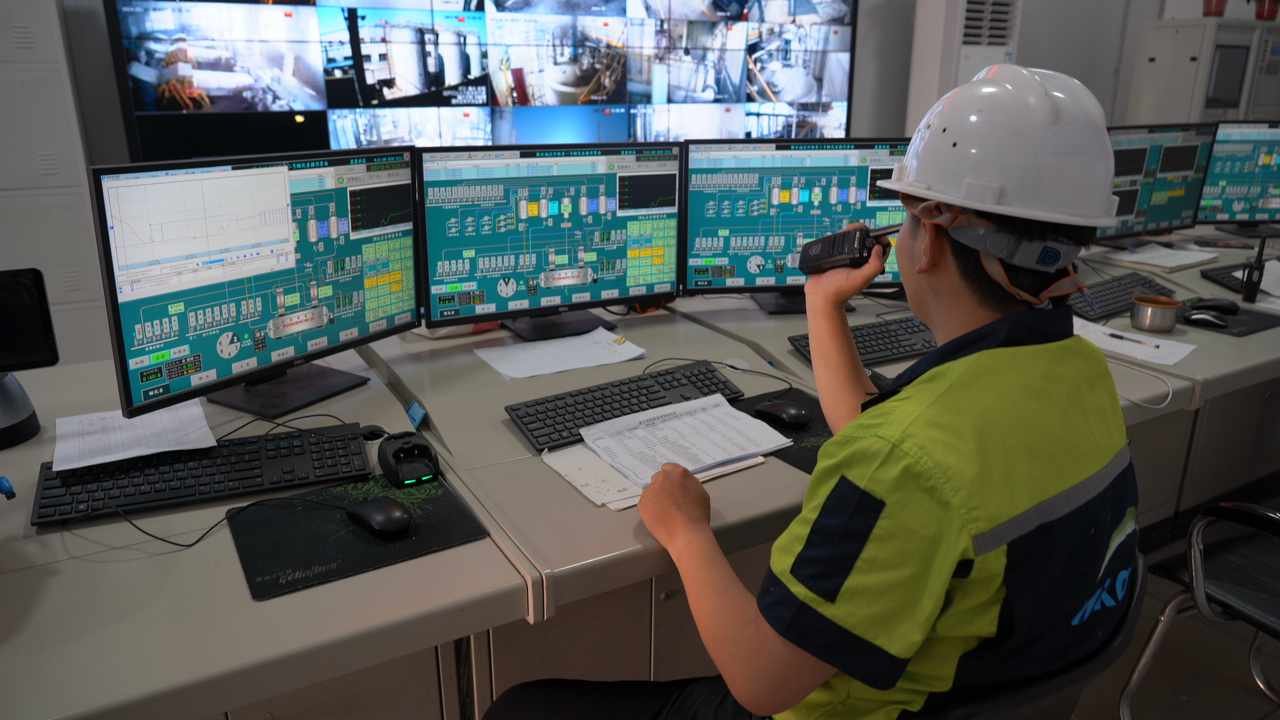
Production Production manager overseeing dry mortar manufacturing plant
Production Managers
  • Stabilize performance when raw materials change
  • Reduce batch variation and on-site complaints
  • Moisture/mixing condition adjustments
Purchasing Purchasing manager reviewing supply chain documentation
Purchasing Teams
  • Reformulation support when supply changes
  • Cost target optimization & substitution strategy
  • Documentation support for compliance
Contractors Contractor applying tile adhesive mortar on construction jobsite
Contractors / Applicators
  • Sagging, short open time, poor workability
  • Cracking risk and on-site failures
  • Practical improvement plan for real conditions
Section 03

Service Scope

We support formulation work across the full range of common building material systems — both powder and paste/liquid formats.

Dry-Mix Powder 5 System Types
  • Tile adhesives (C0/C1/C2), stone & marble adhesives
  • Wall putty / skim coat, gypsum joint filler
  • Mortars & rendering, repair mortars, grouts
  • ETICS bonding & base coat
  • Cement/gypsum self-leveling systems
Premixed Paste / Liquid 5 System Types
  • Polymer-cement & water-based waterproof coatings
  • Texture coatings, putty paste
  • Primers & bonding agents
  • Premixed adhesives and grouts
  • Sealants and repair pastes
Explore Applications
Tile adhesive application floor construction Tile & Stone Systems
Wall putty plastering smooth interior surface Wall Putty / Gypsum
Waterproofing premixed paste coating application Premixed Coatings
Engineer testing building material adhesion strength performance
Aligned to Market Positioning
Economy Standard Premium Dry-Mix Premixed
Section 04

What You Can Improve

We align recommendations to your target market positioning and key performance priorities.

Dry-Mix Powder
  • Workability & troweling feel — smoothness, cohesion, spread resistance
  • Water retention & stability under varying temperature/humidity
  • Open time / skinning control for different jobsite conditions
  • Anti-sag / slip resistance for vertical wall applications
  • Adhesion & durability — polymer modification strategy
  • Crack resistance / toughness when reinforcement is needed
Premixed Paste / Liquid
  • Viscosity control & application feel — drag, leveling, spread
  • Anti-settling, separation control & long-term storage stability
  • Compatibility with thickener systems and polymer blends
  • Foam control & surface finish quality
  • Shelf performance stability across different temperatures
Section 05

Common Reasons Customers
Request Formulation Assistance

Five real-world scenarios — each with a structured path from problem to stable result.
Scenario 01 New product development building material manufacturing plant
New Product Launch
Build a Product From Zero
You want to launch a tile adhesive / putty / waterproofing product and need a stable starting structure, additive package, and trial plan from scratch.
Scenario 02 Engineer testing upgraded building material performance in laboratory
Performance Upgrade
Upgrade Performance — Move Up a Grade
You already sell a product, but want improved open time, better anti-sag, stronger bonding, smoother feel, or better storage stability to compete at a higher level.
Scenario 03 Raw material change causing production performance drift construction
Raw Material Change
Reformulate After Raw Material Changes
Cement, fillers, or polymers changed and performance drifted — workability and consistency are no longer stable. We re-balance and restore.
Scenario 04 Cost optimization analysis of building material formula components
Cost Optimization
Reduce Cost Without Losing Key Performance
Optimize the formula structure and additive strategy while protecting the most important outcomes — performance target stays, cost per batch goes down.
Scenario 05 Contractor dealing with tile adhesive sagging failure on vertical wall
Jobsite & Production Failures
Fix Customer Complaints and Jobsite Failures
Sagging, short open time, weak adhesion, cracking, separation, foaming, or unstable viscosity — we diagnose the root cause and propose a practical fix.
Technical specialist filling out building material formulation details form
Why This Helps
You can start with just the basics. The more detail you share, the more targeted our first recommendation — and the fewer rounds of back-and-forth before you can run a trial.
Section 06

The Faster You Share,
the Faster We Can Recommend

You can start with minimal details, but this template improves accuracy and reduces back-and-forth.

A
Basic Information
Minimum required to start
  • Product type (e.g., C1 tile adhesive / interior putty / JS waterproofing)
  • System: dry-mix or premix paste/liquid
  • Target positioning: economy / standard / premium
  • Main problem or target improvement (choose 1–3 priorities)
B
Raw Materials
Recommended for accurate selection
  • Binder type (cement / gypsum / polymer-cement / water-based)
  • Main fillers (sand / CaCO₃ — mesh or fineness if known)
  • Polymer type (if used)
C
Current Formula
If available — helps us refine faster
  • Full formula with dosages OR main components + approximate ranges
  • Current additive package and dosage
  • Mixing method (sequence/time) and water ratio
D
Trial / Issue Evidence
Optional but helpful for faster diagnosis
  • Photos/videos of application behavior
  • Test results or customer complaint details
  • Storage condition for premix (temperature range, shelf duration)
Section 07

A Structured Process Built to
Reduce Trial Cycles

Six clearly defined steps from requirement intake to production-ready performance — each building on the previous to get you to a stable, repeatable result faster.

Every step produces a practical output you can act on — not just a report. Start the process with your application details and current situation.
Step 01 Technical specialist defining requirements with client for building material formulation
Step 01 — Intake
Requirement Definition
We confirm application, system type, key targets, constraints (cost/process/climate), and success criteria before anything else.
Step 02 Lab engineer reviewing formula structure binder filler balance analysis
Step 02 — Analysis
Formula Structure Review
We review binder/filler balance and identify performance drivers and risk points — water demand, cohesion, stability.
Step 03 Chemical additive strategy recommendation for building material formulation
Step 03 — Strategy
Additive Strategy & Recommendation
We propose a suitable additive strategy with an initial dosage window and usage notes tailored to your system.
Step 04 Construction material trial testing evaluation metrics checklist
Step 04 — Testing
Trial Plan & Evaluation Metrics
We provide a trial checklist: what to measure, what to compare, and how to interpret outcomes for your application.
Step 05 Engineer reviewing trial results and adjusting building material formula dosage
Step 05 — Iteration
Optimization Loop
You share trial results; we adjust selection and dosage direction to close the gap between current and target performance.
Step 06 Production scale-up building material manufacturing stable performance
Step 06 — Production
Stabilization for Production
We help confirm repeatability and provide guidance for raw material variation and scale-up from lab to plant.
Technical engineer reviewing building material deliverables documentation report
12
Deliverables
Section 08

Practical Deliverables
You Can Use Immediately

Every engagement produces a concrete, actionable output — not a generic report.

  • 01
    Product family strategy — what to use and why
  • 02
    Initial dosage range + adjustment direction
  • 03
    Mixing & usage notes to improve dispersion and consistency
  • 04
    Trial checklist — metrics and pass/fail focus points
  • 05
    Troubleshooting tree for the main performance issue
  • 06
    Compatibility notes — cement/gypsum, polymers, additives
  • 07
    Storage & handling recommendations to protect performance
  • 08
    Reformulation guidance when raw materials change
  • 09
    Positioning recommendations — economy / standard / premium
  • 10
    Premix stability guidance — anti-settling, viscosity drift control
  • 11
    Documentation support — TDS/SDS availability on request
  • 12
    Follow-up optimization based on your trial feedback until stable
Building material testing laboratory adhesion workability measurement
Section 09
How We Measure
Progress in Trials
A structured test matrix aligned to your application and market positioning — so every trial produces interpretable, actionable data.
Dry-Mix Evaluation
  • Workability & application feel
  • Water retention behavior
  • Open time / skinning behavior
  • Sag / slip resistance — vertical stability
  • Adhesion development (per internal standard)
  • Surface finish and consistency
Laboratory technician evaluating building material sample performance test Trial Evaluation
Premix Evaluation
  • Viscosity and application feel (initial)
  • Storage stability — settling / separation / viscosity drift
  • Foaming tendency and finish quality
  • Compatibility under different mixing speeds
  • Temperature sensitivity (if relevant)
Alignment note: We adjust the test emphasis to your target application and market positioning (economy / standard / premium) — so the trial effort is focused on what matters most for your specific product.
Section 10

Your Formula
Information Matters

Treated as Confidential
Used only to support selection & troubleshooting

We treat customer formulation information as confidential and only use it to support selection and troubleshooting. If you cannot share full details, we can still start with application type, key raw materials, and the main performance issue — then request only what's necessary to proceed.

  • Full formula details are never required upfront — start with application type and the main issue
  • We only request additional detail when it's needed to narrow down a recommendation
  • Information you share is used exclusively for your support case — not shared or reused
  • If needed, we can provide a simple NDA or work under your preferred confidentiality terms

Professional handshake agreement confidential building material collaboration
Minimum to Start
You can begin with just application type + key raw materials + main issue. We'll guide the process and only ask for more when it genuinely helps us help you.
Section 11

Frequently
Asked Questions

Common questions about scope, process, and how we work with your specific situation.

Technical specialist answering formulation questions in laboratory setting
Have a question not covered here? Send us your specific scenario and we'll respond with a direct, practical answer.
Ask a Question
Q1 Can you help develop a product from zero?
Yes. Start with your application and target performance — we will recommend a suitable additive strategy and trial plan. You don't need an existing formula to begin; we'll help you build the structure from the ground up.
Q2 Can you help with cost optimization?
Yes. We can propose a re-balance approach that protects the most important performance targets while reducing cost per batch. This often involves adjusting dosage strategy, substituting components, or restructuring the additive package.
Q3 What if I cannot share the full formula?
You can start with system type, key raw materials, and the main issue. We'll guide the minimum information needed for a useful recommendation and only request more detail when it genuinely changes the direction.
Q4 Do you support premixed products with storage stability issues?
Yes. We help address separation, settling, viscosity drift, and foaming through selection and process guidance. Storage stability in premixed systems is one of the most common formulation challenges we work on.
Q5 Do you support scale-up from lab to production?

Yes. We focus on repeatability and define adjustment direction to improve stability during scale-up. Common challenges — mixing energy differences, temperature variation, raw material lot changes — are part of what Step 6 of our workflow specifically addresses.
Construction team achieving stable building material performance on site
Formulation Assistance · Mandalas · Venezuela
Ready to reduce trial cycles and
stabilize your results?
Send your application details and formula (or current issues). We'll recommend a suitable solution, dosage window, and trial checklist — then support optimization until performance is stable and repeatable.
What Happens Next
  • 1 Send your formula details or describe the issue
  • 2 Receive recommendation + dosage window + trial checklist
  • 3 Run trial — we optimize with you until results hold
1 Chat with us