
Technical
Support
Get practical, application-driven support for dry-mix and premixed systems. Mandalas helps you select suitable solutions, troubleshoot performance issues, and stabilize results—backed by MikaZone's product and application know-how and delivered with responsive local support in Venezuela.

Fast Response,
Clear Next Steps
In building materials, delays cost time and create production risk. Our fast-response technical support is designed to quickly clarify the problem, identify key variables, and provide a practical recommendation you can test.
-
01Structured IntakeApplication + system + target result + current issues — we collect the right variables before recommending anything.
-
02Clear Recommendation PathProduct selection + dosage range + trial focus points, delivered as actionable, testable guidance.
-
03Follow-Up SupportInterpret trial results and optimize until stable, repeatable performance is achieved on your site.

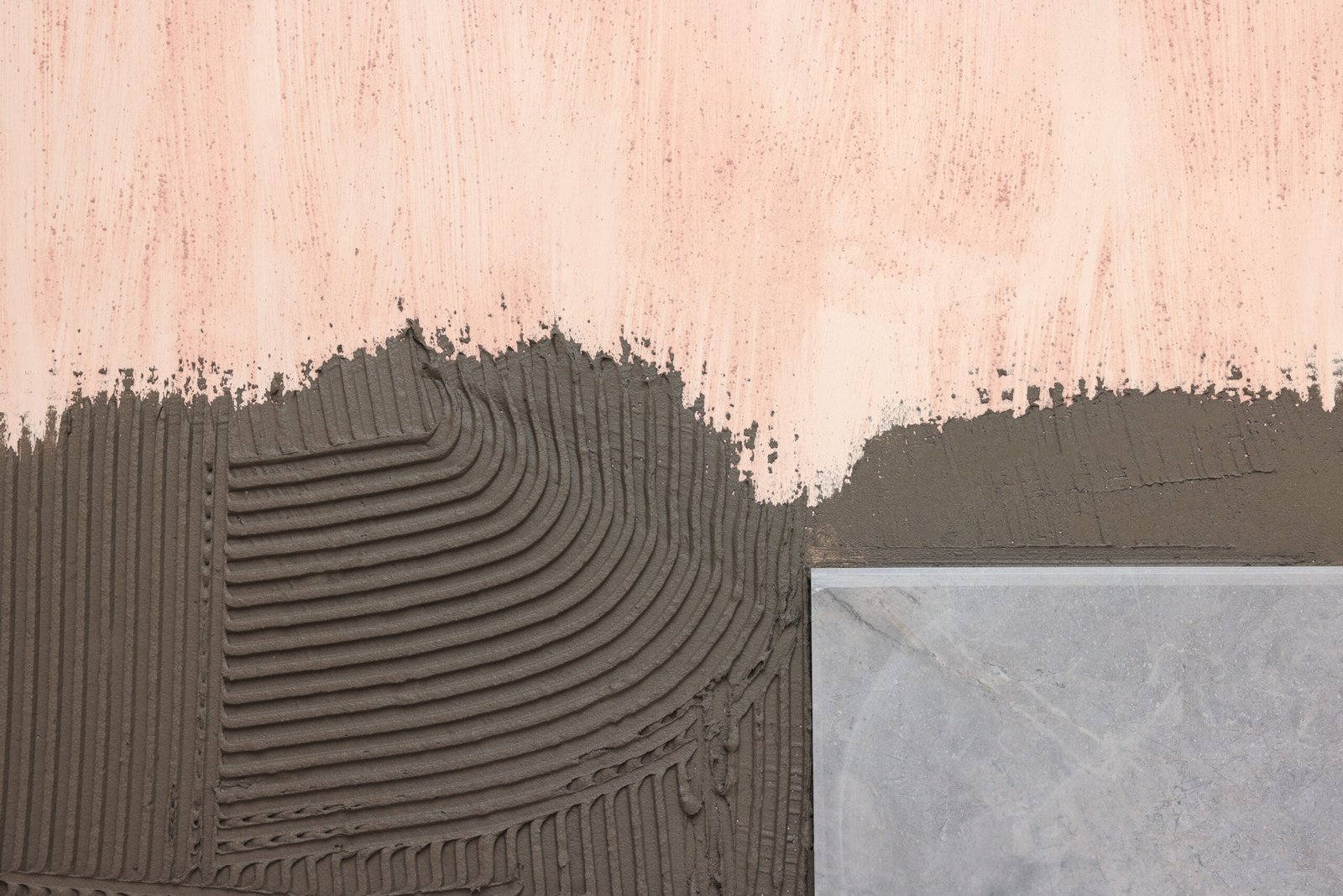
- Open time too short / skinning too fast
- Sagging/slip on vertical walls
- Poor troweling feel or low cohesion
- Weak adhesion or unstable bonding
- Water bleeding or segregation issues
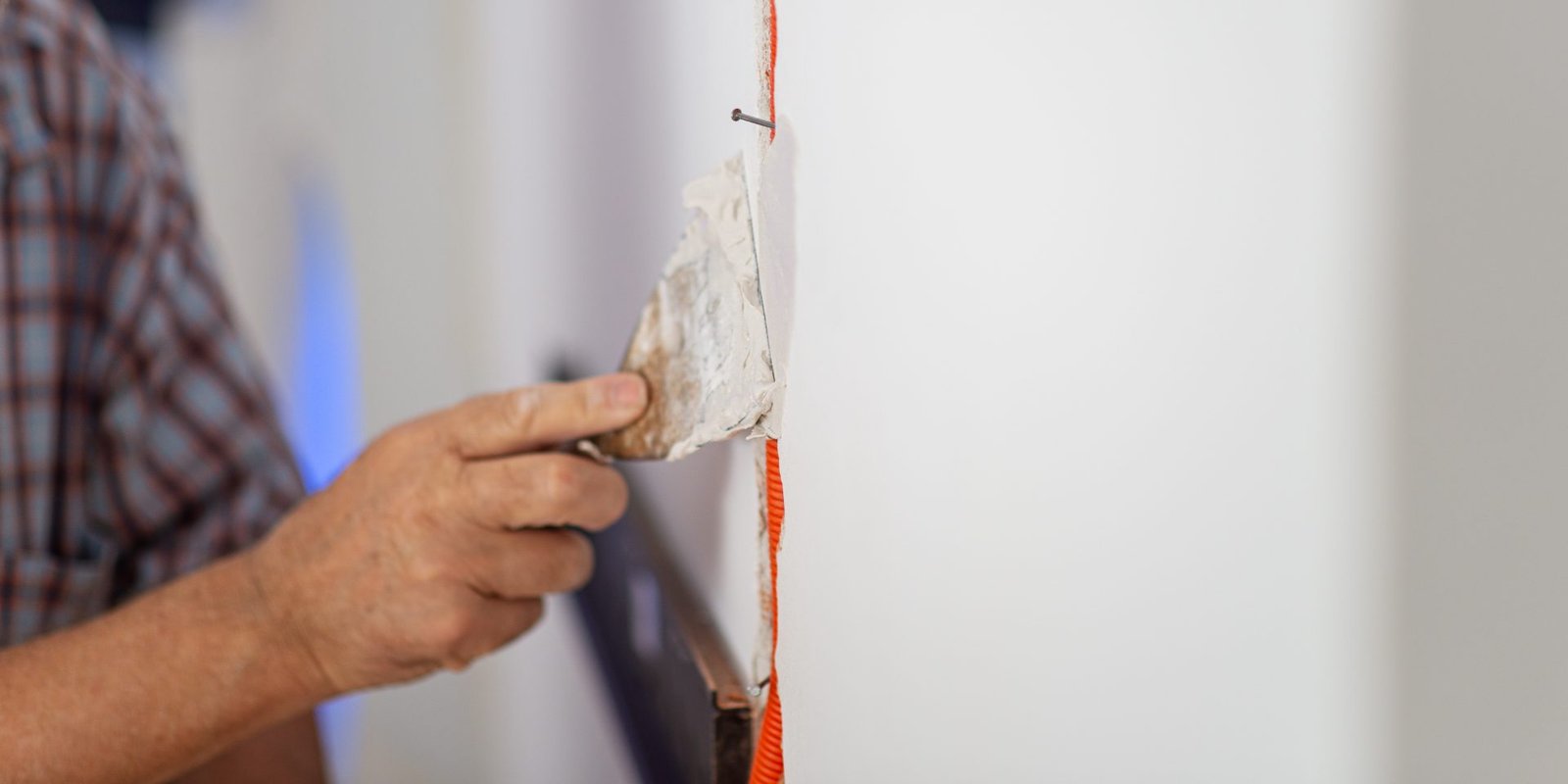
- Dry feel, difficult spreading, poor smoothness
- Powdering, sanding issues, weak surface strength
- Cracking risk (early shrinkage or poor stability)
- Inconsistent workability between batches

- Viscosity drift during storage
- Separation, settling, or thickening over time
- Foaming during mixing/application
- Uneven application feel, drag, poor leveling
- Raw material changes causing performance drift
- Mixing method changes impacting dispersion
- Moisture/storage conditions affecting additives
- Scale-up from lab to plant not matching results
Send the Right
Details
The more complete the information, the faster we can recommend accurately. Use this checklist before reaching out.
- Application name (e.g., C1 tile adhesive, interior putty, JS waterproofing)
- System type: dry-mix powder or premixed paste/liquid
- Target result (what you want to improve) + current issue (what is wrong)
- Binder type: cement / gypsum / polymer-cement / water-based
- Main fillers and typical ratios (sand, CaCO₃, etc.)
- Current additive list (cellulose ether / RDP / others) + approximate dosage
- Mixing method and mixing time
- Water addition ratio / viscosity target (if premix)
- Local conditions: temperature/humidity range (if relevant)
- Photos/videos of application behavior (optional but helpful)
From Question to
Stable Result
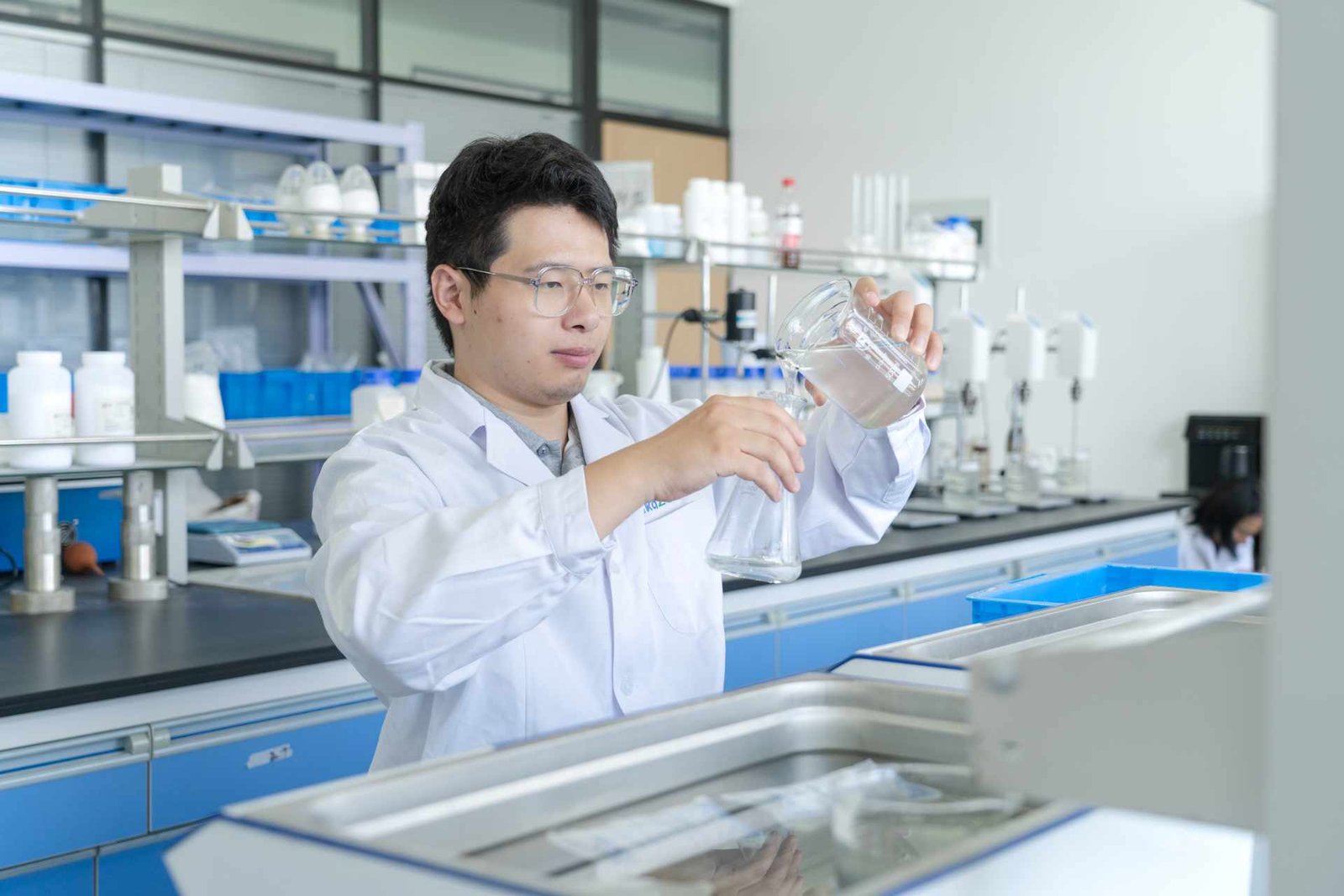
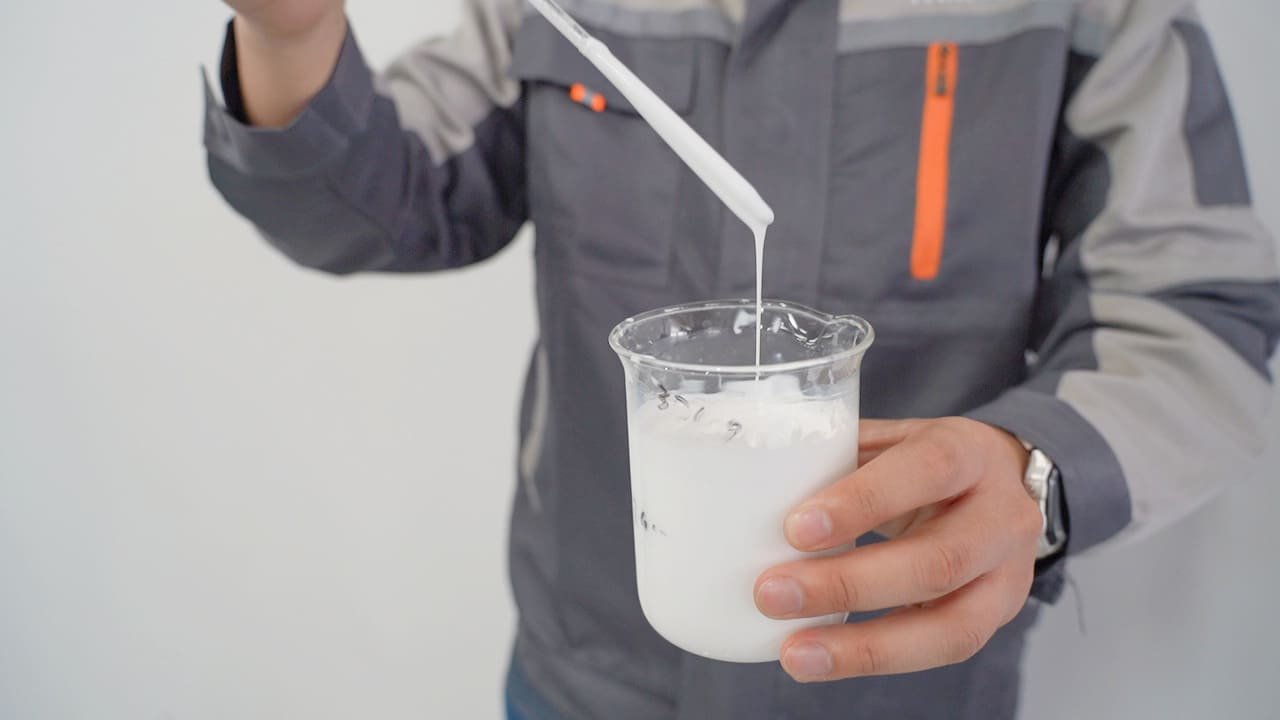
A structured four-step process designed to reduce trial cycles and make performance more predictable — from first contact to repeatable production.


Practical Troubleshooting
Examples
Below is how we typically approach common problems—so you know what to expect when you reach out to our technical team.
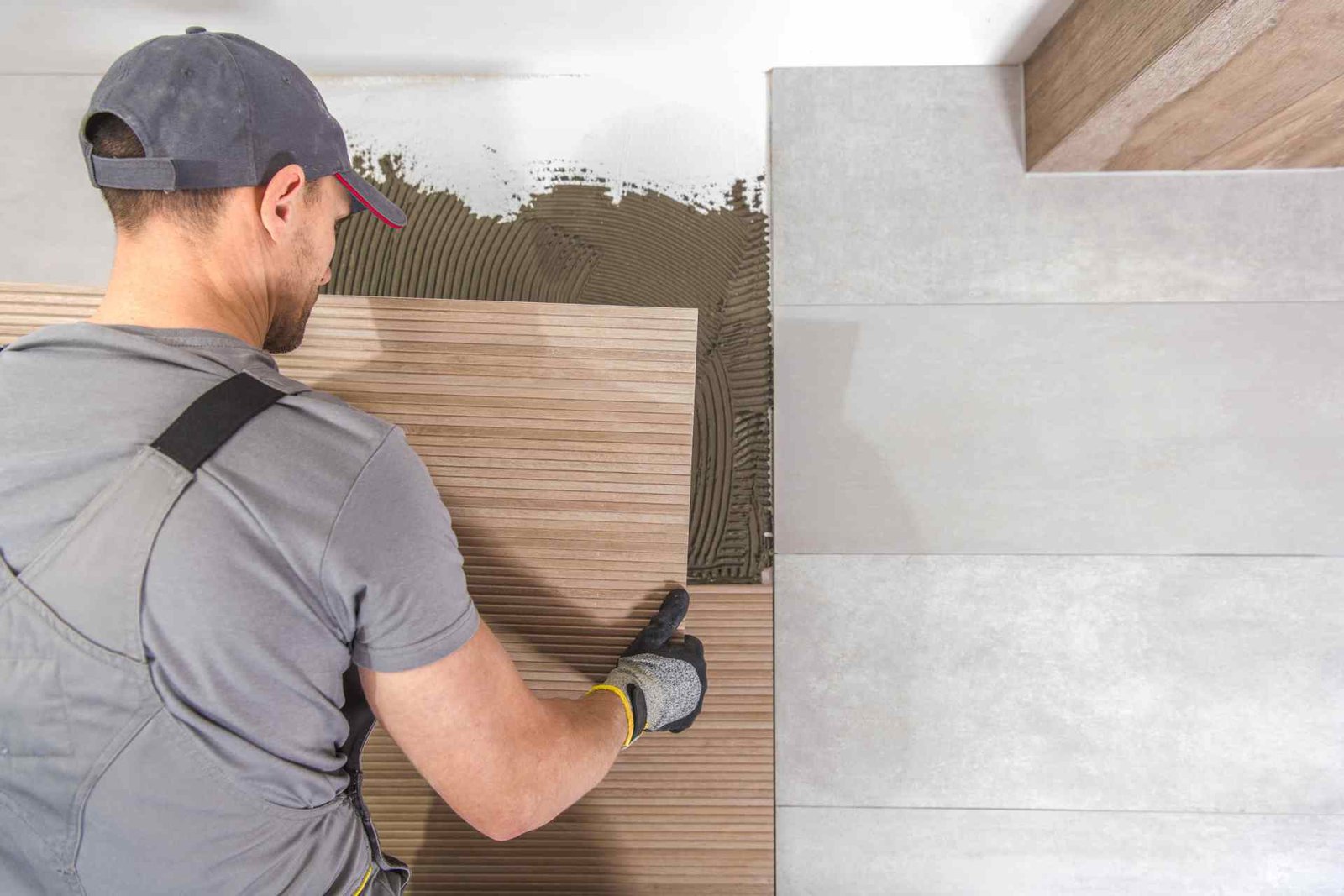 Example 01
Tile Adhesive
- Review water retention strategy, rheology balance, and polymer modification needs
- Propose a selection / dosage adjustment
- Define trial checks: open time, slip resistance, adhesion
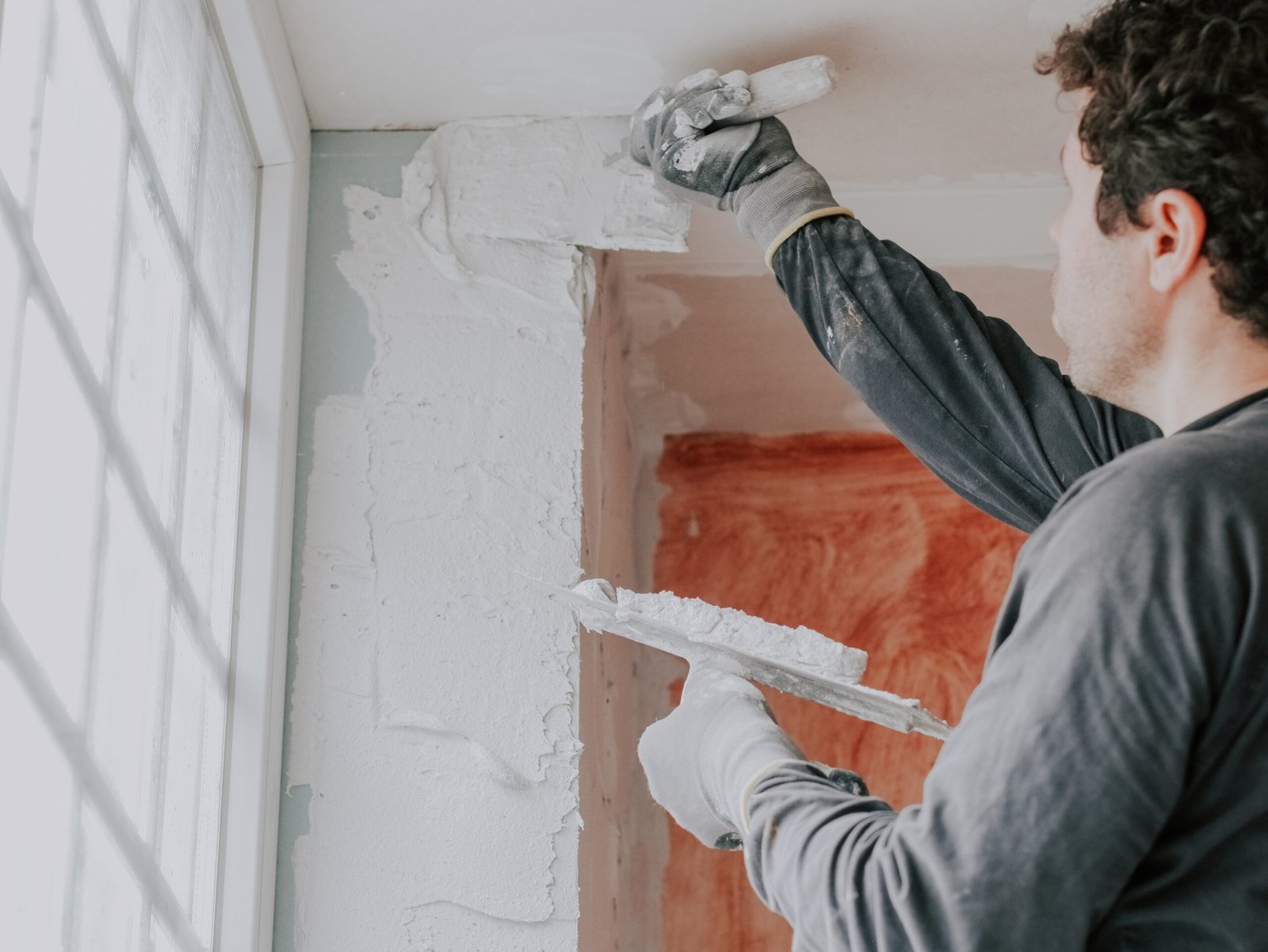 Example 02
Vertical Walls
- Focus on sag resistance and cohesion build
- Propose adjustments to improve vertical stability
- Recommend trial checks: slip/sag, workability, setting behavior
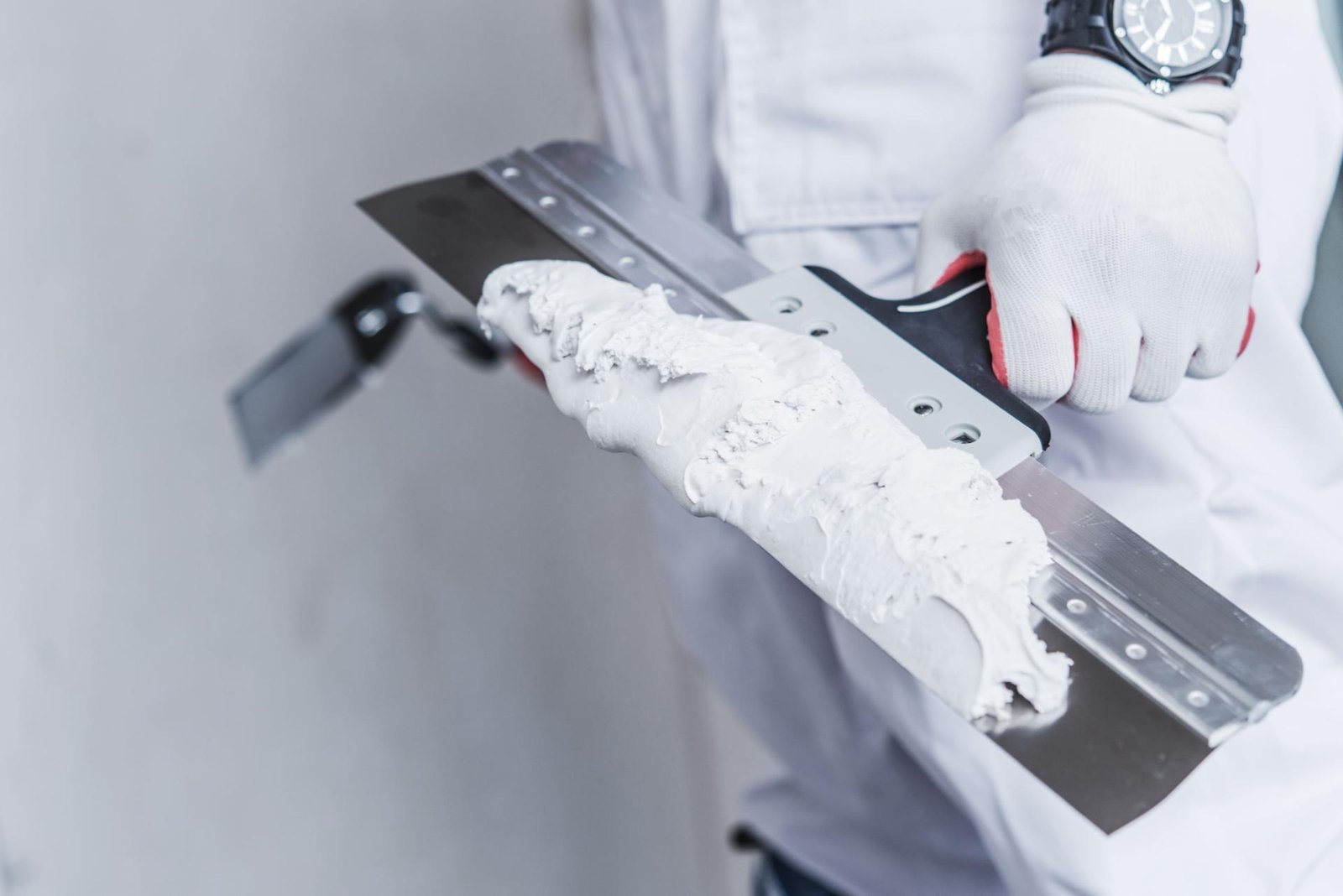 Example 03
Hard to Spread
- Review workability and water control parameters
- Propose a solution to improve application feel and stability
- Confirm finish quality after drying
 Example 04
Viscosity Drift
- Evaluate dissolution/compatibility behavior, storage stability strategy, and process conditions
- Propose an approach to stabilize viscosity and reduce settling
- Validate with storage checks
Systems & Applications
We Support
From dry-mix powders to premixed pastes and liquids—full-spectrum technical support for construction chemistry.

Full Format
Coverage
Dry-mix powders, premixed pastes, and liquid systems—supported across all major construction chemistry applications.
- Tile adhesives (C0 / C1 / C2), stone & marble adhesives
- Wall putty, skim coat, gypsum joint filler
- Mortars & rendering, repair mortars, grouts
- ETICS bonding & base coat
- Self-leveling systems
- Polymer-cement waterproofing & water-based waterproof coatings
- Coatings & texture finishes, putty paste
- Primers & bonding agents
- Premixed adhesives and grouts
- Sealants & repair pastes
What You Receive
From Technical Support
Every engagement delivers structured, actionable outputs—designed to move your project forward efficiently.
Technical Support FAQ

No. Tell us the application and target result—we will guide selection and dosing from there.
Yes. We support manufacturers (production stability) and contractors / applicators (jobsite behavior).
We review the new raw material behavior, re-balance selection / dosage, and guide trial checks to restore stability.
Yes. We help stabilize viscosity and reduce separation / settling through selection and process guidance.
TDS / SDS and handling guidance can be provided when required.
Need a fast technical
recommendation?
Send your application details and target performance. We'll respond with a practical recommendation and dosage guidance, and support your trial and optimization.
Response within 24 hours · Venezuela local support