
Product Portfolio for Building Material Performance
We supply a complete range of construction additives—cellulose ethers, polymer modifiers, fibers, and functional admixtures—to help you improve workability, stability, bonding, and durability in both dry-mix and premixed systems.
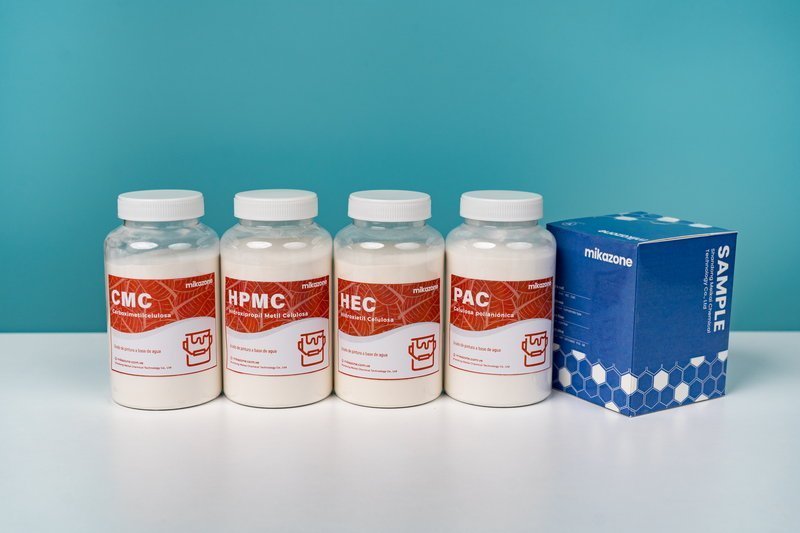
Cellulose Ether (HPMC / HEMC / HEC / CMC)
Core rheology and water-retention additives for tile adhesives, wall putty, mortars, waterproofing, and coatings—improving workability, open time, sag resistance, and application feel.
View Cellulose Ether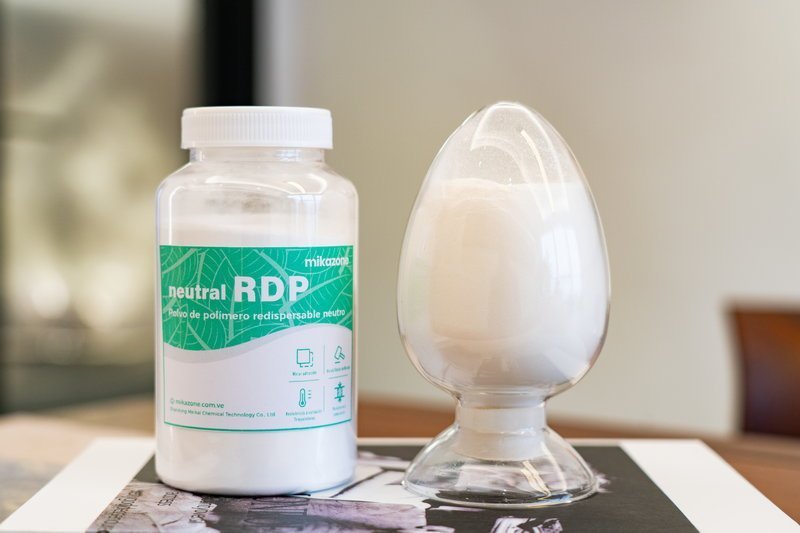
Redispersible Polymer Powder (RDP)
Enhances bond strength, flexibility, toughness, and long-term durability—ideal for high-performance tile adhesives, repair mortars, and demanding systems.
View RDP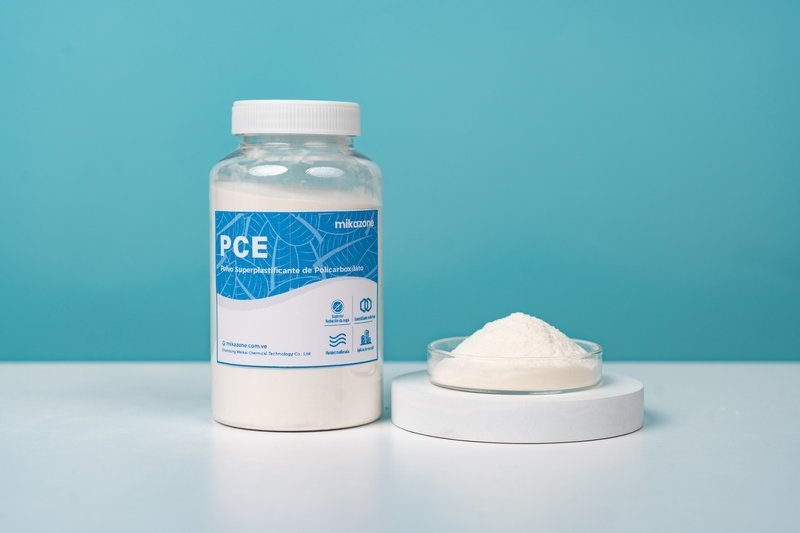
PCE Superplasticizer
High-efficiency water reduction and dispersion for cement-based systems—supporting strength development, improved flow, and optimized water demand.
View PCE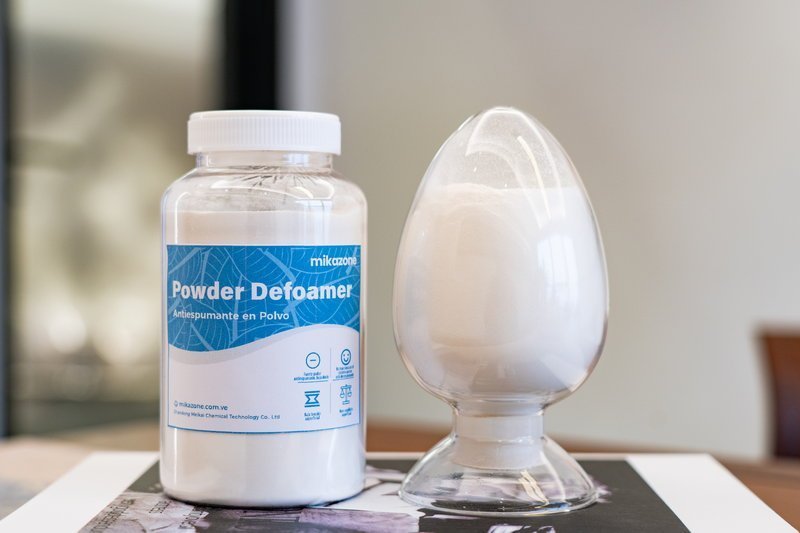
Defoamer
Controls foam during mixing and application, improving density, surface finish, and performance consistency in mortars and coatings.
View Defoamer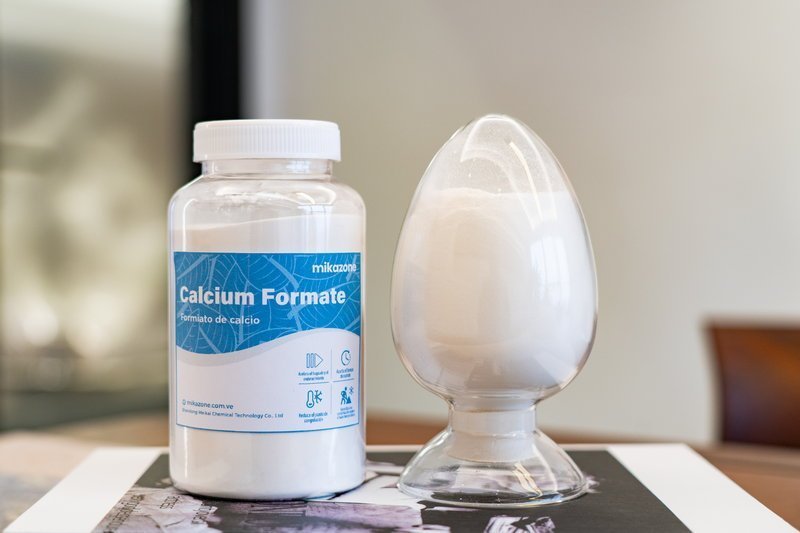
Calcium Formate (Accelerator)
Supports early strength gain and curing efficiency in compatible cementitious formulations—helpful for low-temperature or fast-turnaround jobs.
View Calcium Formate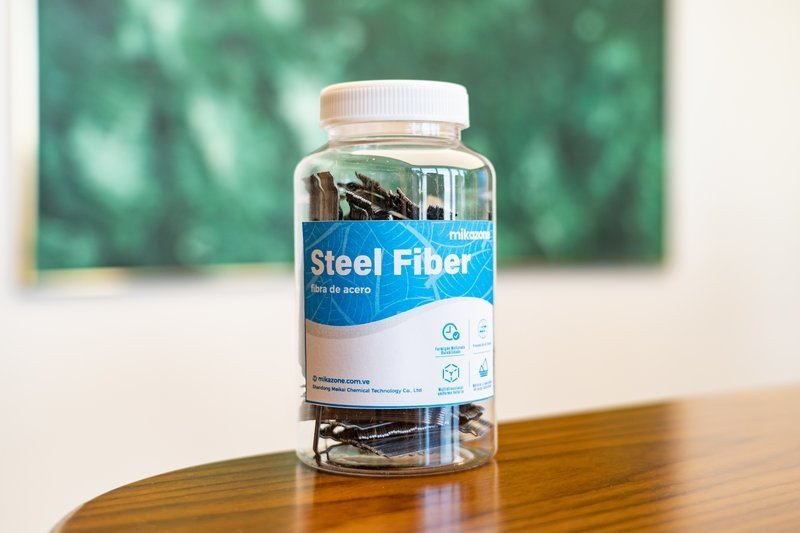
Fibers for Reinforcement
Micro to macro reinforcement options to improve crack control, toughness, and impact resistance in mortar, render, and concrete-related mixes.
View Fibers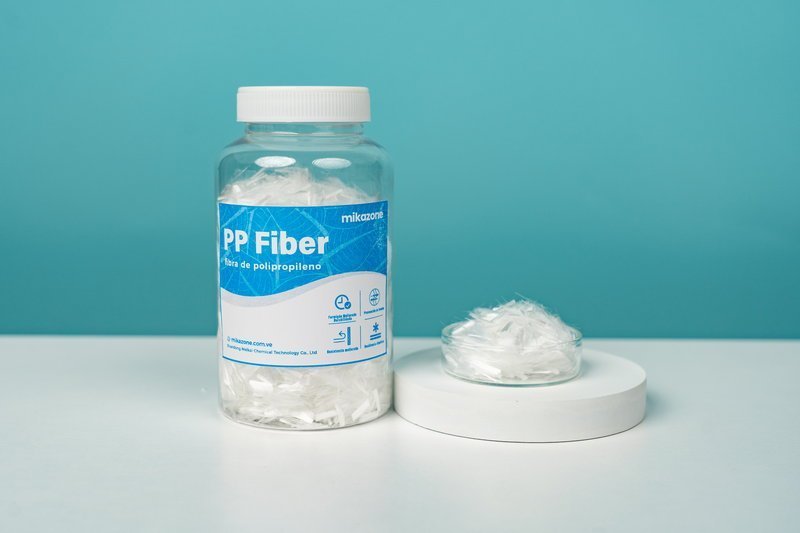
Polypropylene Fibers (Micro / Macro)
Helps reduce plastic shrinkage cracking and improves overall toughness—suitable for cementitious and dry-mix systems where crack control matters.
View PP Fibers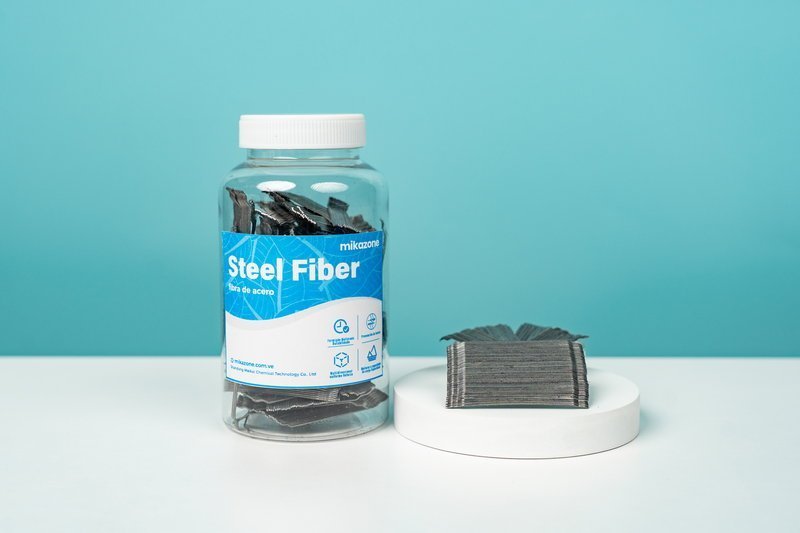
Steel Fiber
Structural reinforcement for higher load-bearing performance—supporting toughness and crack resistance in suitable cement-based applications.
View Steel Fiber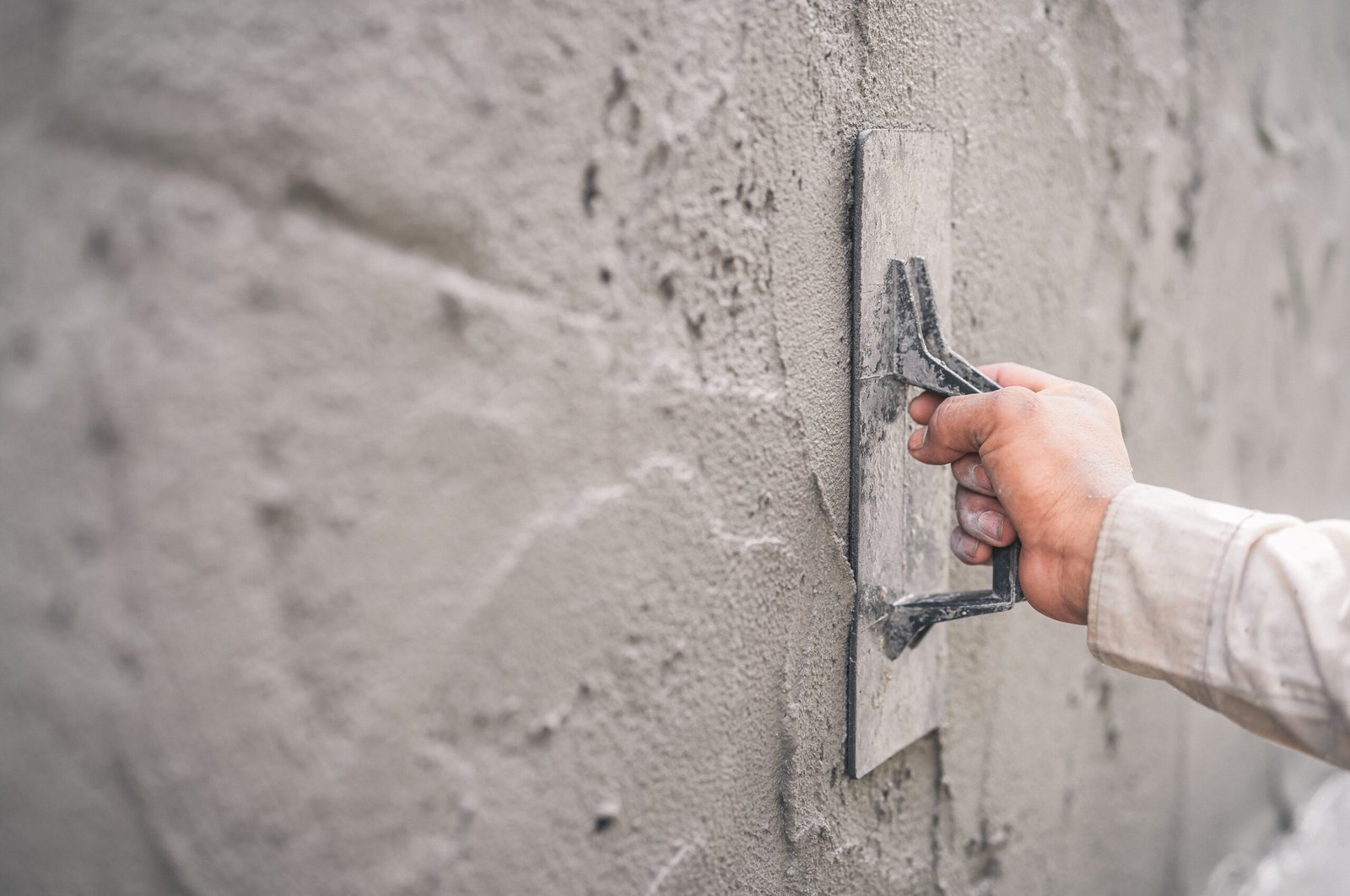
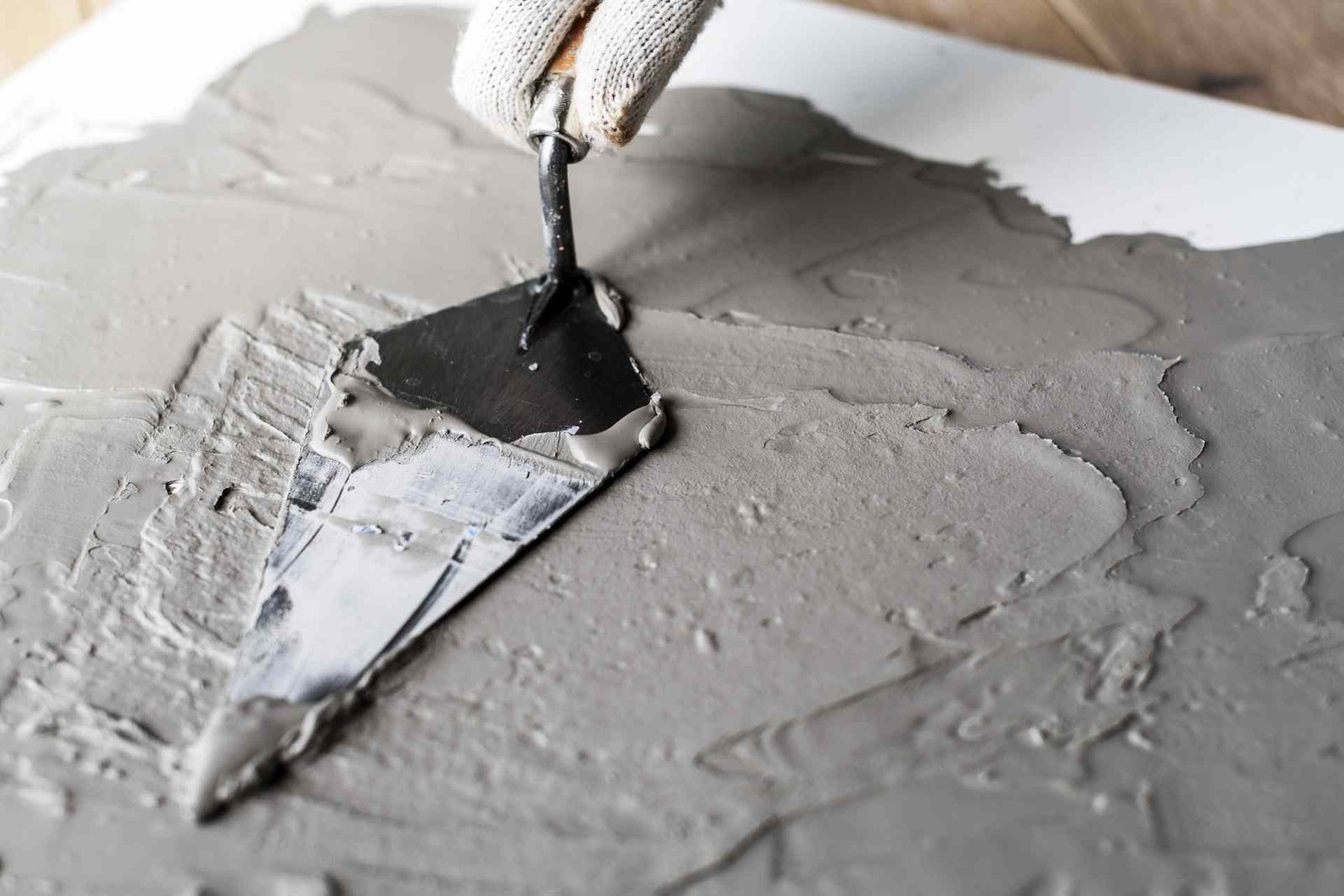
Premixed Systems
Explore Premixed SolutionsNot sure which additive package fits your formula?
Send us your application and target performance. We'll recommend a suitable product combination and dosage guidance.
Solutions by Application System
Choose solutions built for both dry-mix powders and premixed paste/liquid systems. We help you achieve better workability, stability, bonding strength, and durability—supported by technical recommendation and reliable local supply.
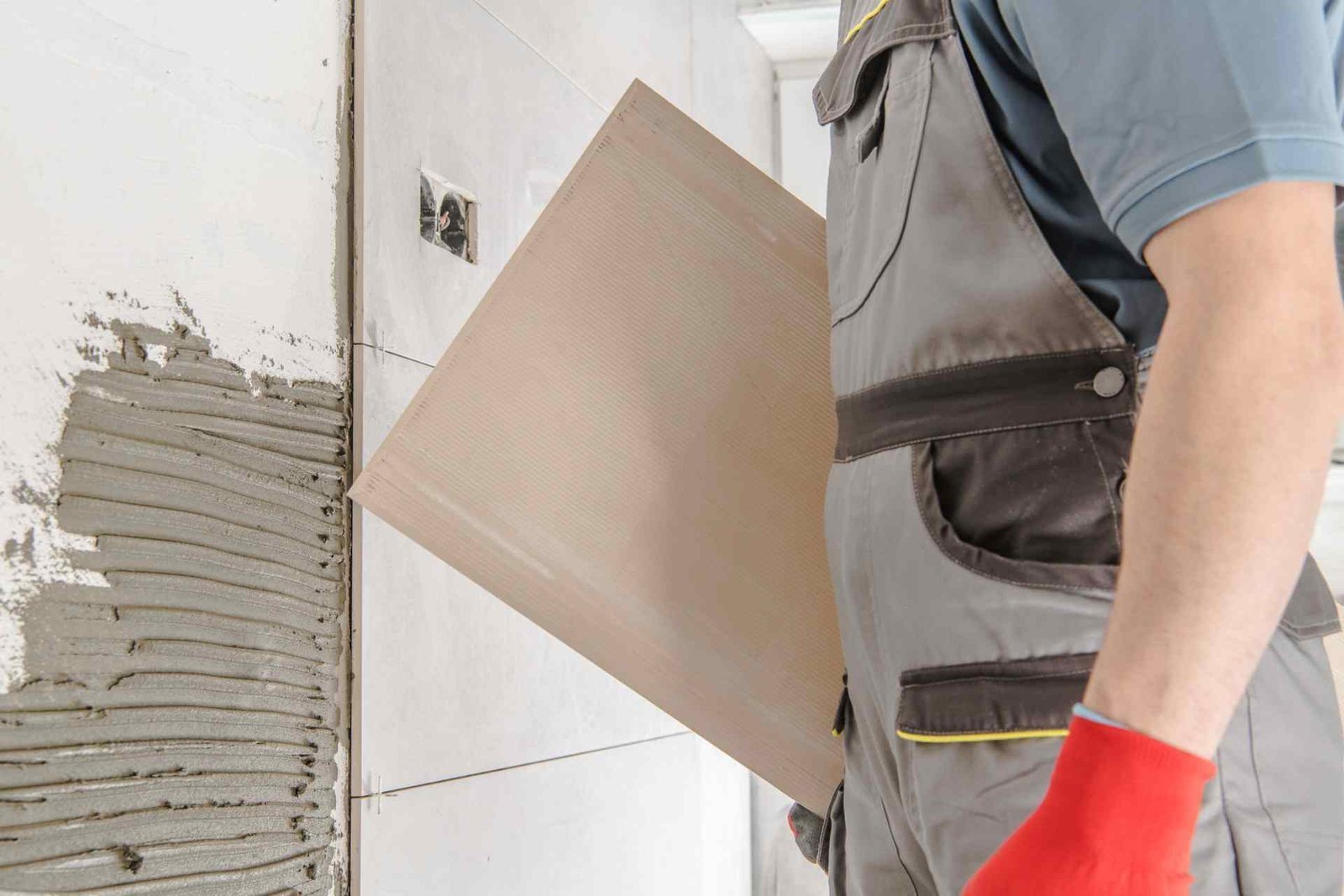
Tile Fixing Systems
- Cement-Based Tile Adhesives (C1 / C2 / C0)
- Marble & Stone Adhesives
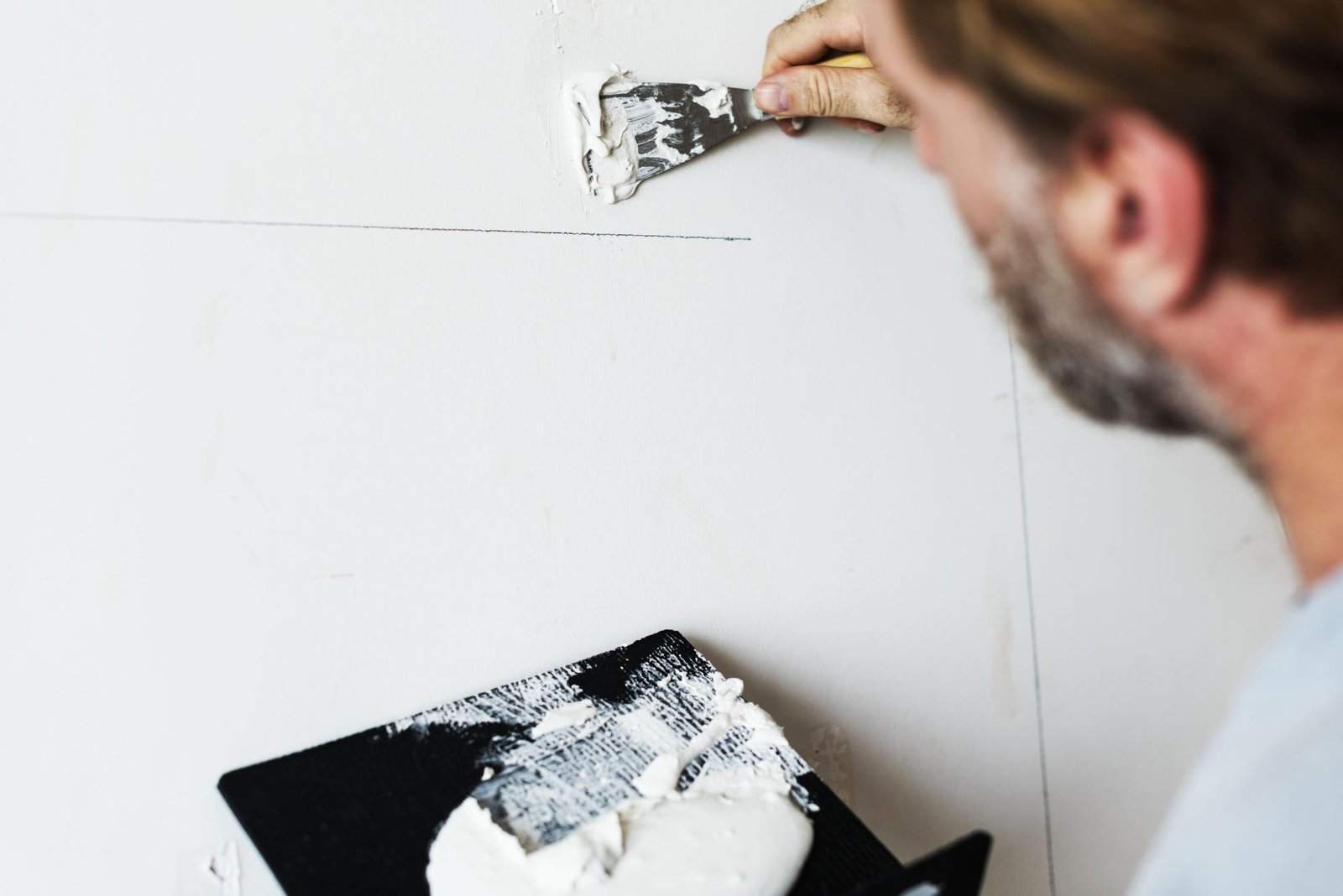
Wall Leveling Systems
- Interior Wall Putty (Standard / Water-Resistant)
- Exterior Wall Putty (Elastic / Crack-Resistant)
- Gypsum Plaster (Skim Coat)
- Gypsum Joint Filler

Floor Leveling Systems
- Cement Self-Leveling (Underlayment / Topping)
- Gypsum Self-Leveling
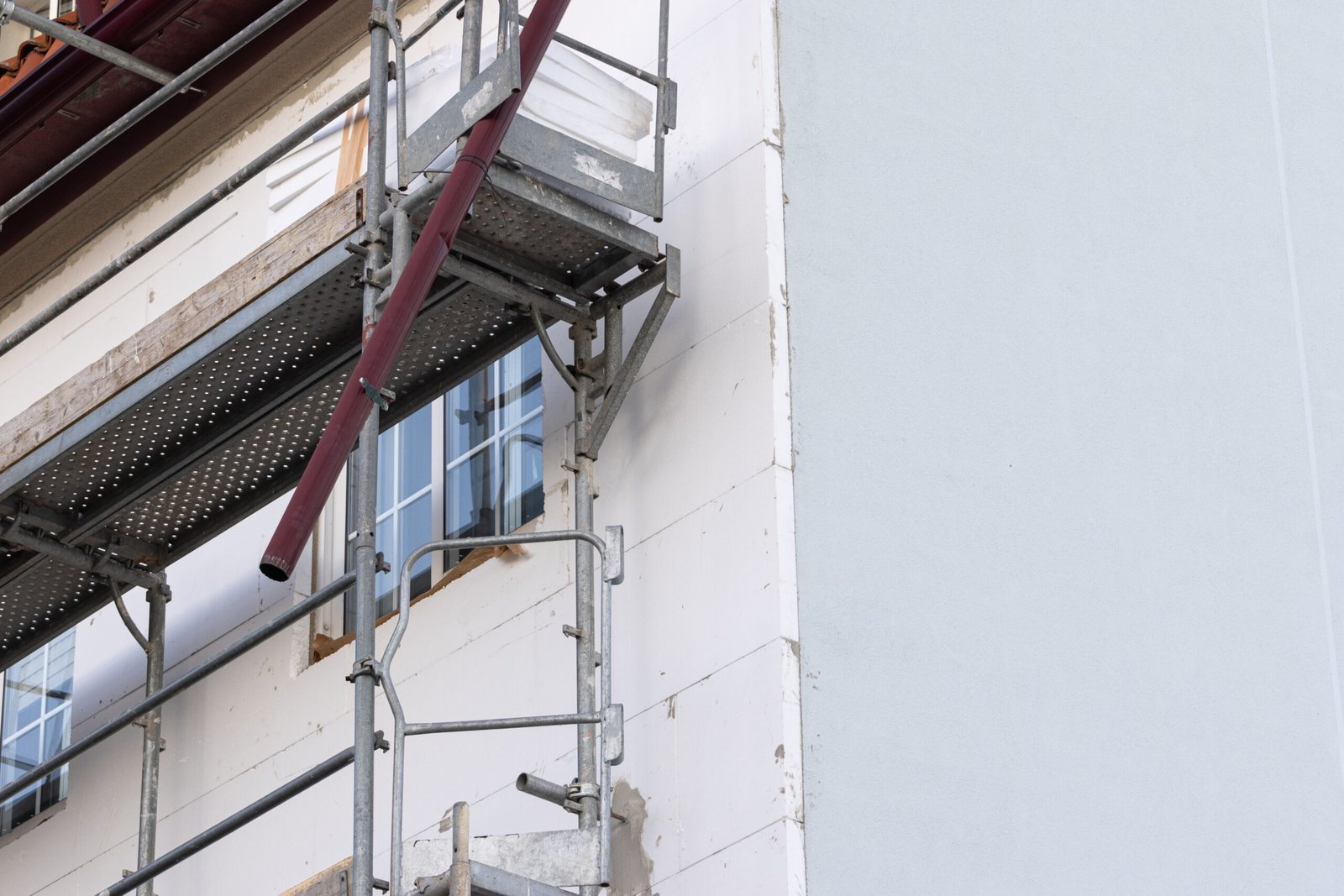
Rendering & ETICS Systems
- Masonry/Plaster Mortar (Hand / Machine Spray)
- EPS/XPS Insulation Board Bonding Mortar
- Base Coat / Reinforced Mortar
- Decorative Mortar
Specialty Mortars
- Rigid Waterproof Mortar
- Repair Mortar
- Grout / Non-Shrink Grout
- Powder Coatings / Decorative Powders

Waterproofing & Coatings Systems
- Interior/Exterior Mid-Coat & Texture Coatings
- Putty Paste
- Polymer-Cement Waterproofing (JS / K11)
- Acrylic / Vinyl Waterproof Coatings
Paste Grouts & Adhesives
- Water-Based One-Component Tile Grout (Premix)
- Premixed Tile Adhesive Paste
- Stone Adhesive Paste

Primers & Bonding Agents
- Concrete Bonding Agent (Wall/Floor Primer)
- Gypsum Board Primer
- Liquid Interface Mortar for ETICS

Sealants & Repair Pastes
- Water-Based Acrylic Gap Filler / Sealant
- Ready-Mixed Wall Repair Paste
- Gypsum Modeling Paste
How We Recommend the Right Solution
Tell us your application & target performance
Share your formula (or current issues)
Receive recommended additive package + dosage range
Trial support and adjustment until stable results
Need a faster selection for your production line?
Share your application and goals—our team will recommend suitable products and dosage guidance.
Why Choose Mandalas
We support building material manufacturers and project teams in Venezuela with reliable supply, fast technical response, and performance-focused additive solutions.
Mikazone Partnership in Venezuela
Official partnership support with access to product know-how and application guidance for key construction systems.
Reliable Import Supply
Supply planning and delivery coordination to help you keep production stable and avoid costly downtime.
Fast Technical Response
Quick recommendation for grade selection and dosage, plus troubleshooting when jobsite performance changes.
Batch-to-Batch Consistency
Consistent performance and clear documentation to support repeatable production and predictable results.
Solutions for Dry-Mix & Premix
Support for tile adhesives, wall putty, mortars, ETICS, waterproofing, coatings, and premix systems.
TDS / SDS Support
Technical and safety documents available to support purchasing, compliance, and on-site communication.
How We Deliver the Right Recommendation
A simple process to help you select the right additive package and stabilize performance in production and on-site application.
Tell Us Your Application
Share your target system (dry-mix or premix) and the end-use: tile adhesive, putty, mortar, waterproofing, coating, or others.
Share Your Formula or Current Issues
Send your formulation details or describe problems such as low open time, sagging, poor workability, cracking, segregation, or unstable viscosity.
Receive a Recommended Solution
We propose suitable products and a dosage range based on your target performance and process conditions.
Trial Support & Optimization
We support your trial and adjust recommendations until you reach stable results and repeatable production.
Quality, Safety & Compliance Support
We help you maintain consistent performance and clear documentation—from storage guidance to technical and safety sheets.
Incoming Inspection
Basic checks and guidance to ensure materials match the required specification before use.
Batch Consistency
Support for maintaining stable performance across batches and seasons for repeatable results.
Storage & Shelf Life
Clear guidance on storage conditions, moisture protection, and shelf-life management.
Documentation Support
Access to TDS/SDS and handling guidance to support purchasing, training, and site communication.
Resources for Selection and Application
Download key technical documents and learn practical tips for better formulation stability and jobsite performance.
Featured Use Cases
Examples of how additive packages improve performance across common construction systems.
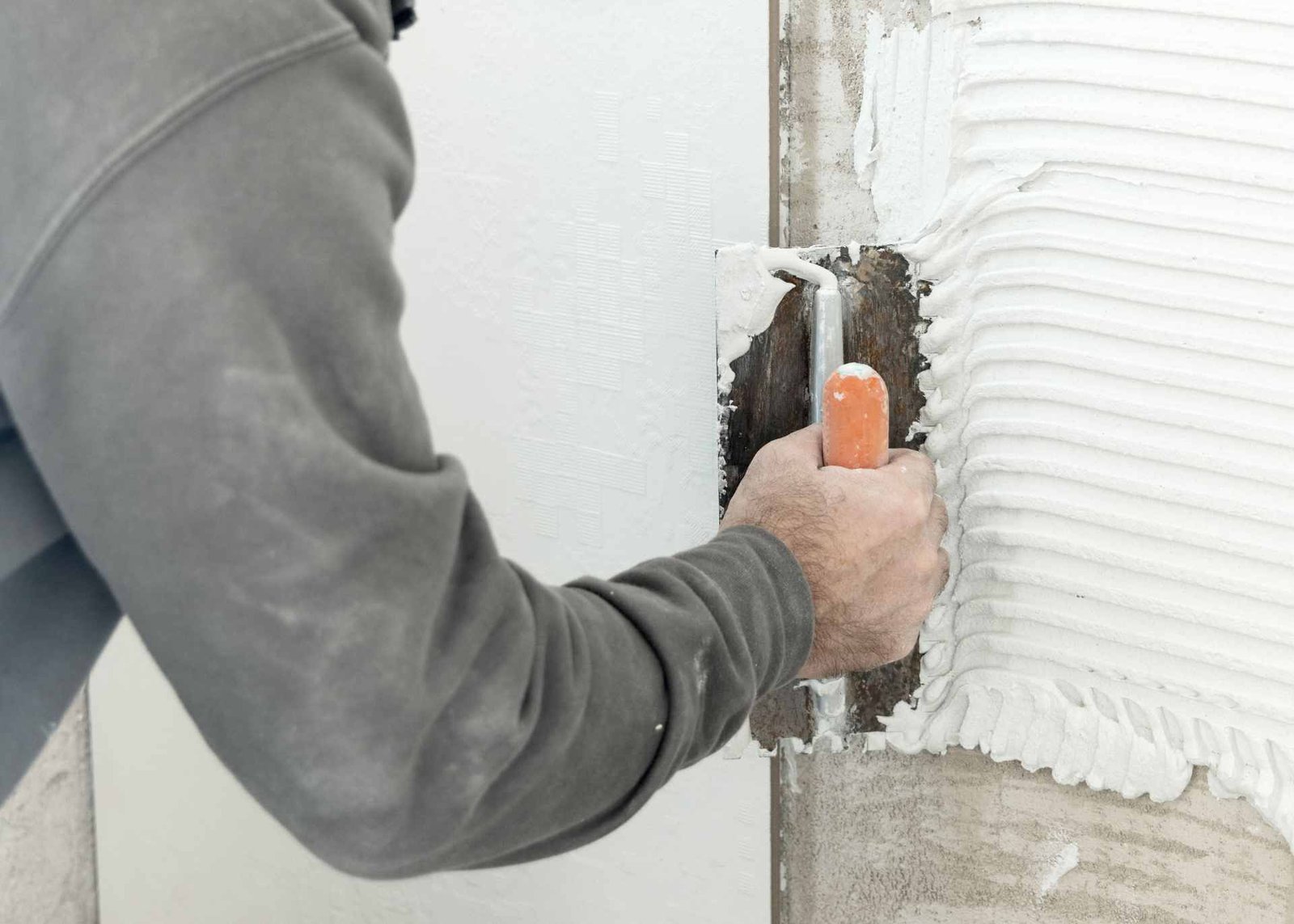
C1/C2 Tile Adhesive — Better Open Time & Anti-Sag
Improved troweling feel, longer open time, and more stable sag resistance for reliable tile placement.
Read More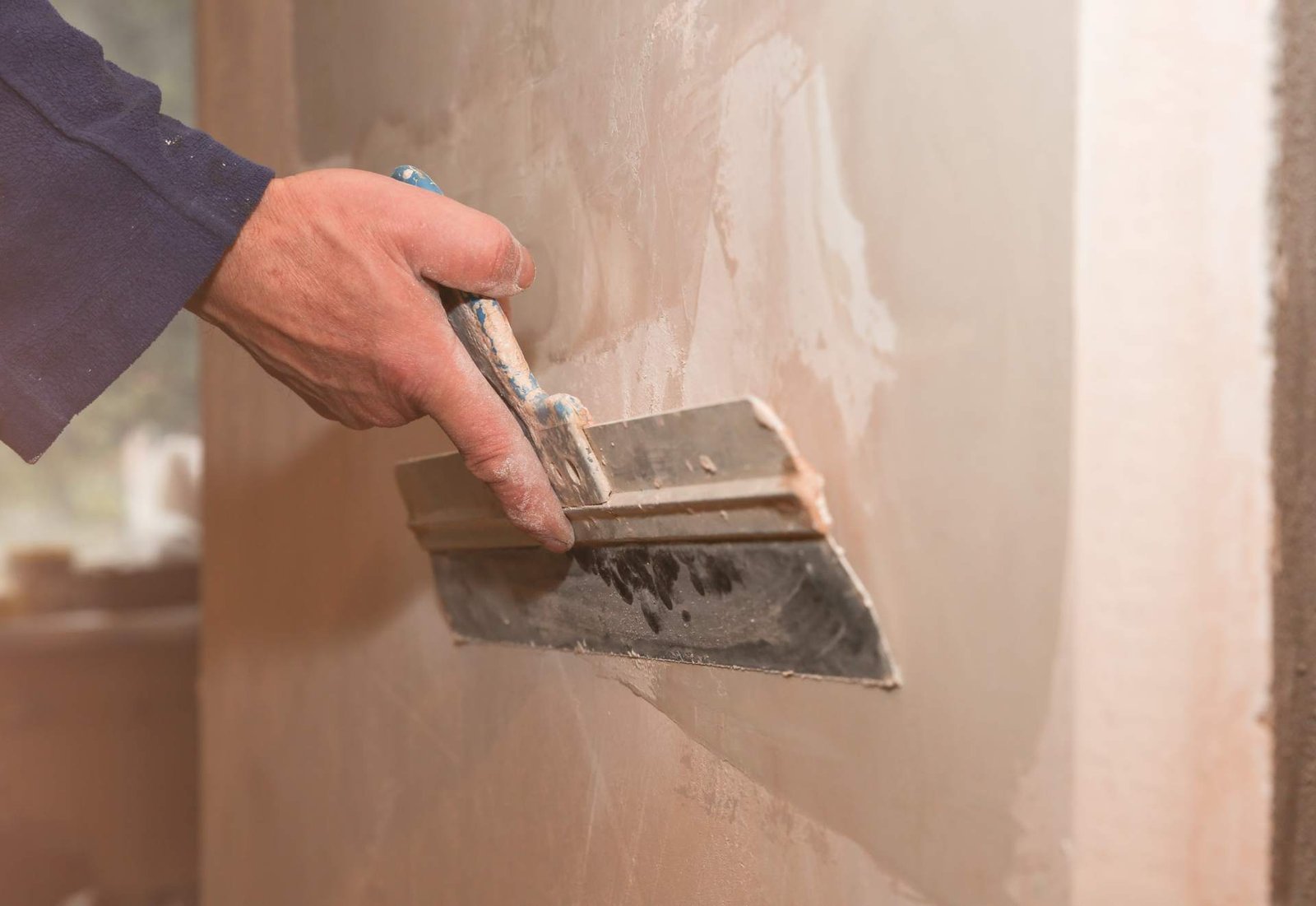
Wall Putty — Smoother Spreading, Lower Crack Risk
Creamier application and more consistent finish quality with improved water control and stability.
Read More
Waterproofing — Stable Viscosity & Better Workability
Improved workability and stability in polymer-cement or water-based waterproofing systems.
Read MoreNeed a fast recommendation for your formulation or project?
Send your application details and target performance. Our team will respond with a suitable solution and dosage guidance.
Frequently Asked Questions
Answers for selection, applications, formulation support, ordering, documentation, storage, and delivery. If you don't see your question, contact us — our team will respond quickly.
We supply construction additives including cellulose ethers (HPMC / HEMC / HEC / CMC), RDP (redispersible polymer powder), and selected functional admixtures used in dry-mix and premixed systems. We also provide technical support and documentation.
They are different cellulose derivatives designed for different rheology and performance needs. In construction systems, they are used to control water retention, thickening, workability, open time, sag resistance, and stability. We recommend selection based on application, system type, and target performance.
Dry-Mix grades are optimized for dry blending and on-site mixing performance.
Premixed grades are designed for controlled hydration/dissolution behavior and storage stability in water-based paste/liquid formulations.
Yes. Share your application, target performance, raw materials, and typical dosage range you've tried (if any). We will recommend a suitable product family and an initial dosage range for trials.
Yes. We can recommend selection by:
- System: Dry-mix powder / Premix paste or liquid
- Application: Tile adhesive, putty, mortar, waterproofing, coatings, etc.
- Performance need: Open time, sag resistance, workability, storage stability, bonding, durability
Sometimes, but performance may change. Replacement depends on the exact formulation and target results. We recommend trials and fine adjustment rather than direct substitution.
Cellulose ether helps improve water retention, workability, open time, and sag resistance.
RDP is commonly used to improve bond strength and flexibility, especially for higher performance systems.
Cellulose ether helps achieve smooth spreading, consistent workability, and better water control. Selection should consider raw material quality, fineness, and desired surface feel.
Yes. We provide selection guidance for both cement and gypsum systems. Compatibility depends on your binder type, fillers, and additives.
Common premix applications include waterproofing coatings (polymer-cement and water-based types), texture coatings, putty paste, premixed tile adhesives, premixed grouts, primers, and repair pastes.
Yes. We support selection to improve bonding workability and base-coat stability, and to help achieve better anti-sag and crack resistance (depending on the full formulation).
Yes. Selection focuses on achieving balanced flow, leveling behavior, anti-segregation, and surface finish depending on cement or gypsum base.
Yes. Dosage depends on application, raw materials, target standard, and mixing process. We propose a starting range and optimize after trial feedback.
For the fastest and most accurate support, share:
- Application type and target standard (if any)
- Binder type (cement/gypsum/polymer) and main fillers
- Current additive list and approximate dosages
- Target performance + current issues (open time, sag, cracking, etc.)
- Mixing method and packaging/storage conditions
Open time is influenced by formulation balance and water retention. We typically review cellulose ether selection, dosage, and the overall system balance (including polymer modification) and propose adjustments after quick trials.
Sag resistance usually depends on rheology build and water control. We can recommend a grade/dosage approach and supporting additive strategy to improve vertical stability.
These issues are often linked to water control, binder-filler balance, and workability stability. We can help optimize the cellulose ether selection and dosing approach and identify formulation causes.
Premix stability depends on controlled hydration/dissolution behavior, compatibility, and microbial control strategy. We can recommend suitable premix-grade selection and practical storage stability improvements.
Foam can impact density and surface finish. We can recommend foam-control strategy and compatible defoamer selection for your system.
Yes — this is common. Compatibility depends on your binder and formulation design. We can recommend a balanced package for your target performance and production process.
Yes. We coordinate import supply and local delivery planning to support stable production schedules and project timelines.
MOQ depends on product type and availability. Contact us with your application and expected monthly volume for an accurate quotation.
Lead time depends on stock status and import schedule. We can provide an estimated timeline after confirming product type and order quantity.
Samples may be available depending on product and project stage. Please share application, formulation background, and test plan so we can support efficiently.
We can provide:
- TDS (Technical Data Sheet)
- SDS (Safety Data Sheet)
- Storage/handling guidance and application notes (when available)
Yes. Packaging and labeling options depend on product type and supply arrangement. We can advise on practical packaging and handling requirements.
Shelf life depends on the product and packaging. We can confirm shelf life and recommended storage conditions for each product family.
Moisture affects performance. We recommend isolating affected bags, checking storage conditions, and contacting us for evaluation and next steps.
Yes. We support product selection, trial optimization, and troubleshooting to help customers reach stable production and jobsite performance.
Still need help selecting the right solution?
Send your application and target performance. We'll recommend a suitable additive package and dosage guidance.