

Mortero de reparación
Soluciones
Performance-driven additive solutions for repair mortars that require strong adhesion to old substrates, controlled workability, reduced shrinkage risk, improved toughness, and faster, more reliable strength development.
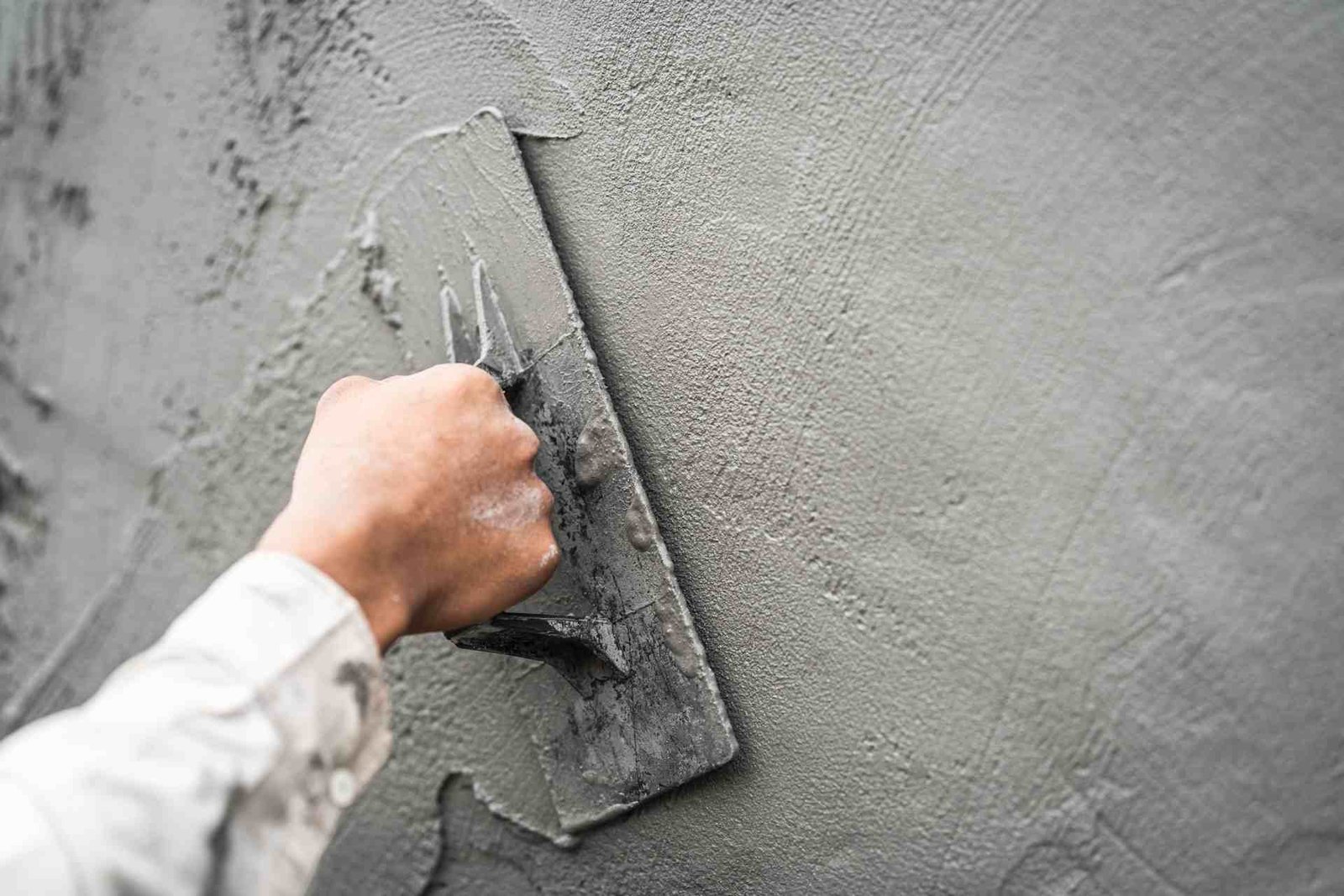
Built for Bonding, Strength Recovery, and
Durabilidad a largo plazo
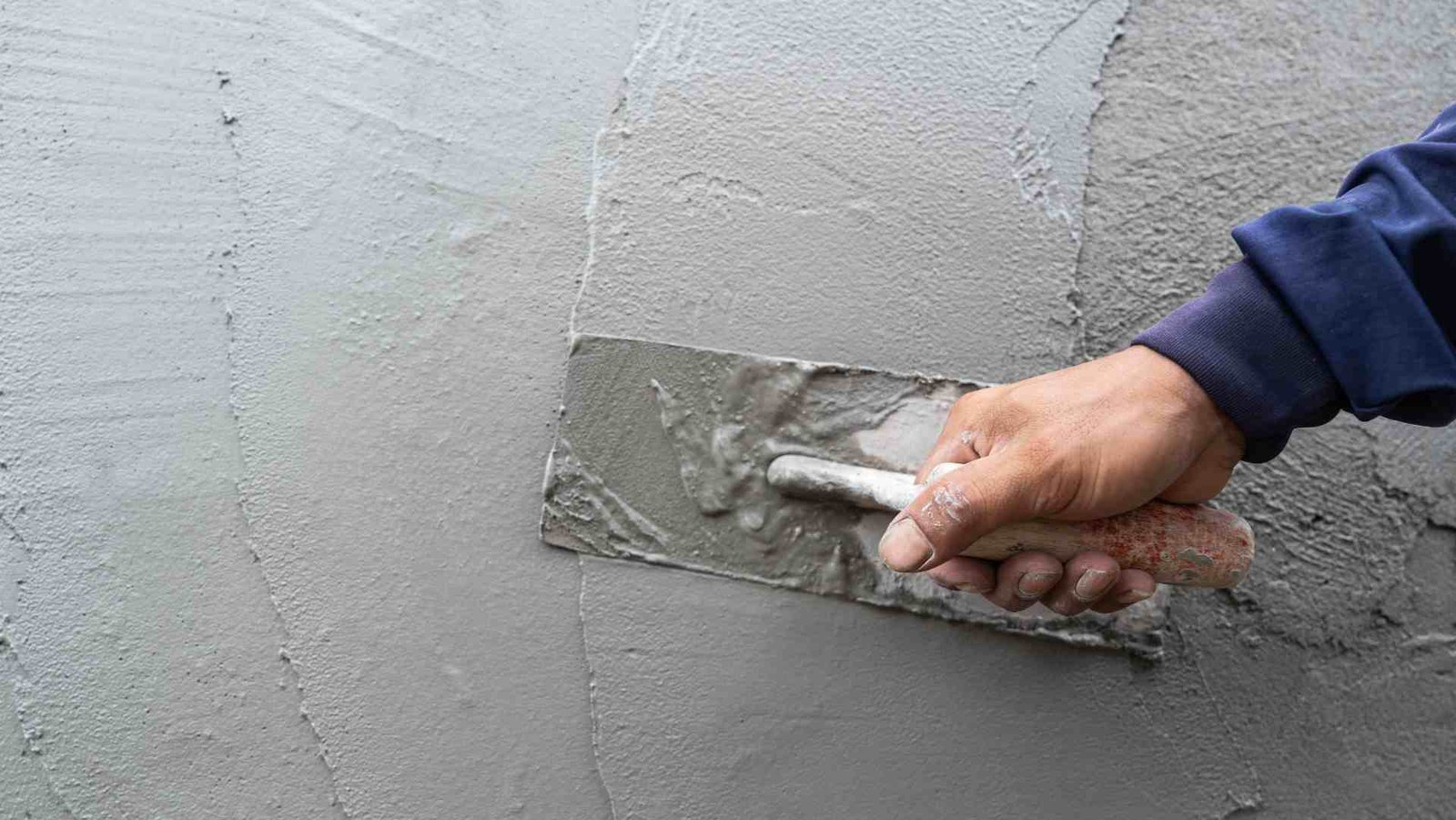
A good repair mortar must do more than fill a damaged area. It must bond tightly to the existing substrate, maintain enough workability for placement and shaping, resist shrinkage and cracking during curing, and harden into a dense, durable repair layer that stays attached over time.
This makes repair mortar more demanding than standard mortar. In many cases, the repaired zone is exposed to movement, moisture, thermal change, or repeated stress. RDP significantly improves bonding strength and flexibility, helping prevent flaking and detachment in repair mortar systems.
In practice, a high-performance repair mortar usually requires more than one additive family. A balanced system often combines:
What a Repair Mortar Formula
Entrega obligatoria
Aditivos que recomendamos para
Repair Mortar Formulations
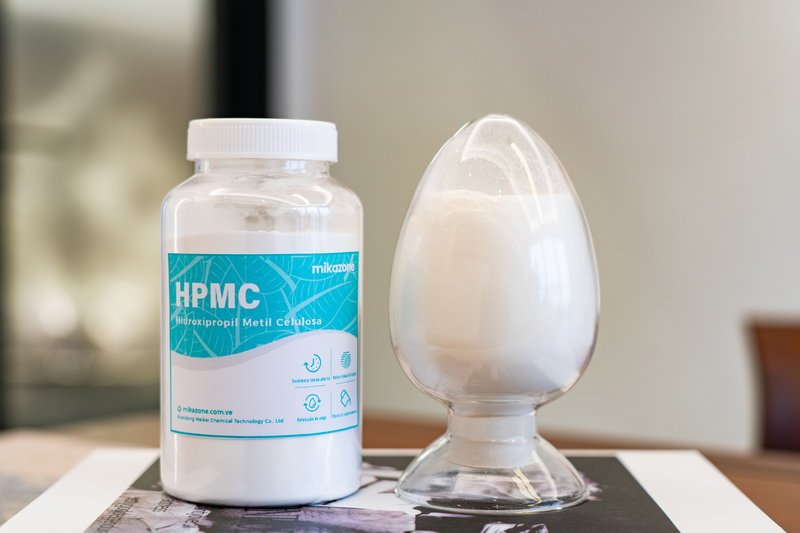
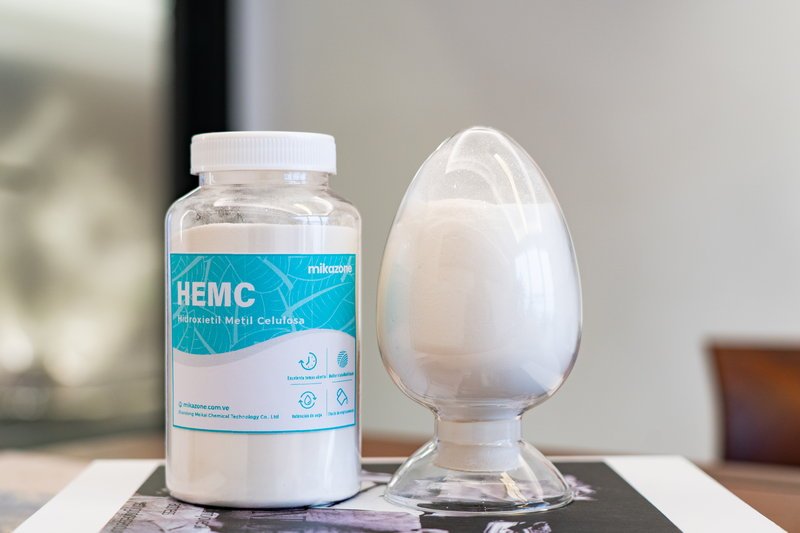
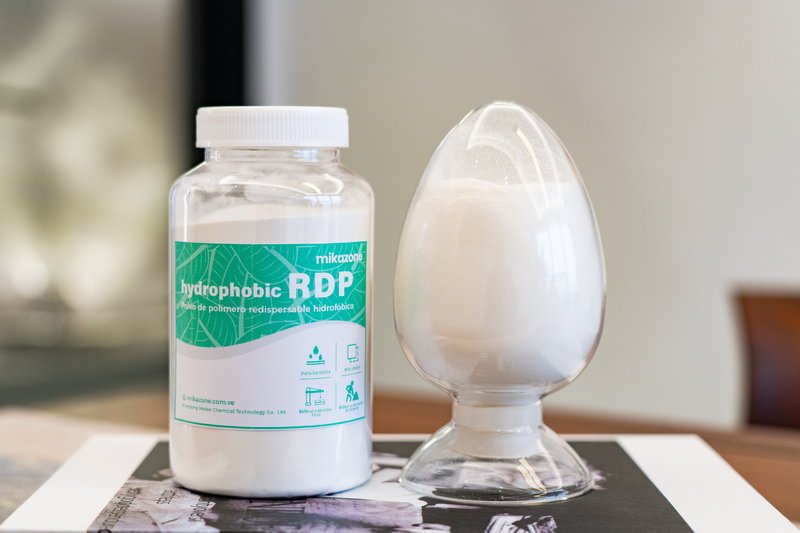
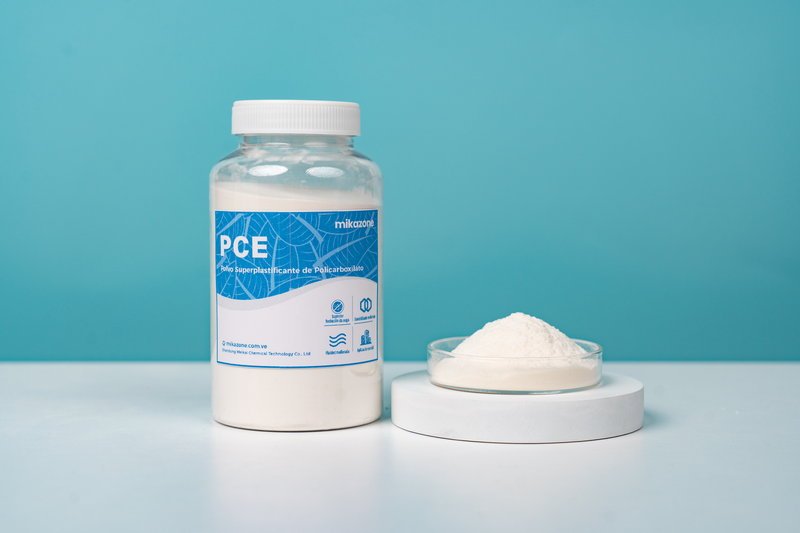
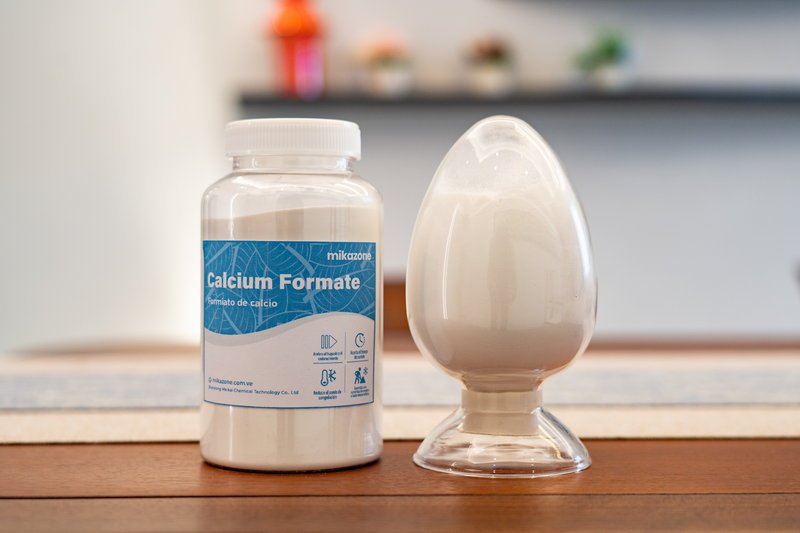
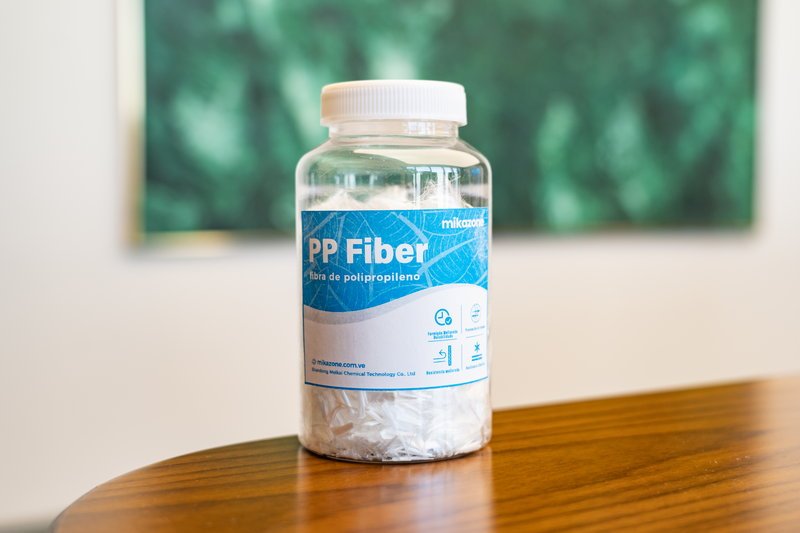
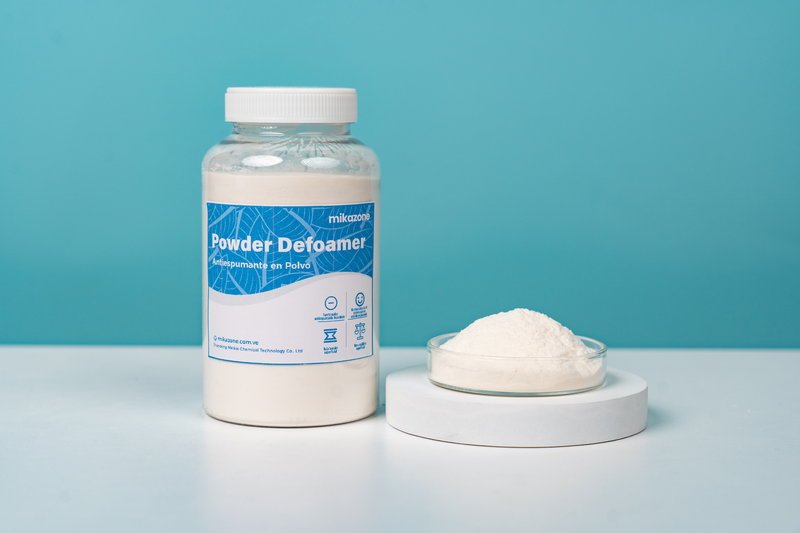
Paquete de aditivos recomendado por
Repair Mortar Category
Public Reference Guidance from
MikaZone
Lógica de selección para
Repair Mortar Formulations
At Mandalas, we recommend repair-mortar additives based on the specific repair type, required bond strength, flexibility needs, and project constraints. Every recommendation follows a structured evaluation path.
¿Por qué elegir mandalas para
Repair Mortar Formulation Support
We help build a full repair-mortar additive package around the actual repair target, not just one additive at a time.
Mortero de reparación
Preguntas frecuentes
¿Necesitas el paquete de aditivos adecuado para tu
repair mortar?
Tell us whether you are developing a standard, high-strength, fast-set, anti-crack, or dense repair mortar system. We'll recommend the right product combination and starting selection logic to help you begin trials faster and reach stable results sooner.