Exclusivo Representante exclusivo de MikaZone en Venezuela
Cement mortar rendering plastering construction wall surface
Soluciones / Morteros y revocos

Morteros y revocos
Soluciones

Performance-driven additive solutions for masonry mortar, rendering mortar, repair mortar, spray mortar, grouting systems, and other cement-based formulations that require reliable workability, water retention, adhesion, durability, and crack resistance.
Why This Solution
Broad Mortar System Coverage
Suitable for masonry mortar, cement-based render, repair mortar, spray mortar, waterproof mortar, and grouting materials.
Cellulose Ether, Polymer & Functional Core
Built around cellulose ether, polymer modifiers, and selected functional additives for balanced fresh-state and hardened-state performance.
Local Support in Venezuela
Local recommendation, supply coordination, and technical support available in Venezuela.
Masonry Mortar
Rendering
Mortero de reparación
Waterproof Mortar
Lechada
Explore
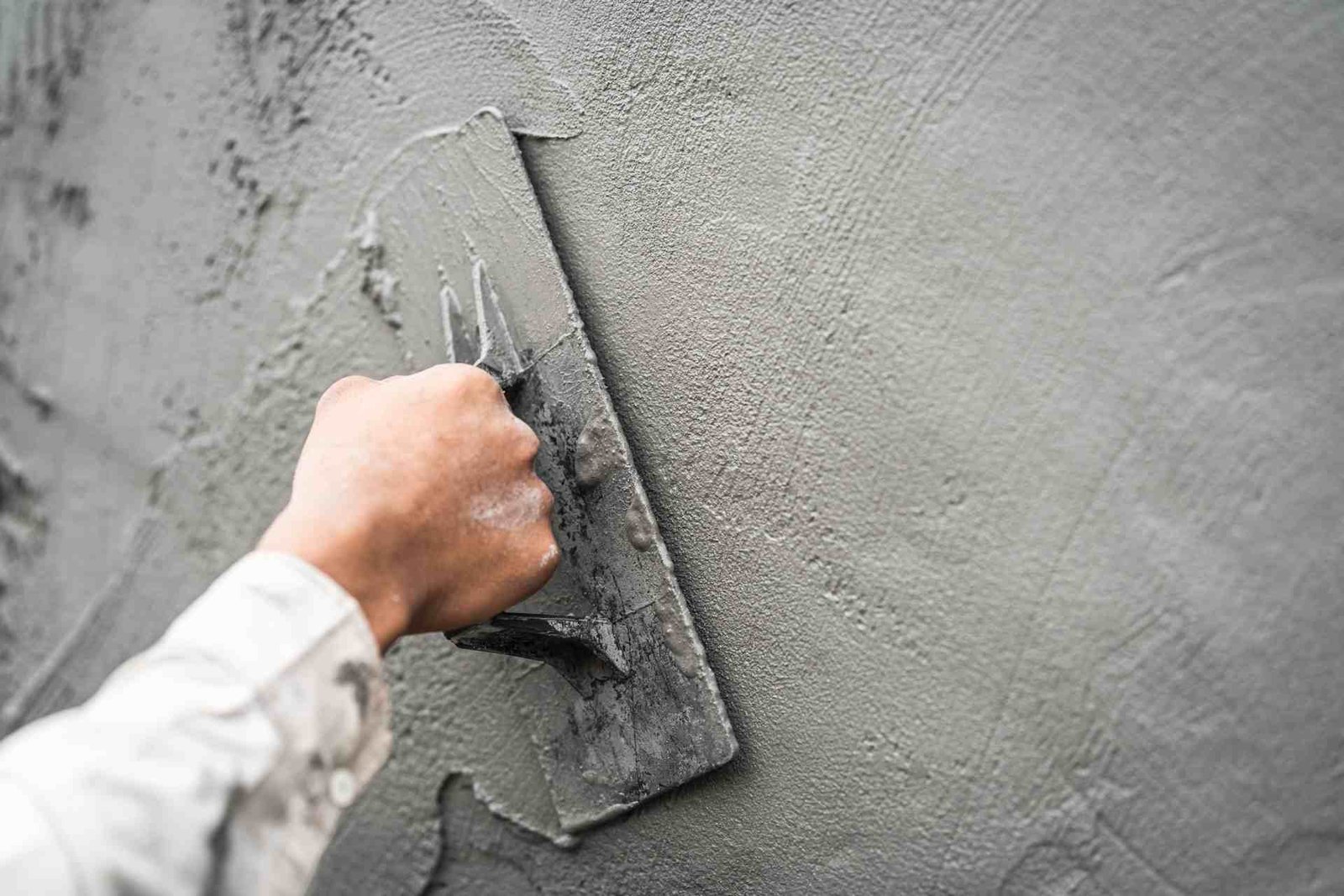
Construction worker applying cement mortar on a wall with trowel
System-Level Approach Balanced additives for every mortar stage
01
Understanding Mortar Performance

Built for Stable Workability and
Long-Term Performance

A good mortar or render must do more than mix easily. It must retain enough water for proper hydration, spread or spray consistently, adhere well to the substrate, resist cracking during curing, and maintain durable performance over time.

In practical formulation work, mortar performance depends on a balanced additive system. HPMC is a key additive for water retention and workability, RDP serves as the polymer modifier for better adhesion and flexibility, polypropylene fibers act as anti-crack agents, and Calcium Formate functions as a set modifier for rapid strength gain and cold-weather setting.

For more advanced render and repair systems, a stronger combination of cellulose ether, RDP, water-reducing admixtures, reinforcement fibers, and setting-control additives is often required — following a system-level approach rather than relying on a single additive.

02
Performance Targets

What a Mortar or Render Formula
Must Deliver

Strong Water Retention
Mortar must retain enough water to support proper cement hydration, maintain workability, and reduce premature drying. HPMC improves workability, adhesion, and water retention — water retention is crucial to hydration and long-term performance.
Good Workability and Easy Application
A mortar or render should spread smoothly, pump reliably if machine-applied, and feel stable during troweling. HPMC is the main additive for workability, while HEMC connects with better slip resistance and smoother spreading in mortar formulas.
Adequate Open Time and Cohesion
Mortar systems need enough working time for placement and finishing. HPMC extends mortar workability and lengthens open time, giving workers the control they need.
Strong Adhesion
Adhesion to masonry units, concrete, or old substrates is critical, especially in rendering and repair systems. HPMC, RDP, and PCE work together to deliver stronger adhesion, flexibility, and durability in mortars.
Better Flexibility and Crack Resistance
For repair mortar, waterproof mortar, and polymer-modified render systems, flexibility and crack resistance become much more important. RDP directly provides improved flexibility, crack resistance, and durable bonding.
Faster Setting or Early Strength When Needed
For cold-weather work, fast-turnaround repairs, or accelerated systems, faster early strength can be important. Formiato de calcio is the set modifier for cold-weather setting and rapid strength gain.
Crack Control and Toughness
For shrinkage-prone or movement-sensitive systems, fiber reinforcement may be needed. PP fibers (3–12 mm) act as anti-crack agents, and concrete reinforcing fibers extend this direction.
03
Product Package

Additives We Recommend for
Mortar and Render Formulations

Worker applying cement mortar plaster on construction wall
1
Core Water-Retention Additive
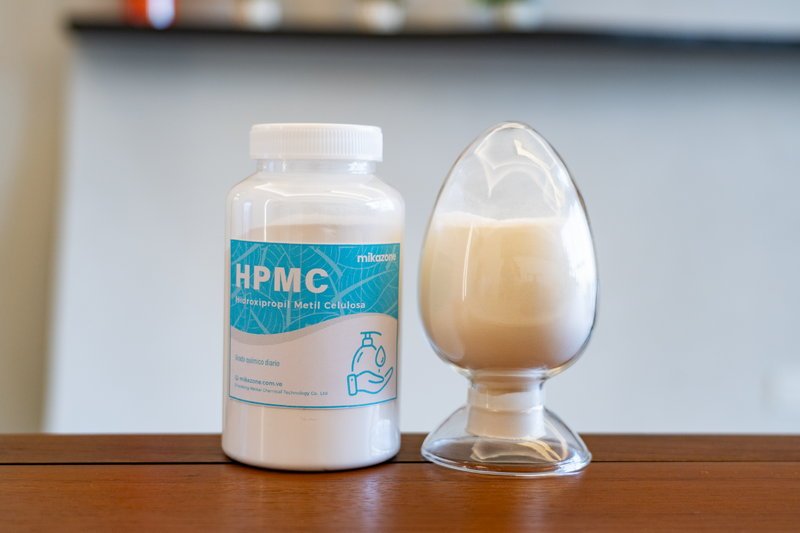
HPMC — Core Water-Retention and Workability Additive
HPMC is one of the most important additives in mortar systems — critical for water retention and workability. It also supports longer workability, reduced shrinkage, longer open time, improved bond strength, and enhanced water resistance across masonry mortar systems.
Best For
Water retention Trabajabilidad Open time Adhesion support Reduced shrinkage risk General mortar consistency
Related Products
MK20P MK40P MK75P MK100P MK150P MK200P
Smooth cement render finishing on a modern building wall
2
Alternative Cellulose Ether
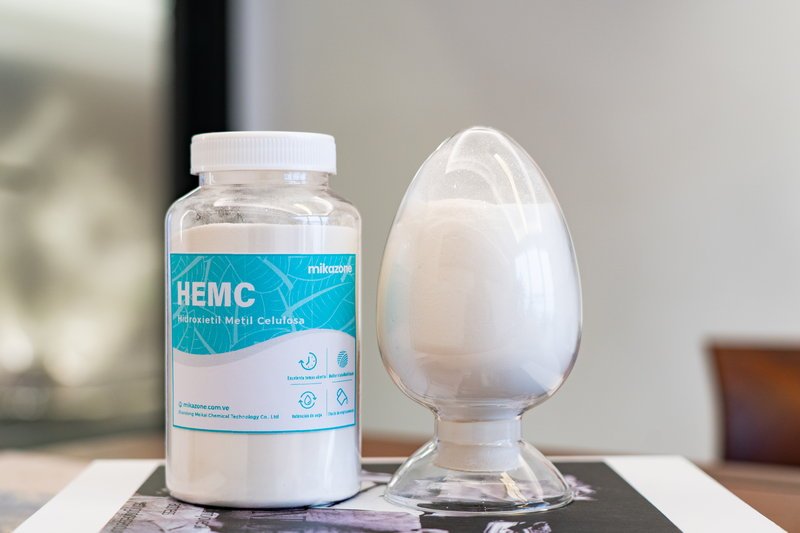
HEMC — Alternative / Complementary Cellulose Ether for Mortars
HEMC is also highly relevant in mortar formulations. MK150E is designed for cement- and gypsum-based mortars, especially tile adhesives, and provides good workability and enhanced water retention. HEMC also connects with consistent viscosity, smoother spreading, and better slip resistance in mortar formulas.
Best For
Morteros a base de cemento Balanced workability Stable rheology Water retention Selected HEMC-fit formulations
Related Products
MK75E MK100E MK150E MK200E
Repair mortar application on concrete surface with strong adhesion
3
Adhesion & Flexibility Modifier
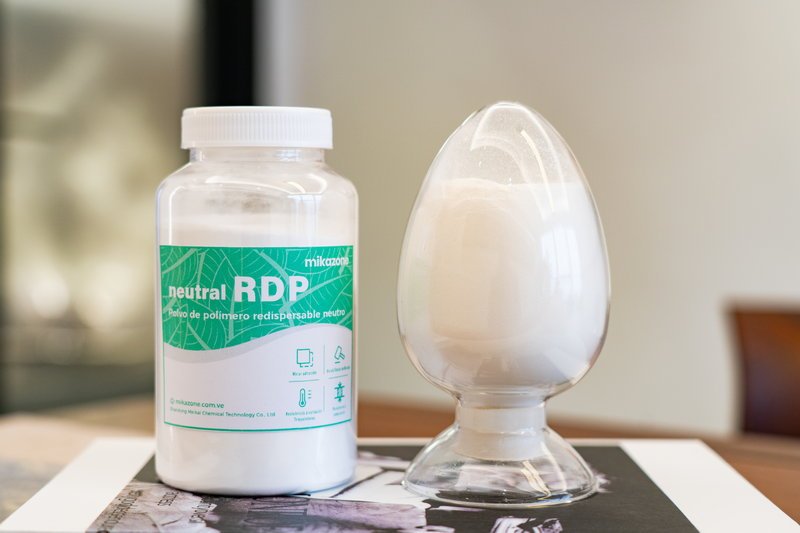
RDP — Adhesion, Flexibility, and Durability Modifier
RDP is one of the main upgrade additives for mortars and render systems. In repair mortar, RDP significantly improves bonding strength and flexibility, preventing flaking and detachment. It also delivers better flexibility, adhesion, water resistance, and longer life in polymer-modified mortar systems.
Best For
Repair mortars Polymer-modified renders Bonding mortars Waterproof mortars Higher-durability systems
Related Products
MK8028H MK8025H MK8022H MK3520N-MTG MK3530N-LTG MK3510N-HTG MK1620N MK1610N
High-performance concrete mortar pouring spray application
4
Water Reduction & Flow
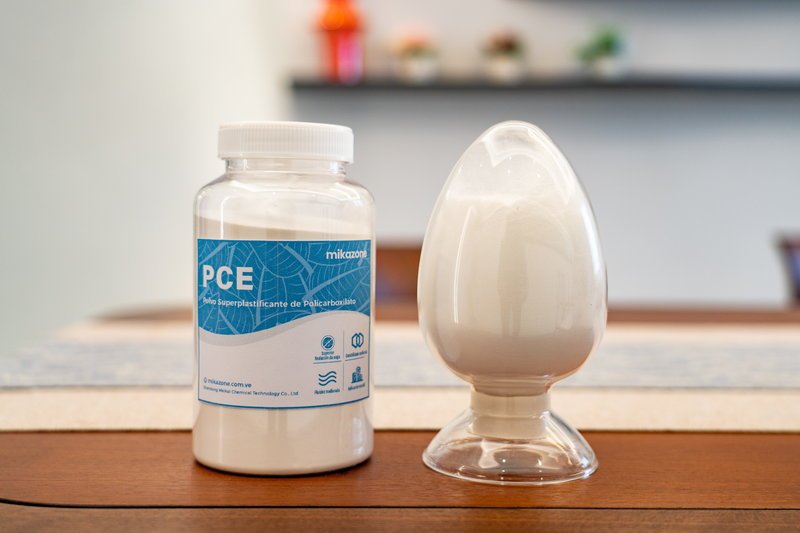
PCE — Water Reduction and Flow Optimization
PCE is especially useful where stronger flowability or lower water demand is required. It is manufactured specifically for optimal mortar adhesion solutions, while its technical properties emphasize stronger dispersion, lower water-cement ratio, and better workability retention. PCE is most relevant when dense or high-performance mortars are needed, pumping or sprayability must be optimized, strength needs to be improved without excess water, or premium waterproof/repair systems require tighter structure.
Best For
Spray mortar High-performance repair mortar Dense render systems Waterproof mortars Lower water optimization
Related Products
PCE 201 PCE 202 PCE 203 PCE 204
Cold weather construction site with cement mortar work
5
Fast Set / Early Strength
Calcium Formate — Fast Set / Early Strength Support
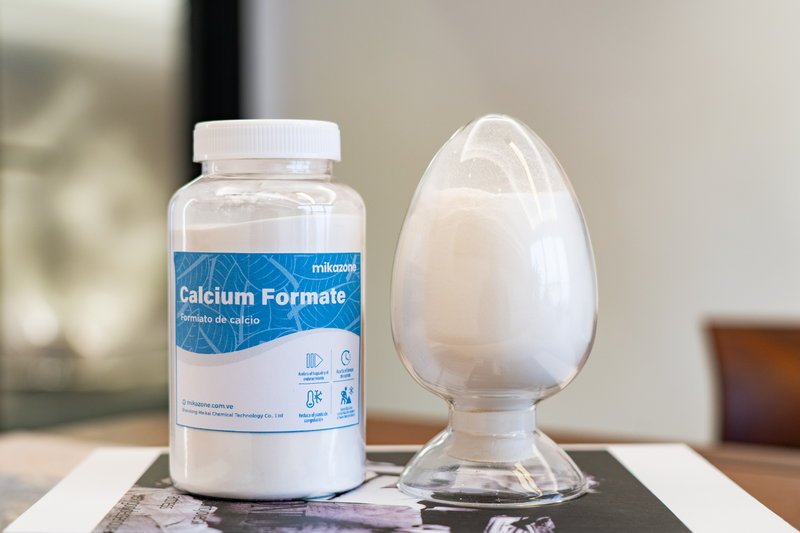
Calcium Formate is a set modifier for cold-weather setting and rapid strength gain, with a typical dosage of 0.5%–2%. It connects directly with mortar performance and efficiency, making it particularly useful in cold-weather mortar work, fast-repair mortars, accelerated construction schedules, and rapid-strength render systems.
Best For
Faster set Early strength gain Cold-weather mortar Quick-turnaround repair
Related Products
Calcium Formate / CaFo
Construction reinforcement fiber mortar crack resistant application
6
Crack Resistance & Toughness
PP Fiber — Crack Resistance and Toughness Support
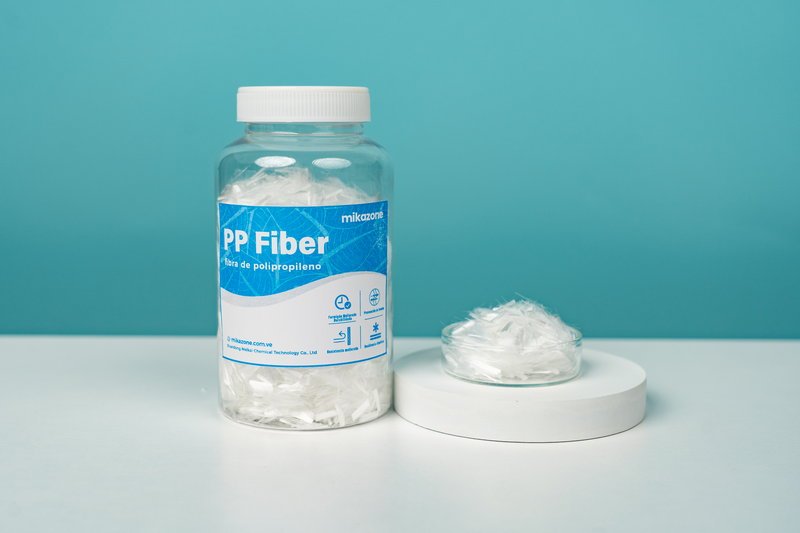
PP fibers (3–12 mm) act as anti-crack agents with a typical dosage of 0.05%–0.2%, specifically for plastic shrinkage crack control. Fiber-reinforced dry-mix mortar is also used in ETICS-related applications. PP fiber is especially useful when mortar or render systems need reduced shrinkage cracking, improved dimensional stability, better toughness, and better long-term integrity.
Best For
Rendering mortars Repair mortars Anti-crack systems ETICS reinforcement Exterior mortar systems
Related Products
Fibra de PP PP Monofilament Fiber
Grouting mortar application smooth finish construction
7
Optional Foam Control
Defoamer Powder — Optional Foam Control
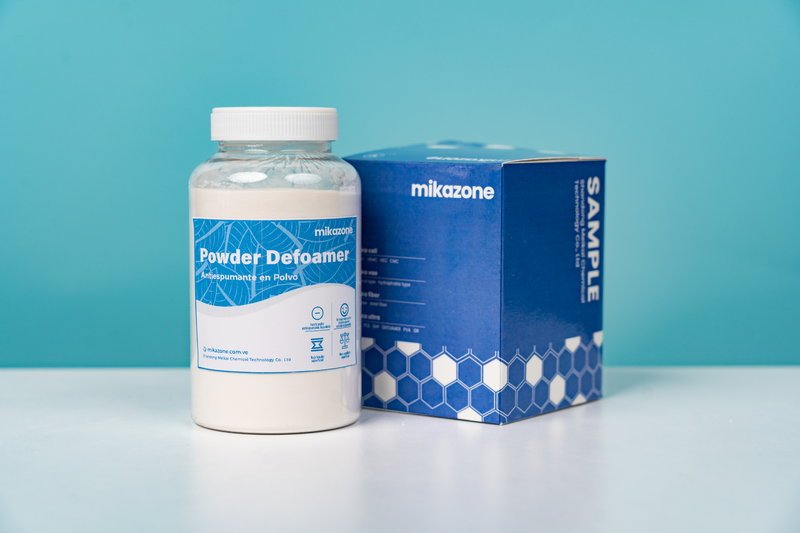
While not a core mortar ingredient in every formula, defoamer powder becomes relevant when foam or entrapped air affects density, finish, or filling quality. Trapped foam lowers density and creates weak spots — defoamer is explicitly relevant for mortar, concrete, and grouting applications.
Best For
Grouting materials Foam-sensitive mortars Better compactness Fewer surface voids Improved finish consistency
Related Products
DE401
04
Product Architecture

Recommended Additive Package by
Mortar Category

Masonry Mortar
For masonry mortar, HPMC is the clearest core additive, highlighting workability, adhesion, water retention, open time, reduced shrinkage, and water resistance.
Typical Product Direction
HPMC or HEMC Optional RDP Optional Calcium Formate
Cement-Based Render / Rendering Mortar
Render systems need good spreadability, water retention, adhesion to the wall, and crack control. A HPMC/HEMC + RDP + fiber structure delivers higher performance where needed.
Typical Product Direction
HPMC or HEMC Optional RDP Optional PP Fiber Optional PCE
Mortero de reparación
Repair mortars need stronger adhesion, flexibility, and durability than standard mortar. RDP significantly improves bonding strength and flexibility, helping resist minor movements and prevent flaking or detachment.
Typical Product Direction
HPMC or HEMC RDP Optional PCE Optional Calcium Formate Optional PP Fiber
Spray Mortar
Spray systems require stable rheology, pumpability, water retention, and finish consistency. Spray mortar is specifically listed among supported dry-mix solutions.
Typical Product Direction
HPMC or HEMC Optional PCE Optional Defoamer Optional Calcium Formate
Grouting Materials
Grouting systems require specific attention because foam control is critical — voids can weaken performance. Defoamer is a key consideration alongside standard additives.
Typical Product Direction
HPMC or HEMC Optional RDP Antiespumante Optional PCE Optional Calcium Formate
Morteros impermeables
Waterproof mortar additive systems tie HPMC, RDP, and PCE together for high-performance waterproofing, often with fiber and accelerator support depending on environment.
Typical Product Direction
HPMC RDP PCE Optional PP Fiber Optional Calcium Formate
05
Reference Guidance

Public Reference Guidance from
MikaZone

Public MikaZone Reference Points
PP fibers: 0.05%–0.2% in dry-mix mortar as anti-crack agents.
Calcium Formate: 0.5%–2% in dry-mix mortar as a set modifier for cold-weather setting and rapid strength gain.
Public Performance Direction
HPMC: core water retention, workability, open time, reduced shrinkage, and adhesion support in masonry mortar.
RDP: improved adhesion and flexibility in dry-mix mortar and repair mortar.
PCE: mortar-adhesion and workability optimization in higher-performance systems.
Important Note — The indexed public pages do not expose a full unified dosage table for every mortar additive. Final dosage must therefore be confirmed through raw-material review, performance targets, and formulation trials.
06
Lógica de selección

Selection Logic for
Mortars & Rendering Formulations

At Mandalas, we recommend mortar additives based on the specific mortar type, application method, performance targets, and practical trial feedback. Every recommendation follows a structured evaluation path.

Mortar type
Application method
Water retention target
Adhesion target
Flexibility / crack resistance
Fast set / early strength
Foam control needs
Comentarios sobre la prueba
Typical Recommendation Flow
1
Define the mortar category and target performance.
2
Select the core cellulose ether system.
3
Add RDP if stronger adhesion, flexibility, or durability is needed.
4
Add PCE, Calcium Formate, PP Fiber, or Defoamer according to the specific performance gap.
5
Validate with lab and plant trials.
Construction worker with mortar trowel on building site
Masonry · Render · Repair · Spray · Grout · Waterproof
Hand · Spray · Pump · Fill application
07
¿Por qué elegirnos?

Why Choose Mandalas for
Mortar & Rendering Formulation Support

We do not treat mortar as a one-additive application. We help build a complete performance package based on the exact mortar category and construction target.
What We Help With
Masonry Mortar Improvement
Water retention, workability, and open time optimization for masonry systems.
Cement Render & Spray Mortar Optimization
Spreadability, adhesion, and crack control for rendering systems.
Repair Mortar Performance Upgrade
Bonding strength, flexibility, and durability for repair applications.
Waterproof Mortar Formulation Support
High-performance waterproofing additive packages.
Grouting Material Performance Balancing
Density, flow, and foam control for grouting systems.
Trial Support and Formula Adjustment
Practical lab and field trial guidance with formula tuning.
What We Supply for Mortar & Rendering
HPMC
HEMC
RDP
PCE
Formiato de calcio
Fibra de PP
Antiespumante
Modern building exterior with clean rendered facade
Complete Solution
7 additive categories for
every mortar challenge
08
Preguntas frecuentes

Morteros y revocos
Preguntas frecuentes

For many mortar systems, cellulose ether is the core additive because it controls water retention, workability, and open time. HPMC is specifically presented in this role for masonry mortar systems.
RDP is explicitly identified as the additive that significantly improves bonding strength and flexibility in repair mortar, helping prevent flaking and detachment.
PP fibers are specifically listed as anti-crack agents, and HPMC is connected with reduced shrinkage — both contributing to crack control in dry-mix mortar systems.
Formiato de calcio is directly identified for cold-weather setting and rapid strength gain, with a typical dosage of 0.5%–2% in dry-mix mortar.
Yes. We can suggest a practical starting range based on your mortar type, raw materials, and target performance. Contact our technical team for a tailored recommendation.
09
Empezar

Need the right additive package for your
mortar or render system?

Tell us whether you are developing masonry mortar, repair mortar, spray mortar, waterproof mortar, grouting material, or cement render. We'll recommend the right product combination and starting selection logic to help you begin trials faster and reach stable results sooner.

1 Chatea con nosotros