
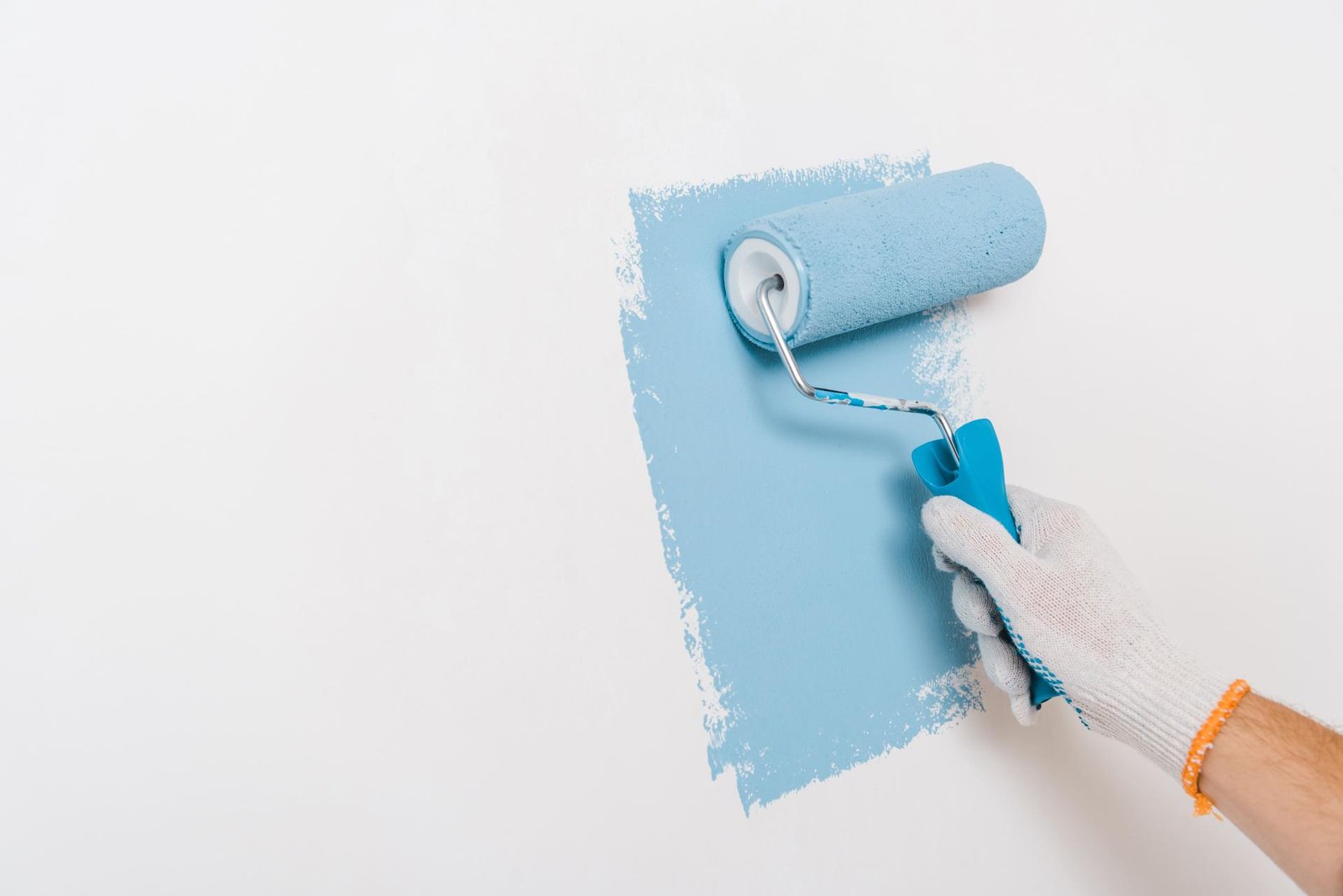
Recubrimientos texturizados
Soluciones
Soluciones de aditivos centradas en el rendimiento para recubrimientos texturizados que requieren viscosidad estable, aplicación suave, resistencia controlada al escurrimiento, buena retención de agua y un aspecto superficial fiable en sistemas de recubrimiento al agua. La presentación pública de los materiales HEC de MikaZone posiciona el HEC específicamente para recubrimientos y pinturas al agua, mientras que su página de pinturas y recubrimientos presenta el HEC como un espesante, estabilizador y aglutinante en dichos sistemas.
Diseñado para ofrecer una reología estable, una fácil aplicación y un acabado decorativo uniforme
Un buen revestimiento texturizado debe ofrecer algo más que un aspecto decorativo. Debe presentar la viscosidad adecuada, mantenerse estable en el cubo, extenderse o pulverizarse de forma homogénea, resistir el descuelgue en la pared y secarse formando una superficie texturizada uniforme sin contracciones excesivas, trazos de brocha irregulares ni marcas evidentes de aplicación.
En la práctica de la formulación, los revestimientos texturizados dependen en gran medida del control de la reología. Si la viscosidad es demasiado baja, el revestimiento puede descolgarse o perder definición en el patrón. Si es demasiado alta, la aplicación resulta pesada y difícil, y el efecto decorativo final puede quedar irregular. Las páginas públicas de MikaZone sobre el HEC sitúan a este compuesto precisamente en este papel, indicando que los productos MK30HE, MK60HE y MK100HE están diseñados para recubrimientos y pinturas al agua y actúan como espesantes eficaces que mejoran la viscosidad y la estabilidad.
Las páginas más generales de MikaZone sobre HEC y pinturas y recubrimientos también dejan claro que el HEC favorece la retención de agua, un comportamiento estable del recubrimiento y la formación de una película sin grietas sobre sustratos secos o muy absorbentes, lo cual es directamente relevante para los recubrimientos decorativos texturizados.
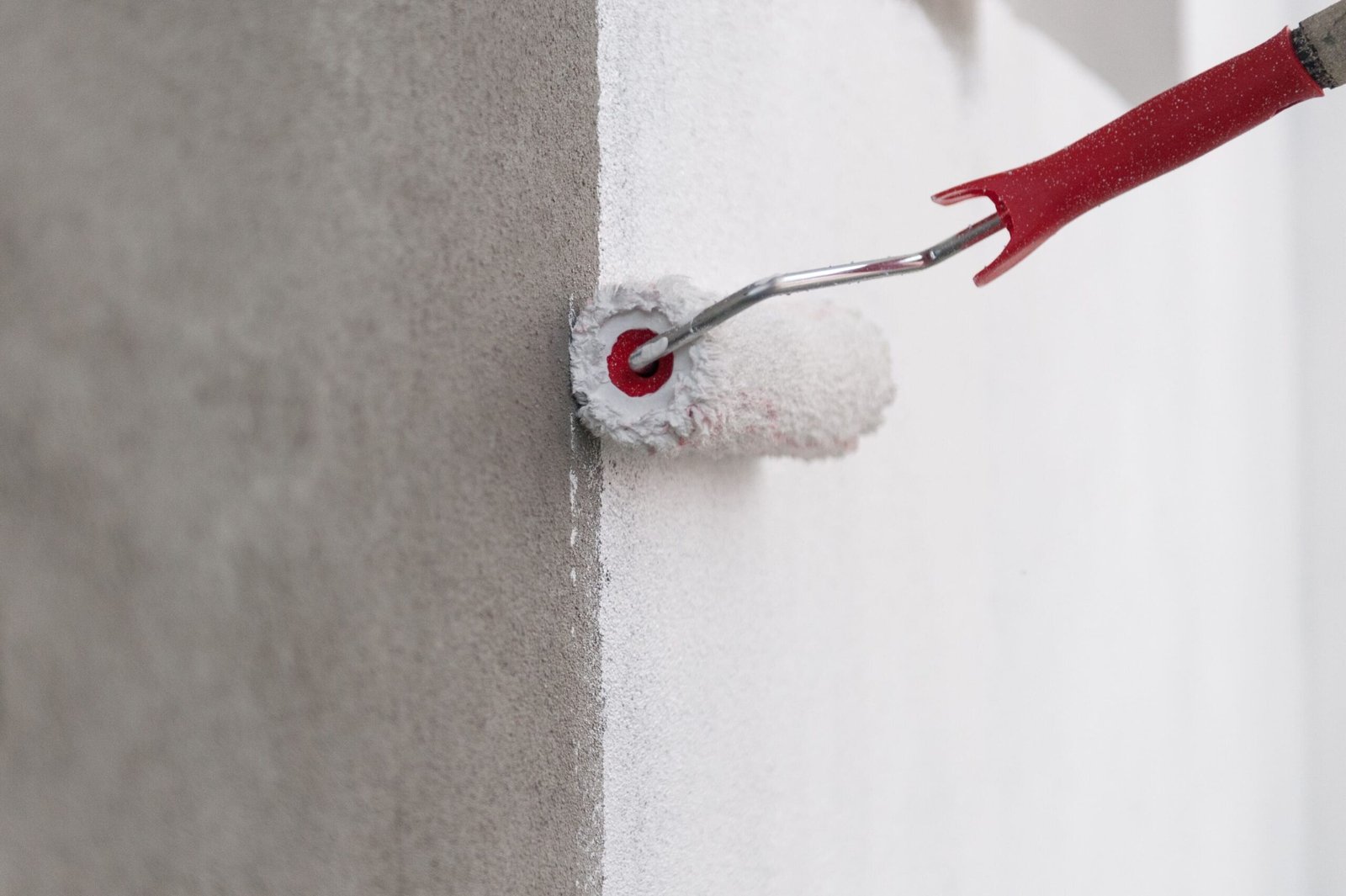
Rendimiento de los recubrimientos texturizados en aplicaciones reales
La sensación durante la aplicación, el control del escurrimiento y la calidad decorativa final de la superficie dependen de una reología equilibrada.
Lo que debe ofrecer una fórmula de recubrimiento texturizado
El rendimiento de un recubrimiento texturizado depende de más de una propiedad. La viscosidad, la retención de agua, la sensación durante la aplicación, la resistencia al escurrimiento, la estabilidad de almacenamiento, la formación de la película y el control de la espuma influyen en la calidad del acabado decorativo final.

Viscosidad estable
Los recubrimientos texturizados necesitan suficiente cuerpo para mantener el patrón y la textura sin colapsar. Las páginas de productos HEC de MikaZone presentan explícitamente el HEC como el espesante utilizado para mejorar la viscosidad y la estabilidad en los recubrimientos al agua.
Buena retención de agua
Una alta retención de agua ayuda al recubrimiento a formar una película más uniforme y reduce el secado prematuro en sustratos absorbentes. La página de MikaZone dedicada al proveedor de HEC afirma directamente que el HEC proporciona una alta retención de agua para los recubrimientos al agua y ayuda a garantizar una película uniforme y sin grietas, incluso en sustratos secos o muy absorbentes.
Aplicación suave y consistencia del patrón
Un recubrimiento texturizado debe aplicarse con brocha, rodillo, pulverizador o llana de forma suave, al tiempo que mantiene la textura decorativa. La página de pinturas y recubrimientos de MikaZone y las páginas de productos HEC posicionan al HEC como modificador reológico y espesante precisamente para conseguir estas propiedades en los recubrimientos al agua.
Resistencia al escurrimiento
Si la reología no se controla adecuadamente, los recubrimientos pueden descolgarse o presentar un acabado irregular al aplicarlos con brocha. El artículo de MikaZone sobre ensayos con celulosa señala explícitamente que una resistencia deficiente a las enzimas del HEC puede provocar pérdida de viscosidad, problemas reológicos, descolgamiento y un rendimiento irregular del recubrimiento. Esto hace que la estabilidad del grado de HEC sea muy relevante para la calidad de los recubrimientos texturizados.
Estabilidad durante el almacenamiento y consistencia en el cubo
Los recubrimientos texturizados necesitan un comportamiento de espesamiento estable a lo largo del tiempo. Las páginas de MikaZone dedicadas al HEC posicionan la familia de productos HEC en torno a la estabilidad del recubrimiento, mientras que su página de formulaciones personalizadas confirma que hay disponibles múltiples grados de viscosidad de HEC para diferentes tipos de recubrimientos.
Mejor integridad de la superficie y formación de película
En algunos recubrimientos decorativos o funcionales, la integridad de la película y la adhesión son tan importantes como la viscosidad. La página de MikaZone dedicada a los aditivos de construcción a base de PVA indica que el PVA mejora la resistencia de la unión, la formación de la película y la fluidez, lo que lo convierte en un modificador opcional útil para determinadas formulaciones de recubrimientos texturizados en las que se busca un mayor rendimiento de la película.
Menos espuma y mejor calidad de acabado
La espuma puede dañar el aspecto decorativo final al crear poros, una textura superficial irregular y una compactación deficiente. MikaZone presenta públicamente el polvo antiespumante como la solución para el aire atrapado y los defectos relacionados con la espuma en los sistemas de construcción, lo que también puede ser relevante en formulaciones de recubrimientos texturizados en las que el control del aire es importante.
Aditivos que recomendamos para formulaciones de revestimientos texturizados
1) HEC — Espesante principal para revestimientos texturizados al agua
Aditivo principalEl HEC es el aditivo principal más claro en esta aplicación. Las páginas de MikaZone dedicadas al HEC indican explícitamente que los productos MK30HE, MK60HE y MK100HE están diseñados para recubrimientos y pinturas al agua y actúan como espesantes eficaces que mejoran la viscosidad y la estabilidad. La página de formulaciones personalizadas de MikaZone indica además que estos tres grados cubren viscosidades de entre 1500 y 6000 aproximadamente y son adecuados para diversos tipos de recubrimientos.
- Aumento de la viscosidad del núcleo
- Retención de agua
- Estabilidad del recubrimiento
- Mejor tacto con brocha, rodillo o pulverizador
- Consistencia de la textura
2) HPMC: modificador opcional de textura y reología en determinados sistemas al agua
OpcionalAunque el HEC es el espesante más directo en los materiales de recubrimiento de MikaZone disponibles al público, el HPMC también puede actuar como modificador reológico y espesante en sistemas a base de agua. La página de productos para el cuidado del hogar de MikaZone indica explícitamente que el HPMC, al igual que el HEC, actúa como espesante y modificador reológico, lo que respalda su relevancia en formulaciones de textura a base de agua compatibles en las que se desea un tacto o un perfil de fluidez diferentes.
- Determinados sistemas de textura a base de agua
- Ajuste preciso de la reología
- Ajuste de la consistencia de la textura
- Control complementario de la viscosidad
3) HEMC: alternativa opcional para una aplicación más suave y un equilibrio de viscosidad
AlternativaEl artículo 2025 sobre MHEC de MikaZone afirma que los formuladores utilizan MHEC/HEMC para lograr una viscosidad constante, una mejor resistencia al deslizamiento y una extensión más suave en fórmulas de mortero y pintura. Aunque su enfoque principal en el ámbito de los recubrimientos sigue centrándose en el HEC, esto respalda públicamente el HEMC como alternativa reológica opcional cuando se necesita una aplicación más suave y un equilibrio de viscosidad en sistemas similares a los recubrimientos.
- Una aplicación más suave
- Viscosidad equilibrada
- Formulaciones seleccionadas de recubrimientos o decorativas
- Ajuste reológico opcional
4) PVA — Mejora de la formación de película y la adhesión
ModificadorEl PVA resulta relevante para recubrimientos texturizados que requieren una mayor formación de película, cohesión superficial o una mejor adhesión. La página de MikaZone dedicada al PVA indica abiertamente que este material mejora la resistencia de la unión, la formación de película y la fluidez en sistemas relacionados con la construcción. Aunque no es el espesante de primera línea de MikaZone para recubrimientos, resulta un modificador útil cuando la fórmula requiere una mayor integridad de la película.
- Ayuda a la formación de película
- Mejor adhesión
- Mejora de la integridad de la superficie
- Mejoras seleccionadas en recubrimientos decorativos
5) Polvo antiespumante — Control opcional de la espuma para un mejor acabado de textura
Control de la espumaLos recubrimientos texturizados pueden presentar espuma, poros, un desarrollo irregular del patrón o un aspecto superficial deficiente si no se controla el aire. El amplio contenido sobre antiespumantes de MikaZone explica que estos productos eliminan rápidamente la espuma y mejoran la uniformidad y la compacidad de la textura en los sistemas pertinentes. Esto convierte al antiespumante en un aditivo opcional útil cuando la mezcla o la aplicación introducen demasiado aire.
- Reducción de los poros
- Mayor uniformidad de la textura
- Menor cantidad de aire atrapado
- Mejor aspecto superficial
- Calidad de aplicación más estable
6) RDP: mejora opcional de la resistencia y la adhesión en sistemas de textura especializados
EspecializadosEl RDP no es el espesante principal para los revestimientos texturizados, pero en revestimientos decorativos especializados o en revestimientos de fachadas más exigentes puede resultar relevante cuando se requiere una mayor tenacidad, adhesión o flexibilidad de la película. La amplia gama de productos RDP y morteros modificados con polímeros de MikaZone asocia sistemáticamente el RDP con mejoras en la adhesión y la durabilidad, por lo que puede tenerse en cuenta en determinados sistemas decorativos híbridos o reforzados.
- Mejorar la adhesión en sistemas especializados
- Películas de revestimiento decorativo más resistentes
- Formulaciones reforzadas o destinadas al exterior seleccionadas
Paquete de aditivos recomendado por categoría de recubrimiento texturizado
Revestimiento texturizado estándar al agua
En el caso de los recubrimientos texturizados decorativos estándar, la estructura de aditivos suele basarse en el HEC como espesante principal. Las páginas públicas de MikaZone dedicadas a los recubrimientos respaldan firmemente esta opción a través de los productos MK30HE, MK60HE y MK100HE.
Revestimiento decorativo de aplicación más suave
Cuando se requiere una aplicación más suave con brocha o rodillo, se puede utilizar HEC + HEMC o HEC + HPMC seleccionado como estructura de ajuste reológico, dependiendo del efecto deseado. Los materiales públicos de MikaZone respaldan el uso de HEC como espesante principal del recubrimiento y de HEMC/HPMC como modificadores reológicos alternativos en sistemas relacionados.
Revestimiento de textura premium con mayor integridad de la película
Para recubrimientos que requieren una formación de película más resistente o una mejor adhesión, el PVA cobra mayor relevancia como modificador.
Recubrimiento texturizado sensible a la espuma
Cuando aparecen poros, burbujas o defectos de textura relacionados con el aire, el antiespumante cobra mayor importancia.
Orientación de referencia pública de MikaZone
| Grado | Referencia |
|---|---|
| MK30HE | Viscosidad Brookfield de 1.500–2.500 mPa·s, diseñado para recubrimientos al agua. |
| MK60HE | Viscosidad Brookfield de 2.500–3.500 mPa·s, diseñado para recubrimientos al agua. |
| MK100HE | Viscosidad Brookfield de 3.500–6.500 mPa·s, diseñado para recubrimientos y pinturas al agua. |
Nota importante
Las páginas públicas indexadas en esta revisión no presentan una tabla de dosificación completa y unificada para los aditivos de recubrimientos texturizados. Por lo tanto, la dosificación final debe confirmarse mediante el análisis de las materias primas, el contenido en sólidos, la textura deseada y las pruebas de formulación.
Lógica de selección para formulaciones de recubrimientos texturizados
En Mandalas, recomendamos aditivos para recubrimientos texturizados basándonos en:
Determinar si el producto es un recubrimiento texturizado estándar al agua, un recubrimiento decorativo de alta gama o una formulación sensible a la espuma.
Selecciona el rango de viscosidad HEC principal.
Añada HEMC, HPMC o PVA si la fórmula necesita un ajuste reológico o un mayor rendimiento de la película.
Añada un antiespumante si el control del aire o la calidad del acabado suponen un problema.
Valídela mediante ensayos de laboratorio y de producción.
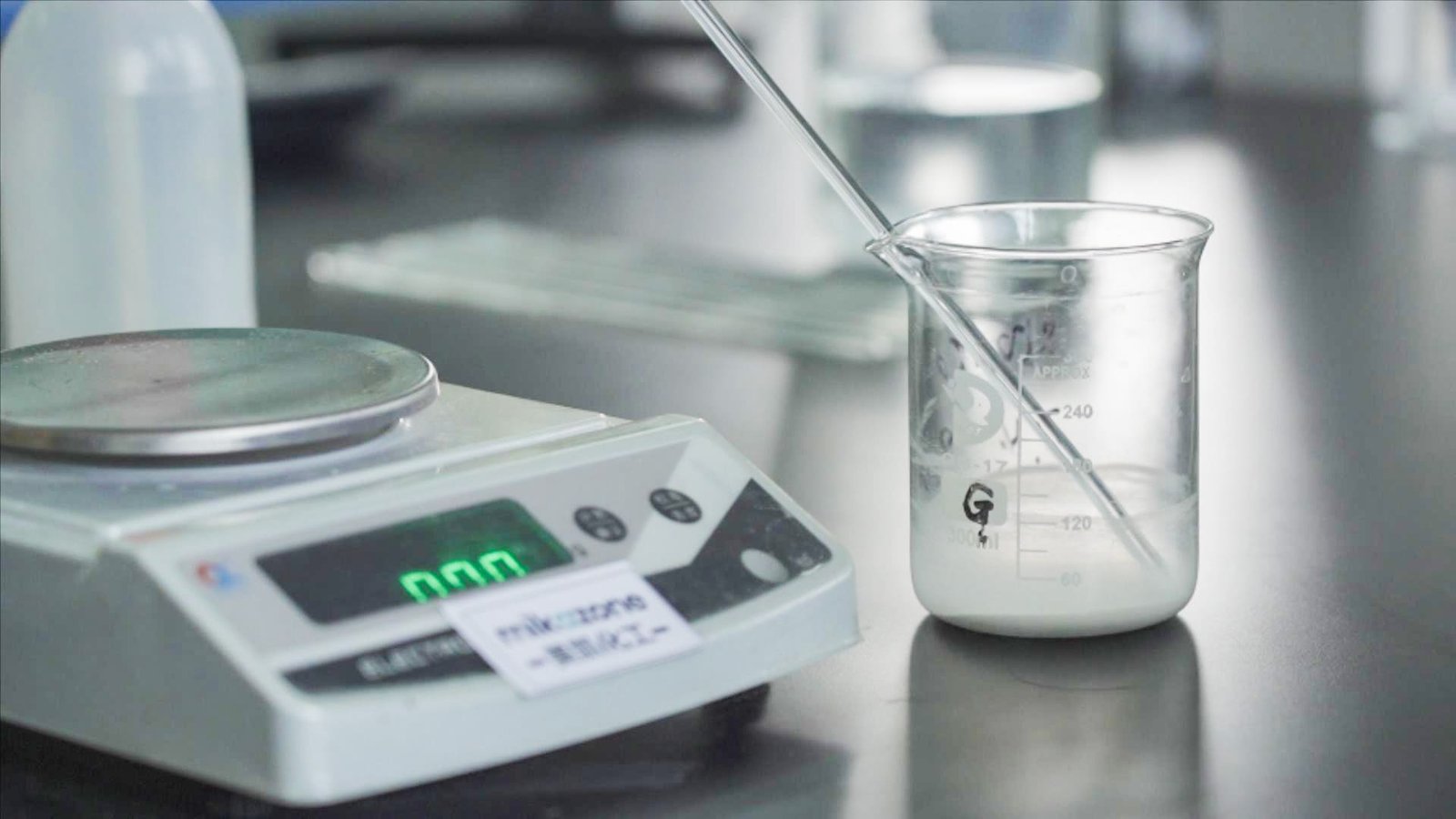
La selección debe seguir la lógica de la formulación
La textura, el método de aplicación, el acabado deseado, el control de la espuma y la estabilidad de almacenamiento influyen en la elección del paquete de aditivos adecuado.
¿Por qué elegir a Mandalas para el apoyo en la formulación de recubrimientos texturizados?
Le ayudamos a crear un paquete completo de aditivos en función de la textura, la reología y el acabado deseados para su sistema de recubrimiento, en lugar de recomendarle únicamente un tipo de espesante.
En qué le ayudamos
- Recubrimientos texturizados estándar al agua
- Recubrimientos decorativos con una extensión más suave
- Recubrimientos de alta gama con mayor integridad de la película
- Sistemas de textura sensibles a la espuma
- Optimización reológica y ajuste de la viscosidad
- Asistencia en pruebas y ajuste de fórmulas
Lo que ofrecemos para aplicaciones de recubrimientos texturizados
- HEC
- HPMC
- HEMC
- PVA
- Antiespumante
- RDP opcional
Preguntas frecuentes sobre recubrimientos texturizados
P1: ¿Cuál es el aditivo más importante en los recubrimientos texturizados al agua?
Según la información pública de MikaZone sobre materiales para recubrimientos, el HEC es el aditivo principal más directo, ya que está diseñado específicamente como espesante para recubrimientos y pinturas al agua.
P2: ¿Qué grados de HEC comercializa públicamente MikaZone para recubrimientos?
MikaZone comercializa públicamente los grados MK30HE, MK60HE y MK100HE para recubrimientos y pinturas al agua.
P3: ¿Por qué es importante la retención de agua en los recubrimientos texturizados?
En la página de proveedores de HEC de MikaZone se indica que el HEC proporciona una alta retención de agua y ayuda a garantizar una película uniforme y sin grietas sobre sustratos secos o superabsorbentes.
P4: ¿Pueden los recubrimientos texturizados necesitar también un antiespumante?
Sí. Cuando la espuma provoca poros, un patrón irregular o un acabado deficiente, el antiespumante puede resultar relevante como aditivo para mejorar el proceso. Esto se ajusta a la lógica general de MikaZone en materia de control de la espuma.
P5: ¿Pueden recomendar rangos de dosificación?
Sí. Podemos sugerir un rango inicial práctico en función de su tipo de recubrimiento, la viscosidad deseada y los requisitos de acabado.
¿Necesita el paquete de aditivos adecuado para su recubrimiento texturizado?
Indíquenos si está desarrollando un recubrimiento texturizado estándar, de alta gama o sensible a la espuma. Le recomendaremos la combinación de productos adecuada y la lógica de selección inicial para ayudarle a iniciar las pruebas más rápidamente y a obtener resultados estables cuanto antes.