Exclusivo Representante exclusivo de MikaZone en Venezuela
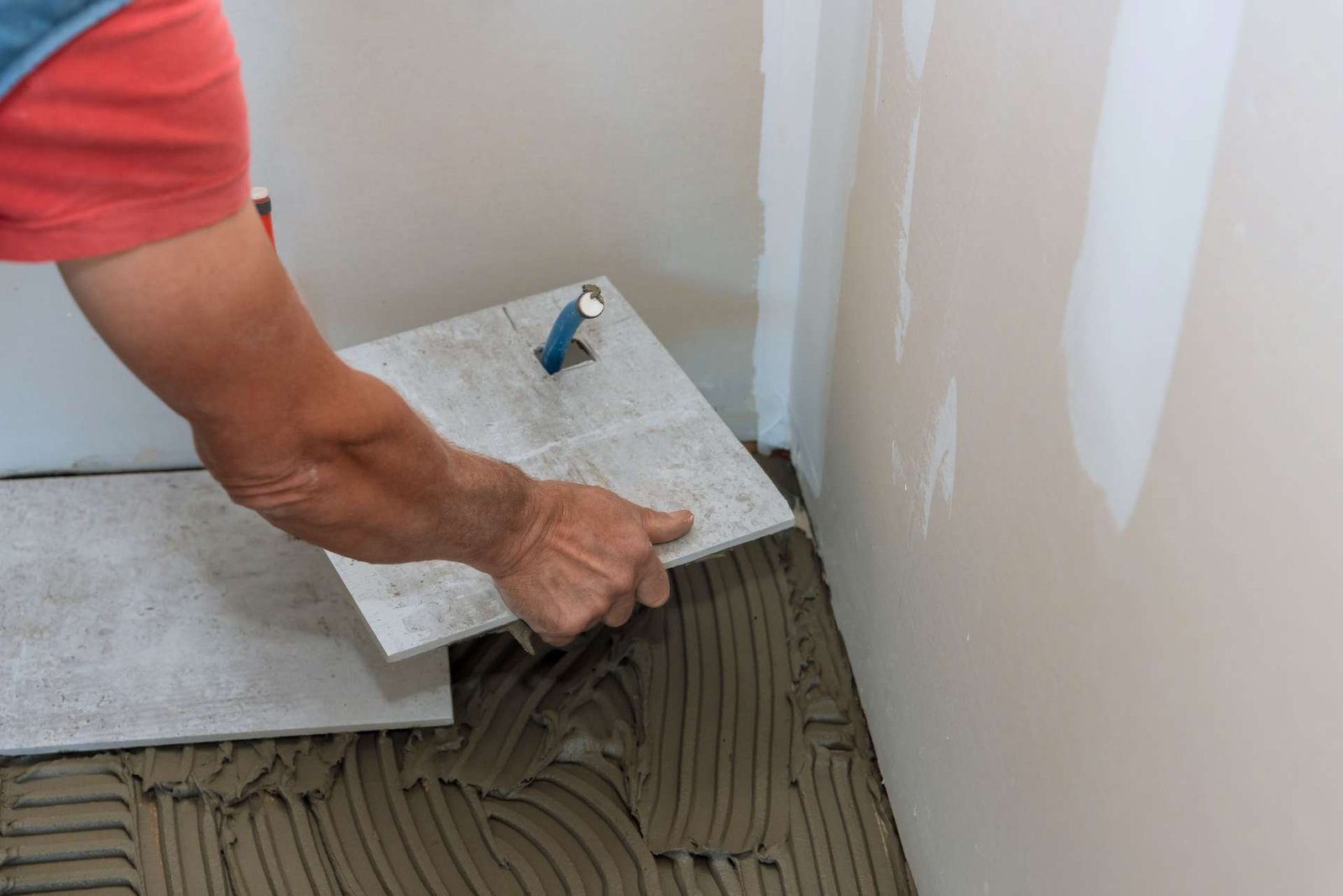
Ceramic tile surface and joints — premixed grout filling and uniform joint appearance
Soluciones / Lechadas premezcladas

Lechadas premezcladas
Soluciones

Performance-focused additive solutions for premixed grouts that require stable viscosity, smooth filling, strong adhesion in joints, reliable film formation, low shrinkage risk, and a clean, uniform final appearance.

Why This Solution
Ready-to-Use Grout & Joint-Filling Systems
Suitable for ready-to-use premixed grout and related paste-like joint-filling systems.
Cellulose Ether, Film Formers & Functional Additives
Built around cellulose ether, film-forming modifiers, and selected functional additives for balanced rheology and finish quality.
Local Support in Venezuela
Local recommendation, supply coordination, and technical support available in Venezuela.
Stable Viscosity
Smooth Filling
Joint Adhesion
Formación de películas
Low Shrinkage
Uniform Finish
Explore

Section 1 — What Makes a Good Premixed Grout?

Built for Smooth Joint Filling, Stable Storage, and Reliable Final Appearance

A good premixed grout must do more than fill a joint. It needs to stay stable in the bucket, flow or press smoothly into narrow gaps, maintain enough body so it does not slump out of the joint, bond well to tile edges and the filled channel, and dry into a dense, uniform surface without pinholes, craters, excessive shrinkage, or weak powdery areas.

In practical formulation work, premixed grout performance is usually built around four main requirements: rheology control, film formation, joint adhesion, and air control. MikaZone's public materials do not expose a directly indexed "premixed grout" formula page in the results I found, but its broader published system is clear: HEC is publicly positioned for water-based coatings and paints as a viscosity/stability tool, PVA is positioned for bonding strength and film formation, HEMC is publicly described as improving cohesion and preventing segregation in building applications, and the broader product system includes RDP and Defoamer Powder for adhesion and air control respectively.

Ceramic tile grid and joints — premixed grout filling and uniform appearance
Joint filling, edge wetting, and dense final surface—without pinholes or weak zones.
Rheology controlViscosity, body, anti-sag
Film formationCohesive joint matrix after cure
Joint adhesionTile edges & channel integration
Air controlAntiespumante

Section 2 — Key Performance Targets in Premixed Grouts

What a Premixed Grout Formula Must Deliver

Performance targets below align with MikaZone public statements on HEC, HEMC/MHEC, PVA, RDP, and defoamers—where a dedicated premixed-grout page was not indexed.

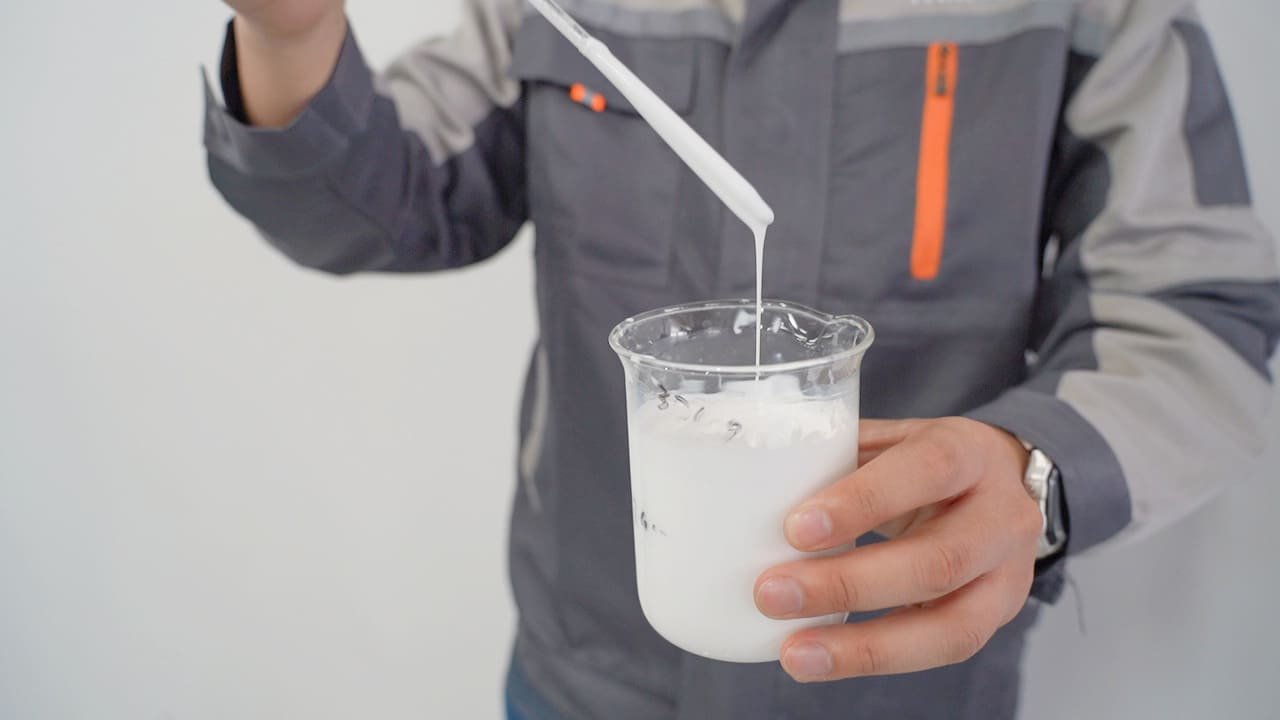
Laboratory liquids — bucket viscosity for premixed grout

Stable Viscosity and Bucket Consistency

A premixed grout must remain usable during storage and application. MikaZone publicly positions HEC as a thickener for water-based systems, emphasizing viscosity enhancement and system stability in coatings and paints—directly relevant to water-based premixed grout pastes.
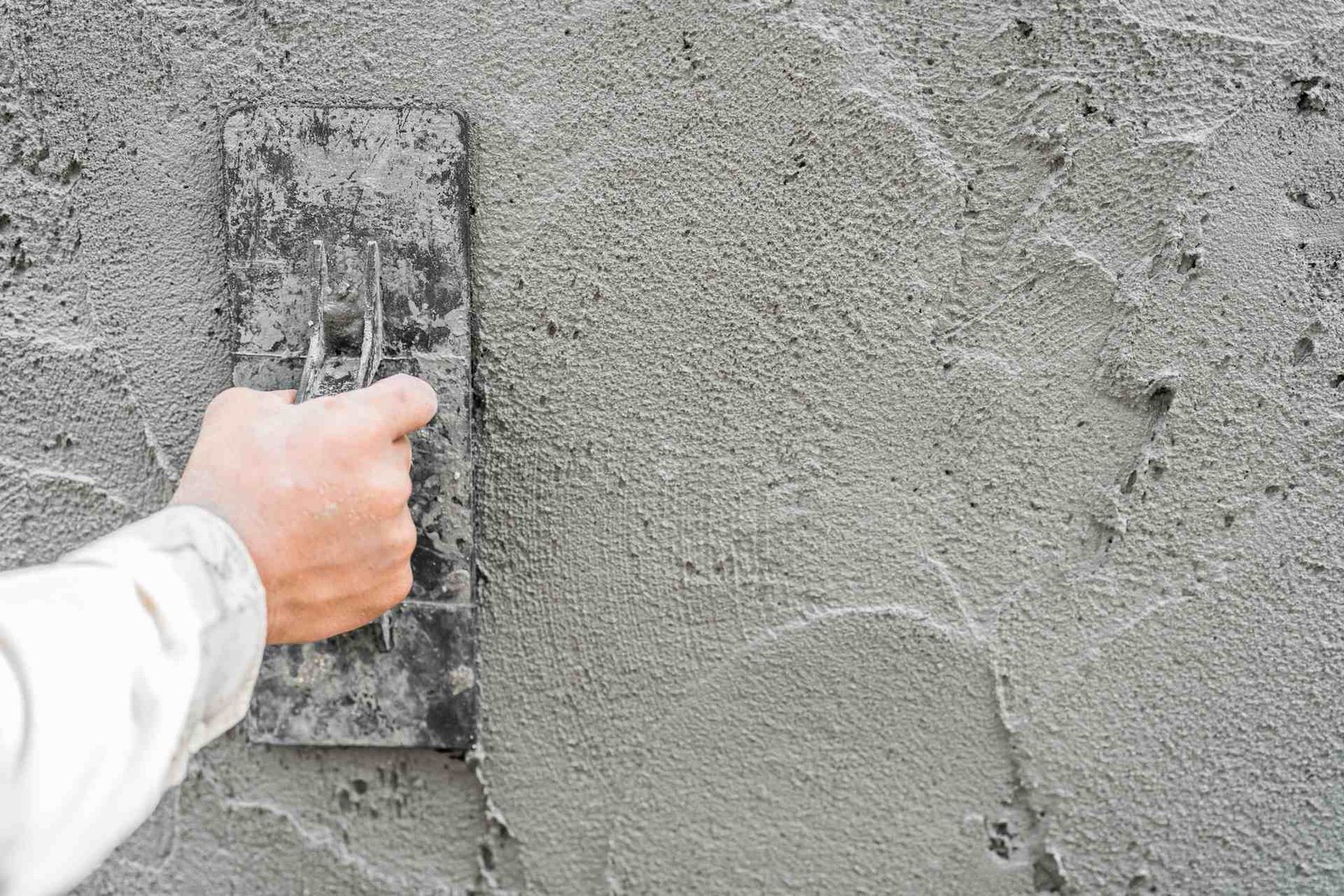
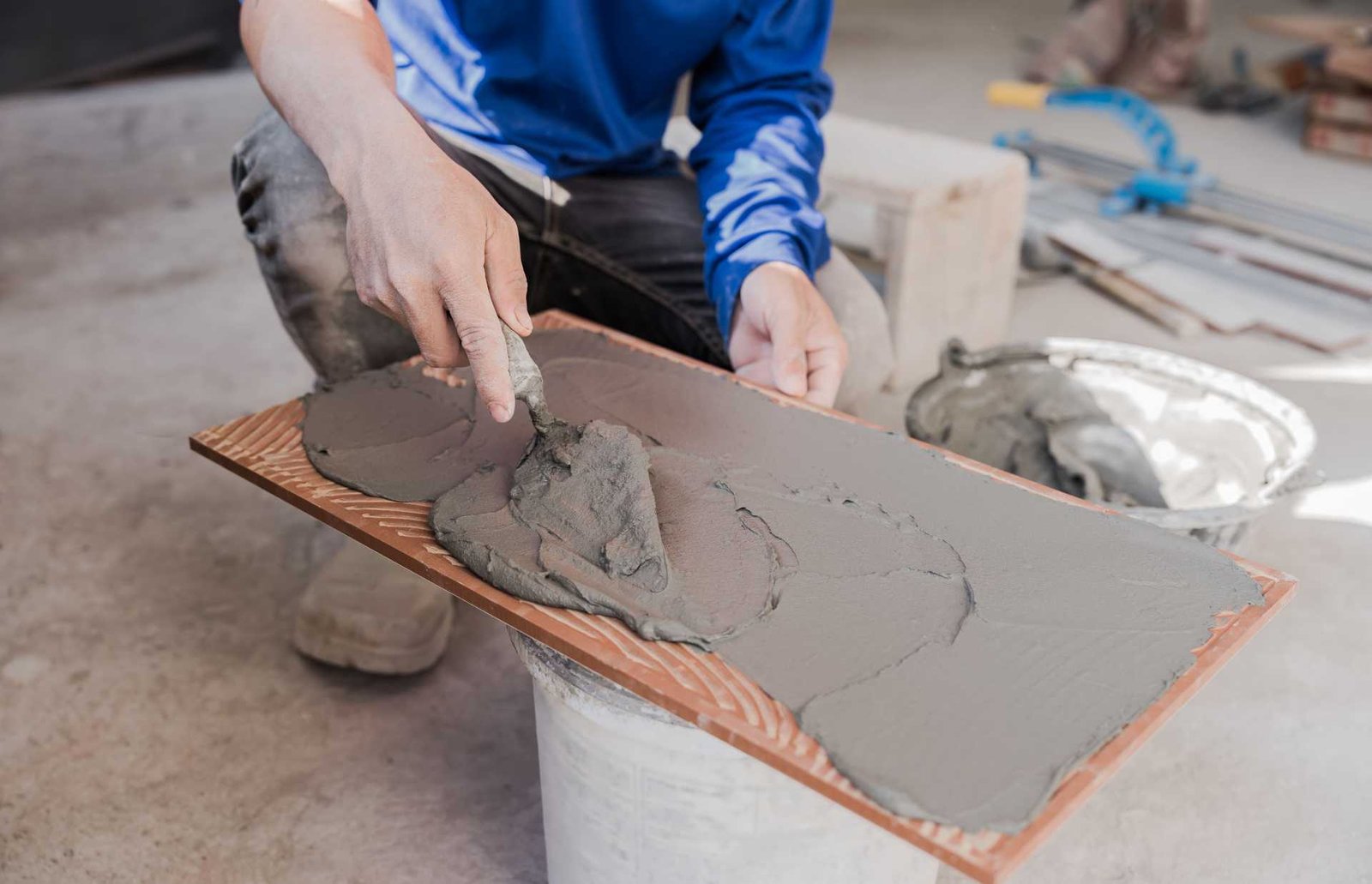
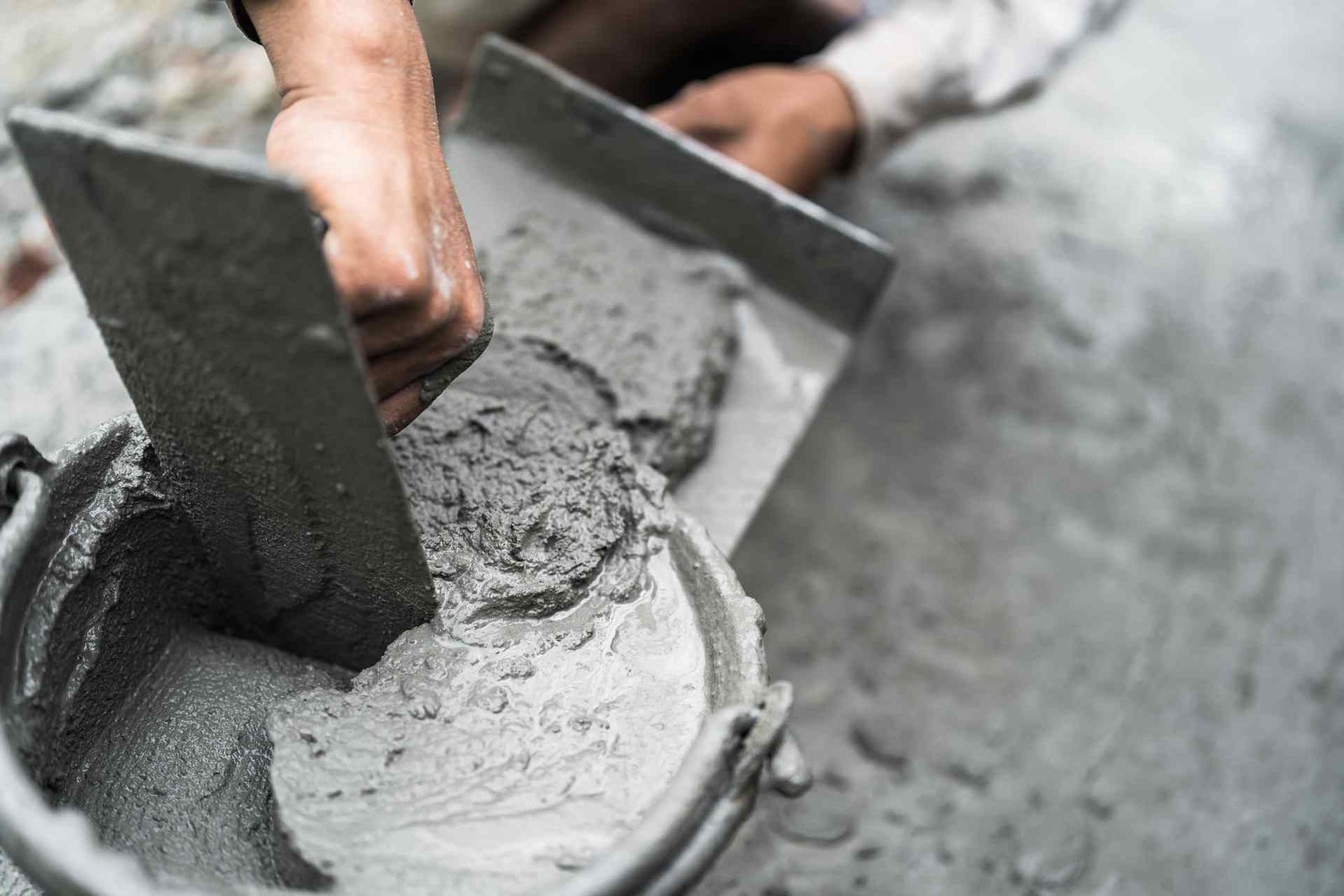
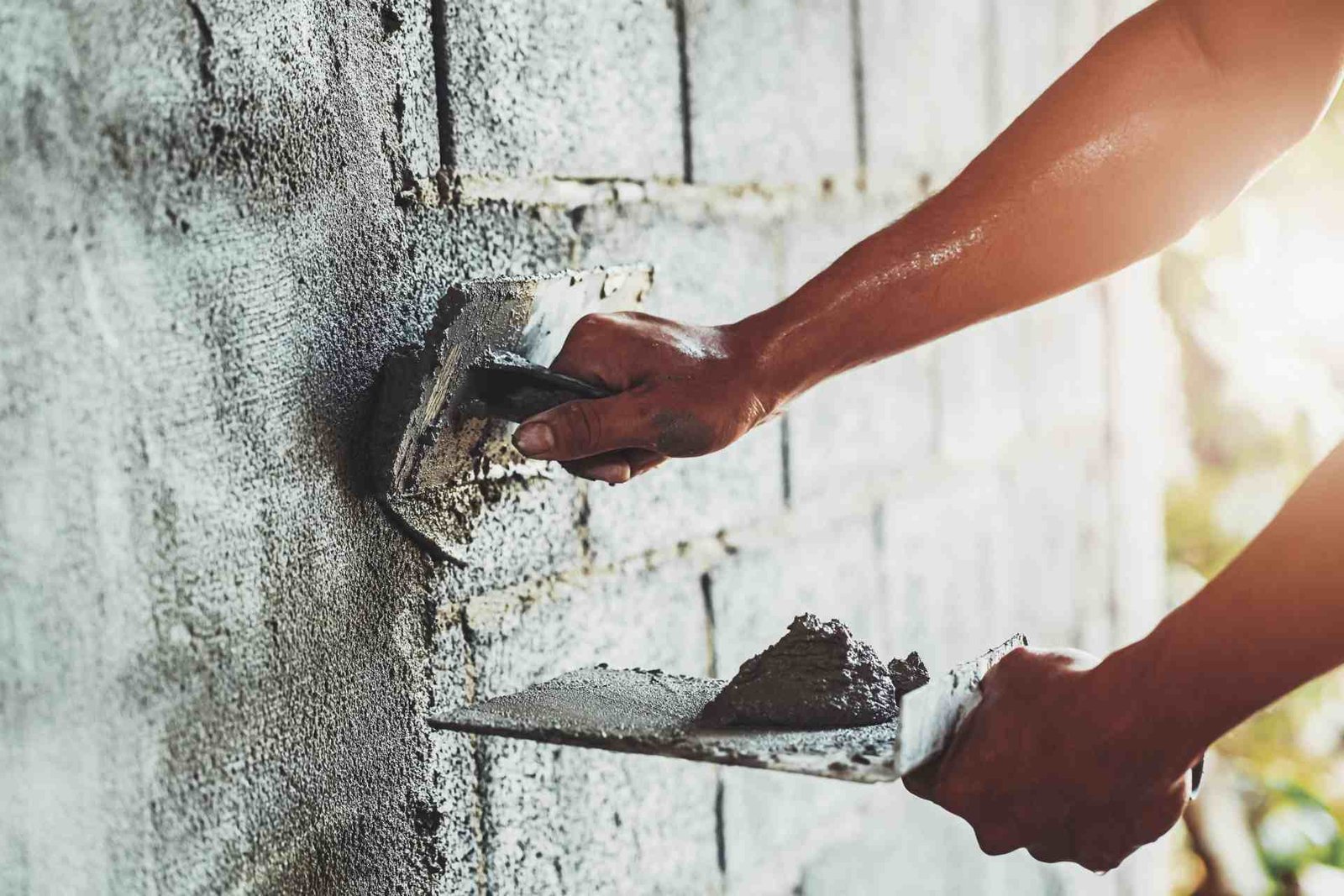
Trowel spreading paste — smooth joint filling

Smooth Joint Filling and Easy Application

Premixed grout should move easily into the joint while maintaining enough body to stay in place. MikaZone's public HEMC/MHEC materials state that HEMC enhances cohesion, prevents segregation, and improves construction performance—aligning with grout-filling behavior.

Polymer film — continuous joint matrix

Good Film Formation and Joint Integrity

A premixed grout needs to dry into a continuous and durable joint matrix. MikaZone's PVA page states that PVA improves bonding strength, film formation, and fluidity—highly relevant for premixed grout systems.

Tiled surface — adhesion at tile edges and in the joint

Reliable Adhesion at Tile Edges

Grout performance depends on how well it bonds and stays integrated inside the joint. MikaZone's broader polymer-modified materials link RDP with stronger adhesion, better durability, and improved flexibility—relevant for higher-performance premixed grouts.

Foam and liquid — defoamer for dense grout surface

Low Foam and Better Surface Finish

Premixed grout should dry with a clean, even, dense surface. Foam can cause pinholes, weak spots, and poor appearance. MikaZone's defoamer system is presented for construction applications where trapped air damages density and finish quality—relevant in paste-style grout systems.

Materials testing — sag resistance and rheology balance

Sag Resistance and Rheology Balance

A premixed grout must not become too runny in wider joints or vertical applications. MikaZone's HEC and MHEC public materials support cellulose ethers where viscosity stability, cohesion, and smoother spreading matter.

Section 3 — Recommended Product Package for Premixed Grouts

Additives We Recommend for Premixed Grout Formulations

Six additive roles in a zigzag layout—photo alternates for scan-friendly reading.

1

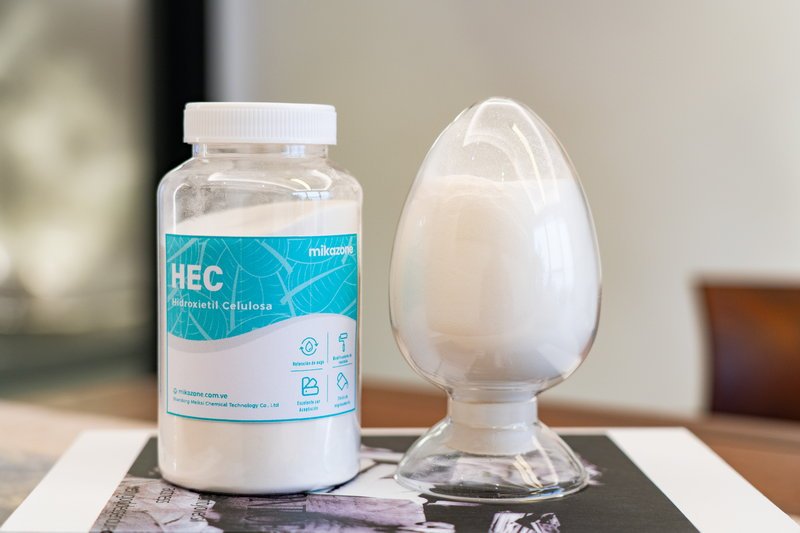
HEC — Core Thickener for Water-Based Premixed Grouts

HEC is the most direct first-line additive in your current product line for a premixed grout system, because MikaZone publicly positions it for water-based coatings and paints where stable viscosity and good rheology are required. In a ready-to-use grout paste, this same thickening-and-stability logic is highly applicable. MikaZone publicly confirms representative HEC grades such as MK30HE, MK60HE, and MK100HE for water-based systems.

Best for
Core viscosity buildBucket stabilitySmooth paste consistencyJoint-filling controlWater-based grout rheology
Related Products
HEC rheology — water-based lab context
2

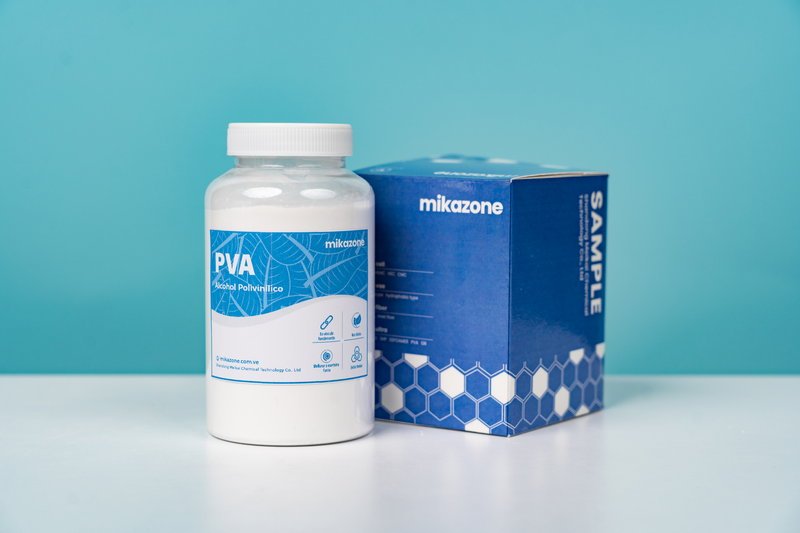
PVA — Core Film-Formation and Adhesion Support Additive

PVA is one of the most relevant additives for premixed grouts because MikaZone publicly states that it improves bonding strength, film formation, and fluidity. These are exactly the functions a premixed grout needs when it must form a cohesive, well-bonded joint surface after drying.

Best for
Stronger film formationBetter tile-edge bondingImproved joint cohesionSmoother final finish
Related Products
17882488
Film formation — PVA cohesive joint surface
3

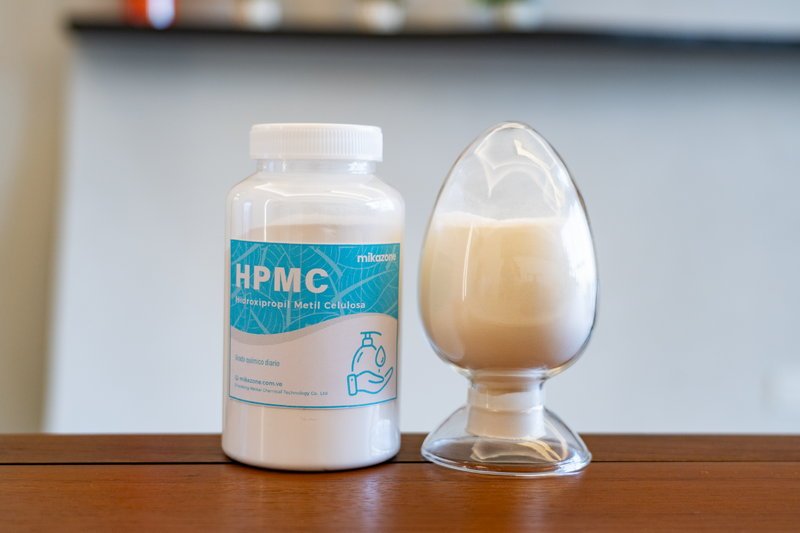
HPMC — Optional Body and Workability Modifier

HPMC is not the most directly indexed water-based coating thickener in MikaZone's public materials, but it is clearly positioned throughout MikaZone's construction content as a rheology modifier that improves water retention, lubrication, and workability. In premixed grout systems, HPMC becomes relevant when the formula needs more body, better filling stability, smoother tooling feel, or stronger anti-sag performance in vertical or wider joints.

Best for
Higher-body groutBetter anti-sagSmoother tooling feelRheology fine-tuning
Related Products
Fine powder — body and workability modifiers
4

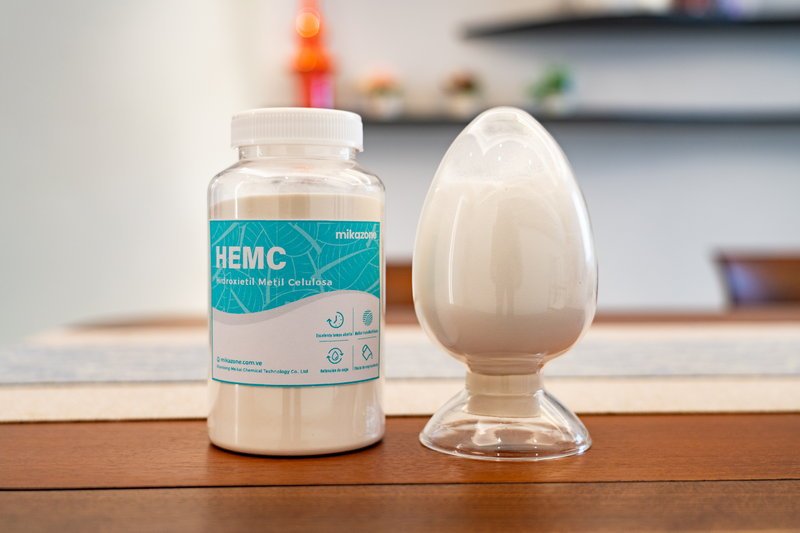
HEMC — Optional Alternative for Cohesion and Viscosity Balance

MikaZone publicly states that HEMC is widely used as a thickener in building applications, enhancing cohesion, preventing segregation, and improving construction performance. That makes it a strong optional rheology modifier in premixed grout when the formula needs smoother spreading, better cohesion inside the joint, and reduced separation risk.

Best for
Better cohesionReduced segregationSmoother fillingBalanced viscosity profile
Related Products
MK75ESMK100ESMK150ES
Smooth filling — HEMC cohesion and spread
5

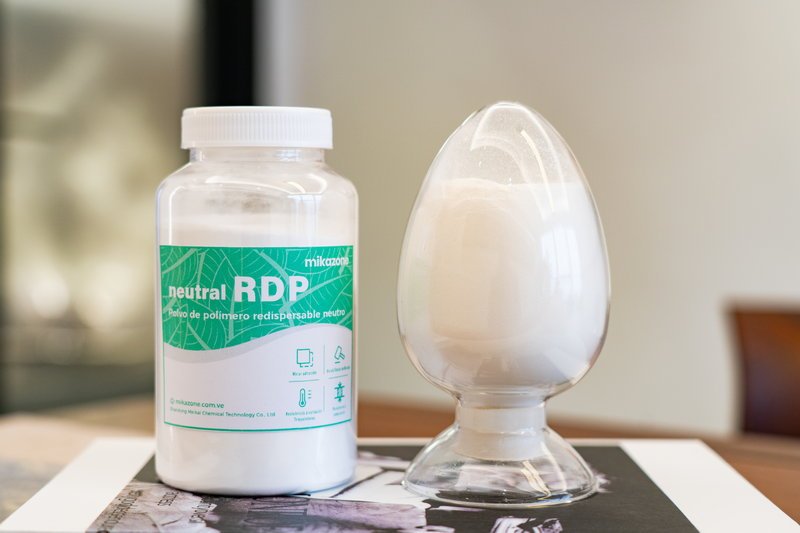
RDP — Optional Adhesion and Durability Upgrade

RDP is not the default thickener for a standard premixed grout, but it becomes very relevant in higher-performance systems where stronger adhesion, better flexibility, and tougher film behavior are needed. MikaZone's broader public system consistently positions RDP as the polymer modifier for stronger adhesion and more durable performance in construction applications.

Best for
Premium premixed groutStronger tile-edge bondingTougher joint structureDurability under demanding conditions
Related Products
Construction bonding — RDP durability upgrade
6

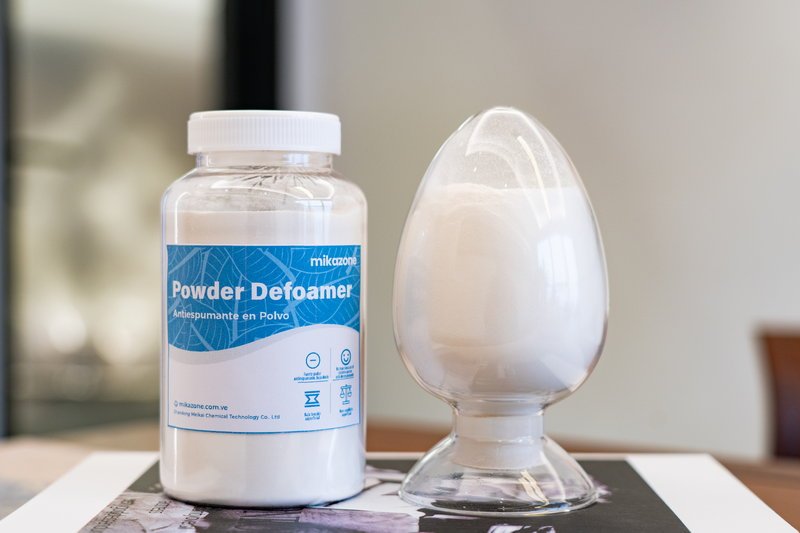
Defoamer Powder — Optional Foam Control

Premixed grouts can easily trap air during mixing, filling, or packaging. Where this creates pinholes, bubbles, craters, or poor surface quality, defoamer becomes highly useful. MikaZone publicly includes Defoamer Powder in its construction additive system for foam-sensitive materials, which supports its relevance here.

Best for
Reduced entrapped airBetter surface finishLower pinhole riskStable filling & tooling
Related Products
DE401
Foam control — defoamer for grout paste

Section 4 — Suggested Product Architecture by Premixed Grout Type

Recommended Additive Package by Product Category

Four typical grout directions—each with a category visual.

Standard water-based grout — HEC-centered rheology

Standard Water-Based Premixed Grout

For a standard ready-to-use premixed grout, the additive structure usually centers on HEC as the main thickener, with PVA added where stronger film formation and better joint cohesion are needed. This follows MikaZone's public HEC and PVA performance directions.

Typical Product Direction
Higher-body grout — anti-sag and cohesion

Higher-Body Premixed Grout

Where the grout needs more body, stronger hold in the joint, or better anti-sag behavior, HPMC or HEMC can be introduced to fine-tune rheology and cohesion. MikaZone's public HEMC and HPMC-adjacent materials support this logic.

Typical Product Direction
HECHPMC or HEMCPVAOptional Defoamer
Premium grout — tougher film and adhesion

Premium Premixed Grout

For higher-performance grout systems that need stronger adhesion and tougher dried joints, PVA and optionally RDP become more relevant. This follows MikaZone's public bonding-strength and polymer-modification logic.

Typical Product Direction
HECPVAOptional RDPOptional HEMCOptional Defoamer
Foam-sensitive grout — finish and pinhole control

Foam-Sensitive Premixed Grout

Where bubbling, pinholes, or poor finish quality are the main issues, Defoamer becomes more important as a process-improvement additive.

Typical Product Direction
HECAntiespumanteOptional PVAOptional HPMC or HEMC

Section 5 — Public Reference Guidance

Public Reference Guidance from MikaZone

Publicly Confirmed HEC Grade References
MK30HE: Brookfield viscosity 1,500–2,500 mPa·s for water-based coatings.
MK60HE: Brookfield viscosity 2,500–3,500 mPa·s for water-based coatings.
MK100HE: Brookfield viscosity 3,500–6,500 mPa·s for water-based coatings and paints.
Public Performance Direction
HEC: thickener and stabilizer for water-based systems.
PVA: improves bonding strength, film formation, and fluidity.
HEMC: enhances cohesion, prevents segregation, and improves construction performance in building applications.
Tile grout / ready-to-use direction
MikaZone's Markets page explicitly lists Tile Grout / Ready-to-use Tile Adhesive under its construction-chemical solution scope.
Important Note. I did not find a MikaZone page that publishes a unified dosage table specifically for premixed grouts. Final dosage should therefore be confirmed through solids content, binder system, joint-width target, and formulation trials.
Technical documentation — public reference and grade cross-check
Cross-check grades and performance notes against your binder and joint targets.

Section 6 — How We Recommend the Right Premixed Grout Package

Selection Logic for Premixed Grout Formulations

At Mandalas, we recommend premixed-grout additives based on grout type, target viscosity, need for stronger film formation, need for better tile-edge adhesion, need for higher body or anti-sag behavior, need for lower foam / smoother finish, storage-stability target, and trial feedback.

Typical Recommendation Flow

Define whether the product is a standard water-based grout, higher-body grout, premium grout, or foam-sensitive system.

Select the core thickener system.

Add PVA or RDP if stronger film formation or adhesion is required.

Add HPMC / HEMC when rheology tuning or higher body is needed.

Add Defoamer if finish quality is affected by entrapped air.

Validate through lab and production trials.

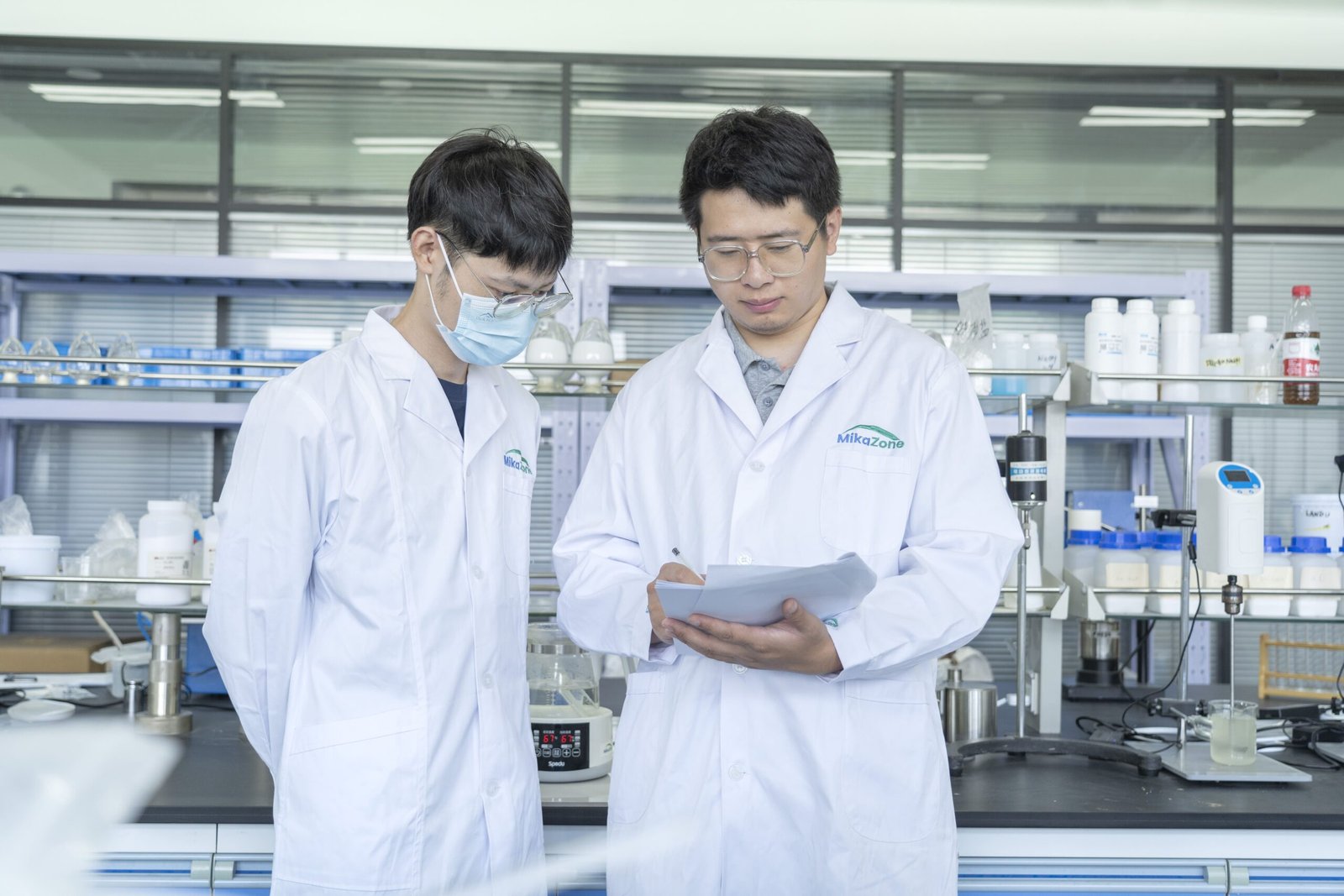
Laboratory trials — validating premixed grout packages
Trials close the loop between formulation intent and line performance.

Section 7 — Why Choose Our Premixed Grout Additive Solutions

Why Choose Mandalas for Premixed Grout Formulation Support

We help build a full additive package around the actual viscosity, joint-filling behavior, bonding, and finish target of your premixed grout system, rather than recommending one ingredient alone.

What We Help With

  • Standard water-based premixed grouts
  • Higher-body grout pastes
  • Premium grouts with stronger joint integrity
  • Foam-sensitive grout systems
  • Rheology optimization and storage-stability improvement
  • Trial support and formula adjustment

What We Supply for Premixed Grout Applications

  • HEC
  • HPMC
  • HEMC
  • PVA
  • RDP
  • Antiespumante
Industrial formulation — integrated grout additive support
End-to-end support from standard grouts to premium joint systems.

Section 8 — FAQ

Premixed Grouts FAQ

Q1: What is the most important additive in a water-based premixed grout?

In your current product line, HEC is the most direct core viscosity-control additive because MikaZone publicly positions it for water-based coatings and paints.

Q2: What additive is most relevant for joint integrity and film formation?

PVA is highly relevant because MikaZone publicly states that it improves bonding strength and film formation.

Q3: Can a premixed grout also use HPMC or HEMC?

Yes. In selected systems, HPMC or HEMC can be used to fine-tune body, cohesion, and anti-sag behavior. MikaZone's public materials support HEMC for cohesion and HPMC/HEMC broadly for rheology-related roles in construction systems.

Q4: When is defoamer needed in a premixed grout?

When trapped air causes bubbles, pinholes, or uneven finish quality, defoamer becomes relevant as a process- and appearance-improvement additive.

Q5: Can you recommend dosage ranges?

Yes. We can suggest a practical starting range based on your grout type, binder system, viscosity target, and joint-performance requirements.

Need the right additive package for your premixed grout?

Tell us whether you are developing a standard, higher-body, premium, or foam-sensitive premixed grout. We'll recommend the right product combination and starting selection logic to help you begin trials faster and reach stable results sooner.

1 Chatea con nosotros