Fiber Reinforcement — Crack Control & Durability for Cementitious Systems
Reinforcement solutions for cementitious and dry-mix systems that require improved crack control, higher toughness, better dimensional stability, and stronger long-term durability.
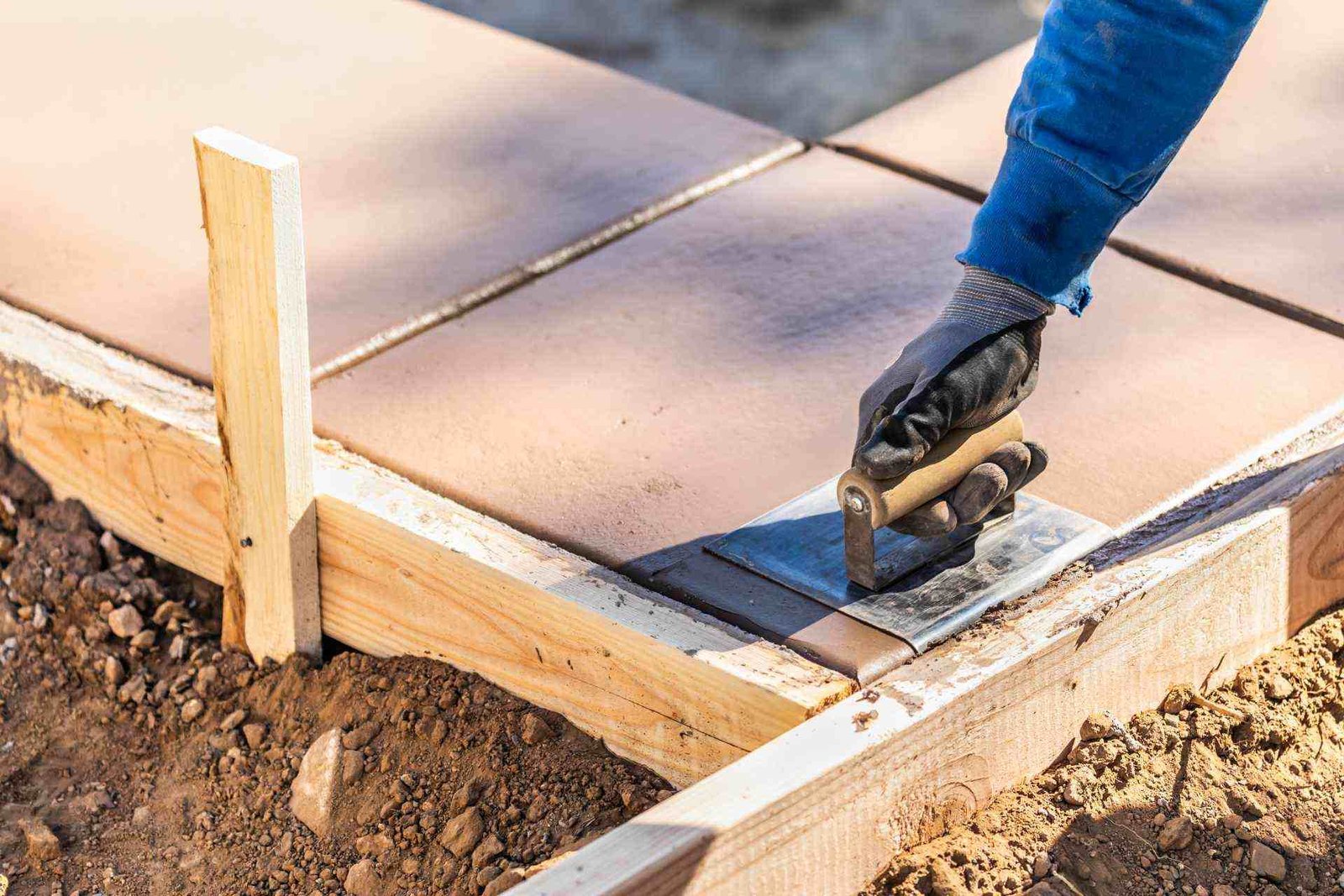
In cementitious systems, cracking and brittleness are common risks—especially during drying, curing, thermal change, or long-term mechanical stress. Standard additives such as cellulose ethers and polymer powders improve rheology, water retention, adhesion, and flexibility, but reinforcement solutions are used when the system also needs physical crack control and greater mechanical integrity.
MikaZone's public dry-mix mortar content and flexible tile adhesive content both position fibers as important reinforcement tools in modern construction systems.
 01
01
When water evaporates too quickly or the system is under early stress, cracks can form before full strength develops. MikaZone's dry-mix mortar article specifically lists PP fibers as anti-crack agents for plastic shrinkage crack control.
 02
02
Some cementitious systems perform well initially but fail too suddenly under movement, impact, or stress. Reinforcement helps improve energy absorption and reduce brittle behavior.
 03
03
Where the substrate moves, temperatures fluctuate, or the mix faces repeated stress, reinforcement can improve overall toughness and help maintain system integrity.
 04
04
Cracks create weak points for water ingress, delamination, and performance decline. Reinforcement solutions help reduce crack pathways and improve long-term durability.
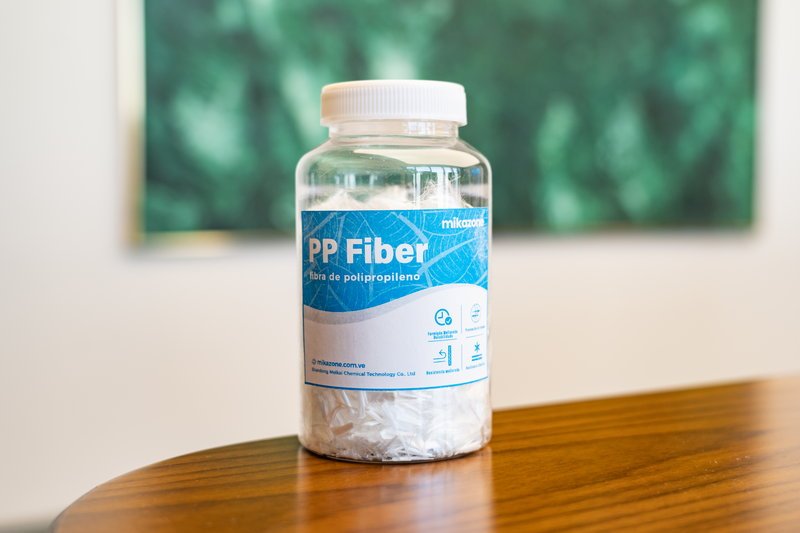 Fibra de PP
Polypropylene fiber is used when the goal is to improve plastic shrinkage crack control, dimensional stability, and lightweight distributed reinforcement in dry-mix and cementitious systems. MikaZone explicitly connects PP fiber with flexible tile adhesives and dry-mix mortars, and notes its alkali resistance and long-term durability contribution.
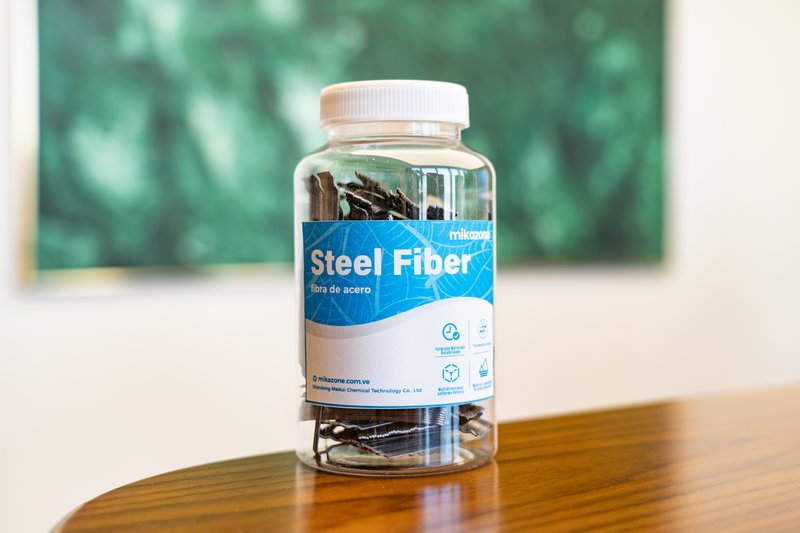 Fibra de acero
Steel fiber is used when the target is stronger structural reinforcement, higher post-crack performance, impact resistance, and greater load-bearing toughness. Compared with PP fiber, steel fiber is typically selected for more demanding reinforcement-oriented systems.
| Type | Best For | Main Benefit | Typical Use Direction |
|---|---|---|---|
| Fibra de PP | Crack control and lightweight distributed reinforcement | Plastic shrinkage crack reduction, dimensional stability, toughness | Tile adhesives, dry-mix mortars, wall putty, anti-crack mixes |
| Fibra de acero | Higher mechanical reinforcement | Post-crack strength, impact resistance, heavy-duty toughness | Repair mortars, reinforced cementitious systems, industrial applications |
Reinforcement fibers work best when selected as part of the full additive package.
Controls water retention, workability, and application consistency throughout the fresh-state performance window.
Improves adhesion, flexibility, crack resistance, and durability in the hardened-state performance of the system.
Provide physical reinforcement, reduce crack formation, and improve overall system mechanical integrity.
MikaZone's flexible tile adhesive formula article is a strong example of this combined approach: it includes HPMC, flexible RDP, polycarboxylate superplasticizer, and polypropylene fiber in the same performance-oriented system.
 01
01
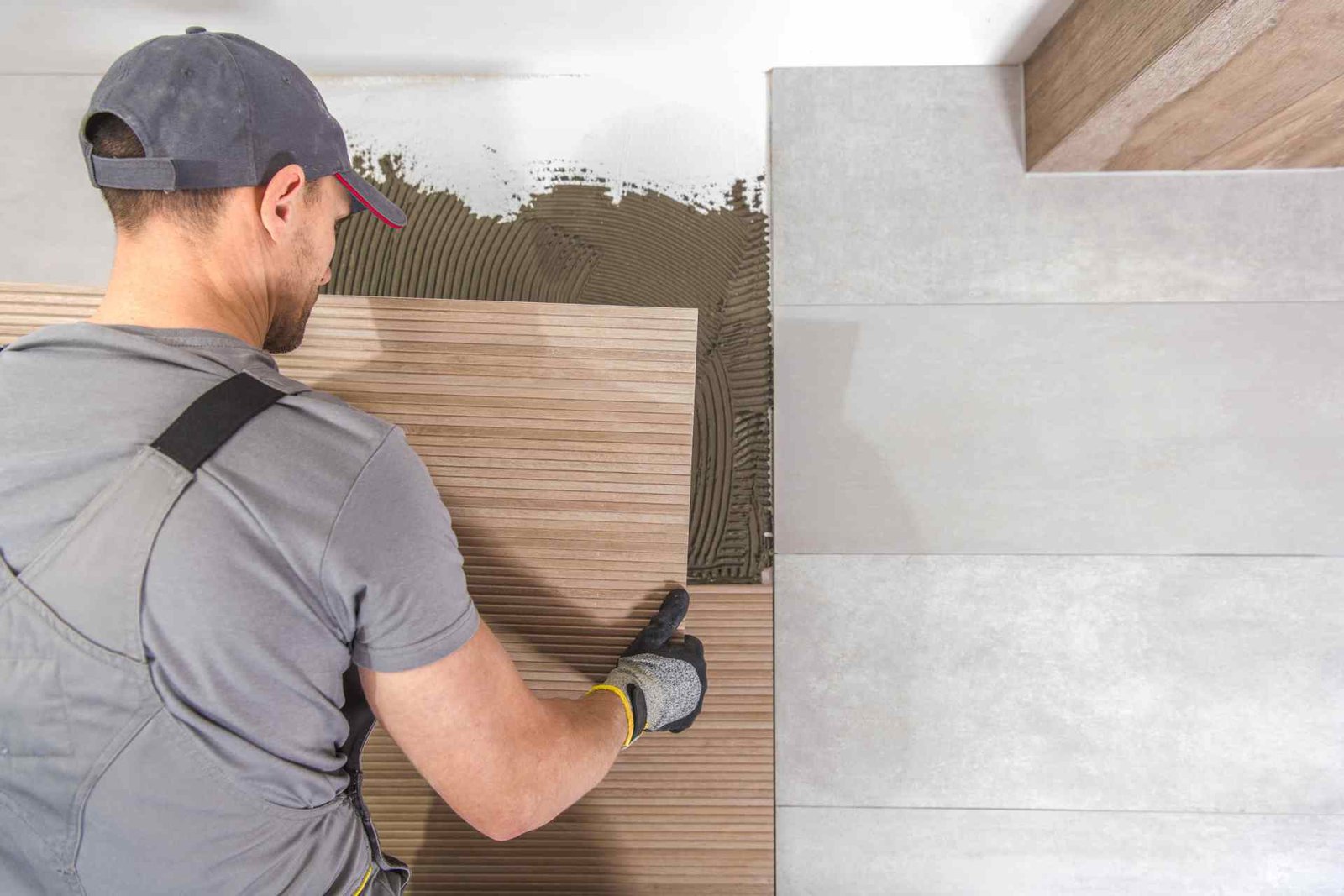
MikaZone's flexible tile adhesive formula includes polypropylene fiber as one of the six core ingredients. In that system, the fiber improves crack resistance, dimensional stability, and impact performance.
 02
02
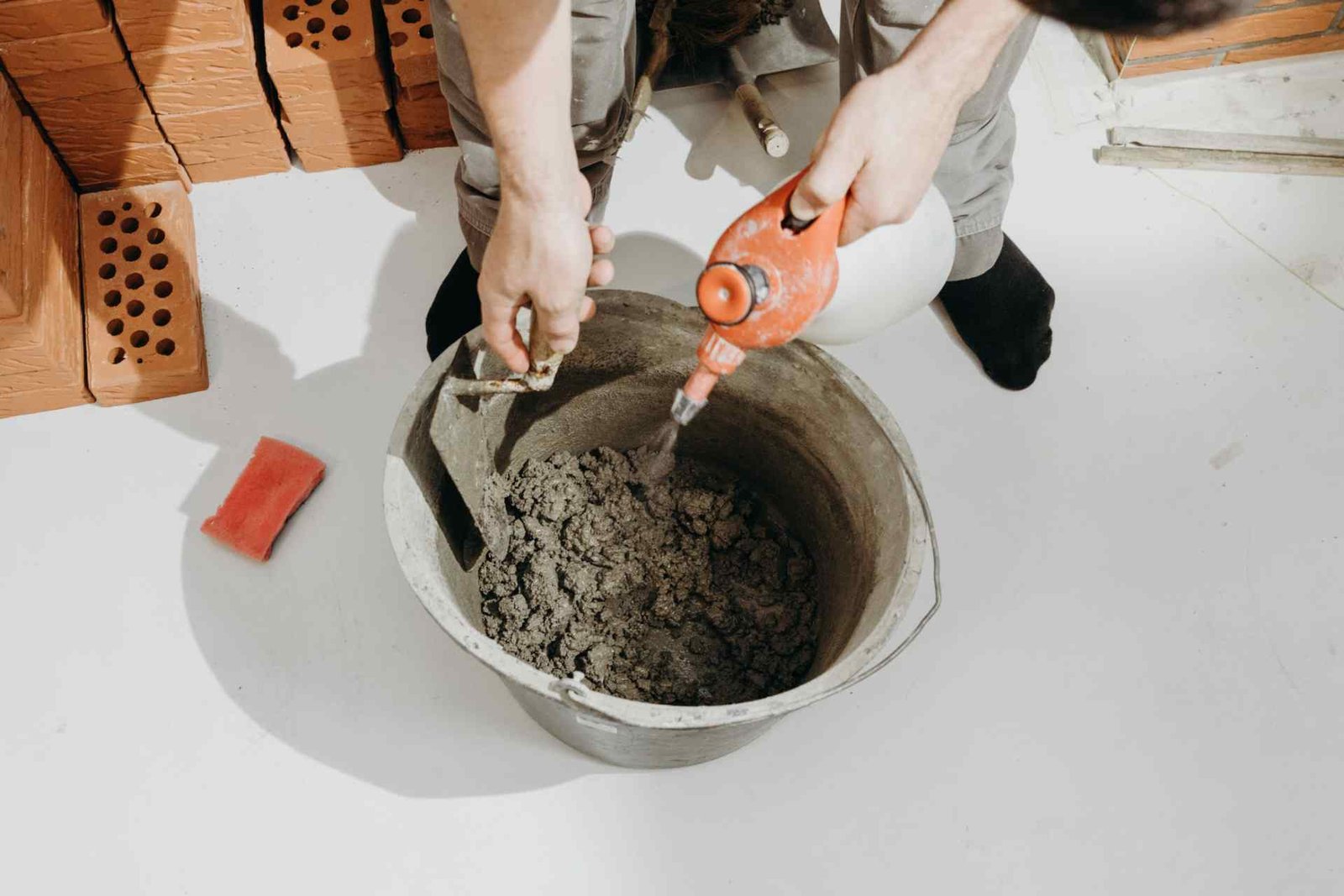
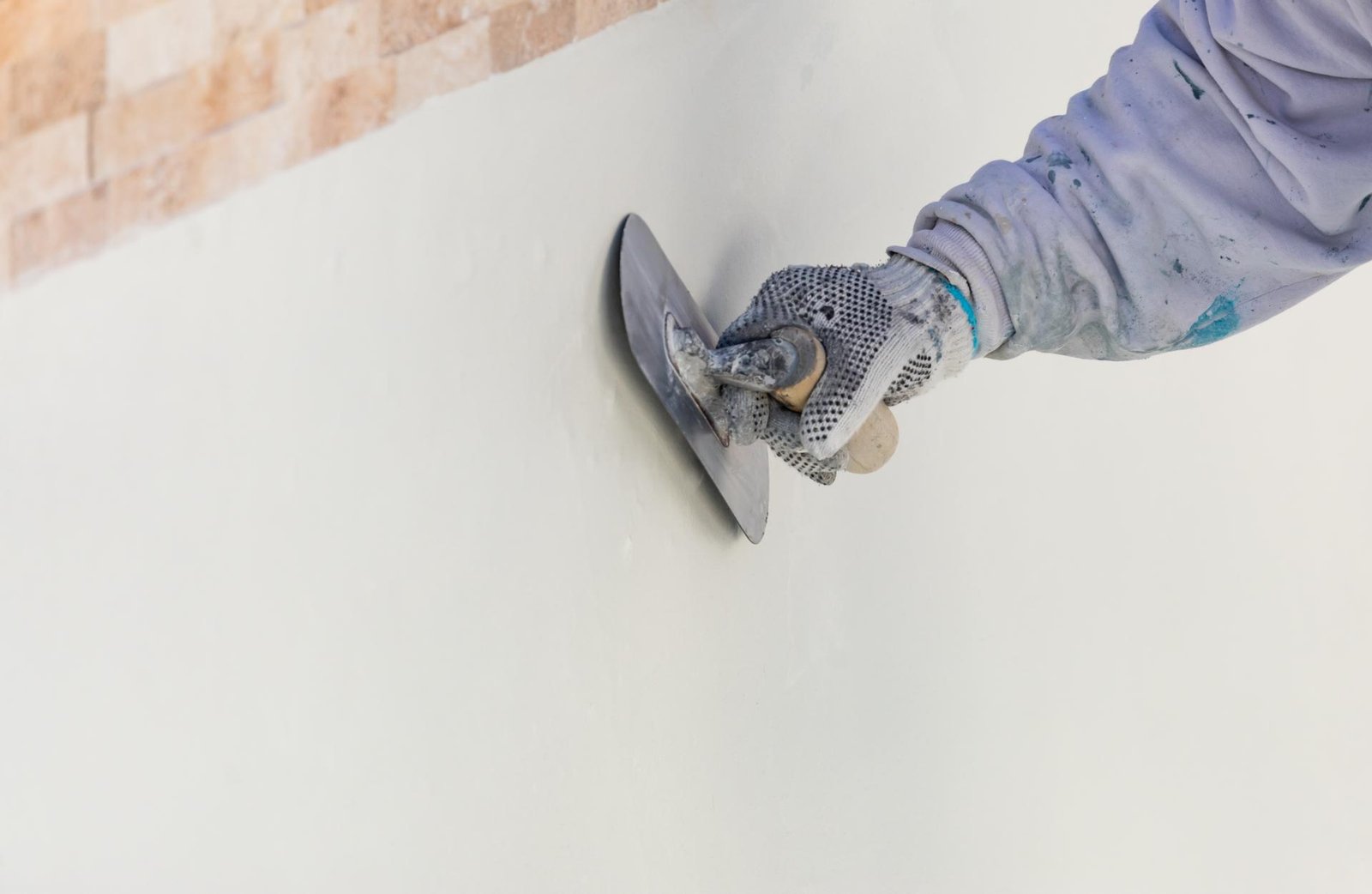
MikaZone's dry-mix mortar article lists PP fibers as anti-crack agents and explains their role in plastic shrinkage control. It also references fiber-reinforced dry-mix mortar in ETICS-related systems.
 03
03
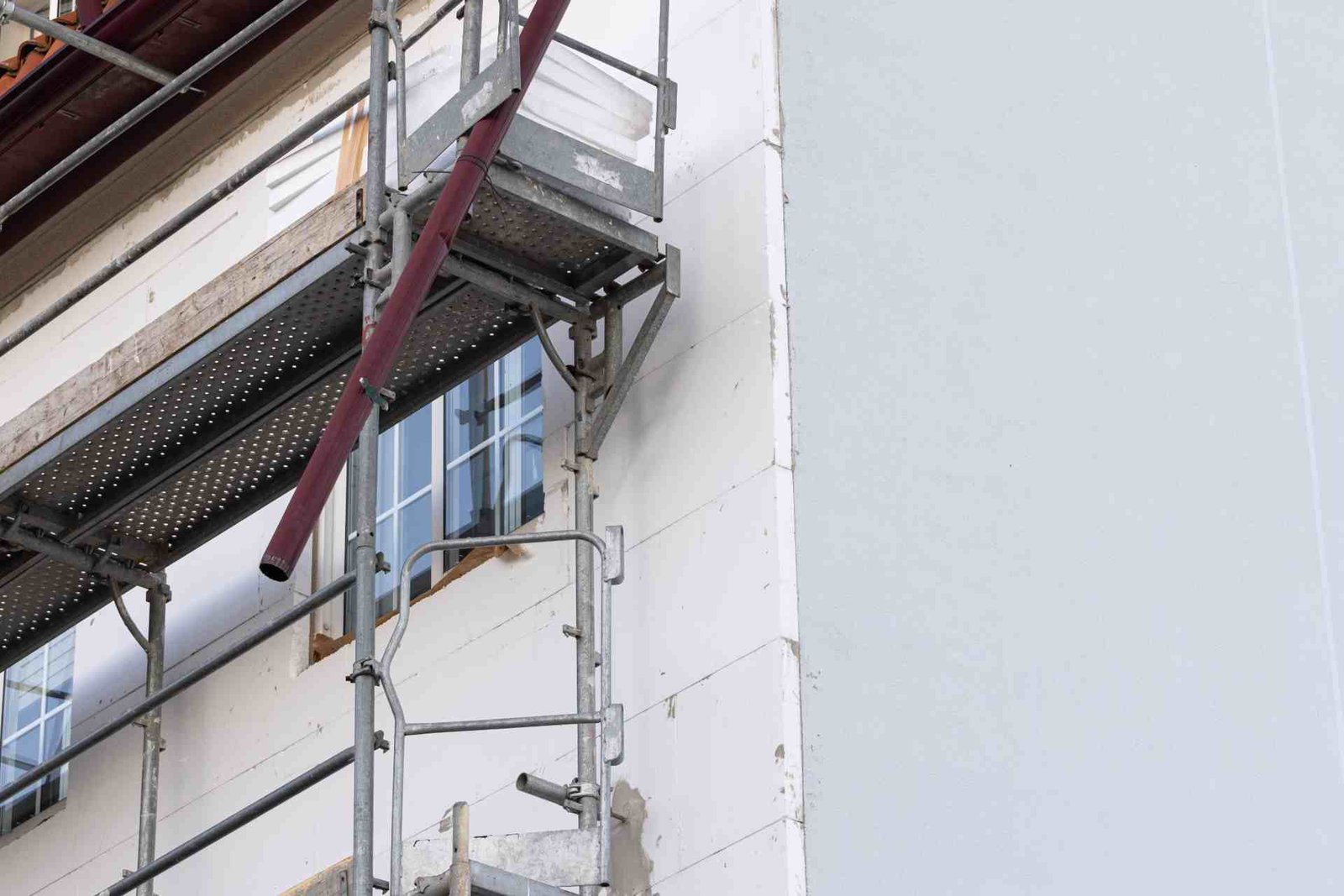
MikaZone's exterior wall putty article notes that exterior-grade systems require crack resistance under UV, rain, and temperature fluctuations, and specifically mentions polypropylene fiber.
 04
04
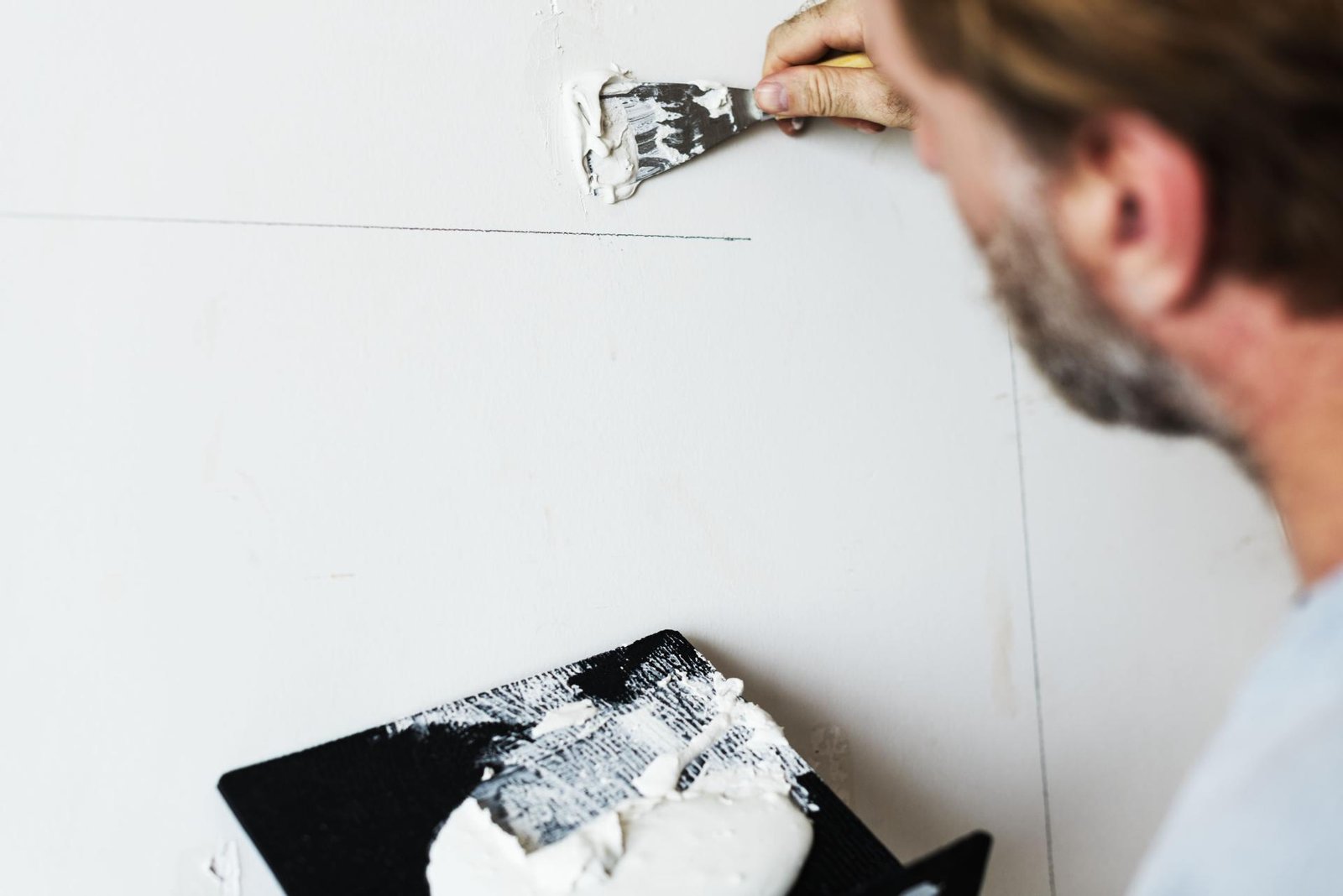
MikaZone states that fiber-reinforced dry-mix mortar can accommodate substrate movement while maintaining weather resistance in ETICS applications.
 05
05
Where crack resistance, toughness, and reinforcement are priorities, both PP fiber and steel fiber directions can be considered depending on the required performance level.
Reinforcement dosage depends on the application, fiber type, fiber length, and reinforcement target.
Typical PP fiber dosage range from MikaZone's dry-mix mortar article, by weight of the total dry mix.
Use lower dosage when the goal is light crack control and process stability.
Use higher dosage when stronger anti-crack effect is required.
Final dosage should always be confirmed by formulation trials.
Steel fiber dosage should be determined according to reinforcement target, mix design, and workability balance. Exact dosage guidance should come from your internal steel fiber specification or technical data sheet.
MikaZone publicly identifies concrete reinforcing fibers as part of its construction additive offering. It also supports fiber-reinforced dry-mix and flexible tile adhesive systems through published technical content and application guidance.
Publicly positioned within MikaZone's construction and reinforcing product direction.
Real application references for PP fiber in flexible tile adhesive, dry-mix mortar, and exterior wall putty.
Supports a system-level approach, where reinforcement works together with cellulose ether and RDP.
Local recommendation and support available through Mandalas.
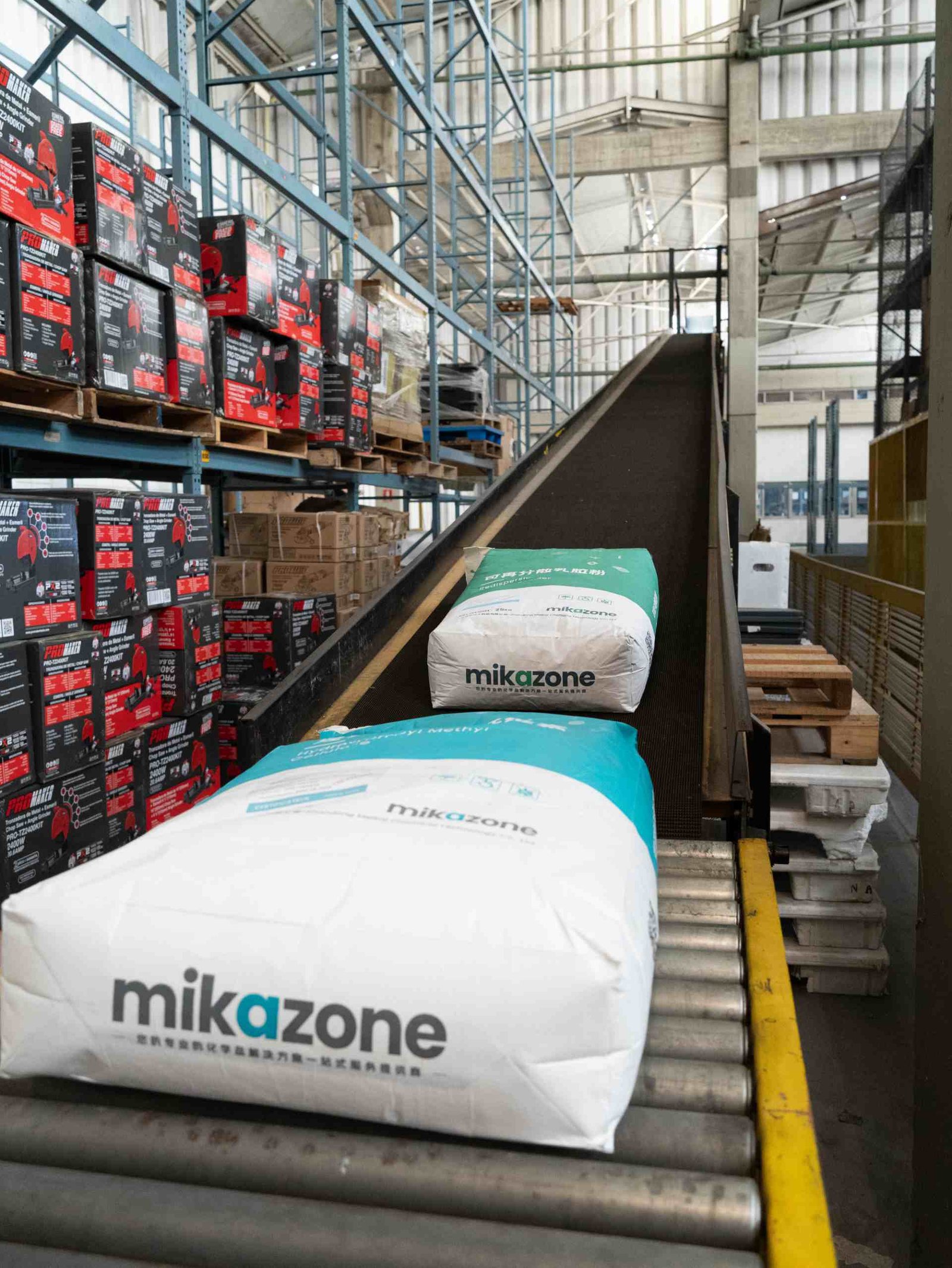
At Mandalas, we help customers choose reinforcement solutions based on application, crack-control target, toughness needs, system type, reinforcement level, and trial feedback.
When the main target is plastic shrinkage crack control, toughness, and dimensional stability.
When the target is higher post-crack performance, stronger mechanical reinforcement, and impact resistance.
When both fresh-state workability and hardened-state performance need to be optimized together.
PP fiber is usually selected for plastic shrinkage crack control, toughness, and dimensional stability. Steel fiber is more often used when stronger structural reinforcement, impact resistance, and post-crack performance are required.
No. Cellulose ether controls water retention and workability, RDP improves adhesion and flexibility, while reinforcement fibers provide physical crack control and mechanical toughness. They are complementary.
MikaZone's public dry-mix mortar article gives a typical dosage range of 0.05%–0.2% of total dry mix.
Yes. MikaZone's flexible tile adhesive article explicitly includes polypropylene fiber as one of the key ingredients in a crack-resistant flexible tile adhesive formula.
Yes. TDS/SDS support can be provided when required, based on your available internal product documentation.
Tell us your application, crack-control target, and performance requirements. We'll recommend a suitable reinforcement direction and help you start trials with a clearer selection path.
