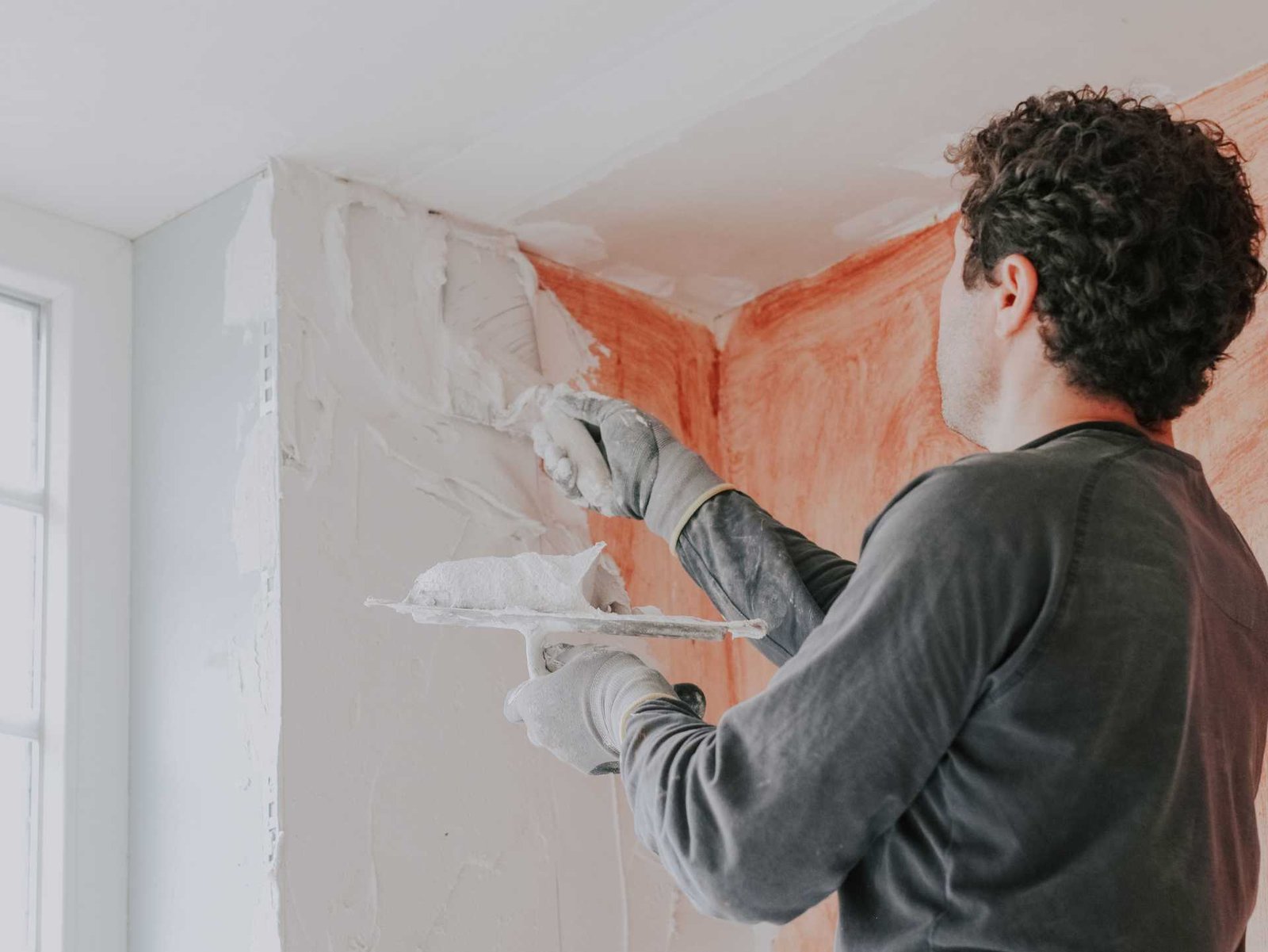
Performance-focused additive solutions for gypsum plaster and joint filler systems that require smooth application, stable water retention, longer working time, better adhesion, and reliable finishing quality.
A good gypsum plaster or joint filler must do more than simply cover the surface. It needs to mix smoothly, spread easily, maintain enough working time for finishing, adhere well to the substrate or board surface, and dry into a stable, crack-resistant layer.
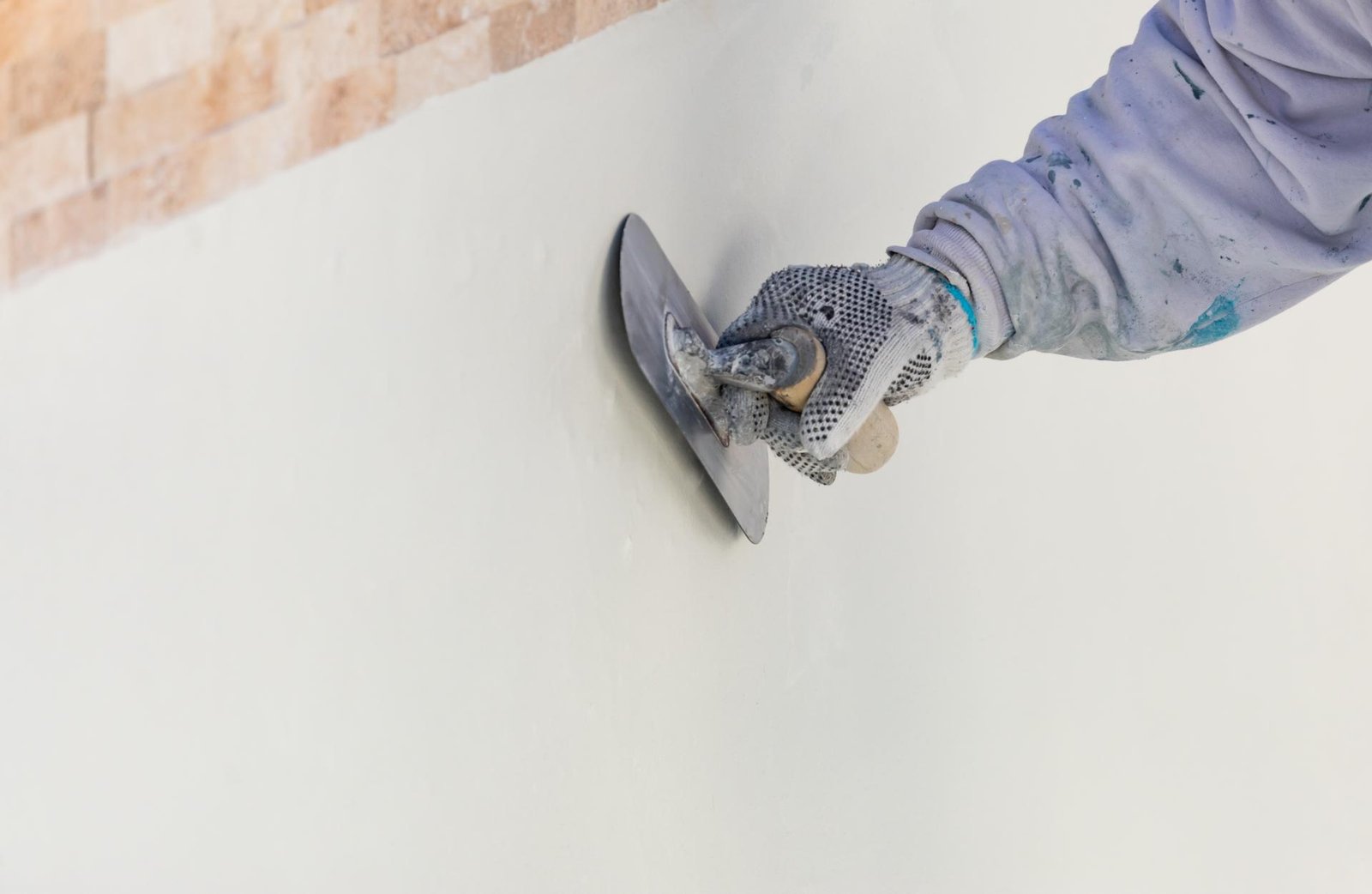
In real formulation work, gypsum-based systems are highly sensitive to water balance, setting speed, and application rheology. If the system sets too fast, workers lose finishing time. If water retention is too weak, the plaster can dry unevenly and become difficult to smooth. If the rheology is poorly balanced, application may feel rough, draggy, or unstable.
MikaZone's gypsum-based plaster page explicitly positions HPMC as a multifunctional additive in gypsum plaster that improves workability, adhesion, flexibility, and water retention. Its HEMC pages also directly position several grades for gypsum-based mortars, especially wall putty and machine spray plaster.
At Mandalas, we recommend gypsum additives based on:
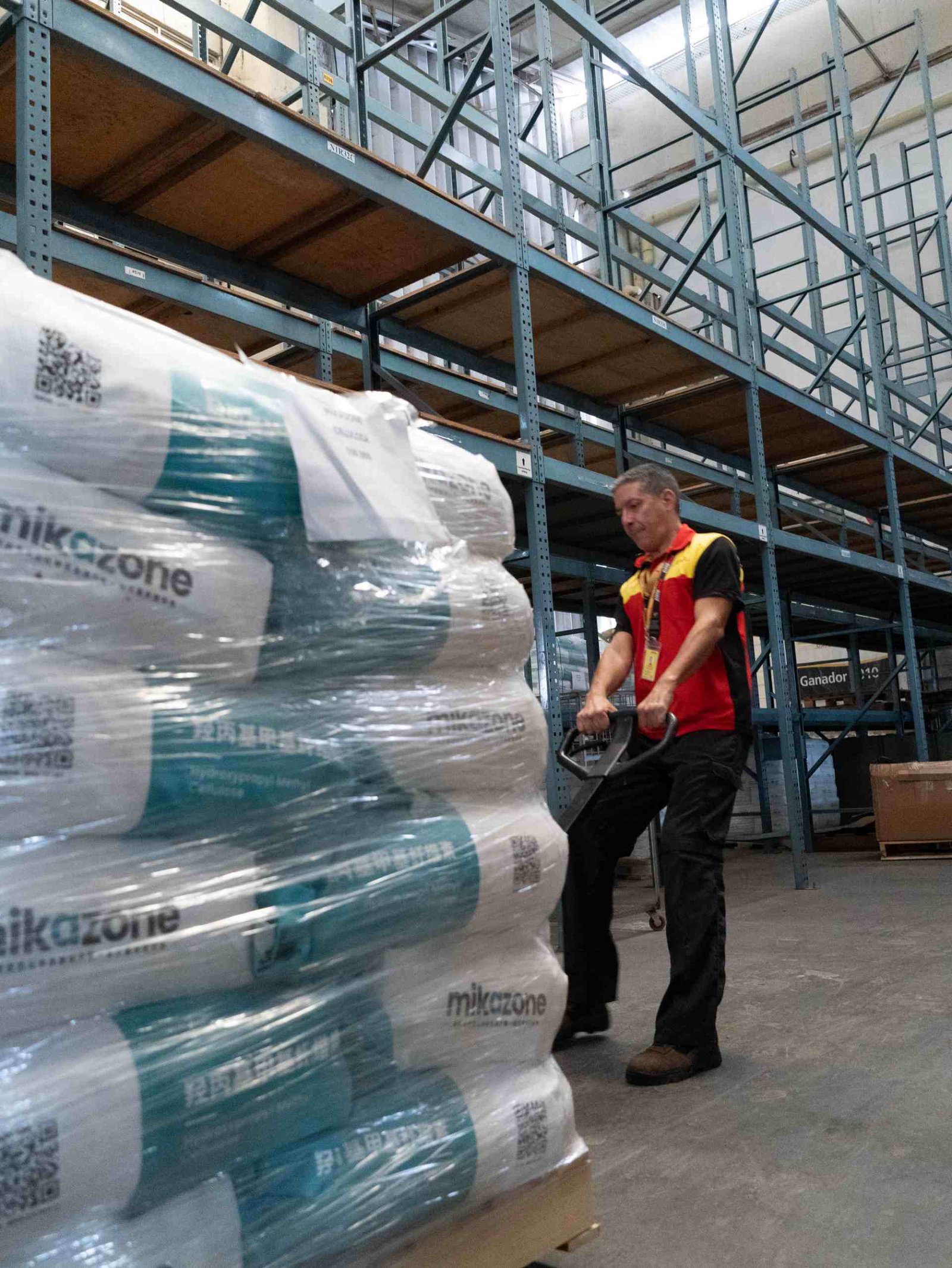
We help build a gypsum-system package around the actual processing and finishing target, rather than recommending one additive in isolation.
Tell us whether you are developing a standard gypsum plaster, machine spray plaster, or joint filler system. We'll recommend the right product combination and starting selection logic to help you begin trials faster and reach stable results sooner.
