Exclusivo Representante exclusivo de MikaZone en Venezuela
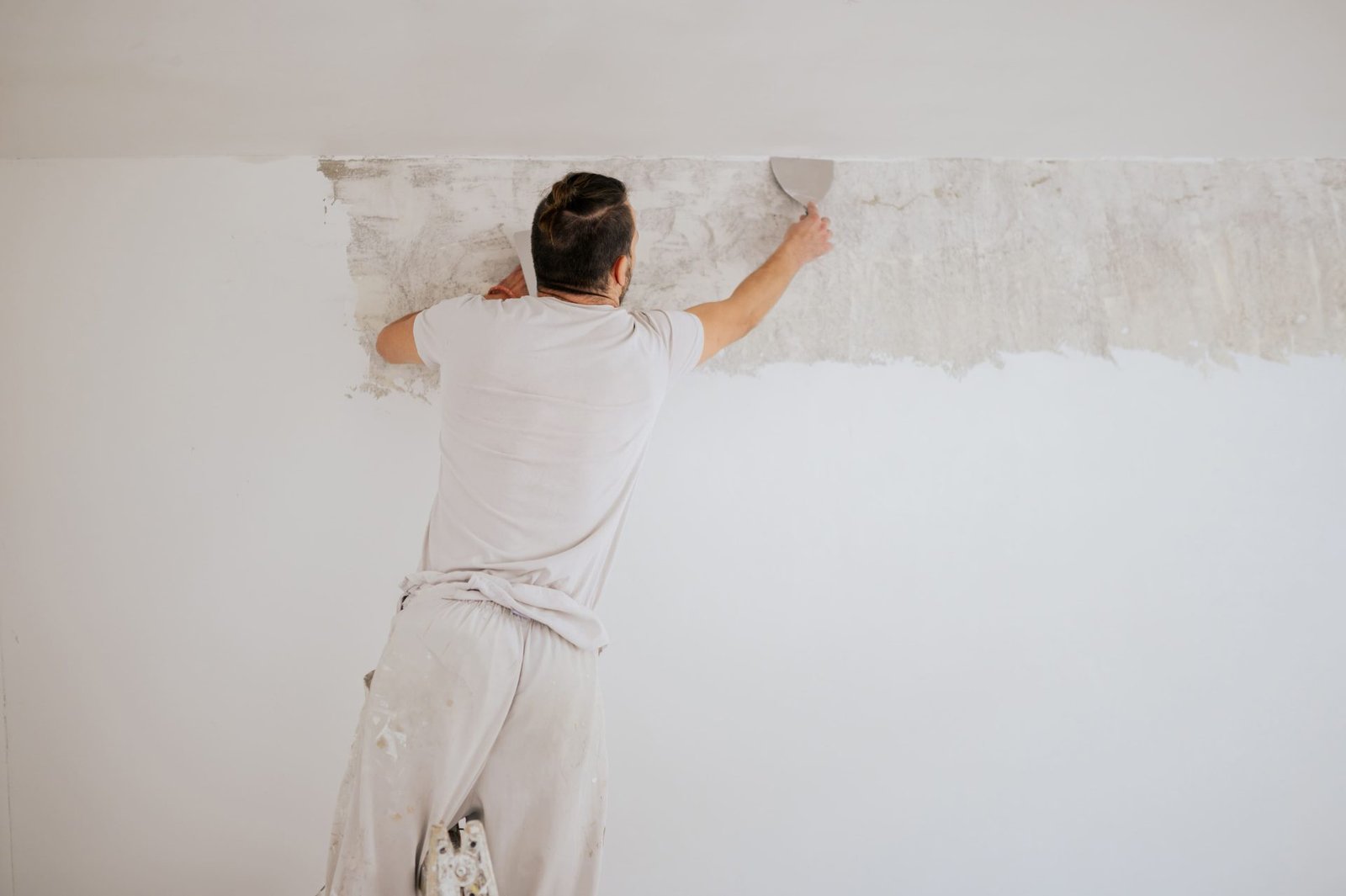
Wall surface finishing and putty paste application context
Soluciones / Pasta de masilla

Pasta de masilla
Soluciones

Performance-focused additive solutions for putty paste systems that require stable viscosity, smooth spreading, strong substrate adhesion, controlled water retention, and a clean, uniform finishing surface.

Why This Solution
Putty Paste System Coverage
Suitable for ready-mixed putty paste and related paste-like finishing systems.
Cellulose Ether & Functional Additive Core
Built around cellulose ether and selected functional additives for balanced rheology, film integrity, and finish quality.
Local Support in Venezuela
Local recommendation, supply coordination, and technical support available in Venezuela.
Stable Viscosity
Smooth Spreading
Strong Adhesion
Retención de líquidos
Uniform Finish
Explore

Section 1 — What Makes a Good Putty Paste?

Built for Stable Rheology, Easy Application, and Smooth Surface Finish

A good putty paste must do more than stay soft in the bucket. It needs to maintain stable viscosity during storage, spread smoothly on the wall, hold enough body to avoid sagging, bond well to the substrate, and dry into a smooth, easy-to-sand, visually even surface. In MikaZone’s wall putty content, the core performance language around putty centers on thickening, water retention, lubrication, open time, and workability, which are exactly the properties a paste-style putty system also depends on.

In practical formulation work, paste putty performance is usually built around rheology control + water management + film integrity + foam control. For this reason, the most relevant product families from your line are HEC for water-based viscosity building, HPMC / HEMC for putty-style body and workability tuning, PVA for film formation and bonding support, and Antiespumante where air entrapment hurts finish quality. MikaZone’s public HEC, wall putty, and PVA materials support this combined logic.

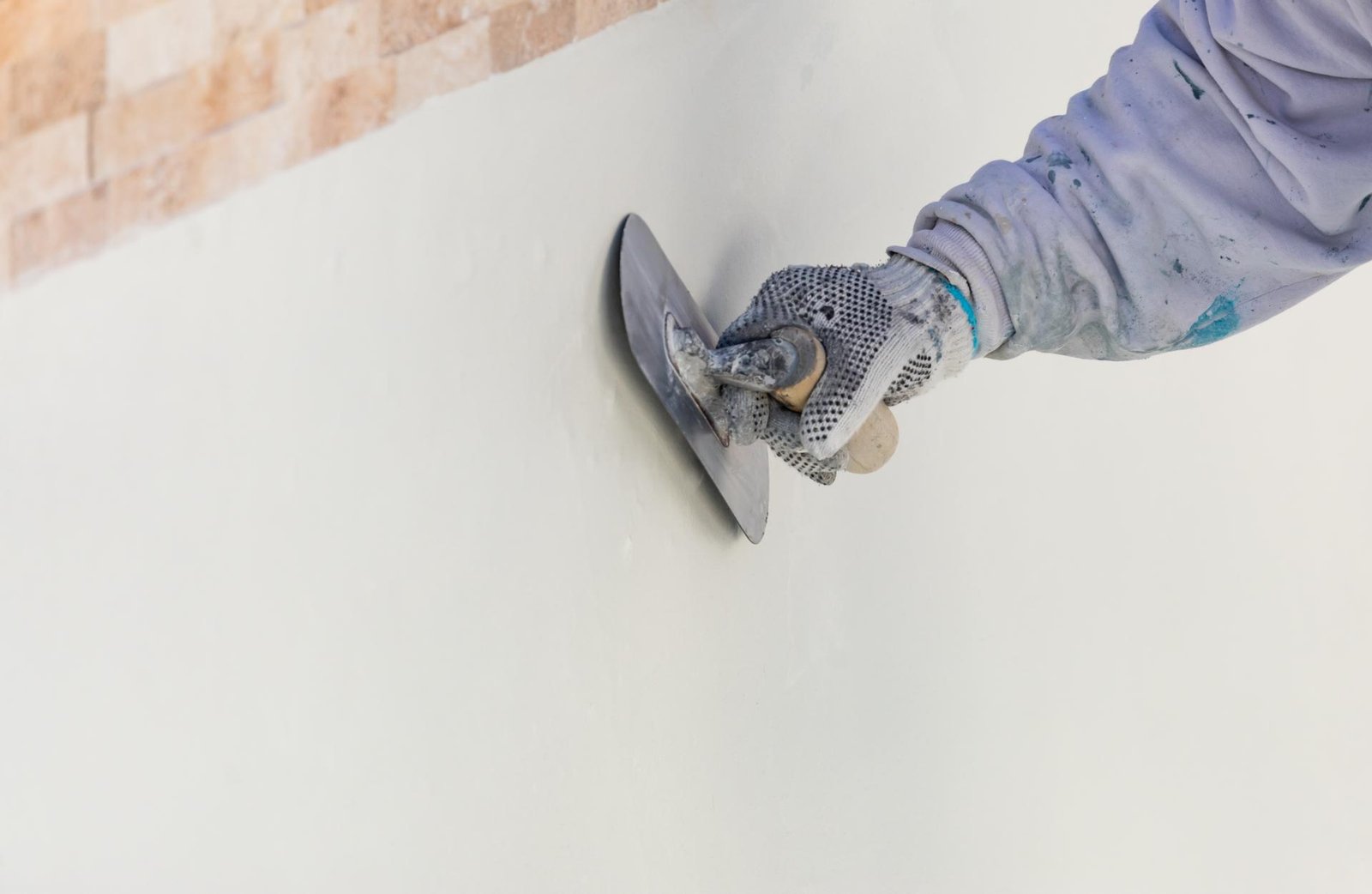
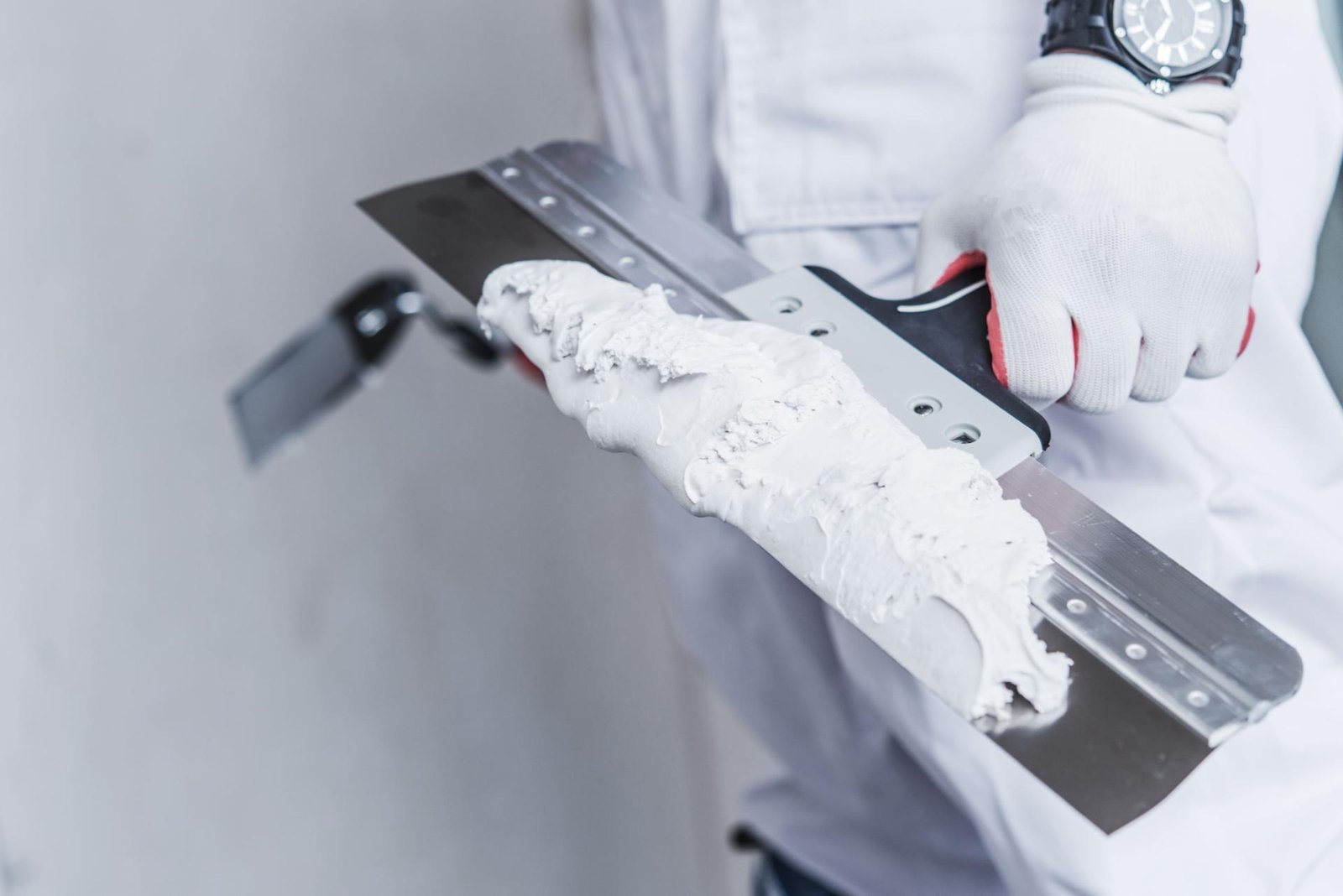
Professional applying wall compound with a trowel on interior surface

Trowel application and surface finishing — rheology and workability in real use.

Section 2 — Key Performance Targets in Putty Paste

What a Putty Paste Formula Must Deliver

Each performance pillar maps to how formulators tune thickeners, modifiers, and process aids in paste systems.

Industrial equipment and technician — mixing and consistent paste viscosity

Stable Viscosity and Bucket Consistency

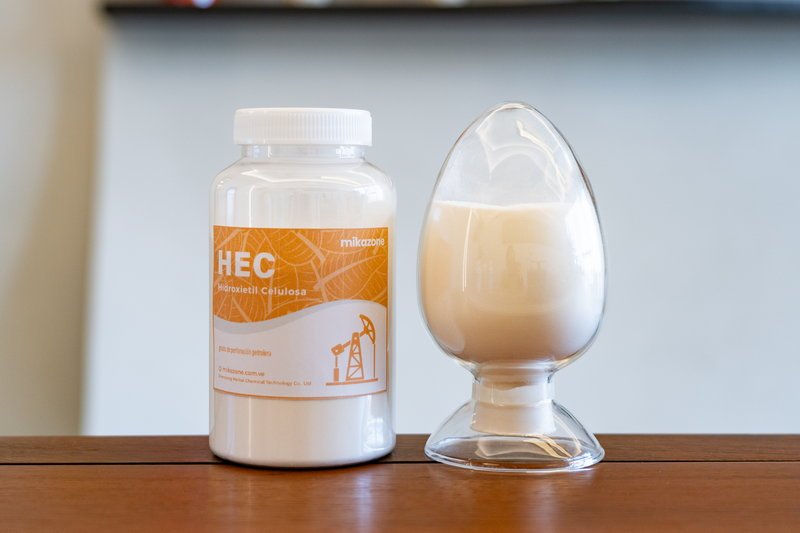
Putty paste must keep a stable body during storage and application. MikaZone’s HEC coating pages position HEC as the core thickener for water-based systems, designed to improve viscosity and stability — highly relevant for ready-mixed paste putty systems.
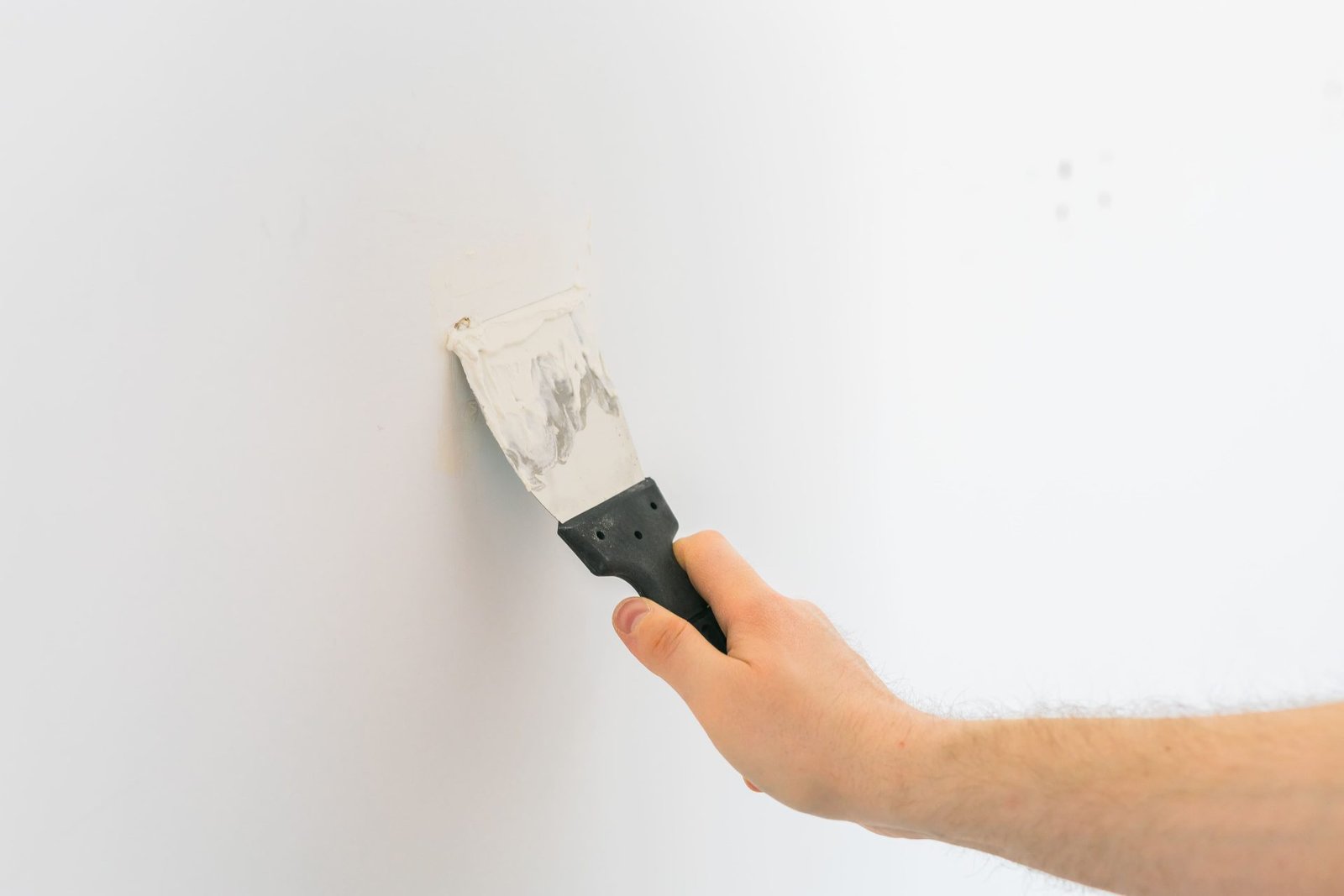
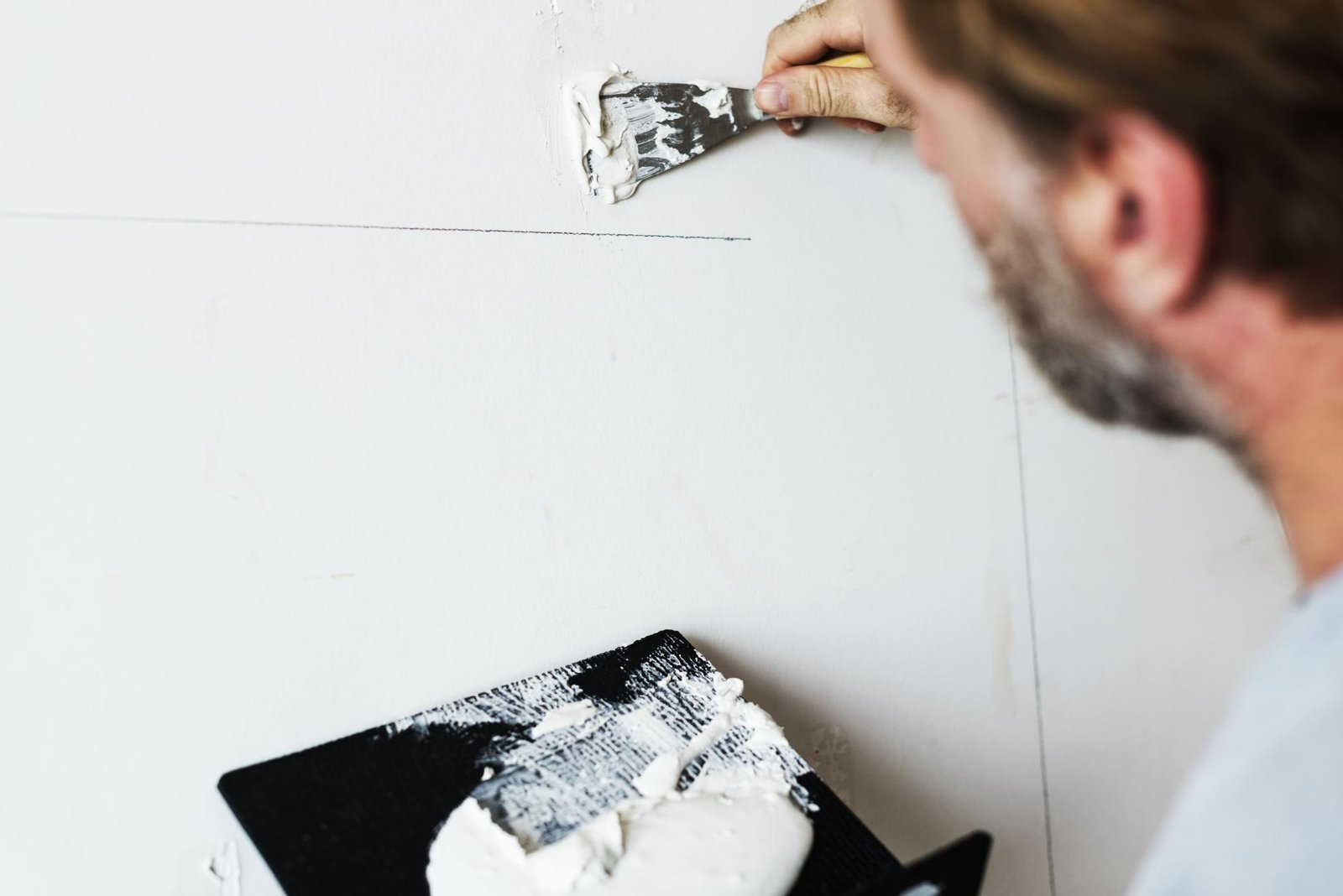
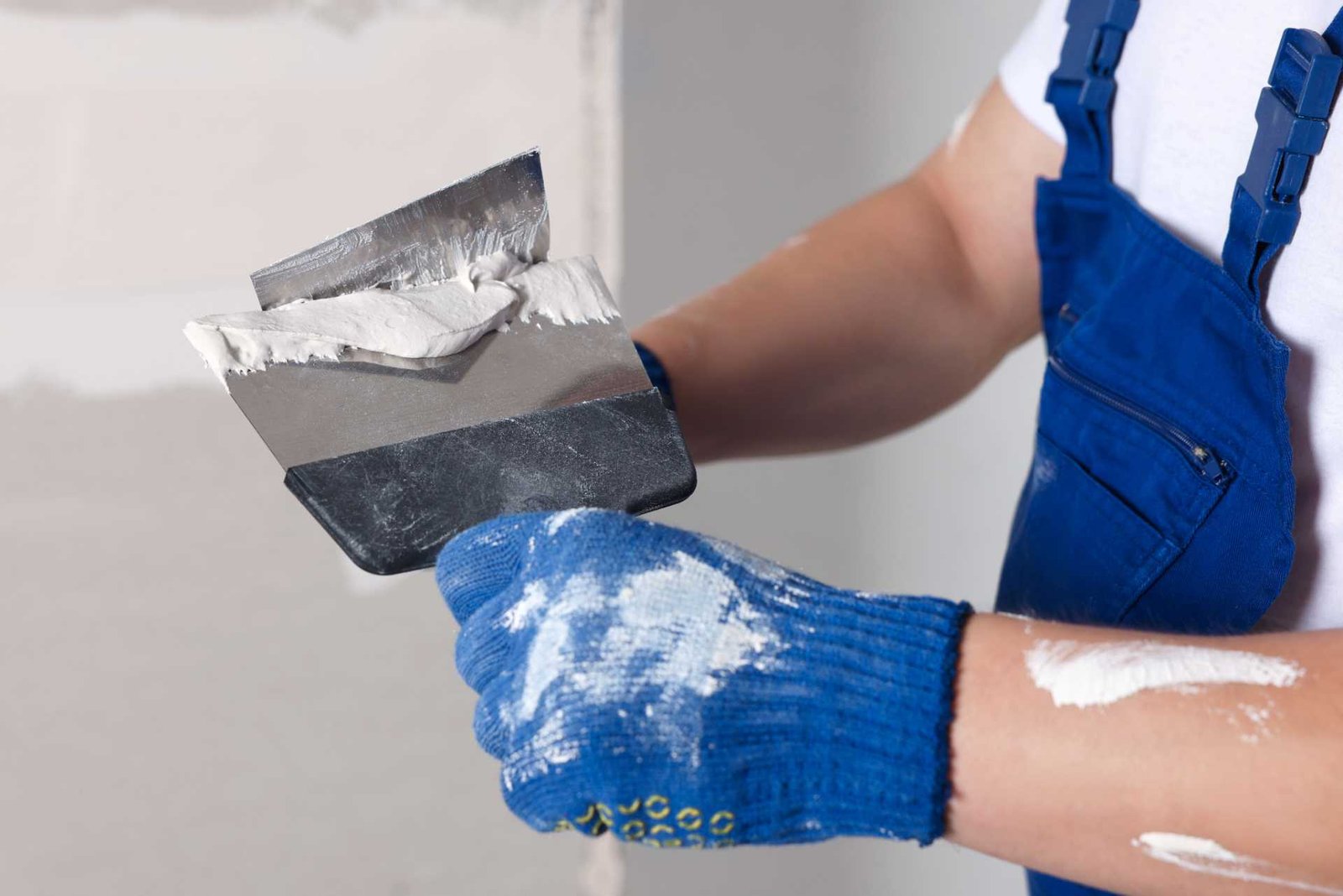
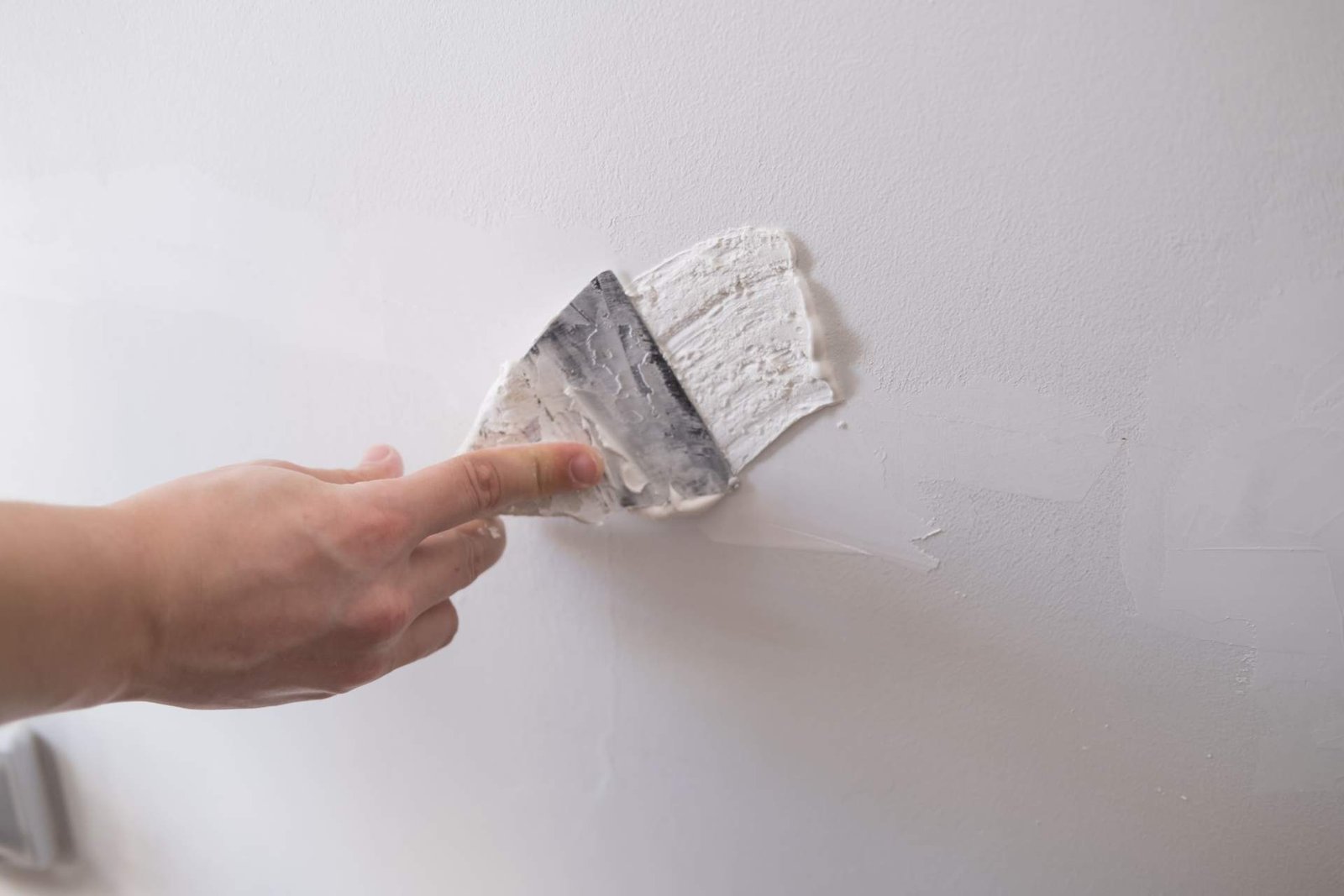
Smooth plaster or compound being spread on a wall

Smooth Spreading and Easy Troweling

A good paste putty should spread easily without dragging, feel smooth under the trowel, and support uniform finishing. MikaZone’s wall putty page states that HPMC / HEMC provide excellent thickening, water retention, and lubrication — improving construction performance and surface smoothness.

Water droplets — water retention and open time in paste systems

Good Water Retention and Open Time

Even in paste systems, water control matters for spreadability, drying balance, and surface uniformity. MikaZone’s wall putty page explicitly says its HPMC / HEMC solutions prolong open time and offer excellent water retention.

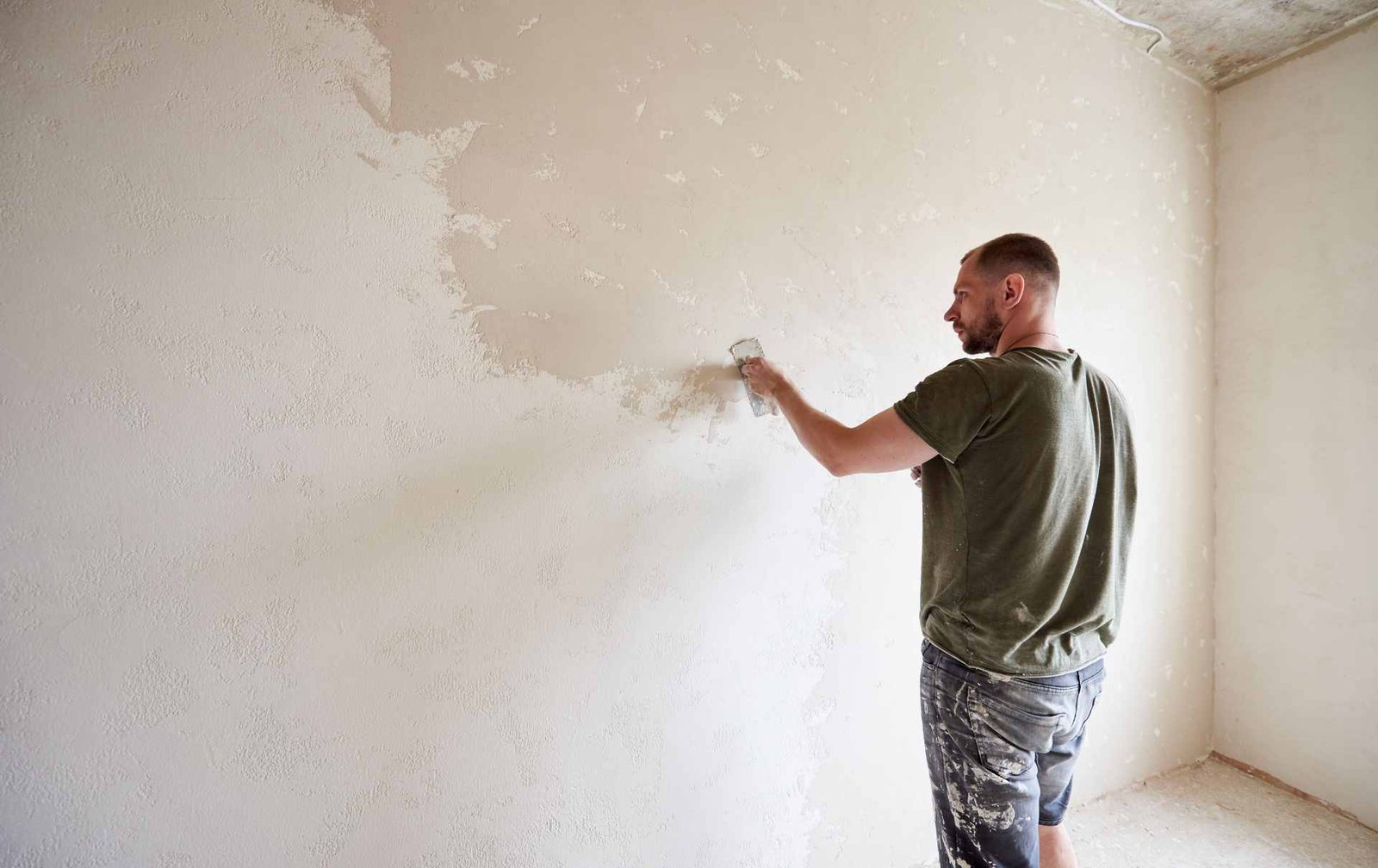
Construction site interior wall substrate preparation

Strong Adhesion and Better Film Integrity

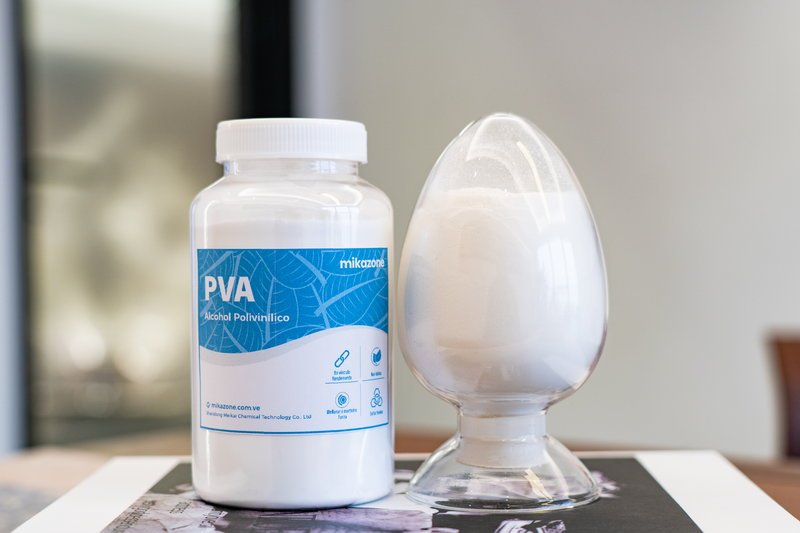
Putty paste must adhere to the substrate and form a cohesive finishing layer without weak or dusty surface behavior. MikaZone’s PVA page states that PVA improves bonding strength, film formation, and fluidity in wall putty and gypsum products — directly relevant to paste putty formulas.

Smooth painted interior wall with even finish

Better Surface Finish and Lower Foam

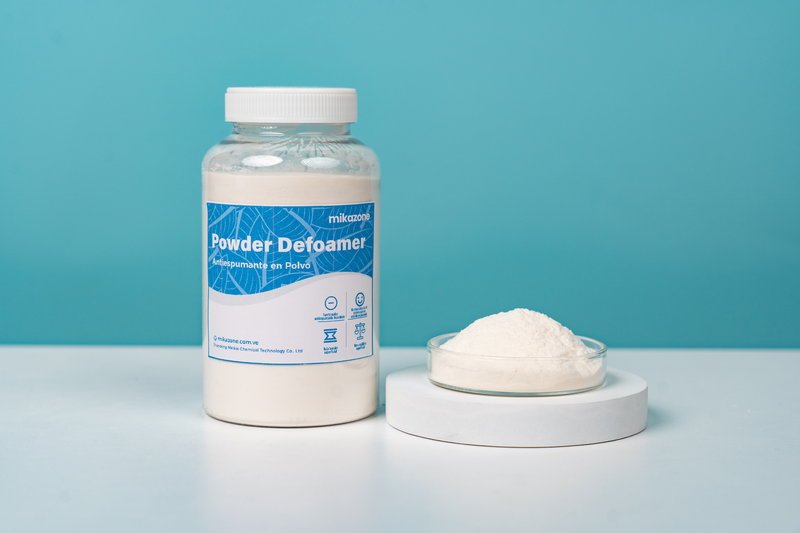
Air bubbles and trapped foam can create pinholes and poor finish appearance. MikaZone’s defoamer materials explain that defoamers collapse foam rapidly and improve texture uniformity and compactness — useful when finish defects come from air entrapment.

Engineering materials testing and quality control

Optional Strength / Adhesion Upgrade

In higher-performance paste formulations, polymer modification can be considered when stronger adhesion or tougher film behavior is needed. MikaZone’s polymer-modified mortar and adhesion content links RDP with improved adhesion, flexibility, and durability — applicable to selected upgraded putty paste systems.

Section 4 — Suggested Product Architecture by Putty Paste Type

Recommended Additive Package by Putty Paste Category

Workspace with laptop and notes — formulation planning and additive selection

Mapping paste type to additive stack — start from core thickener, then layer modifiers.

Standard Ready-Mixed Putty Paste

Usually centers on HEC as main thickener, with PVA or Defoamer where film strength or finish quality needs improvement.

Typical product direction

Higher-Body Putty Paste

Stronger body, better knife feel, or more wall-putty-like behavior — introduce HPMC or HEMC to tune rheology and open time.

Typical product direction

HEC HPMC or HEMC Optional PVA Optional Defoamer

Premium Putty Paste

Stronger dry-film integrity, adhesion, or premium surface performance — expand with PVA and, in selected cases, RDP.

Typical product direction

HEC HPMC or HEMC PVA Optional RDP Optional Defoamer

Foam-Sensitive Putty Paste

When bubbling, pinholes, or poor finish dominate — Defoamer becomes a key process-improvement additive.

Typical product direction

HEC Antiespumante Optional PVA Optional HPMC or HEMC

Section 5 — Public Reference Guidance

Public Reference Guidance from MikaZone

Publicly Confirmed Putty-Relevant Grade References

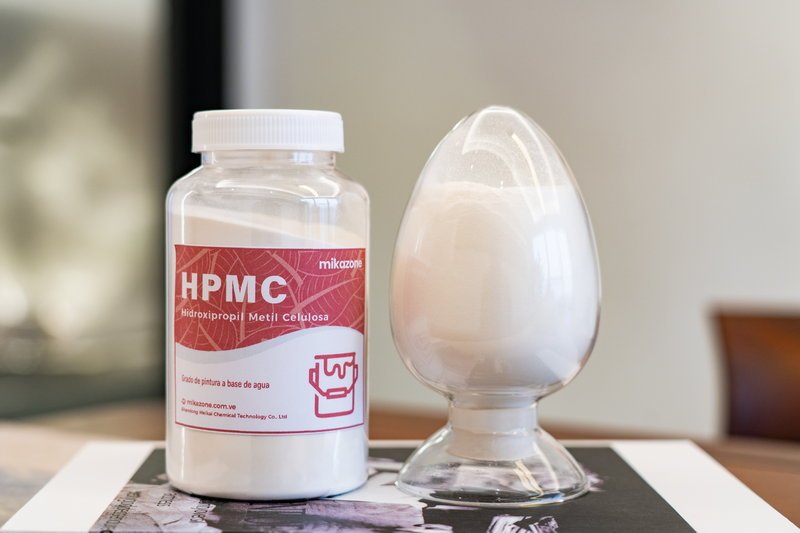
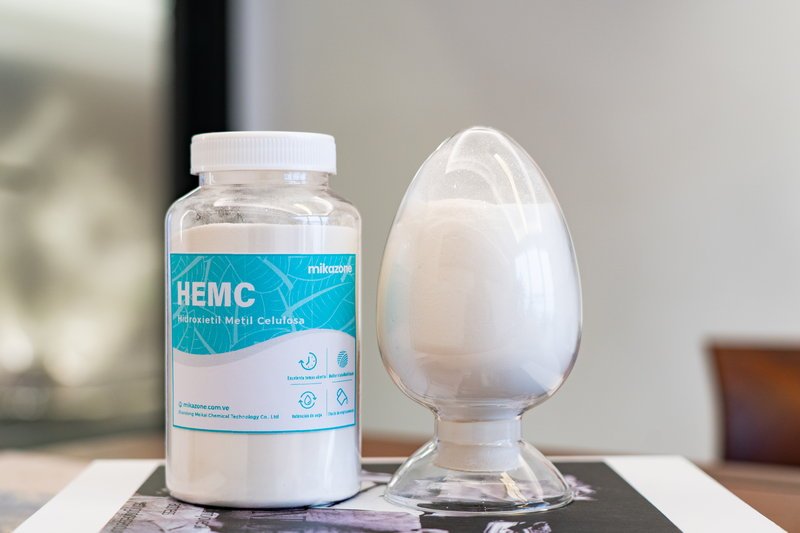
MikaZone publicly recommends the following HPMC / HEMC grades for wall putty:

MK100P: 45,000–55,000 mPa·s · MK75P: 35,000–55,000 mPa·s · MK40P: 20,000–25,000 mPa·s · MK100E: 45,000–55,000 mPa·s · MK75E: 35,000–45,000 mPa·s.

Publicly Confirmed HEC Grade References for Water-Based Systems

MK30HE: 1,500–2,500 mPa·s · MK60HE: 2,500–3,500 mPa·s · MK100HE: 3,500–6,500 mPa·s.

Public Performance Direction

HPMC / HEMC: open time, high viscosity, water retention, thickening, lubrication for wall putty.

HEC: viscosity and stability in water-based systems.

PVA: bonding strength, film formation, and fluidity in wall putty and gypsum products.

Important Note

The indexed public pages in this pass do not expose one unified dosage table specifically for ready-mixed putty paste additives. Final dosage should be confirmed through solids content, target viscosity, filler system, and formulation trials.

Technical documents, pen, and glasses — reference and specification review

Cross-check public grade references with your lab trials and production targets.

Section 6 — How We Recommend the Right Putty Paste Package

Selection Logic for Putty Paste Formulations

At Mandalas, we recommend putty-paste additives based on paste type, target viscosity, required body and smoothness, film formation, adhesion, foam behavior, storage stability, and trial feedback.

1

Define whether the product is standard ready-mixed, higher-body, premium, or foam-sensitive putty paste.

2

Select the core thickener system.

3

Add HPMC / HEMC if more body or more putty-like application feel is needed.

4

Add PVA or RDP if stronger adhesion or film integrity is required.

5

Add Defoamer if finish quality is affected by trapped air.

6

Validate through lab and production trials.

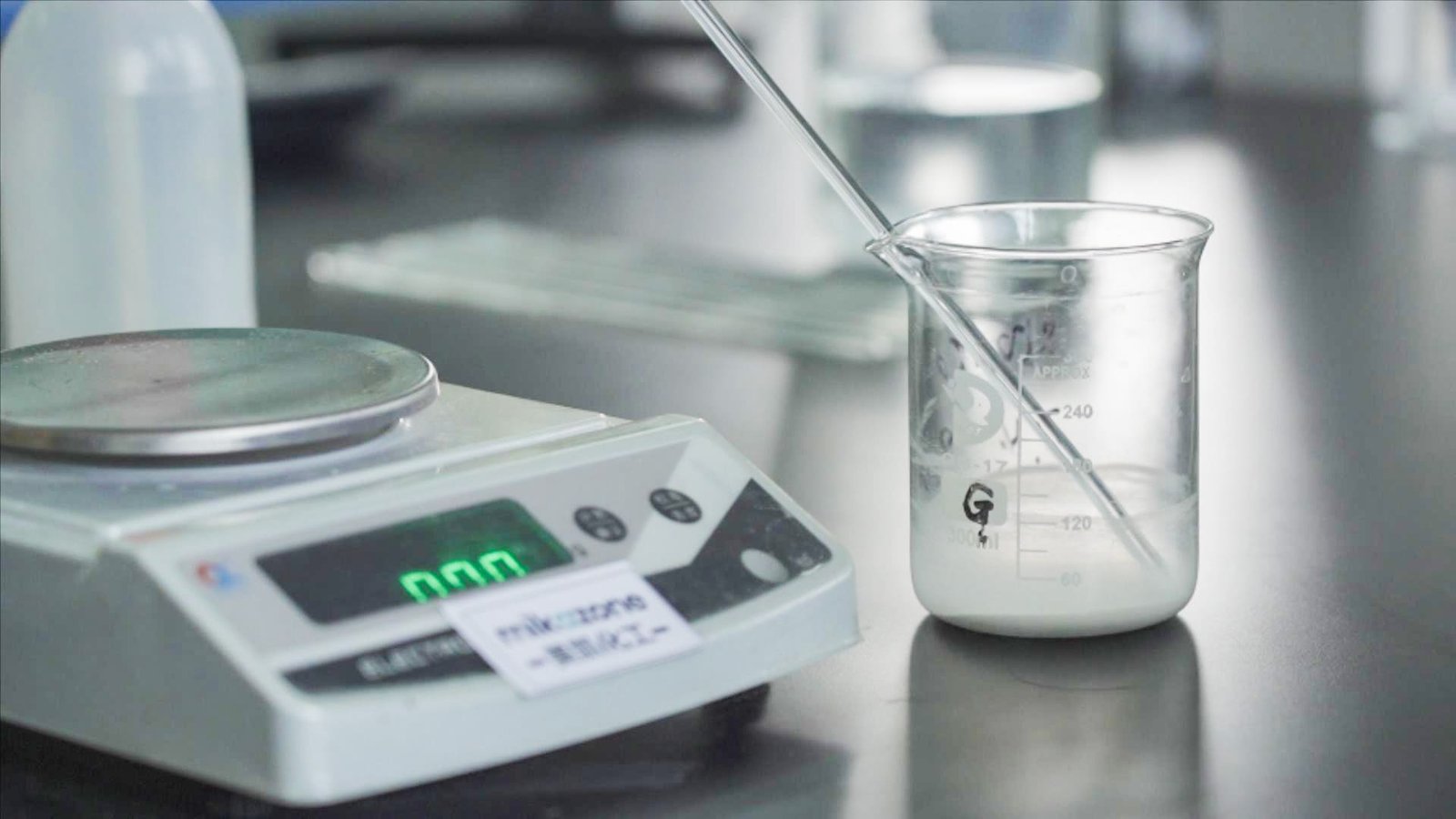
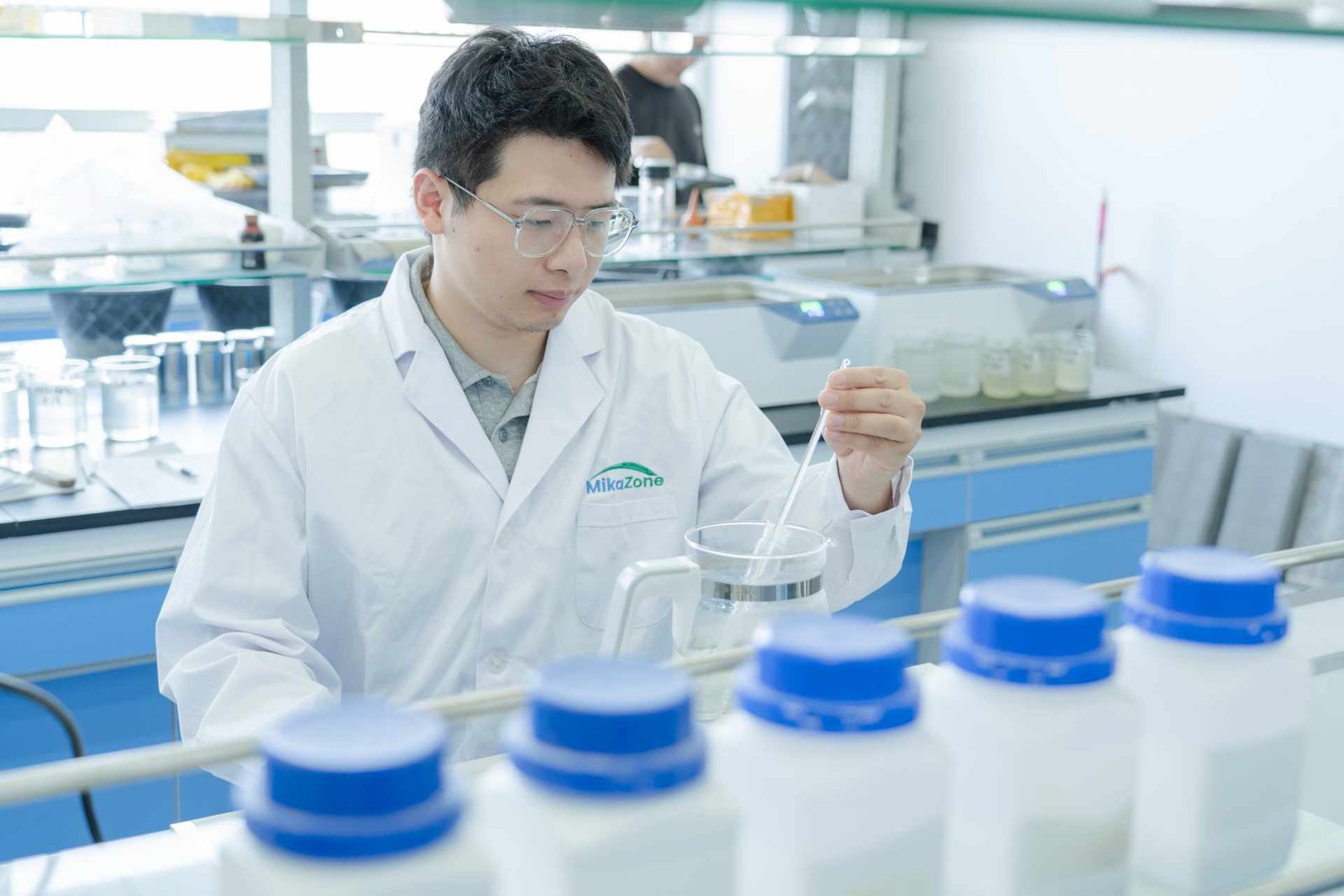
Laboratory formulation work and sample evaluation

Typical recommendation flow — from paste classification to trial validation.

Section 7 — Why Choose Our Putty Paste Additive Solutions

Why Choose Mandalas for Putty Paste Formulation Support

We help build a full additive package around the actual viscosity, application feel, and finish target of your putty paste, rather than recommending one ingredient in isolation.

What We Help With

  • Standard ready-mixed putty paste
  • Higher-body putty paste
  • Premium paste systems with better film integrity
  • Foam-sensitive paste systems
  • Rheology optimization and finish-quality improvement
  • Trial support and formula adjustment

What We Supply for Putty Paste Applications

  • HEC
  • HPMC
  • HEMC
  • PVA
  • Antiespumante
  • Optional RDP
Construction site and building envelope — coatings and materials supply context

End-to-end support from product selection to field-relevant trial feedback.

Section 8 — FAQ

Putty Paste FAQ

Q1: What is the most important additive in ready-mixed putty paste?

For water-based paste systems, HEC is usually the most direct core thickener because MikaZone publicly positions it for water-based coatings and similar viscosity-controlled systems.

Q2: Can HPMC or HEMC also be used in putty paste?

Yes. MikaZone’s wall putty page directly supports HPMC / HEMC for thickening, lubrication, open time, and water retention — highly relevant when a paste system needs more putty-like body and workability.

Q3: Why is PVA useful in putty paste?

Because MikaZone publicly states that PVA improves bonding strength, film formation, and fluidity in wall putty and gypsum products.

Q4: Can putty paste need defoamer?

Yes. Where trapped air causes bubbles, pinholes, or surface defects, defoamer becomes relevant as a finish-quality improvement additive.

Q5: Can you recommend dosage ranges?

Yes. We can suggest a practical starting range based on your paste type, filler system, viscosity target, and finish requirement.

Section 9 — Closing CTA

Need the right additive package for your putty paste?

Tell us whether you are developing a standard, higher-body, premium, or foam-sensitive putty paste. We’ll recommend the right product combination and starting selection logic to help you begin trials faster and reach stable results sooner.

1 Chatea con nosotros