High‑performance additive solutions for cement‑based tile adhesives designed to improve water retention, open time, anti‑sag behavior, bond strength, flexibility, and long‑term durability.
Tile adhesive is more than cement and sand. To achieve stable installation performance, a modern tile adhesive needs controlled water retention, good troweling behavior, adequate open time, strong adhesion to the substrate, and enough flexibility to tolerate movement and thermal stress. C1 and C2 tile adhesive systems are best understood as performance-balanced formulas built around multiple functional additives rather than a single ingredient.
In practical formulation work, different project targets call for different additive packages. A standard interior adhesive may focus on workability and adhesion, while a higher-grade C2 or flexible tile adhesive may also require stronger crack resistance, better hydrophobicity, longer open time, or faster early strength.
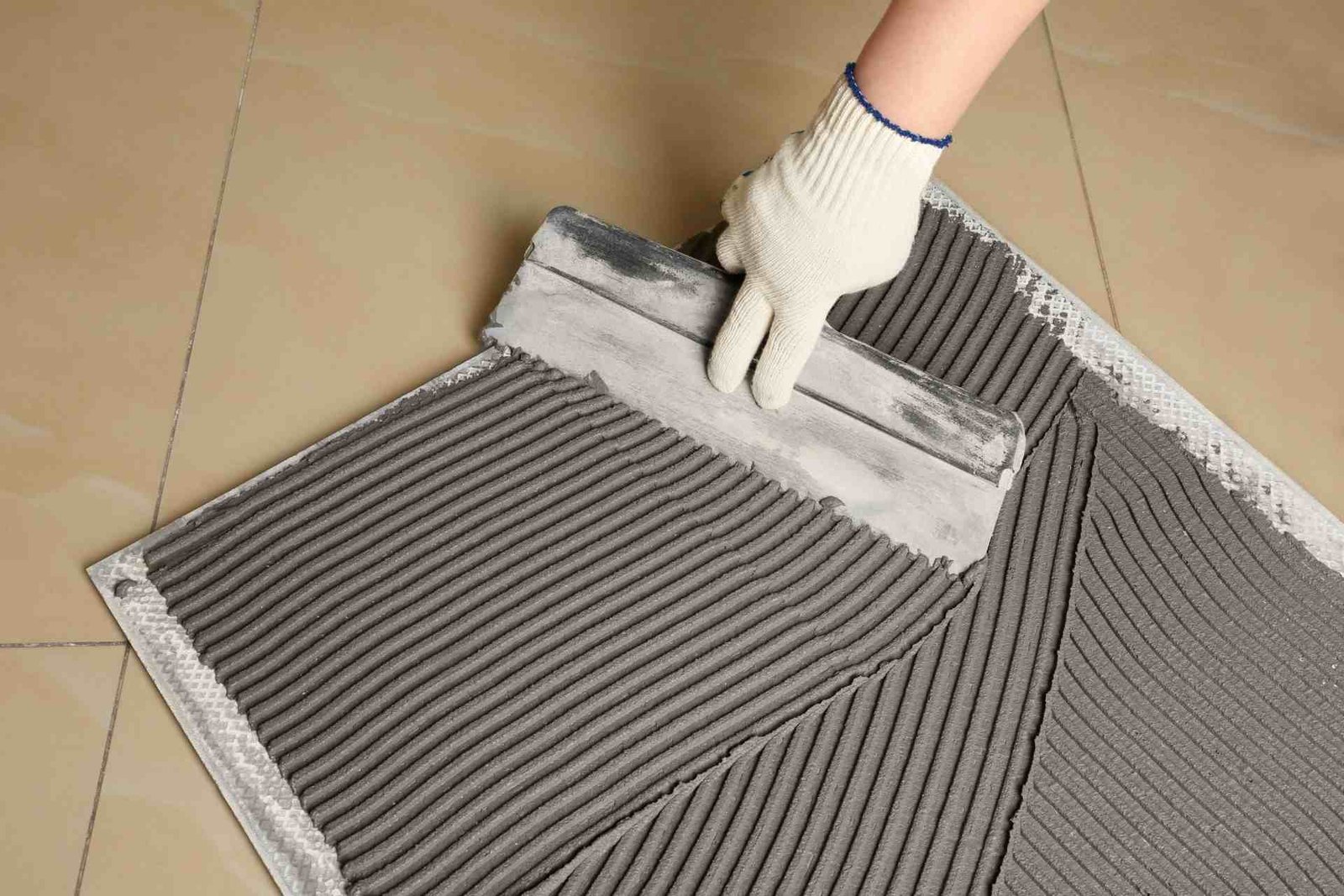
Every performance target maps to a specific additive function. Understanding these connections is the first step toward building a balanced, reliable system.
 Application · Substrate Bonding
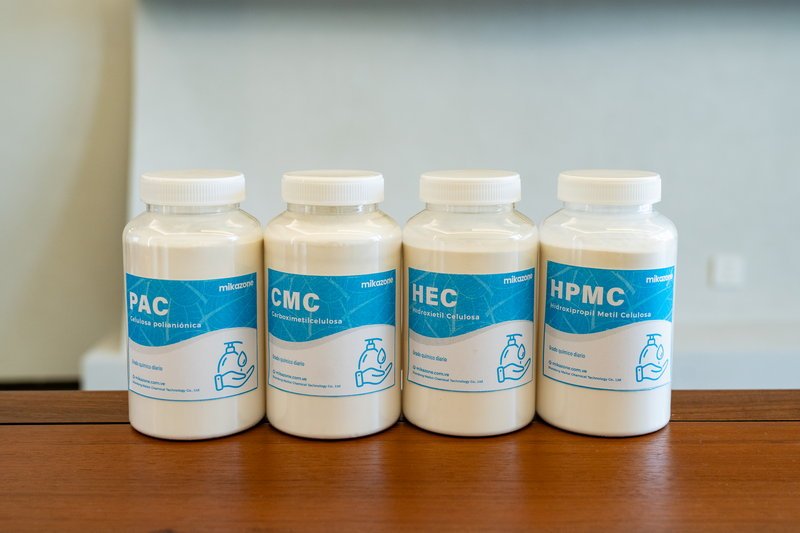
The primary cellulose ether in tile adhesive systems. HPMC is the key additive for water retention, thickening, workability improvement, open time extension, and sag resistance. For most standard tile adhesive systems, HPMC is the foundation of the formula.
HEMC can be used in tile adhesive systems where a balanced rheology profile and stable workability are desired. Positioned for tile adhesive and cement-based mortar applications where HEMC fits better than HPMC.
One of the most important upgrade additives in tile adhesive formulas. RDP improves adhesion to substrates, crack resistance, durability, flexibility, and workability. Typical dosage range of 1.5–4% of dry mix depending on performance target.
Included in both flexible and fast-drying tile adhesive formulas. Helps reduce water demand, improve early strength efficiency, and optimize workability at lower water levels. Recommended at 0.1–0.5% by cement weight in fast-drying formulas.
Hydroxypropyl Starch Ether is one of the six key ingredients in both C1 and C2 tile adhesive formulas. Improves workability, water retention, and open time — especially when fine-tuning the feel of the adhesive during application. Typical dosage: 0.1–1.0% by dry mix.
For fast-drying or early-strength tile adhesive systems. Used together with PCE to offset residual retardation and improve 24-hour strength. Broader reference dosage of 0.5–2% as a set modifier in dry-mix mortar systems.
Specifically included in C2 tile adhesive formulas for improving moisture resistance, hydrophobicity, and long-term durability. Recommended at 0.1–1.0% by dry mix depending on the desired hydrophobic effect.
For flexible tile adhesive systems, PP fiber is a three-dimensional reinforcement additive that improves crack resistance, dimensional stability, and impact toughness. Explicitly included in flexible tile adhesive formulations as one of the six core ingredients.
Relevant where foam or entrapped air affects density, finish, or consistency in dry-mix systems. More of a formulation-optimization additive than a standard tile adhesive core ingredient — applied selectively based on trial results.
Different tile adhesive grades call for different additive combinations. Here is a structured overview of typical product directions by system type.
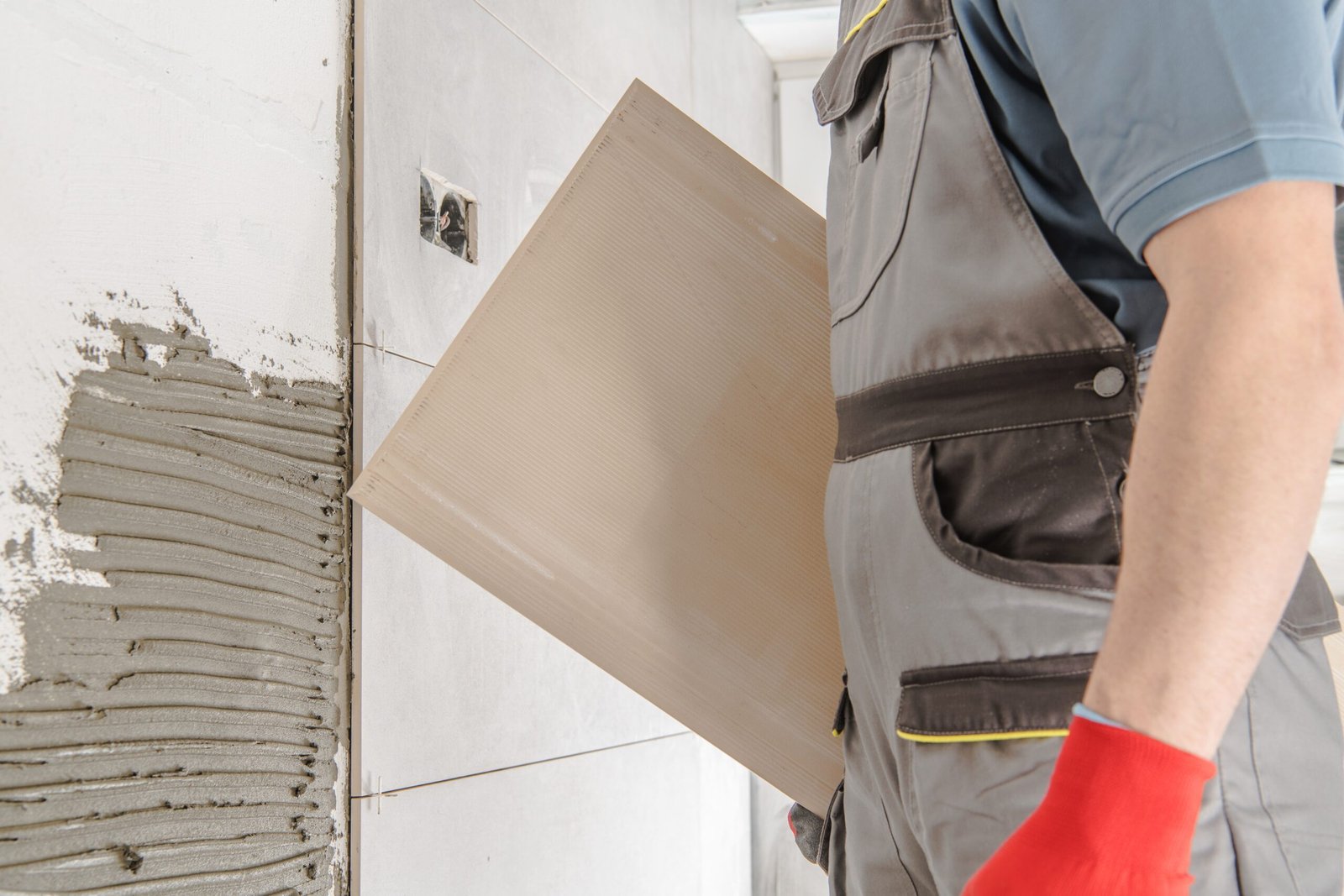 Standard C1
A basic C1 system centers on cement + graded filler + HPMC, with HPS as an optional workability enhancer and RDP added if performance needs to be improved.
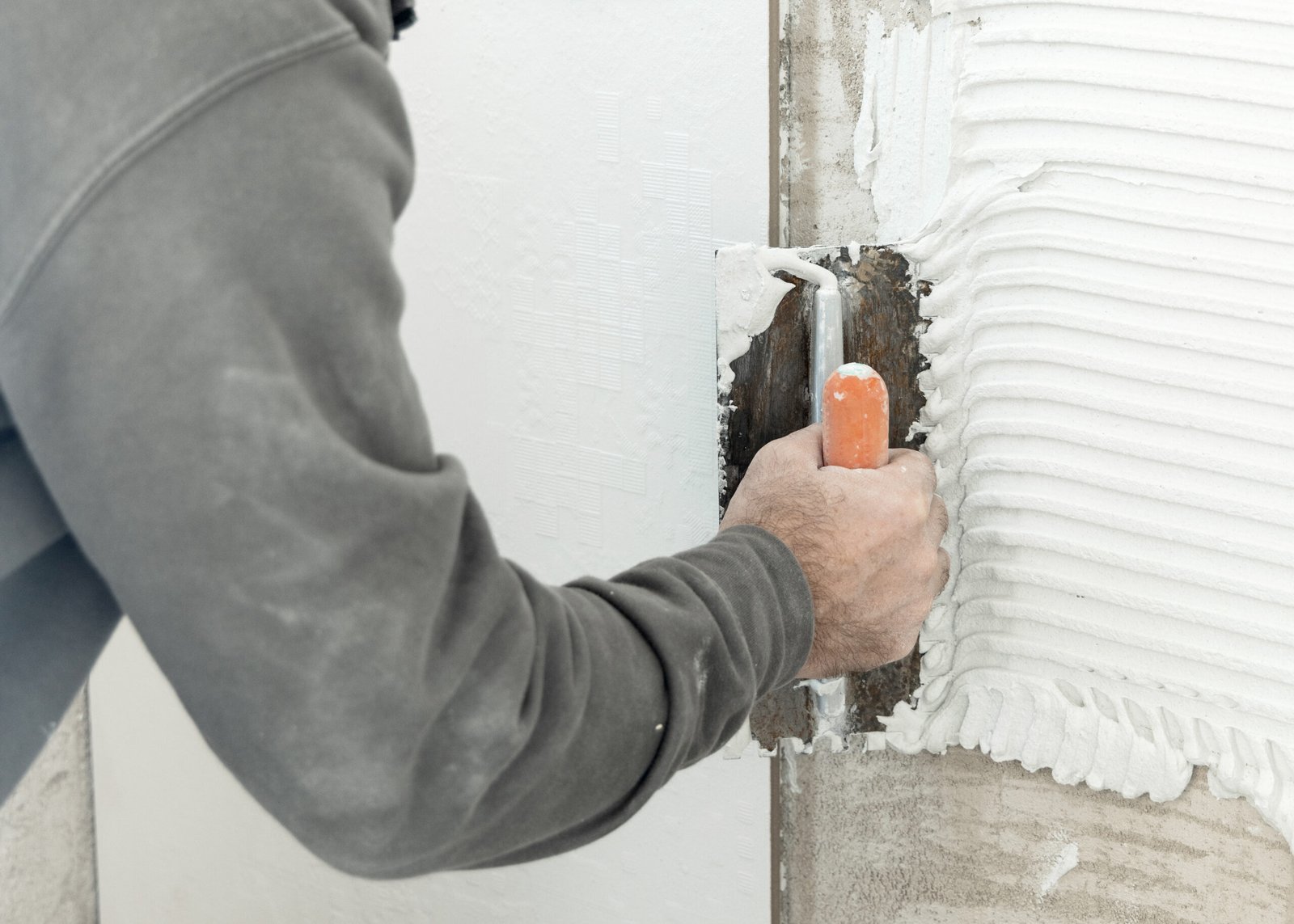 C2 System
C2 systems require stronger adhesive performance, better flexibility, and more reliable durability. Built around HPMC + RDP + HPS + Silicone Hydrophobic Powder.
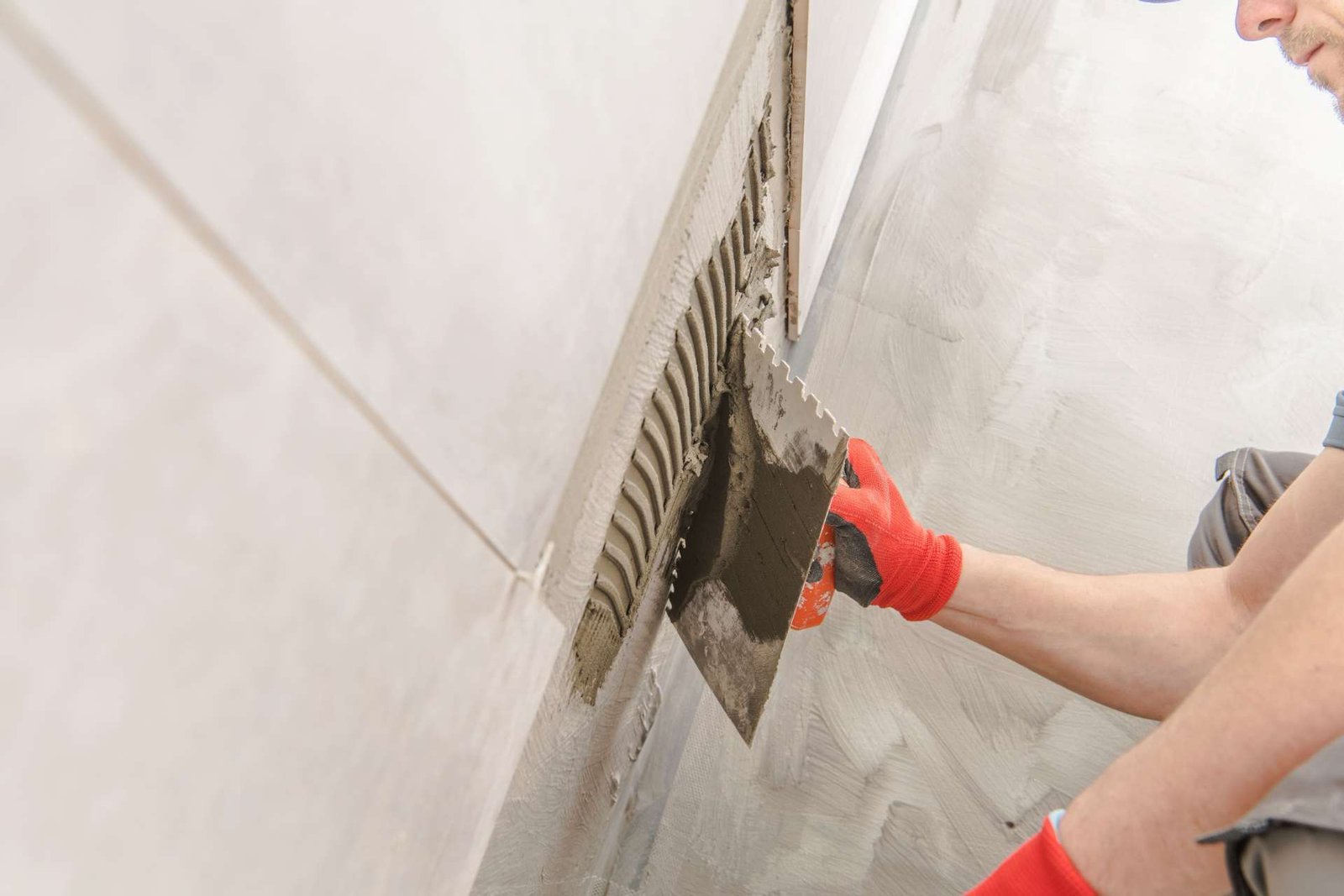 Flexible
Flexible tile adhesive systems need stronger crack resistance and stress absorption. Core ingredients include HPMC, RDP, PCE, and PP Fiber.
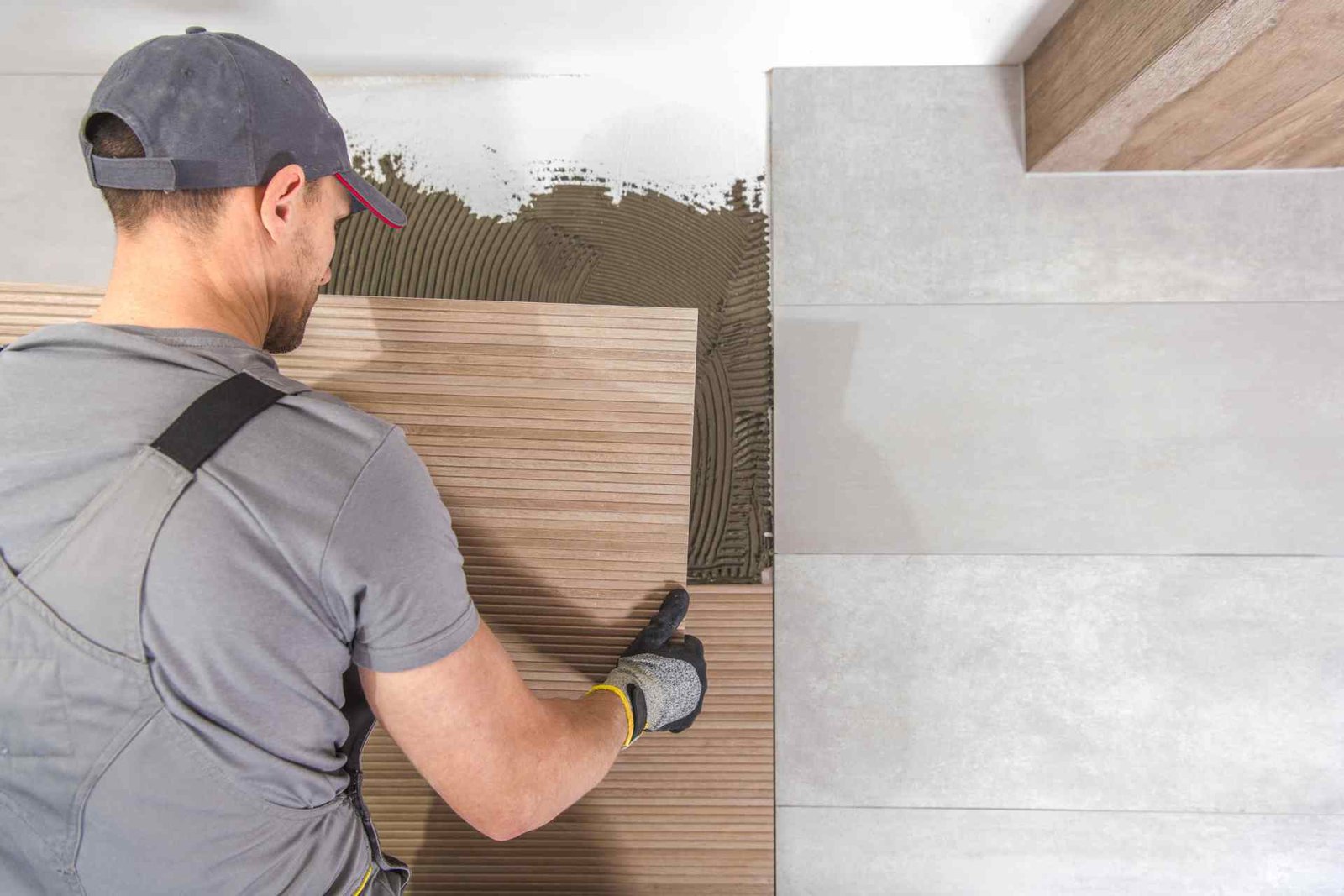 Fast-Drying
For fast-setting or fast return-to-service systems. PCE improves flow and Calcium Formate offsets retardation and boosts early strength.
| Additive | Reference Dosage | System / Context | Notes |
|---|---|---|---|
| HPMC | 0.2 – 0.5% | C1 Tile Adhesive | Common issue/solution guidance range; adjust by viscosity grade |
| RDP | 1.5 – 4% | C2 Tile Adhesive | By dry mix weight; higher end for flexible or demanding substrates |
| HPS | 0.1 – 1.0% | C1 / C2 Tile Adhesive | By dry mix weight; fine-tune for workability and open time |
| PCE | 0.1 – 0.5% | Fast-Drying Tile Adhesive | By cement weight; supports water reduction and early strength |
| Formiato de calcio | 0.5 – 2% | Dry-Mix Mortar / Fast-Drying | General set modifier reference; confirm by trial in tile adhesive |
| Polvo de silicona hidrófobo | 0.1 – 1.0% | C2 Tile Adhesive | By dry mix weight; adjust based on desired hydrophobic effect |
| Fibra de PP | 0.05 – 0.2% | Flexible / Dry-Mix Mortar | Crack control reference; flexible tile adhesive to be confirmed by trials |
At Mandalas, we do not recommend additives by name only. We recommend them based on the full picture of your application target, substrate conditions, and performance requirements.
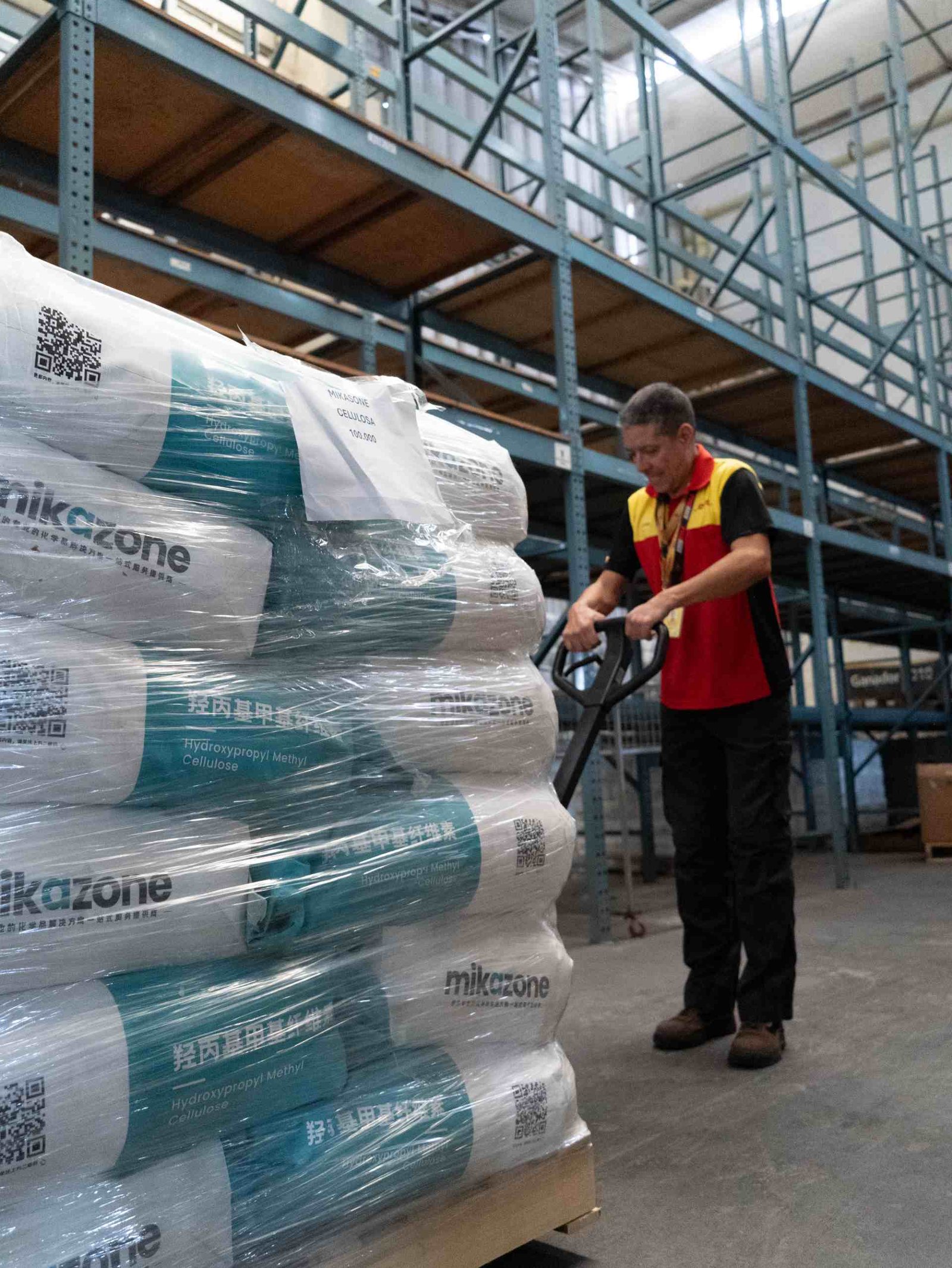
We combine your available product line with a real application-based recommendation approach. Instead of selling one additive at a time, we help build a tile adhesive system package around the actual performance target.
Tell us whether you are developing a C1, C2, flexible, or fast-drying tile adhesive. We'll recommend the right product combination and starting dosage logic to help you begin trials faster and reach stable results sooner.
