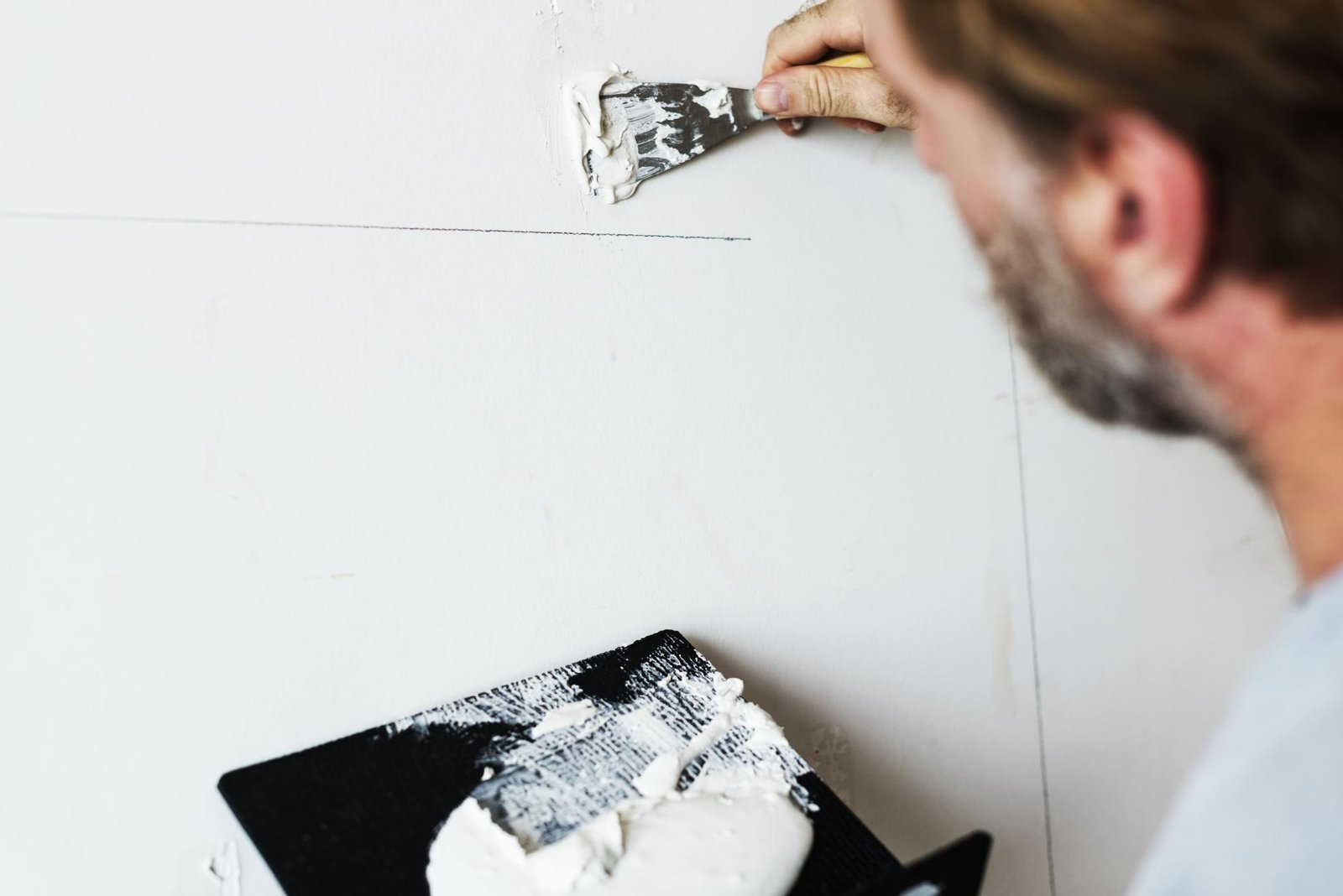
Paint roller applying primer or bonding coat on wall surface
Solutions / Primers & Bonding

Primers & Bonding Agents
Solutions

Performance-focused additive solutions for primers and bonding agents that require stable viscosity, smooth application, strong substrate wetting, reliable film formation, and better adhesion between base surfaces and subsequent layers.

Why This Solution
Primer & Interface System Coverage
Suitable for water-based primers, bonding primers, and selected interface / sealer systems.
Ether, Film Formers & Functional Additives
Built around cellulose ether, film-forming modifiers, and selected functional additives for balanced rheology and adhesion performance.
Local Support in Venezuela
Local recommendation, supply coordination, and technical support available in Venezuela.
Stable Viscosity
Smooth Application
Substrate Wetting
Film Formation
Interlayer Adhesion
Explore

Section 1 — What Makes a Good Primer or Bonding Agent?

Built for Surface Preparation, Adhesion Promotion, and Stable Application

A good primer or bonding agent must do more than simply wet the surface. It needs to spread evenly, penetrate or anchor appropriately to the substrate, create a stable intermediate layer, and improve the adhesion of the next material—whether that is putty, plaster, mortar, tile adhesive, or paint.

In practical formulation work, primer and bonding-agent performance depends on the balance of viscosity control, film formation, surface wetting, adhesion support, and foam control. MikaZone’s public content does not present a dedicated primer formulation page that we could verify, but it repeatedly shows these same functions across related materials. Its HEC pages position HEC as a core thickener for water-based coatings and paints; its PVA page highlights bonding strength and film formation; and its wall-putty application guide explicitly says to apply a bonding primer on weak or porous substrates before further finishing.


Construction and dry-mix materials — surface preparation and coating layers for primers and bonding agents
Surface prep and layered finishes: primers bridge substrate and topcoat.

Section 2 — Key Performance Targets in Primers & Bonding Agents

What a Primer or Bonding Agent Formula Must Deliver

Targets below follow public MikaZone positioning on HEC, PVA, RDP, defoamers, and substrate-prep guidance—not a separate verified primer monograph.

Stable Viscosity and Easy Application

A primer should brush, roll, or spray evenly without being too watery or too heavy. MikaZone’s HEC product pages position HEC as the thickener that improves viscosity and stability in water-based coatings and paints—highly relevant for water-based primer systems.

Good Film Formation

A bonding agent or primer must form a continuous, reliable film that prepares the substrate for the next layer. MikaZone’s PVA page states that PVA improves film formation and bonding strength—making it highly relevant for primer and bonding-agent applications.

Better Adhesion to the Substrate

The main role of a bonding primer is to improve adhesion between old and new surfaces. MikaZone’s polymer-modified system content links RDP with stronger adhesion and better durability—relevant in selected bonding-agent or interface-primer formulas where tougher film behavior is required.

Smooth Surface Wetting and Uniform Coverage

Primers must spread evenly across porous or weak surfaces without patchy areas. MikaZone’s wall putty application guide highlights primer use as a key prevention step for blistering and poor adhesion on porous or weak bases.

Low Foam and Better Surface Quality

Foam can create bubbles, craters, and poor film appearance in water-based primers. MikaZone’s defoamer materials explain that defoamers reduce trapped air and improve finish consistency—useful where smooth film appearance matters.

Optional Rheology Fine-Tuning

In some specialty primers or bonding agents, HPMC or HEMC can fine-tune body, retention, or application feel. Public materials position them as rheology modifiers in adjacent construction and coating-related systems.

Laboratory glassware and liquids — viscosity, film, and finish targets for water-based primers
Formulation work aligns viscosity, film formation, wetting, and foam control with field application.

Section 3 — Recommended Product Package for Primers & Bonding Agents

Additives We Recommend for Primer and Bonding-Agent Formulations

Seven additive roles—presented as horizontal strips (not a uniform product grid) so you can scan chemistry and SKU tags quickly.

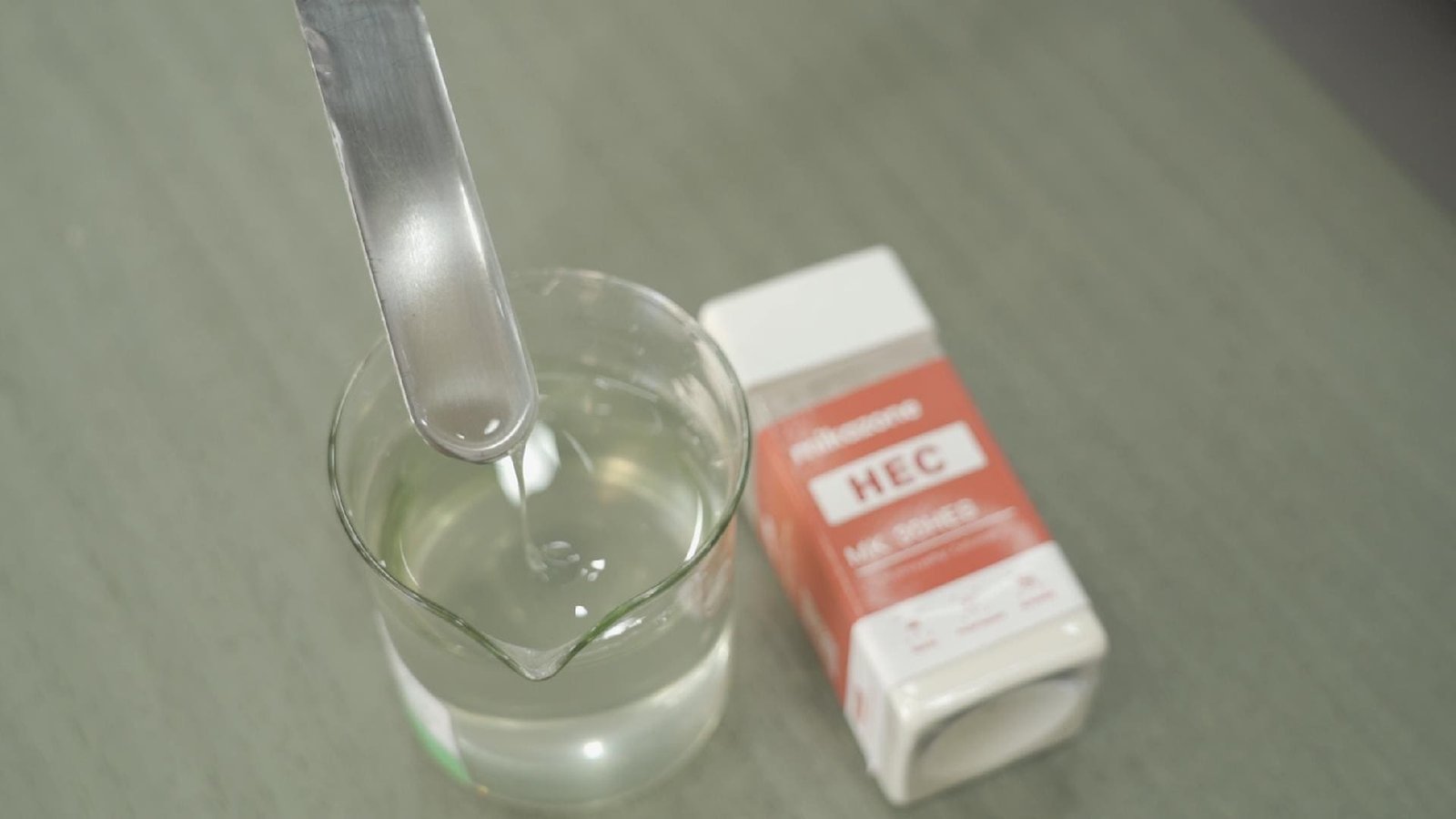
Water-based liquids in lab glassware — HEC viscosity for primers
01

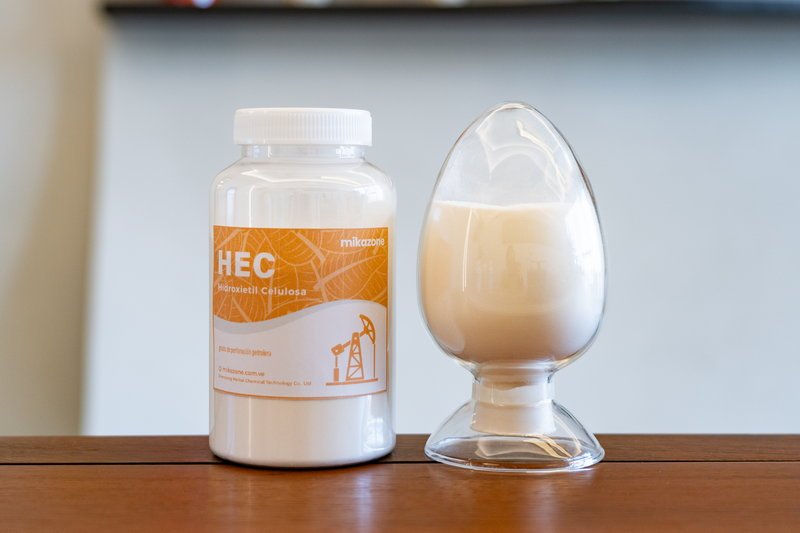
HEC — Core Thickener for Water-Based Primers

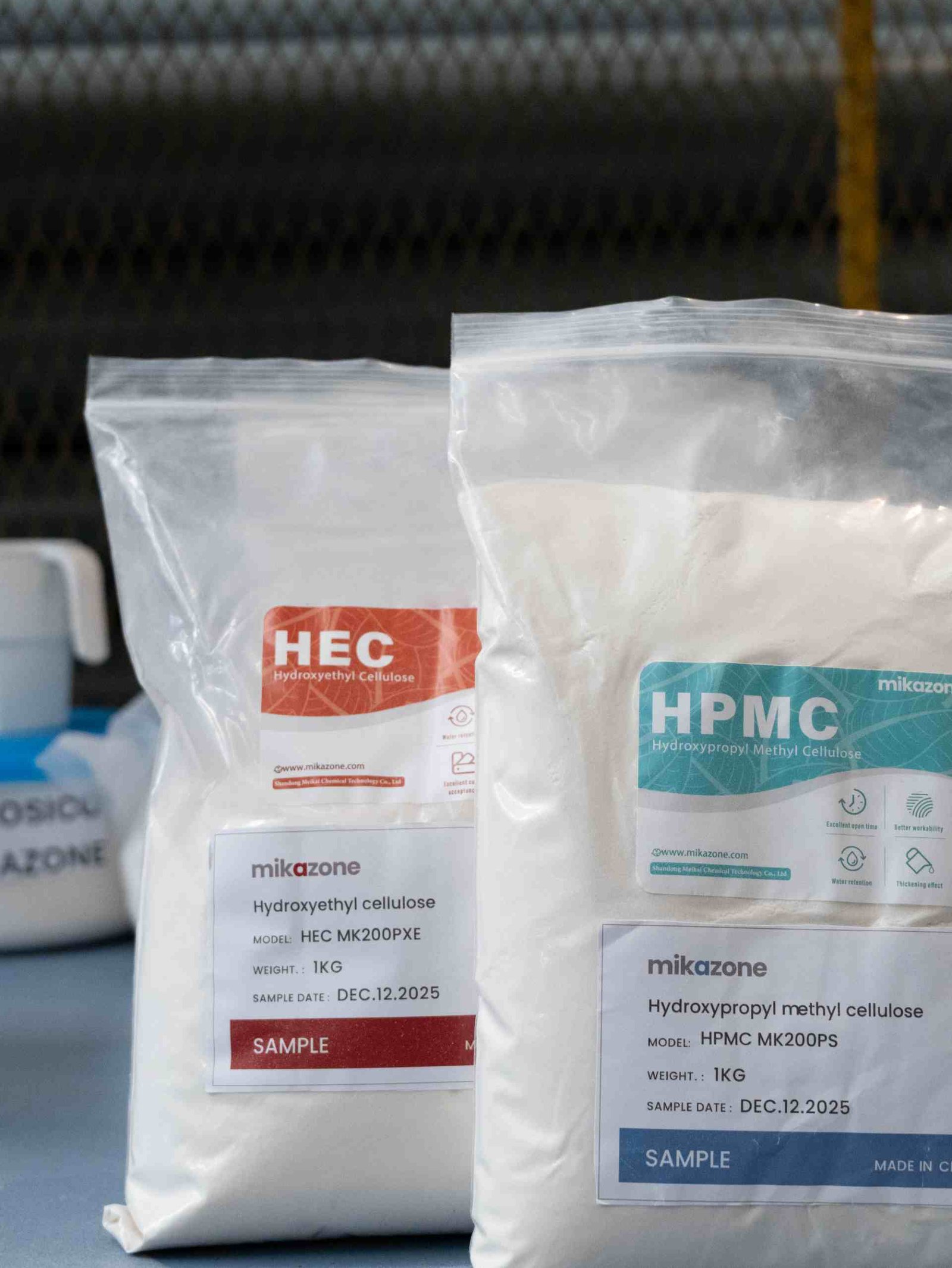
HEC is the clearest first-line thickener for water-based primers and sealer-type systems. MikaZone publicly positions MK30HE, MK60HE, and MK100HE for water-based coatings and paints as effective thickeners that improve viscosity and stability—the same logic applies directly to water-based primer systems.

Best for
Primer viscosity controlBucket stabilityBrush / roller / sprayCoating consistencyStable film build
Related products
Smooth polymer coating texture — PVA film formation
02

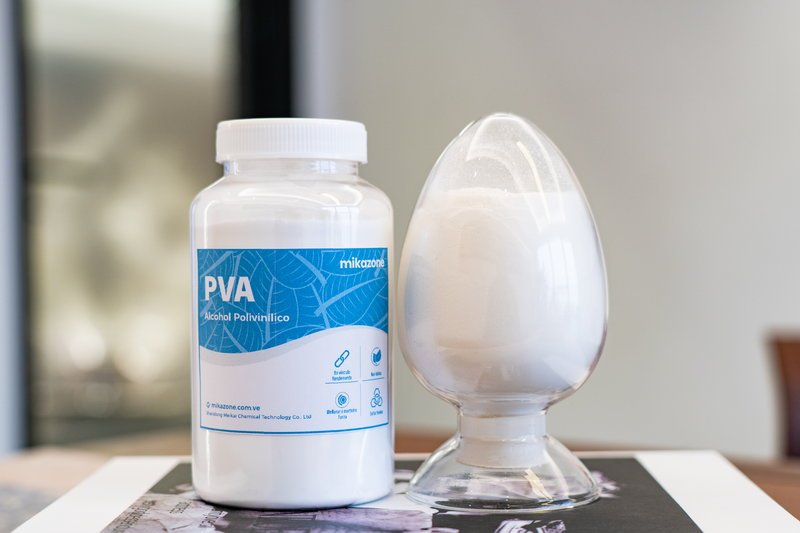
PVA — Core Film-Formation and Bonding Support

For primers and bonding agents, PVA is highly relevant because MikaZone states that it improves bonding strength, film formation, and fluidity—suitable for bonding primers, sealer-type undercoats, interface layers needing stronger cohesion, and water-based systems where film continuity matters.

Best for
Bonding primersFilm-forming undercoatsSurface cohesionInter-layer adhesion
Related products
17882488
Fine mineral powder — HPMC body and retention in slurries
03

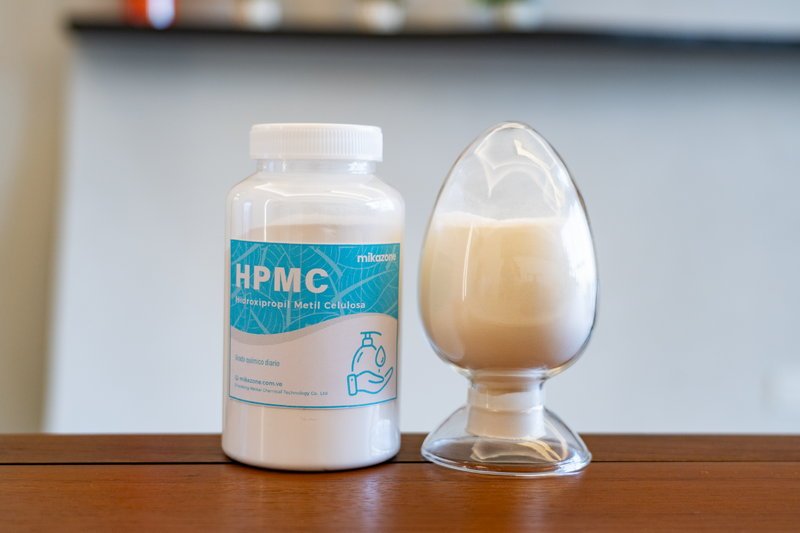
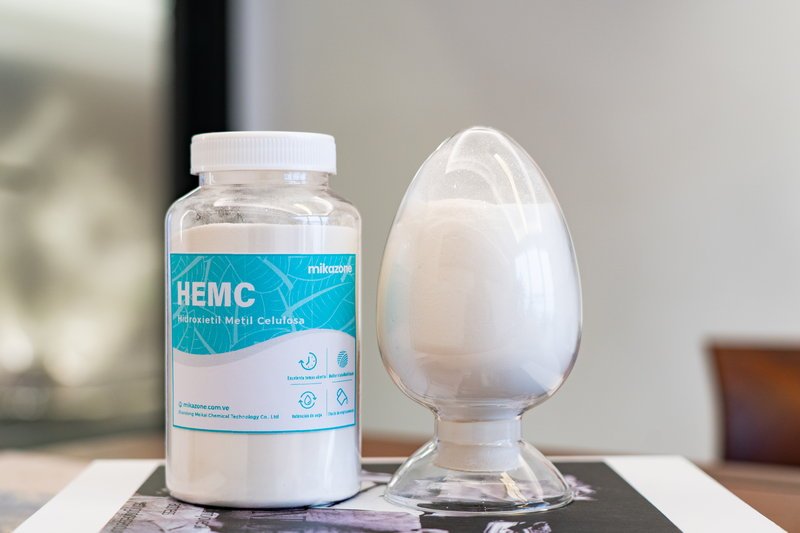
HPMC — Optional Rheology and Retention Modifier

HPMC is not the most direct primer thickener in public coating materials, but it is described as a thickener and rheology modifier in adjacent water-based and construction applications—useful where a bonding agent needs more body, retention on verticals, smoother feel, or stable open time.

Best for
Higher-body bonding agentsInterface slurriesVertical stabilityRheology fine-tuning
Related products
Smooth mortar being applied — HEMC rheology and spread
04

HEMC — Optional Alternative for Smoother Rheology Balance

MikaZone’s MHEC article notes that formulators use MHEC / HEMC for consistent viscosity and smoother spreading in mortar and paint formulas. HEMC can still be valuable in selected primers where a smoother rheology profile is preferred, while HEC remains the more direct coating thickener.

Best for
Selected water-based primersSmoother spreadingViscosity balanceSpecialty rheology
Related products
MK75ESMK100ESMK150ES
Construction structure — RDP adhesion and tougher interfaces
05

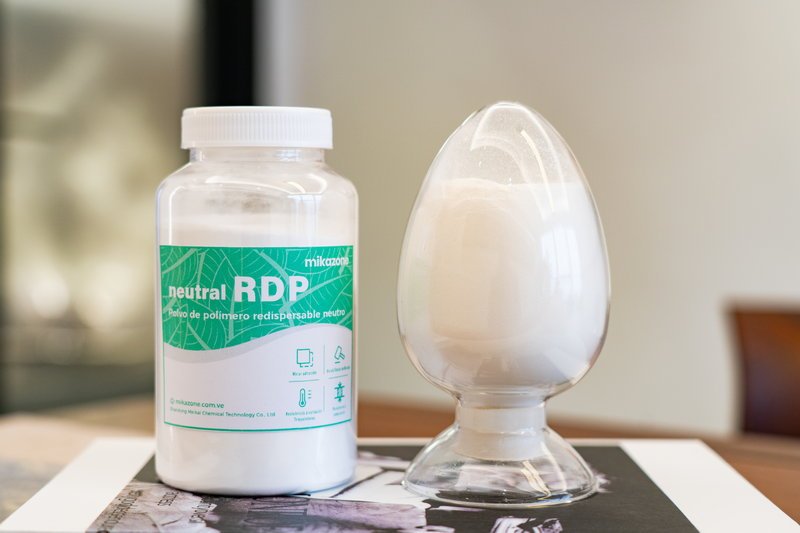
RDP — Optional Adhesion and Toughness Upgrade

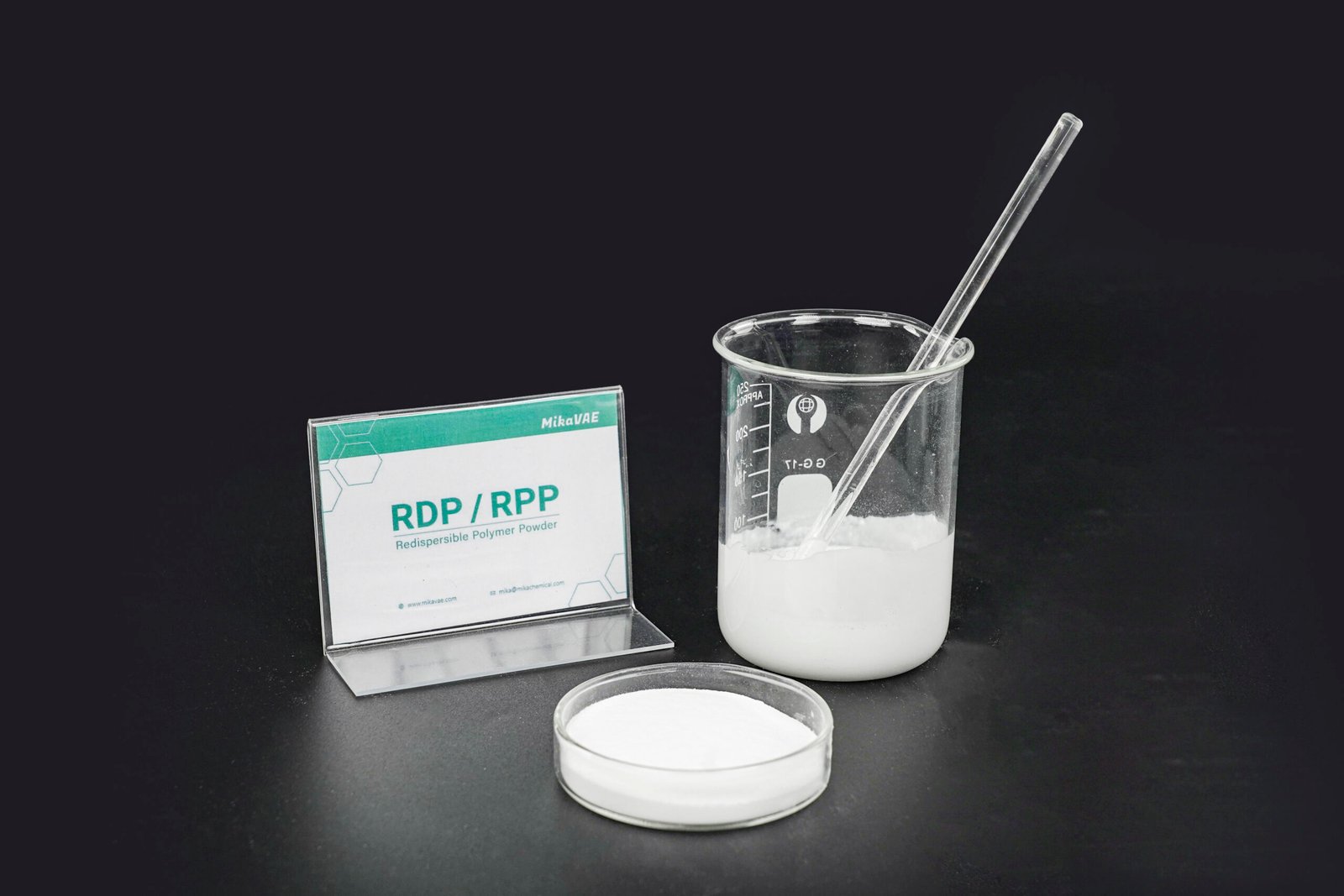
RDP is not the first-line primer thickener but becomes relevant in bonding agents or interface primers where stronger adhesion, film toughness, and durability are required—consistent with public polymer-modified mortar and adhesion messaging.

Best for
Bonding-agent upgradesTougher intermediate filmsSubstrate-to-topcoat adhesionDurable interfaces
Related products
MK1610NMK3510NMK3520NMK8025H
Foam and liquid surface — defoamer for primer finish quality
06

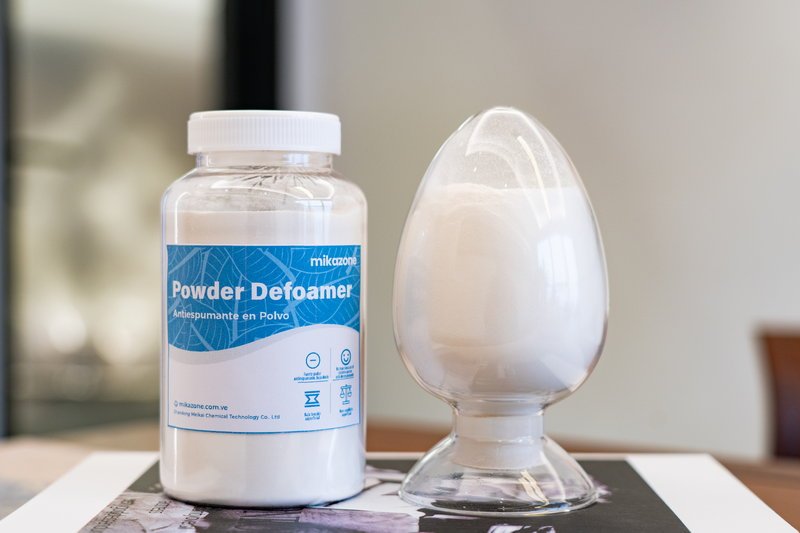
Defoamer Powder — Optional Foam Control

Where primers or bonding agents show bubbles, craters, or foamy application, defoamer is an important process additive—aligned with MikaZone defoamer positioning for paints, coatings, and construction systems where trapped air damages finish quality.

Best for
Reduced pinholesLower entrapped airSmoother filmFinish uniformity
Related products
Construction site with steel and concrete — mineral bonding and PCE context
07

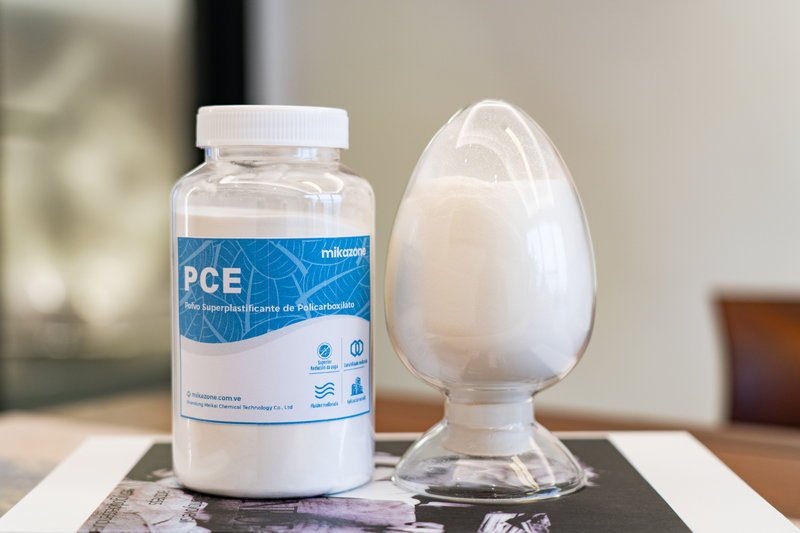
PCE — Cautious Optional Use in Selected Mineral-Bonding Systems

PCE is mainly positioned for cementitious systems, not classic water-based primers. In selected mineral bonding slurries or cementitious bonding agents it can matter where lower water demand and better dispersion are desired—treat as a specialized use case.

Best for
Cementitious slurriesMineral interface agentsLower water demand
Related products
PCE 201PCE 202PCE 203PCE 204

Section 4 — Suggested Product Architecture by Primer / Bonding-Agent Type

Recommended Additive Package by Product Category

Horizontal scroll cards—each category is self-contained; swipe on smaller screens.

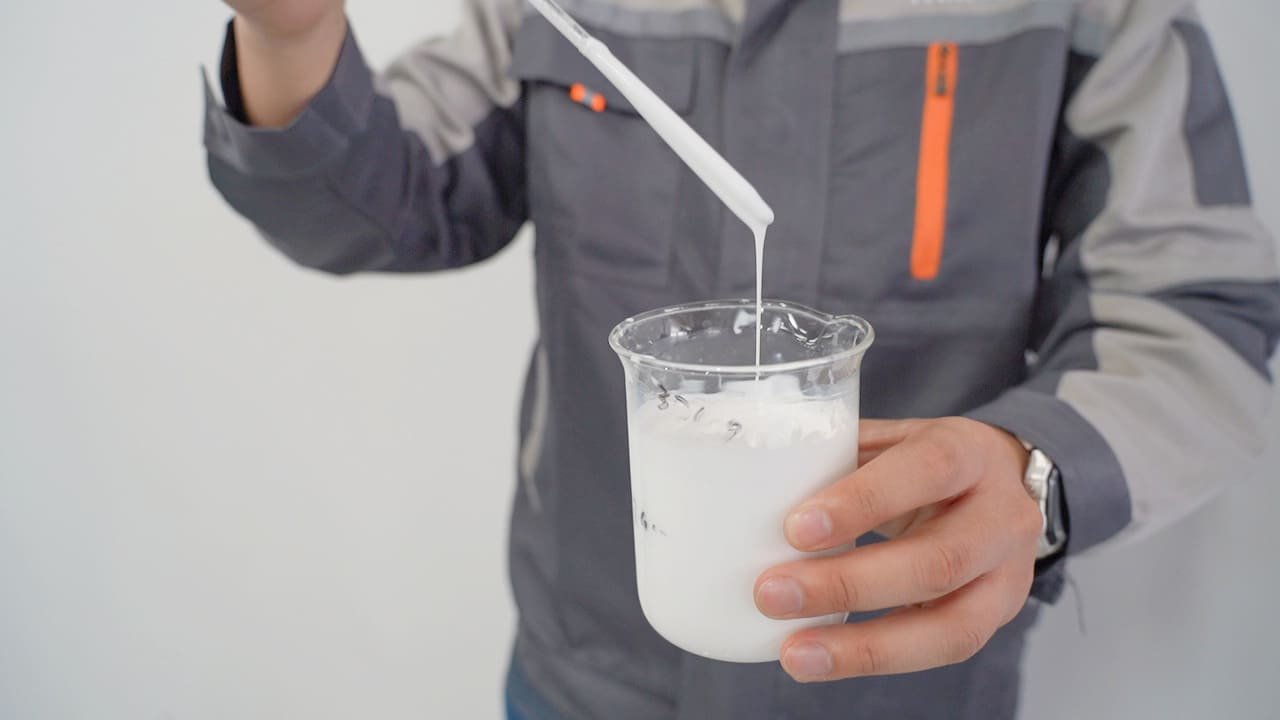
Laboratory liquids — standard water-based primer viscosity control

Standard Water-Based Primer

Usually centers on HEC for viscosity and stability, with defoamer where finish or air-release control is needed—supported by public HEC pages.

Typical direction
Polymer coating texture — bonding primer and film cohesion

Bonding Primer / Bonding Agent

Where adhesion promotion dominates, PVA is central; RDP can enter as an upgrade for toughness and adhesion in higher-performance systems.

Typical direction
PVAHECOptional RDPOptional Defoamer
Thicker mortar application — interface primer body on verticals

Higher-Body Interface Primer

Where more body or hang on vertical surfaces matters, HPMC or HEMC tune rheology alongside the core thickener.

Typical direction
HECHPMC or HEMCOptional PVAOptional Defoamer
Construction site — cementitious bonding and mineral-rich systems

Mineral / Cementitious Bonding Agent

More mineral-rich systems may move toward HPMC/HEMC + PVA or RDP, with PCE as a specialized option when lower water demand matters.

Typical direction
HPMC or HEMCPVA or RDPOptional PCEOptional Defoamer

Section 5 — Public Reference Guidance

Public Reference Guidance from MikaZone

HEC grades
MK30HE: Brookfield viscosity 1,500–2,500 mPa·s (water-based coatings).
MK60HE: 2,500–3,500 mPa·s.
MK100HE: 3,500–6,500 mPa·s for water-based coatings and paints.
Performance direction
HEC: thickener and stabilizer for water-based coatings and paints. PVA: bonding strength, film formation, and fluidity.
Primer in substrate prep
Wall putty application guidance: use bonding primer on weak substrates and before reapplying putty after adhesion failure.
Important note. We did not find a unified public dosage table dedicated only to primers or bonding agents. Final dosage should be confirmed through solids content, binder type, substrate target, and trials.
Technical documents and specification review — public reference guidance for grades and performance
Cross-check grades, viscosity bands, and application notes against your binder and substrate targets.

Section 6 — How We Recommend the Right Primer / Bonding-Agent Package

Selection Logic for Primer & Bonding-Agent Formulations

At Mandalas, we recommend primer and bonding-agent additives based on system type (standard water-based primer, bonding primer, or mineral bonding agent), target viscosity, film formation, adhesion promotion, surface wetting, foam behavior, vertical-body adjustment, and trial feedback.

1

Define standard primer, bonding primer, or mineral bonding system.

2

Select the core viscosity-control system.

3

Add PVA or RDP if stronger film formation or adhesion is required.

4

Add HPMC / HEMC when rheology tuning or higher body is needed.

5

Add defoamer if finish quality is affected by entrapped air.

6

Validate through lab and production trials.

Laboratory trials — validating primer and bonding-agent additive packages
Selection logic is confirmed with lab work and production-scale trials.

Section 7 — Why Choose Our Primer & Bonding-Agent Additive Solutions

Why Choose Mandalas for Primer & Bonding-Agent Formulation Support

We build additive packages around your viscosity, adhesion, and application targets—not single-ingredient shortcuts.

What we help with

  • Standard water-based primers
  • Bonding primers
  • Higher-body interface primers
  • Mineral / cementitious bonding agents
  • Film formation and finish-quality optimization
  • Trial support and formula adjustment

What we supply

  • HEC
  • HPMC
  • HEMC
  • PVA
  • RDP
  • Defoamer
  • Optional PCE for specialized mineral systems
Industrial formulation and quality control — integrated additive supply for primers
End-to-end support from standard primers to mineral bonding systems.

Section 8 — FAQ

Primers & Bonding Agents FAQ

Q1: What is the most important additive in a water-based primer?

In your current line, HEC is the most direct core viscosity-control additive because MikaZone publicly positions it for water-based coatings and paints.

Q2: What additive is most relevant for bonding-agent film formation?

PVA is highly relevant because MikaZone states that it improves bonding strength and film formation.

Q3: Can a bonding primer also use RDP?

Yes—in selected higher-performance systems where stronger adhesion and tougher film integrity are needed, RDP can be considered as an upgrade, aligned with public polymer-modified and adhesion messaging.

Q4: Why is primer important before putty or coating?

MikaZone’s wall putty application guide identifies bonding primer as a key step to reduce poor adhesion, blistering, and rework on weak or porous substrates.

Q5: Can you recommend dosage ranges?

Yes—we can suggest practical starting ranges based on primer type, binder system, solids content, and substrate target.

Closing

Ready to tune your primer or bonding-agent package?

Share your system type and performance gaps—we’ll map additives to viscosity, film, adhesion, and finish targets.

1 Chat with us