

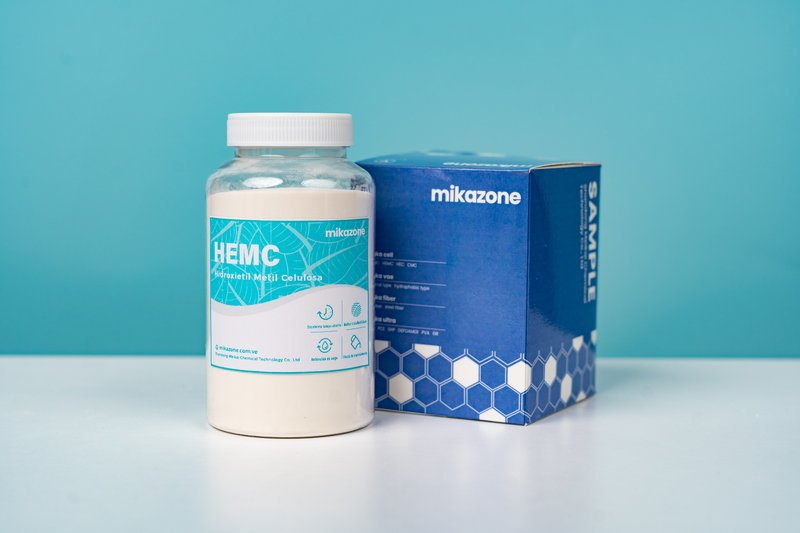
HEMC / MHEC Hydroxyethyl Methyl Cellulose
High-performance HEMC for construction formulations that require strong water retention, stable workability, improved cohesion, and reliable application behavior across dry-mix and selected modified systems.
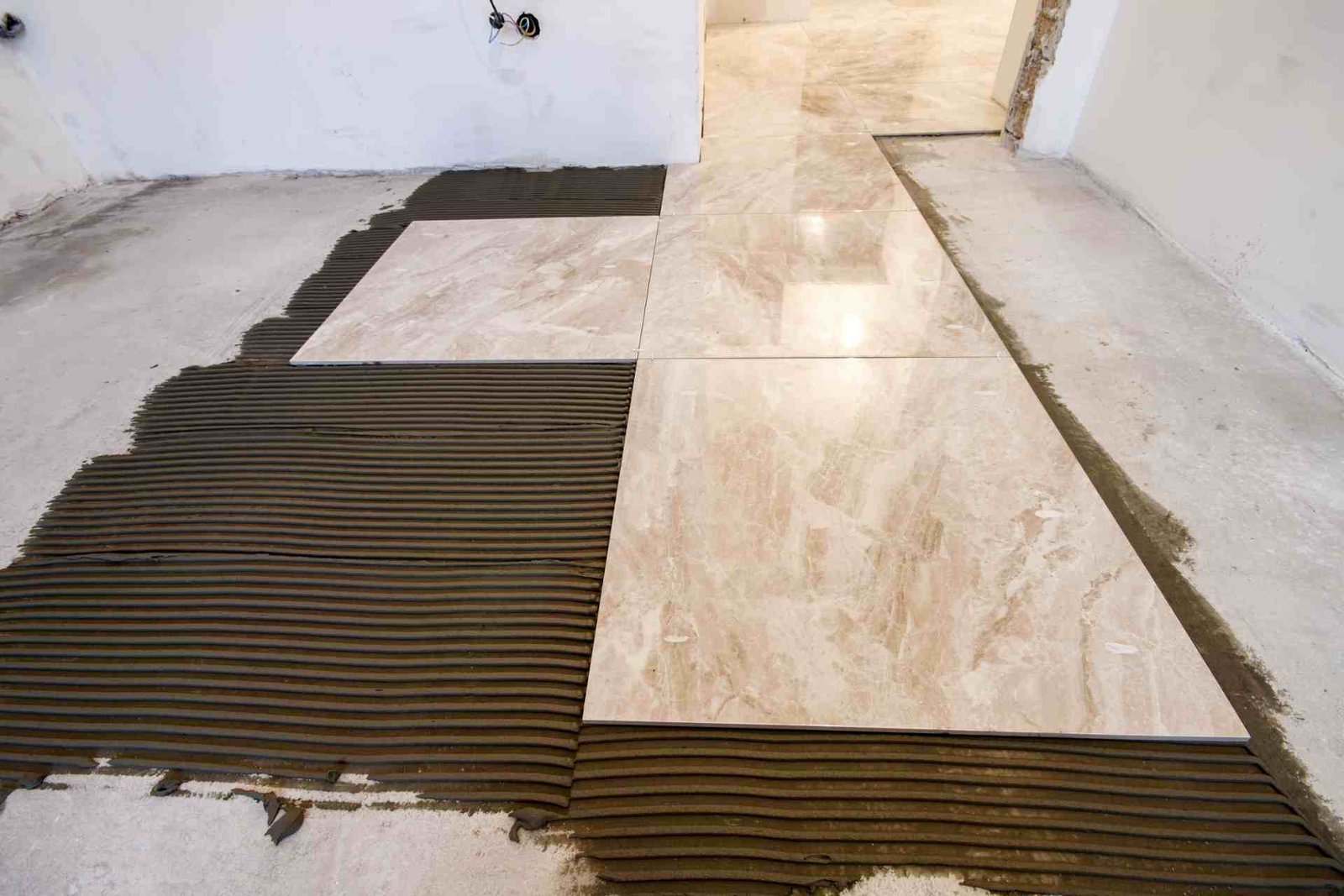 Tile Systems
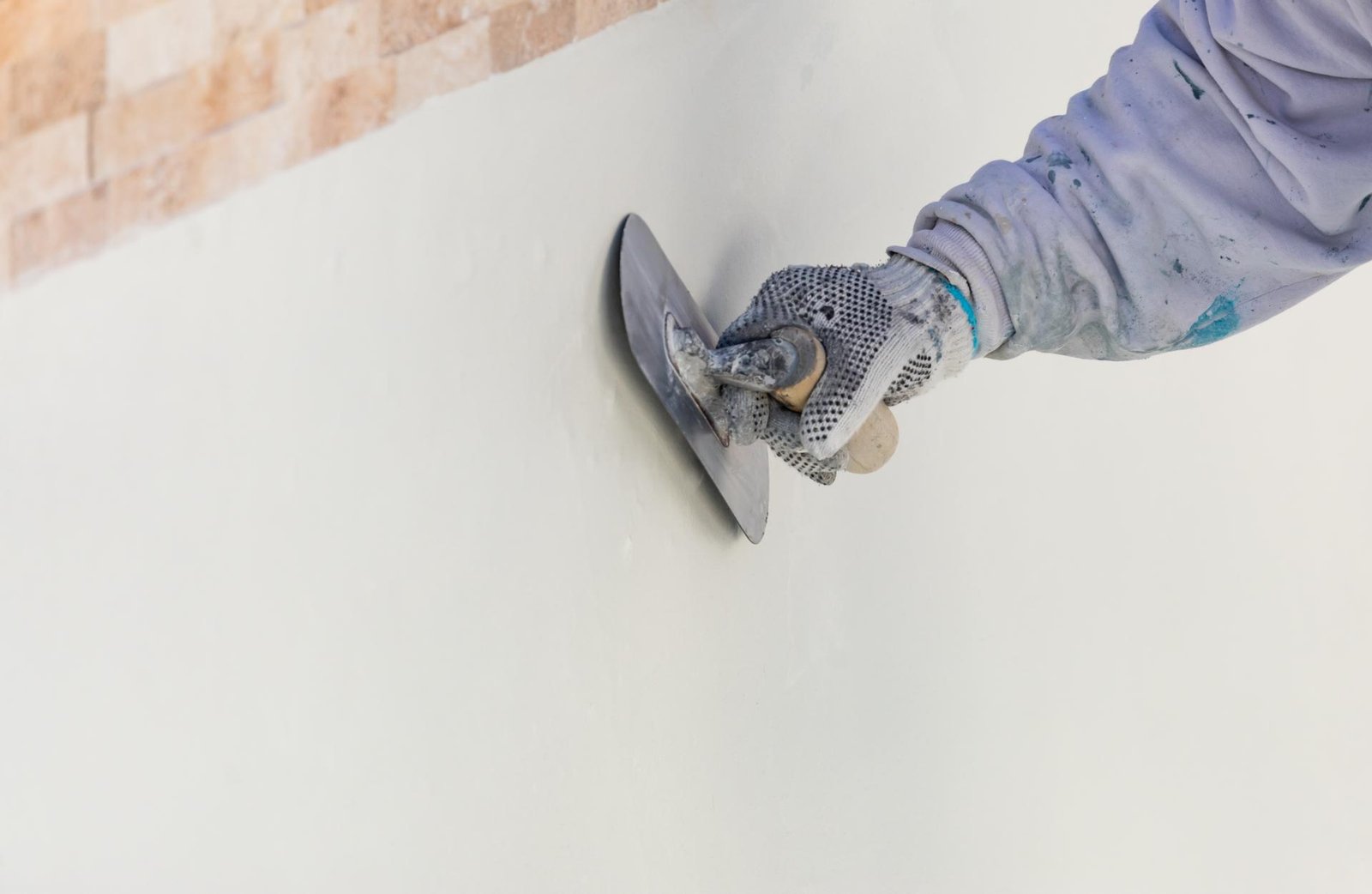 Plaster & Putty
What Is HEMC?
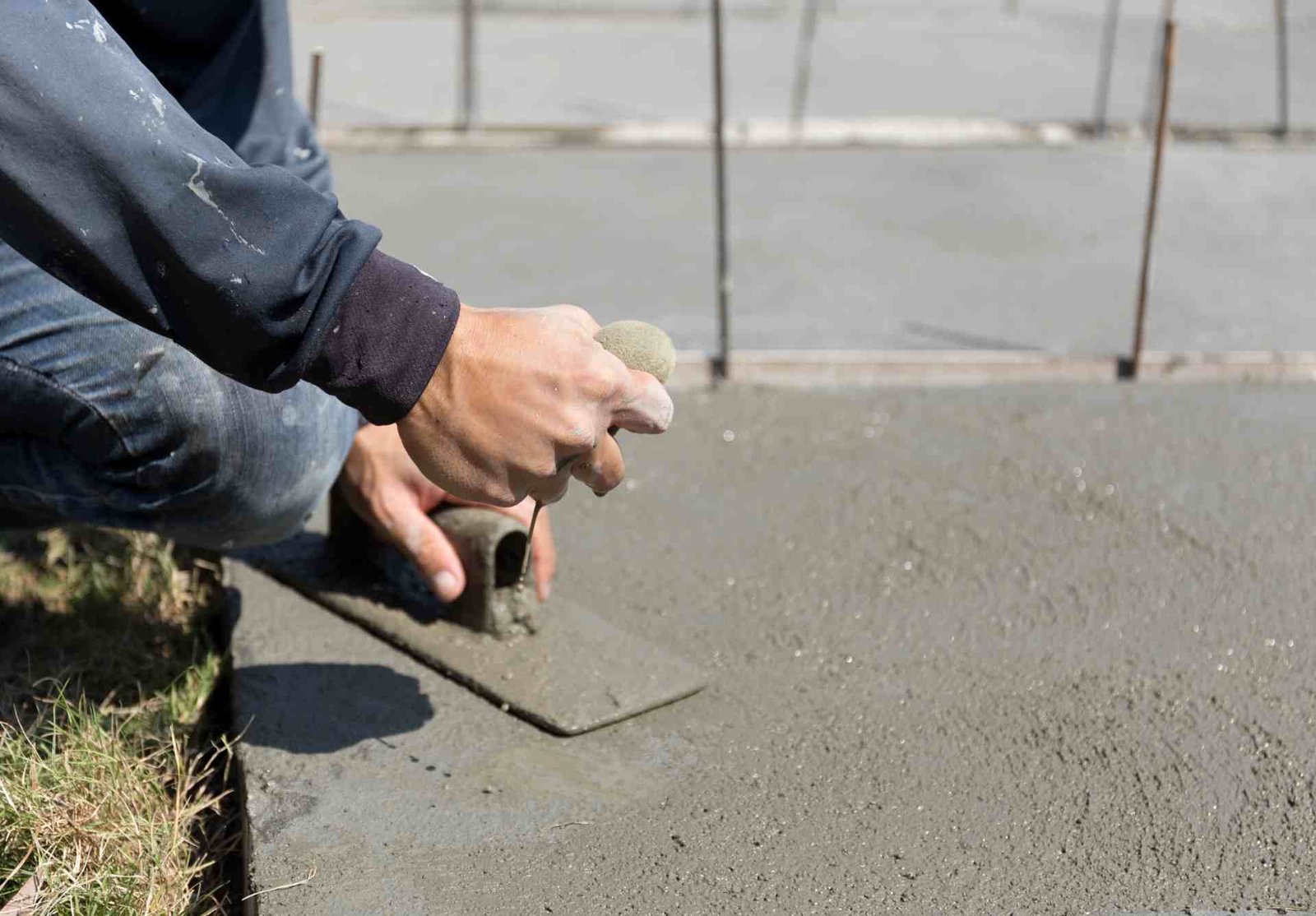 Construction Systems
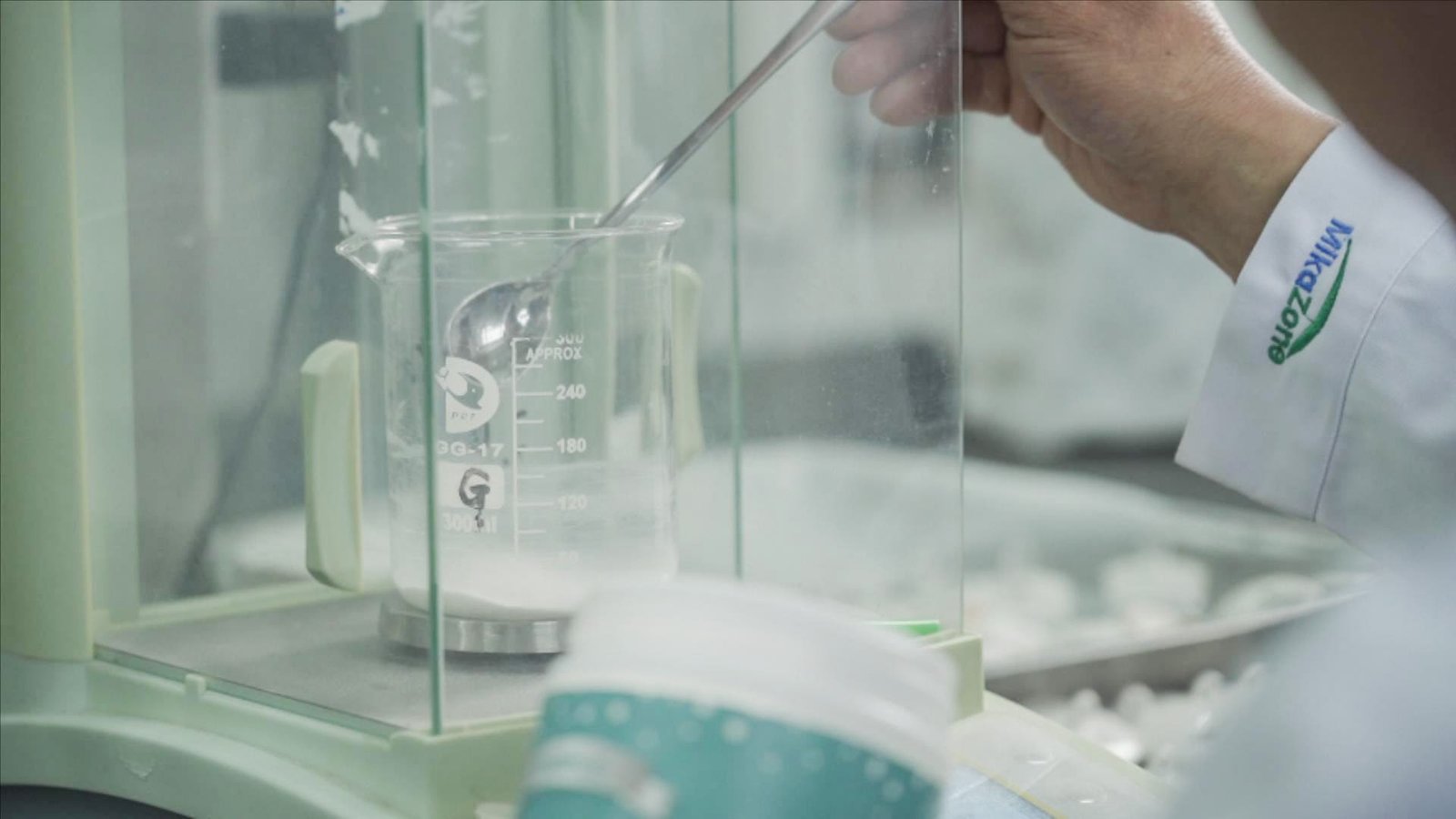 Lab Testing
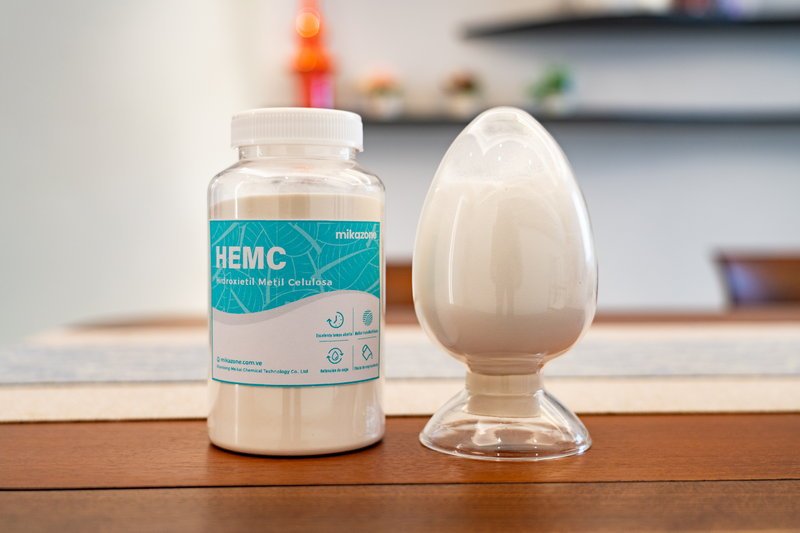 Application
Hydroxyethyl Methyl Cellulose, also referred to as HEMC or MHEC, is one of the core cellulose ether product families used in construction materials. MikaZone presents HEMC/MHEC as a widely used thickener in building applications and highlights its ability to improve cohesion, reduce segregation, and enhance construction performance.
In practical use, HEMC is selected when a formulation needs better water management, smoother application, and more stable behavior during mixing and placement. It is especially relevant in gypsum-based mortars, wall putty, tile adhesives, and plaster systems where consistency and water retention directly affect final application quality. MikaZone's grade pages for MK75E, MK100E, MK150E, and MK200E all position HEMC around these kinds of uses.
Why HEMC Is Important in
Construction Formulations
HEMC helps regulate how a system behaves from mixing to application. It contributes to both formulation stability and jobsite usability, especially in systems where smooth spreading, water retention, and cohesion are essential.
 Field Application
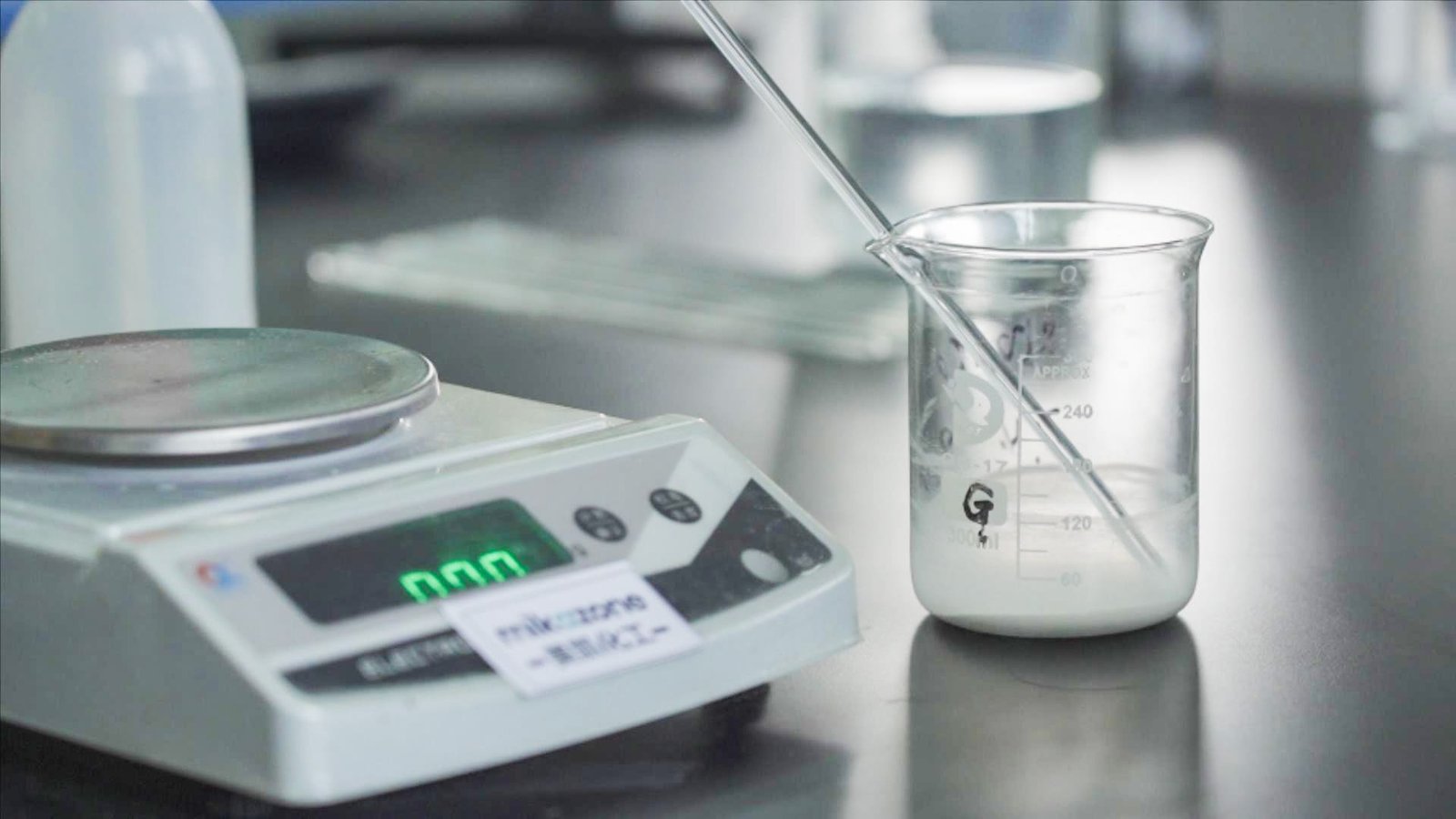 Lab Validation
Improved Water Retention
Supports more stable hydration in cement- and gypsum-based systems by helping retain moisture during application. MikaZone's HEMC overview and grade pages repeatedly mention enhanced water retention as a core benefit.
Better Workability
Improves application feel, troweling behavior, and consistency, especially in mortars and plasters. MikaZone explicitly states that MK75E, MK100E, and MK200ES impart good workability.
Enhanced Cohesion
Helps reduce segregation and improves the internal consistency of the mix. MikaZone's HEMC overview specifically highlights improved cohesion and prevention of segregation.
Stable Application Performance
Supports more reliable spreading, plastering, and mortar behavior under practical construction conditions. MikaZone's HEMC article also notes laboratory testing and field validation as part of its application support approach.
Compatibility With Building Material Systems
MikaZone states that MK200ES is compatible with a wide range of building materials, reinforcing HEMC's role as a formulation-friendly cellulose ether.
Typical Applications of HEMC
Select an application to see how HEMC contributes to formulation performance across key construction material systems.
 01
01
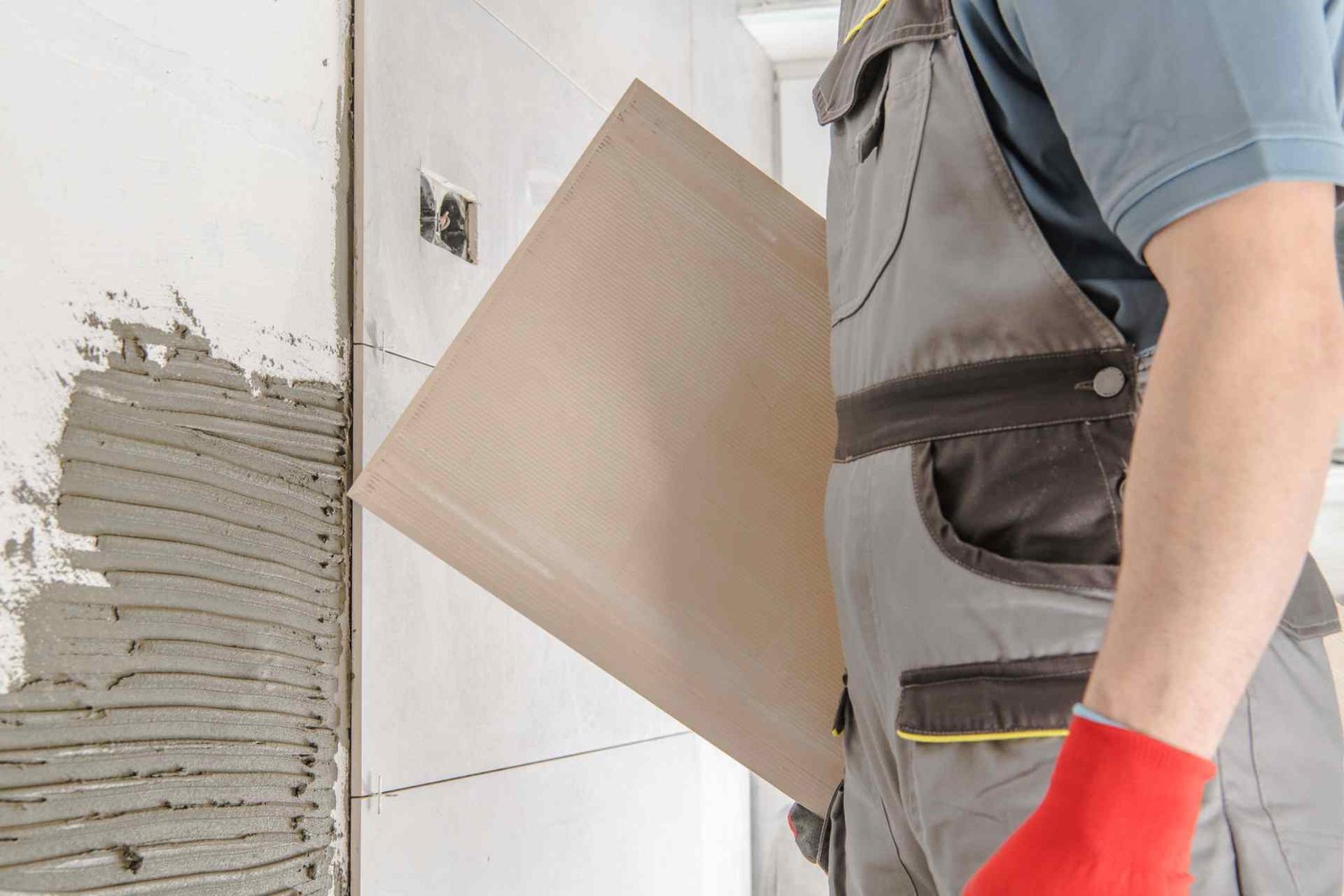
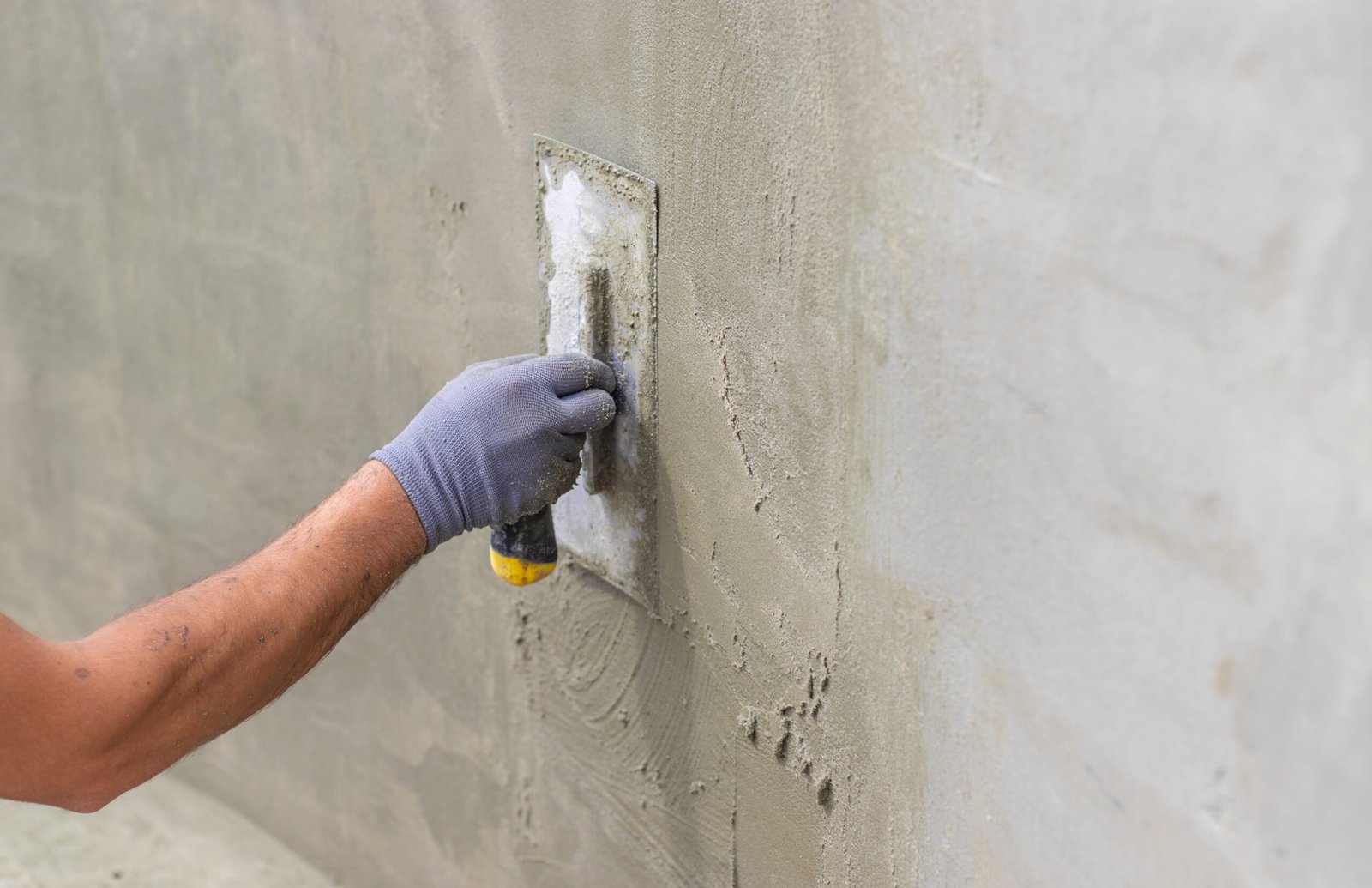
Tile Adhesives
MikaZone's MK200E page states that this HEMC grade is designed for use in cement-based mortars, especially tile adhesives. In these systems, HEMC helps improve water retention, cohesion, and application stability.
 02
02
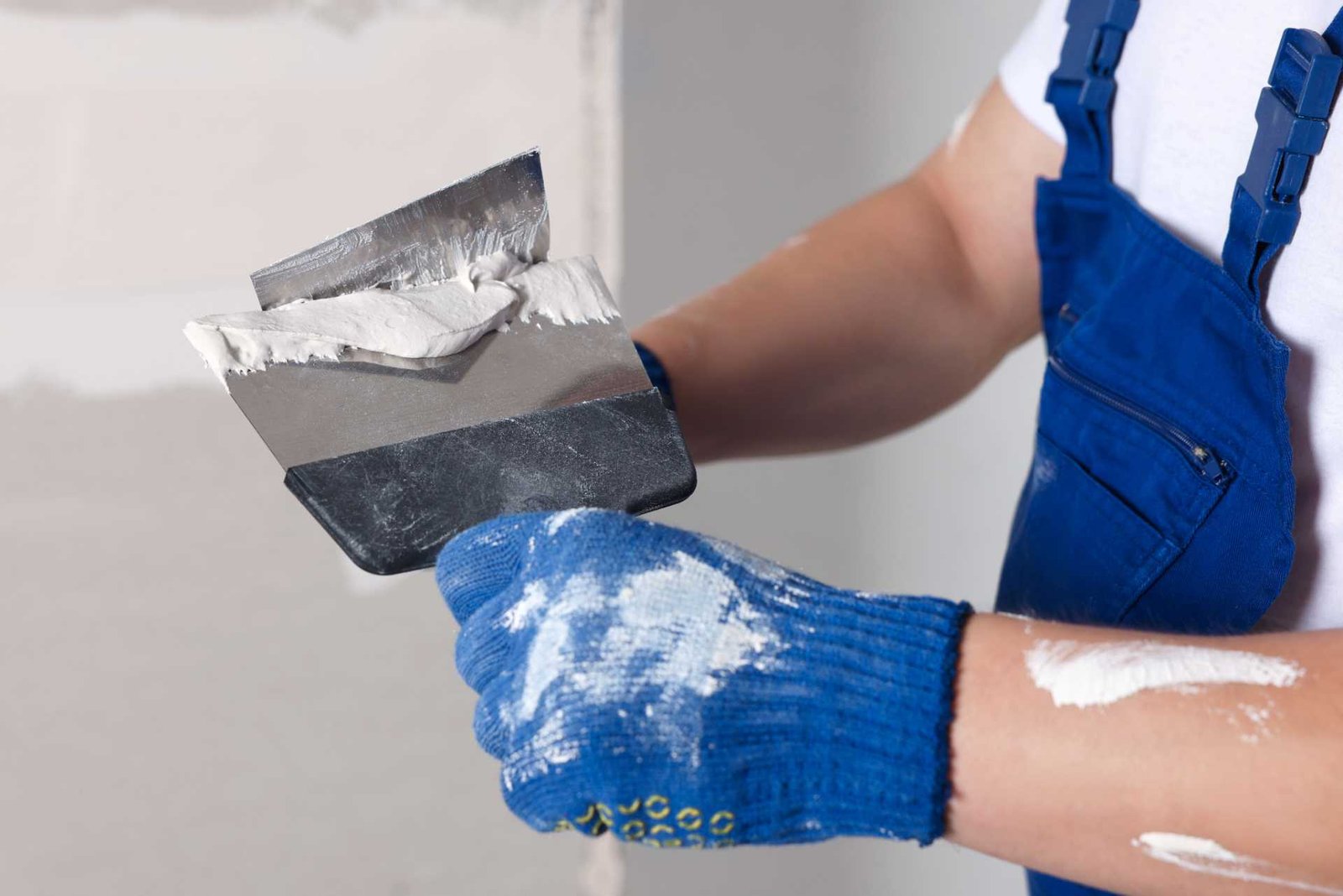
Wall Putty
MikaZone's MK75E and MK100E pages position these grades for gypsum-based mortars, especially wall putty. This makes HEMC suitable where smooth spreading, good workability, and water retention are essential for finishing quality.
 03
03
Gypsum-Based Mortars
MikaZone publicly associates MK75E, MK100E, and MK150E with gypsum-based mortars. These grades are suitable where stable consistency and controlled water behavior are important.
 04
04
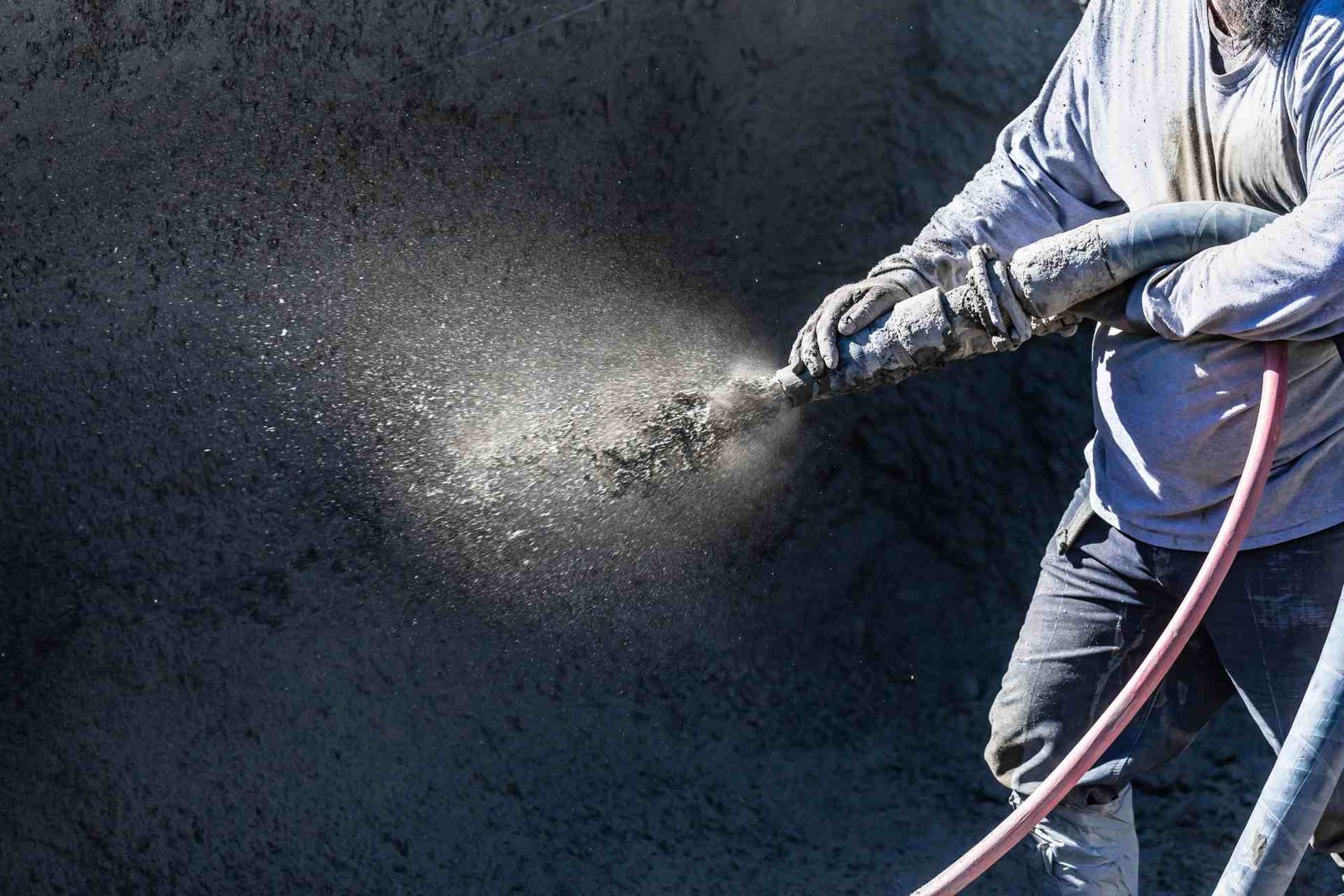
Machine Spray
Plasters
MikaZone's MK100ES and MK200ES pages describe delayed-dissolution modified HEMC grades for gypsum-based mortars, especially machine spray plasters. These are relevant for systems requiring direct liquid mixing and controlled dissolution behavior.
 05
05
General Cement &
Gypsum Mortars
MikaZone's MK150E page states it is designed for use in cement- and gypsum-based mortars, indicating broader use beyond a single application category.
Why Choose
MikaZone HEMC
MikaZone lists HEMC/MHEC alongside HPMC and HEC as one of its main cellulose ether product families, with multiple grades for different applications and viscosity needs.
Its public materials describe advanced manufacturing, consistent quality, technical expertise, and global supply support—with recent technical content emphasizing stable viscosity, uniform substitution, and laboratory plus field validation for HEMC solutions.
and modified (ES) product lines
validation for HEMC solutions
+ local support in Venezuela
Multiple grades covering gypsum- and cement-based systems—from standard grades (E) to delayed-dissolution modified grades (ES) for machine spray applications.
Publicly documented grade-to-application mapping for wall putty, tile adhesives, gypsum mortars, and machine spray plasters—not just generic product listings.
Manufacturer-backed product family combined with local recommendation, supply coordination, and technical support available in Venezuela through Mandalas.
MikaZone's factory base page shows dedicated warehousing for HEMC and related additive products, supporting supply reliability and inventory management.
Technical
Specifications
MikaZone's HEMC grade pages share a common parameter framework, with viscosity varying by model. Reference values below are based on MK200ES—the grade with the most complete publicly available parameter table across the HEMC family.

Quality Assurance Testing
Viscosity, moisture & pH verified
per batch — lab + field validated
HPMC: 60–70°C
Typical Viscosity
Reference by Grade
Viscosity is a key guide in HEMC selection, but it should always be matched with the target application, system structure, and processing method—especially when choosing between standard E and modified ES grades.
Use grade positioning plus viscosity reference together. For final selection, confirm by application, target performance, and trial feedback. Pay particular attention to whether your system uses dry mixing (E grades) or direct liquid mixing (ES grades)—this is a critical processing distinction.
Available HEMC Grades
Select a grade to view its application guidance and technical reference. Final selection should be confirmed by application type, required rheology, dissolution behavior, and working process.
Selection should be based on application type, required rheology, dissolution behavior, and working process. Request a TDS or speak with a technical representative before finalizing a grade.
ES grades are specifically linked to gypsum-based mortars and machine spray plasters—not generic premix use. Confirm dissolution behavior compatibility with your mixing process before specifying.
Packaging & Storage
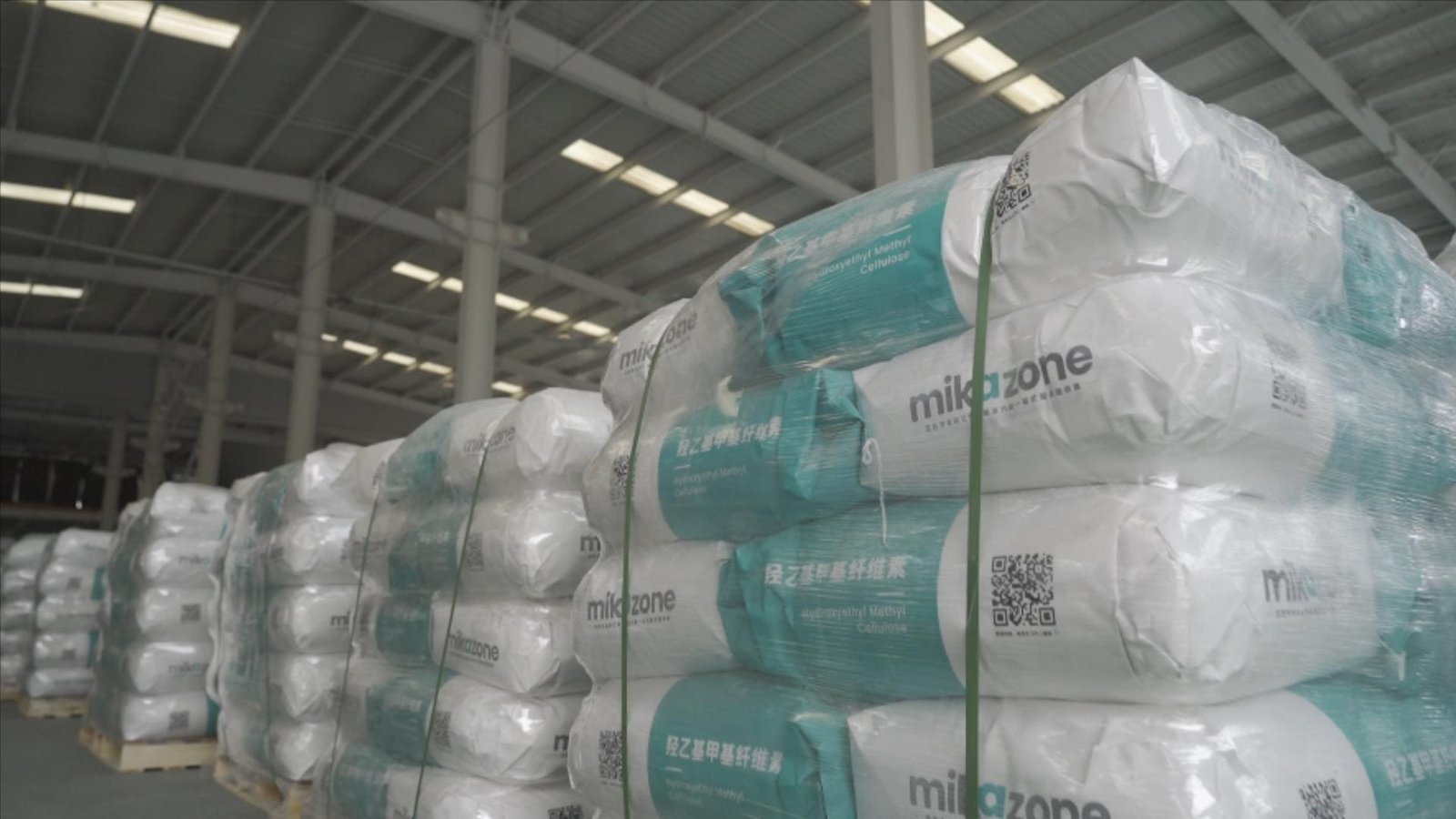
Palletized · Dedicated HEMC warehousing
How We Help You Choose
the Right HEMC
At Mandalas, we help customers select HEMC based on multiple factors to match grade performance with real formulation requirements.
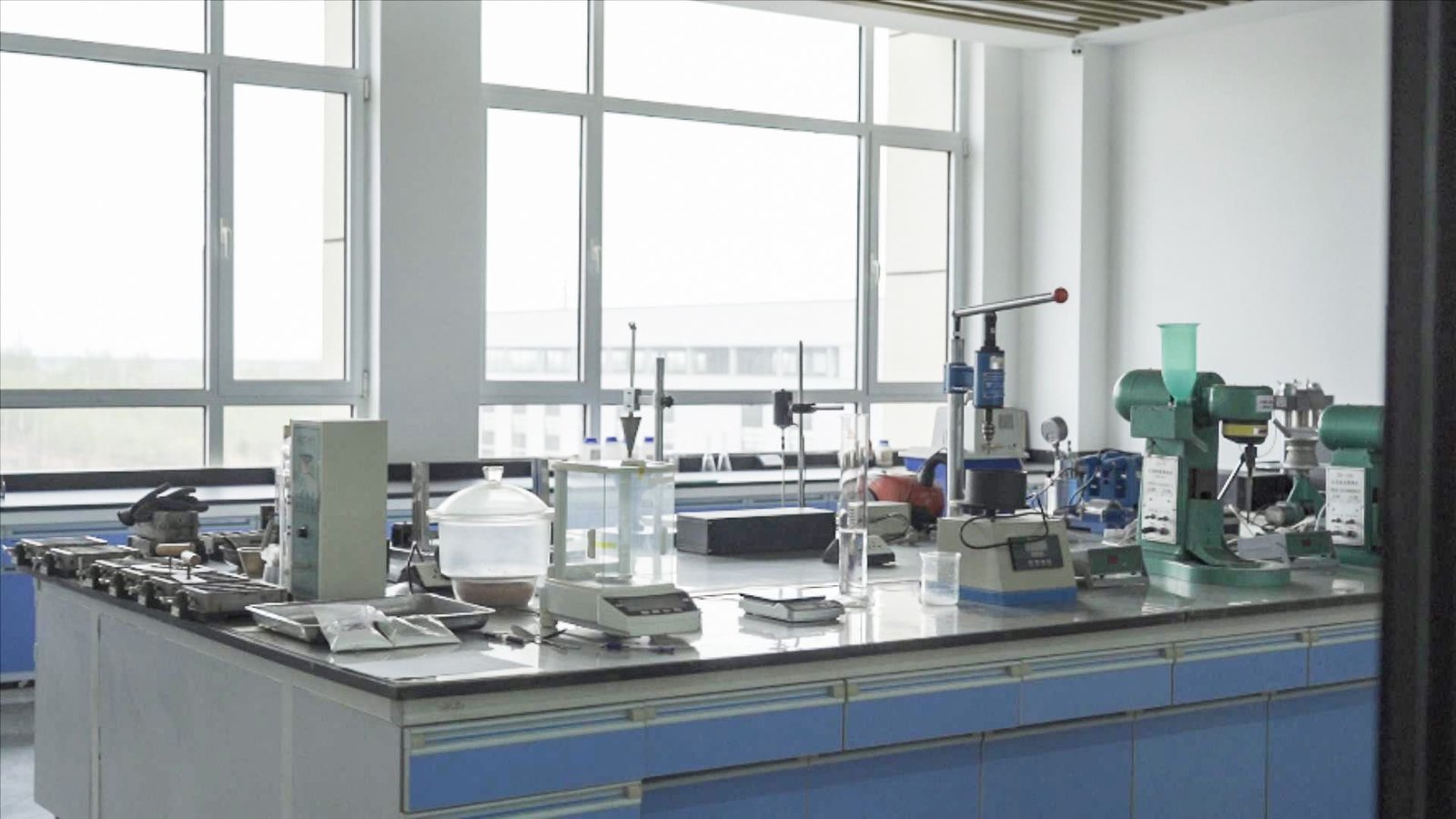 Lab Analysis
 Field Validation
HEMC FAQ
What is HEMC mainly used for in construction?
HEMC is mainly used to improve water retention, workability, cohesion, and application consistency in systems such as tile adhesives, wall putty, gypsum mortars, and machine spray plasters.
Is HEMC the same as HPMC?
They are related cellulose ether families, but they are not identical. MikaZone lists HPMC and HEMC/MHEC as separate core product families, each with its own grades and application positioning.
Can you recommend a dosage range?
Yes. Dosage depends on application, binder system, fillers, process, and target performance. We can recommend a practical starting window based on your formula.
Are there delayed-dissolution HEMC grades?
Yes. MikaZone publicly identifies MK100ES and MK200ES as modified HEMC grades for gypsum-based mortars, with delayed dissolution behavior.
Do you provide documents?
Yes. TDS/SDS support can be provided when required. Contact our technical team to request documentation for any specific HEMC grade.

Need the right HEMC grade
for your formulation?
Tell us your application, raw materials, and target performance. We'll recommend a suitable HEMC grade, viscosity direction, and starting dosage logic to help you begin trials faster.