
Polypropylene Fiber
PP Fiber — Crack-Control Reinforcement for Dry-Mix Systems
High-performance polypropylene fiber for cementitious and dry-mix systems that require improved crack control, better toughness, and more reliable long-term dimensional stability.
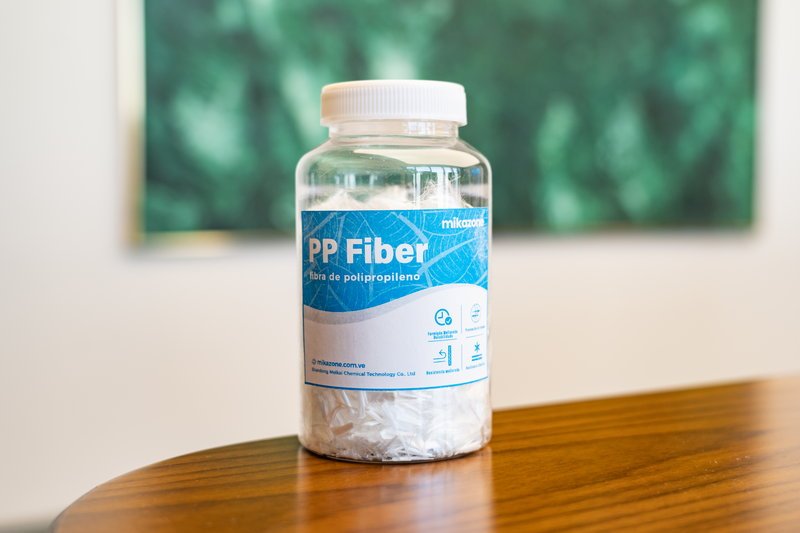
What Is PP Fiber?
Polypropylene Fiber, often called PP Fiber, is a synthetic reinforcement additive used in cementitious and dry-mix systems to improve crack resistance, toughness, and dimensional stability. Instead of changing the system through viscosity or water retention alone, PP fiber works as a physical reinforcement network distributed throughout the mix.
In practical use, PP fiber is introduced to help reduce internal stress concentration during drying and curing. This makes it especially valuable in systems where plastic shrinkage cracking, brittleness, or movement-related stress can damage the final result. MikaZone's technical content describes polypropylene fibers as a three-dimensional reinforcement additive that improves crack resistance, dimensional stability, and long-term durability in flexible tile adhesive systems.
Why PP Fiber Matters in Construction Formulations
In cementitious materials, cracking often begins at the early stage of drying, curing, or movement. PP fiber helps disperse stress throughout the system and reduces the chance of visible cracking and brittle failure.
Crack Control
PP fiber helps reduce plastic shrinkage cracks by distributing internal stress and limiting crack formation during early curing. MikaZone explicitly describes this as one of the main benefits of polypropylene fiber in flexible tile adhesive systems.
Improved Toughness
PP fiber improves the toughness of the mix and helps the system better withstand stress, impact, and minor deformation. MikaZone states that polypropylene fiber can improve post-cracking ductility and overall cohesion.
Better Dimensional Stability
By reducing stress concentration and shrinkage-related movement, PP fiber helps the formulation maintain more stable dimensions during curing and service. MikaZone highlights dimensional stability as a core benefit.
Enhanced Durability
PP fiber helps improve long-term system durability by reducing crack pathways and supporting better integrity under thermal cycling and environmental stress. MikaZone notes improved long-term durability and reduced delamination risk in flexible tile adhesive systems.
Alkali Resistance
MikaZone states that polypropylene fibers resist alkali degradation in high-pH cementitious environments, which is important for long-term reinforcement performance.
Typical Applications of PP Fiber
 01
01
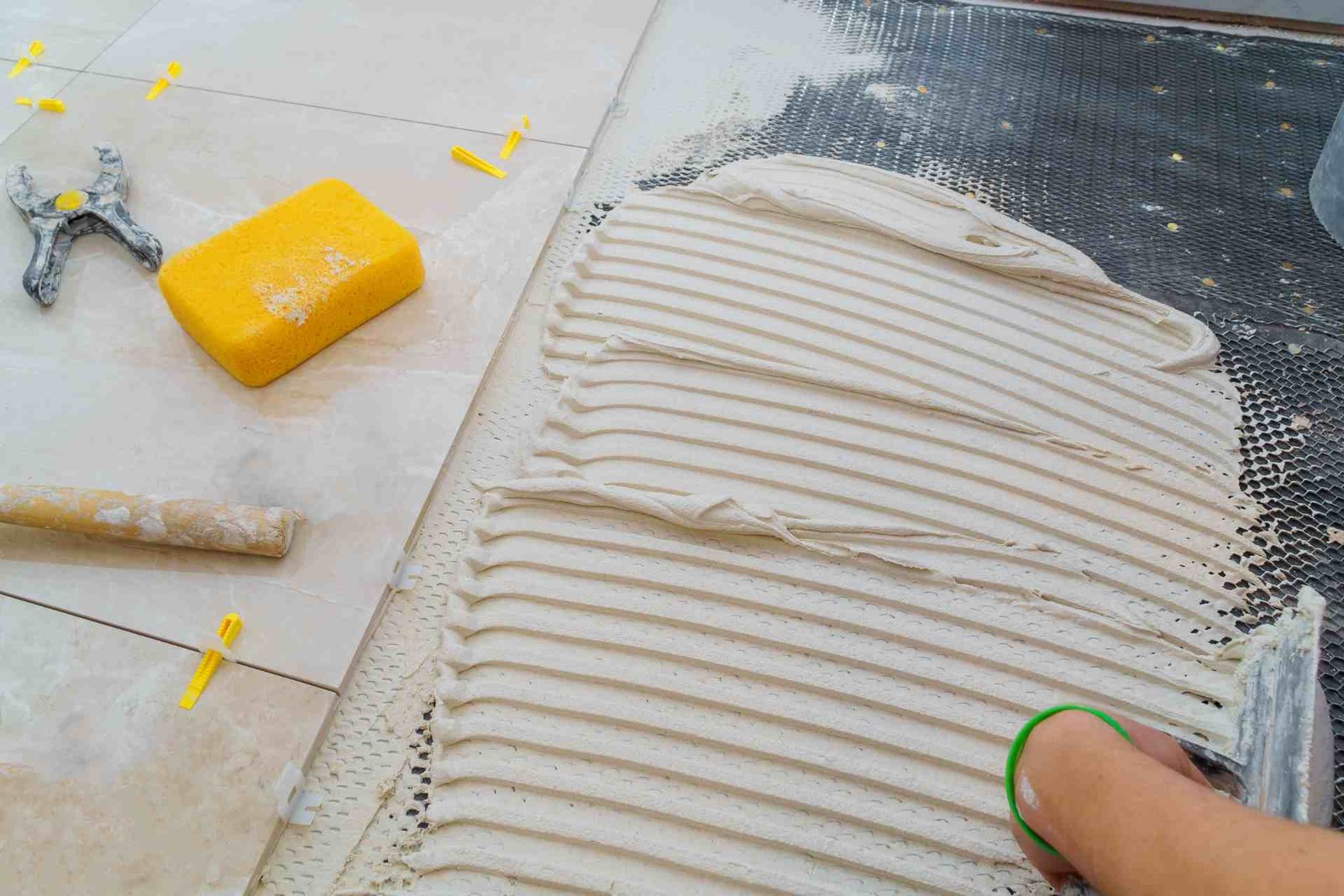
Flexible Tile Adhesives
MikaZone's technical article on flexible tile adhesive formulas specifically includes polypropylene fiber as one of the core ingredients. In this context, PP fiber is used to improve crack resistance, dimensional stability, and impact performance.
 02
02
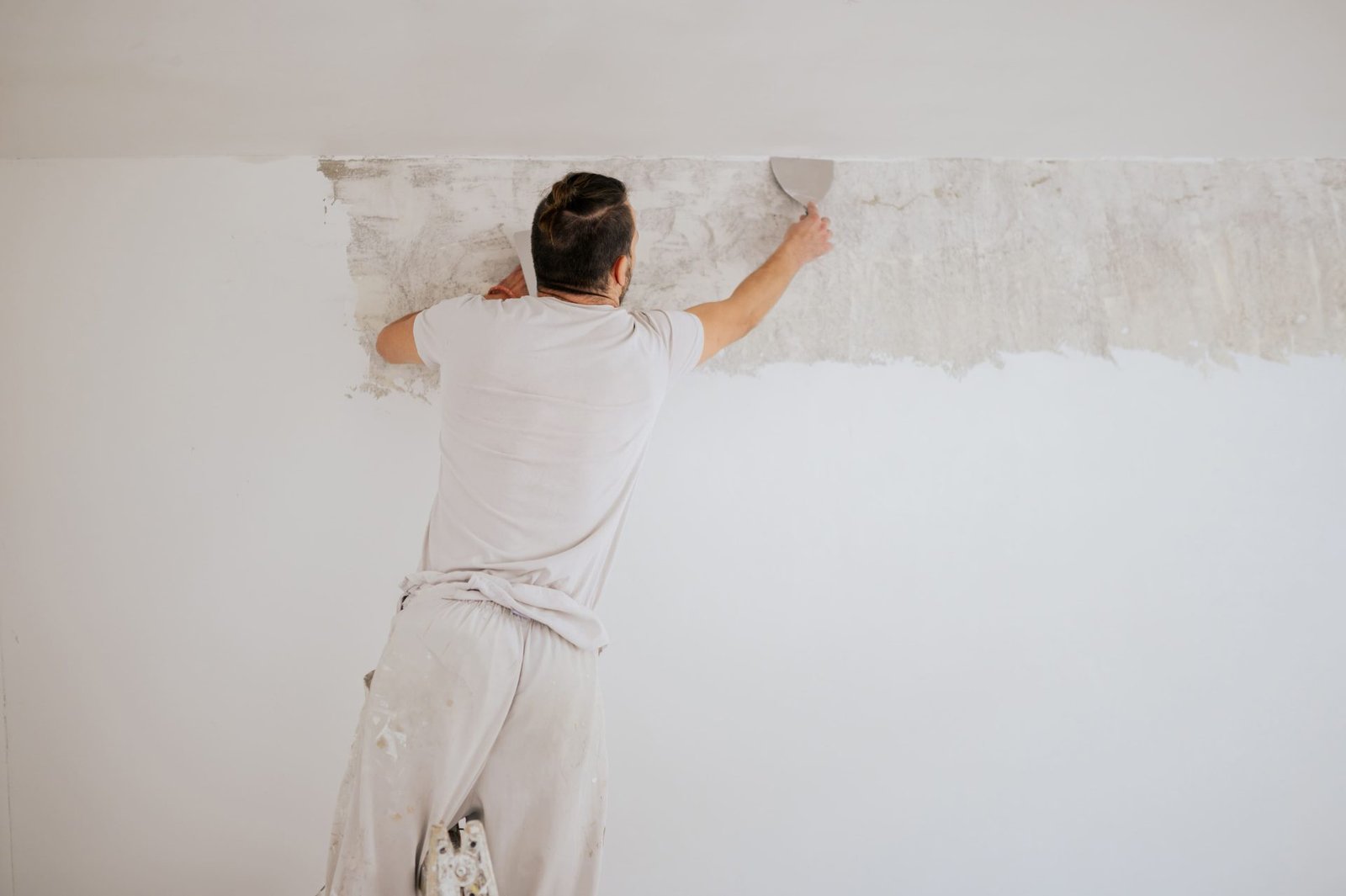
Exterior Wall Putty
MikaZone's wall putty article states that exterior wall putty requires polypropylene fiber for crack resistance under UV exposure, rain, and temperature fluctuations.
 03
03
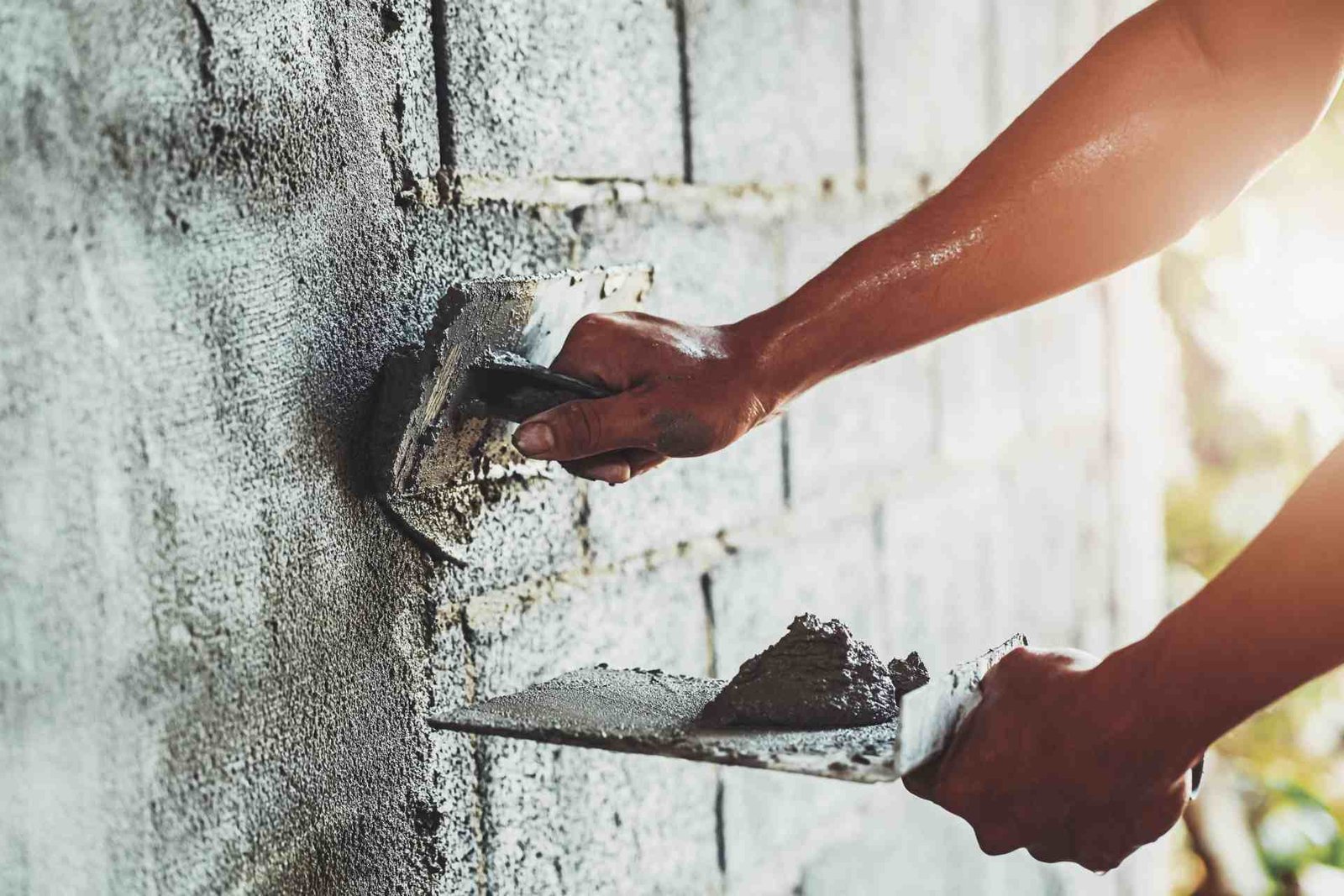
Dry-Mix Mortars
MikaZone's dry-mix mortar article lists polypropylene fibers as anti-crack agents used at typical dosages of 0.05%–0.2% for plastic shrinkage crack control.
 04
04
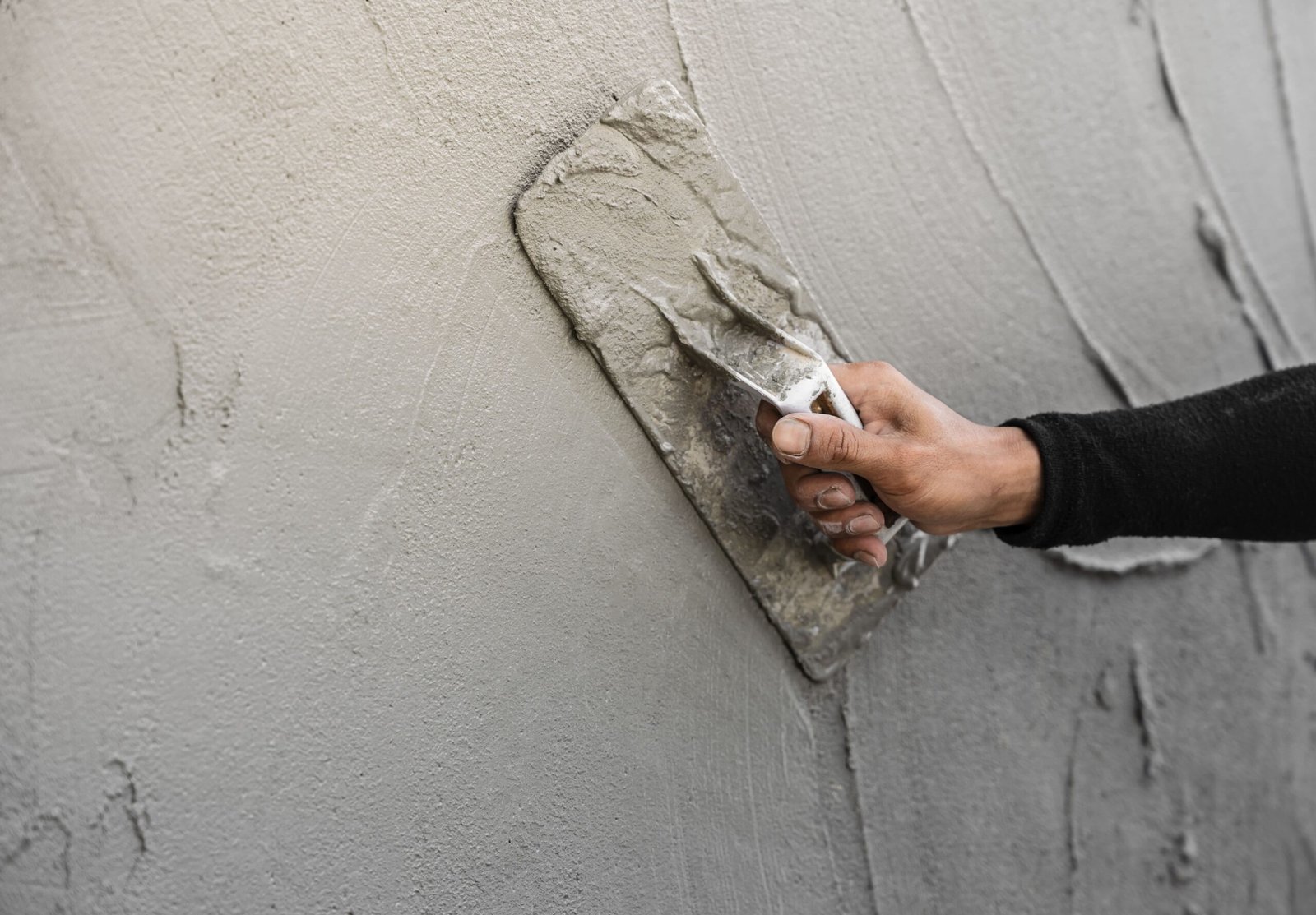
Repair Mortars & Reinforced Cementitious Mixes
PP fiber is suitable in repair and reinforced mortar systems where additional crack control and toughness are needed. This use is consistent with MikaZone's broader positioning of concrete reinforcing fibers within its construction additive portfolio.
 05
05
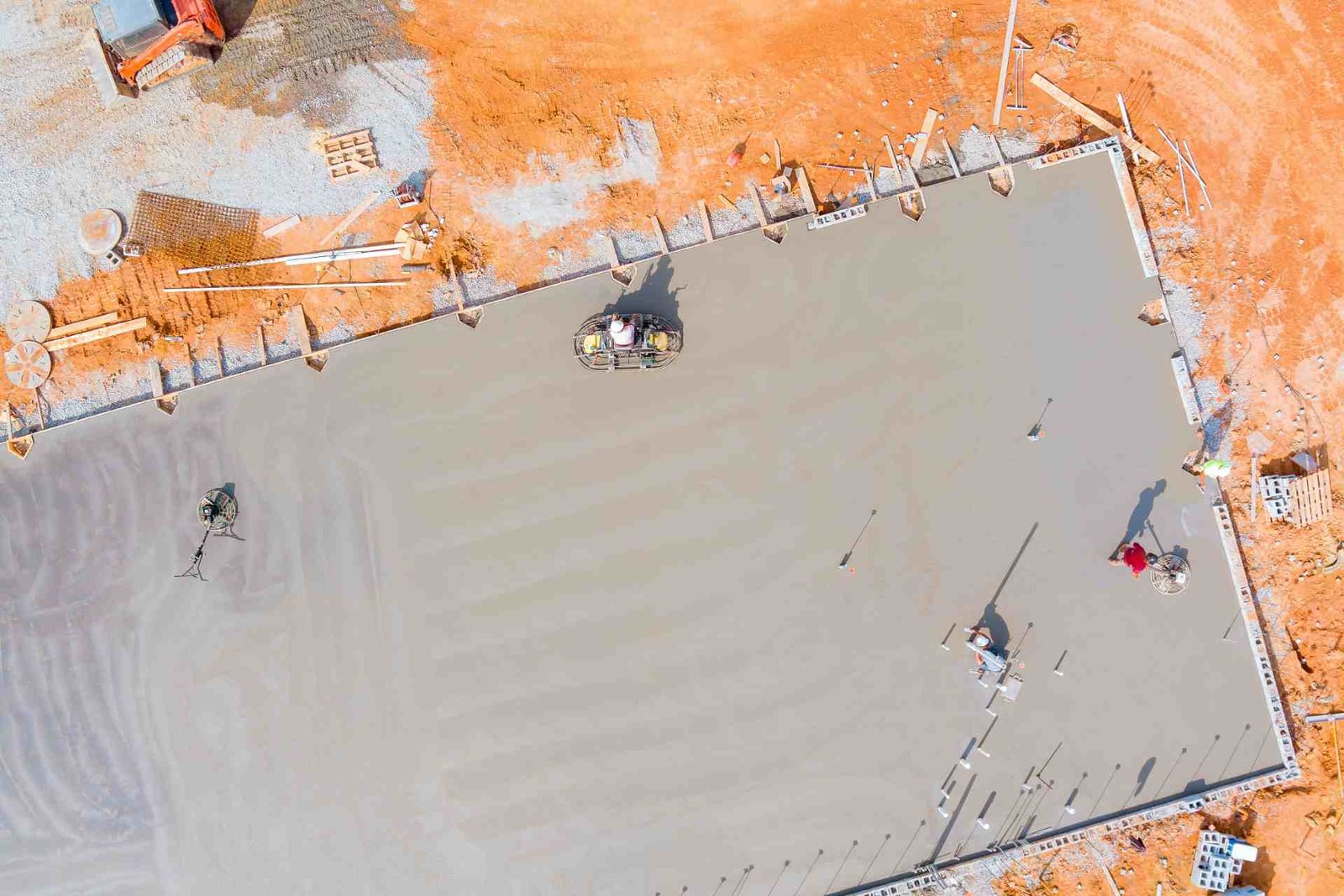
General Cementitious Systems
Whenever the formulation needs improved crack control, reduced brittleness, and better integrity during curing, PP fiber can be considered as part of the additive package.
Why Choose MikaZone Polypropylene Fiber
MikaZone publicly lists concrete reinforcing fibers among its construction additive offerings. This places PP fiber within a broader reinforcement-oriented product system alongside cellulose ethers, RDP powders, and calcium formate.
Its technical articles also connect polypropylene fiber directly with performance improvements in real applications such as flexible tile adhesive, dry-mix mortar, and exterior wall putty.
Publicly positioned as part of MikaZone's reinforcing additive offering.
Clear application relevance in dry-mix mortar, flexible tile adhesive, and exterior wall putty.
Helps improve crack resistance, toughness, and dimensional stability in cementitious systems.
Local recommendation and support available through Mandalas.
Key Technical Characteristics
MikaZone's indexed pages do not expose a full technical table for PP fiber in the search snippet, but they do clearly describe the function and practical selection logic of polypropylene fiber in cementitious systems.
Typical Dosage Guidance
The correct dosage depends on the application, fiber length, raw materials, and target reinforcement level.
Polypropylene fibers listed as anti-crack agents at this typical dosage range in MikaZone's dry-mix mortar article, by weight of the total dry mix.
Use lower dosage when the goal is light crack control and process stability.
Use higher dosage when stronger crack resistance or reinforcement effect is needed.
Final dosage should be confirmed through formulation trials, especially in tile adhesive, wall putty, and reinforced mortar systems.

Available PP Fiber Options
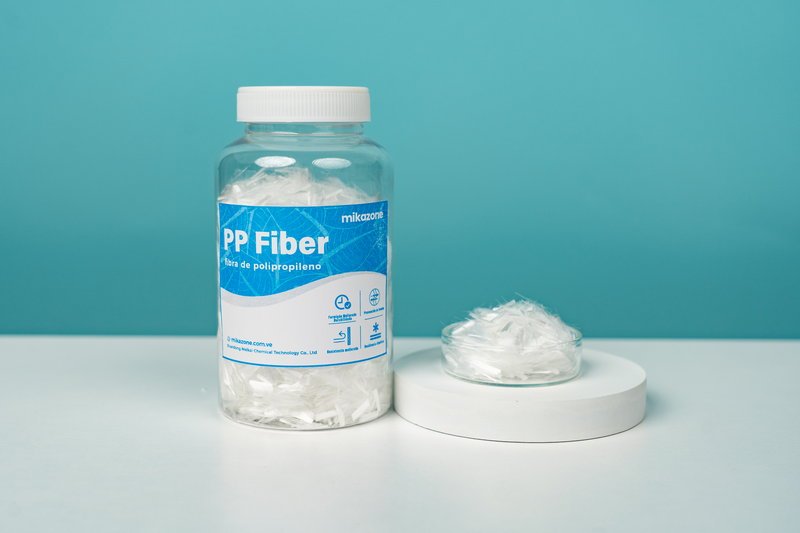
PP Monofilament Fiber
Length: 3–18 mm. The primary fiber type for dry-mix mortar, tile adhesive, and wall putty applications where crack control and toughness are key objectives.
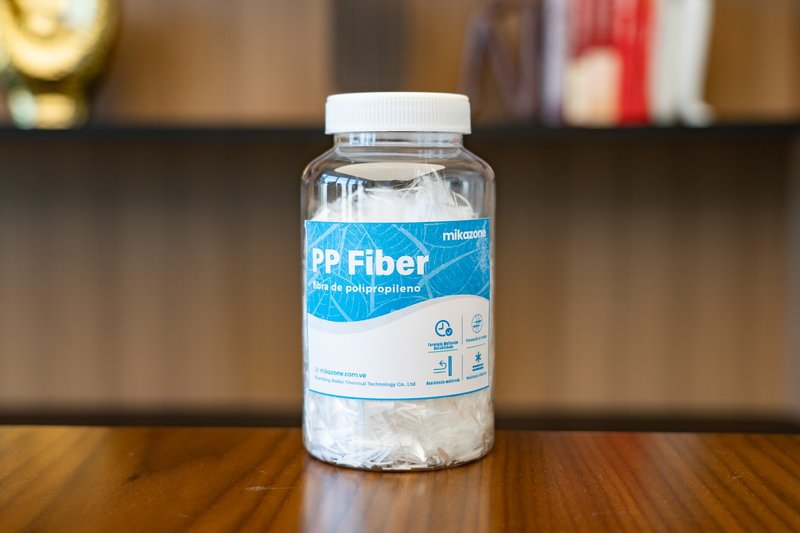
Micro Reinforcement Fiber
Fine-denier polypropylene fiber for systems requiring subtle reinforcement and improved surface crack resistance without affecting workability.
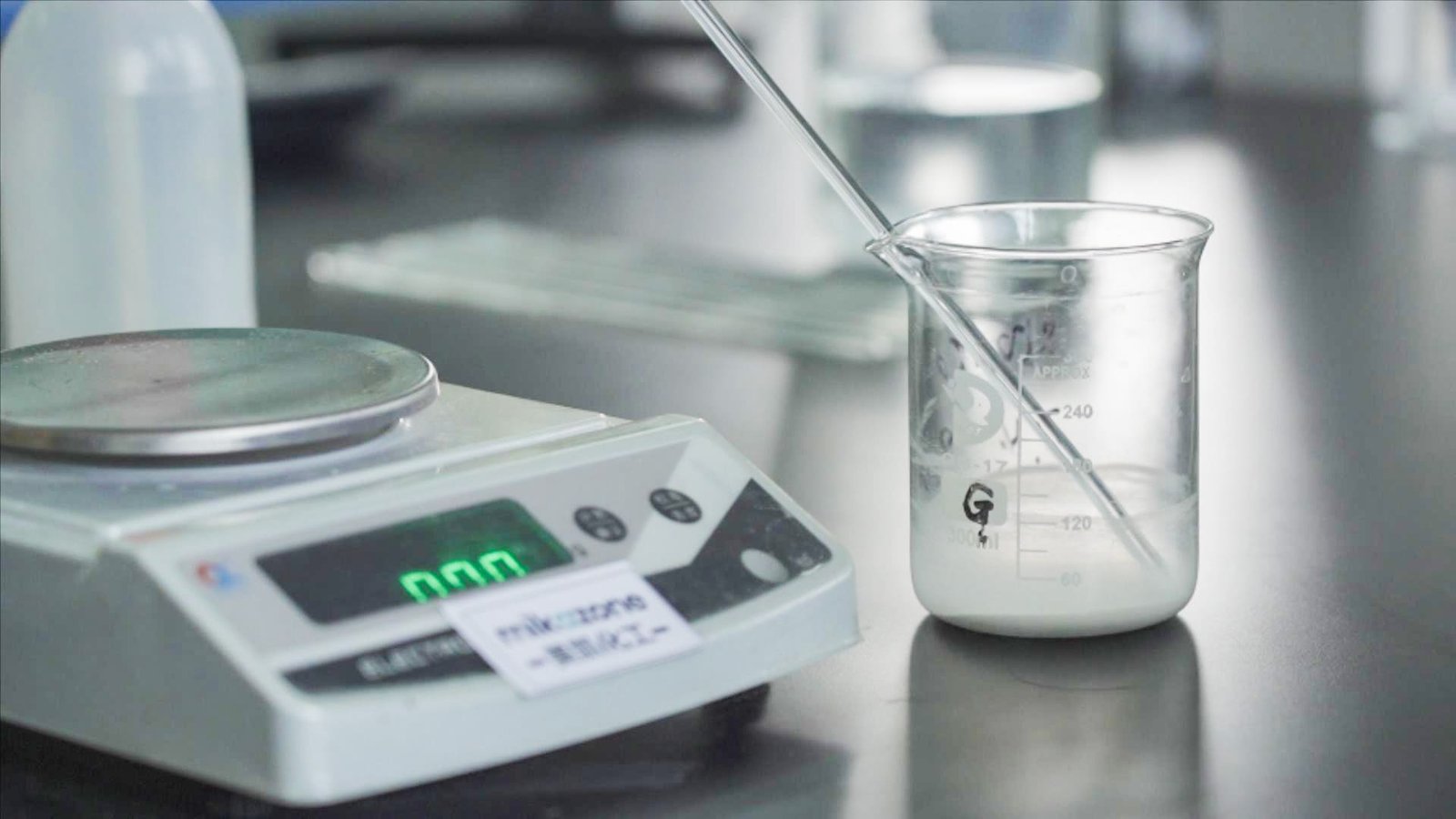
Construction Reinforcement Solutions
Other reinforcement options available upon request. Contact our team to discuss specific length, denier, and performance requirements.
Packaging & Storage
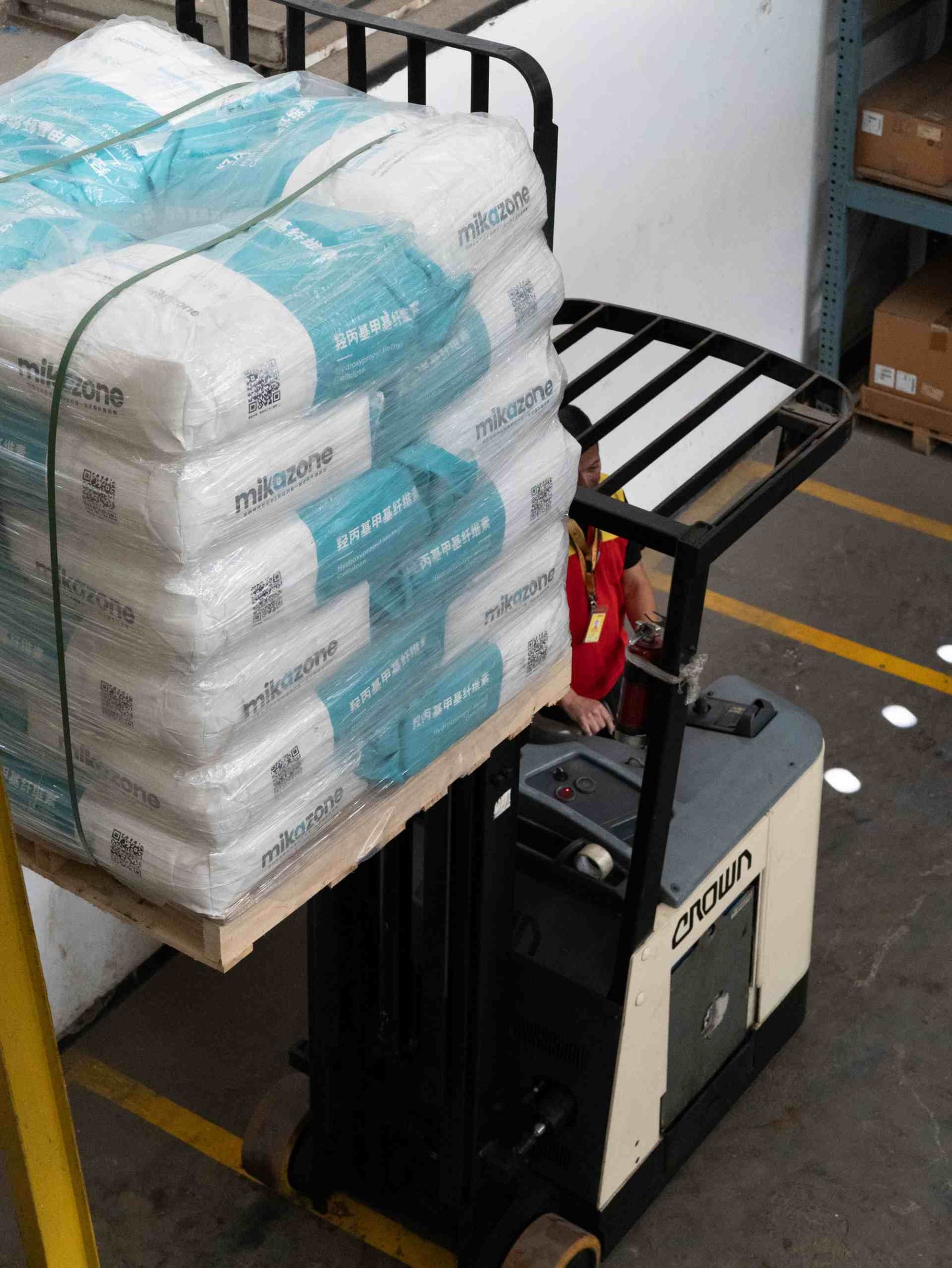
For final publication, use your actual bag weight and packing format from your internal fiber specification or warehouse standard.
Store in a dry, clean, ventilated area
Protect from direct sunlight and moisture
Keep packaging sealed until use
Avoid contamination with dust or other loose materials
Application-Based Selection Support
At Mandalas, we help customers select PP fiber based on application, crack-control target, system type, fiber length requirement, raw material structure, and trial feedback.
We Help You Choose Based On
Use for crack resistance, dimensional stability, and impact toughness.
Use when greater crack resistance is needed in outdoor exposure conditions.
Use for plastic shrinkage crack control and reinforcement in cementitious systems.
PP Fiber FAQ
PP fiber is mainly used for crack control, toughness improvement, and dimensional stability in tile adhesives, wall putty, dry-mix mortar, and other cementitious systems.
No. PP fiber provides physical reinforcement, while cellulose ether mainly controls water retention and workability, and RDP improves adhesion and flexibility. MikaZone presents these additives as complementary rather than interchangeable.
MikaZone's dry-mix mortar article gives a typical dosage range of 0.05%–0.2% of total dry mix, but the final level depends on the target reinforcement effect and formulation structure.
Yes. MikaZone specifically notes polypropylene fiber in exterior wall putty for added crack resistance under outdoor exposure conditions.
Yes. TDS/SDS support can be provided when required.
Need the right PP fiber for your formulation?
Tell us your application, target crack-control level, and system details. We'll recommend a suitable PP fiber option and starting dosage direction to help you begin trials faster.