
Texture Coatings
Solutions
Performance-focused additive solutions for texture coatings that require stable viscosity, smooth application, controlled sag resistance, good water retention, and reliable surface appearance in water-based coating systems. MikaZone’s public HEC materials position HEC specifically for water-based coatings and paints, while its paints-and-coatings page frames HEC as a thickener, stabilizer, and binder in those systems.
Built for Stable Rheology, Easy Application, and Uniform Decorative Finish
A good texture coating must do more than look decorative. It needs to build the right viscosity, stay stable in the bucket, spread or spray consistently, resist sagging on the wall, and dry into a uniform textured surface without severe shrinkage, uneven brushing, or obvious application marks.
In practical formulation work, texture coatings are highly dependent on rheology control. If viscosity is too low, the coating may sag or lose pattern definition. If it is too high, application becomes heavy and difficult, and the final decorative effect can become uneven. MikaZone’s public HEC pages position HEC exactly in this role, stating that MK30HE, MK60HE, and MK100HE are designed for water-based coatings and paints and function as effective thickeners that enhance viscosity and stability.
MikaZone’s broader HEC and paints-and-coatings pages also make clear that HEC supports water retention, stable coating behavior, and crack-free film formation on dry or highly absorbent substrates, which is directly relevant to textured decorative coatings.
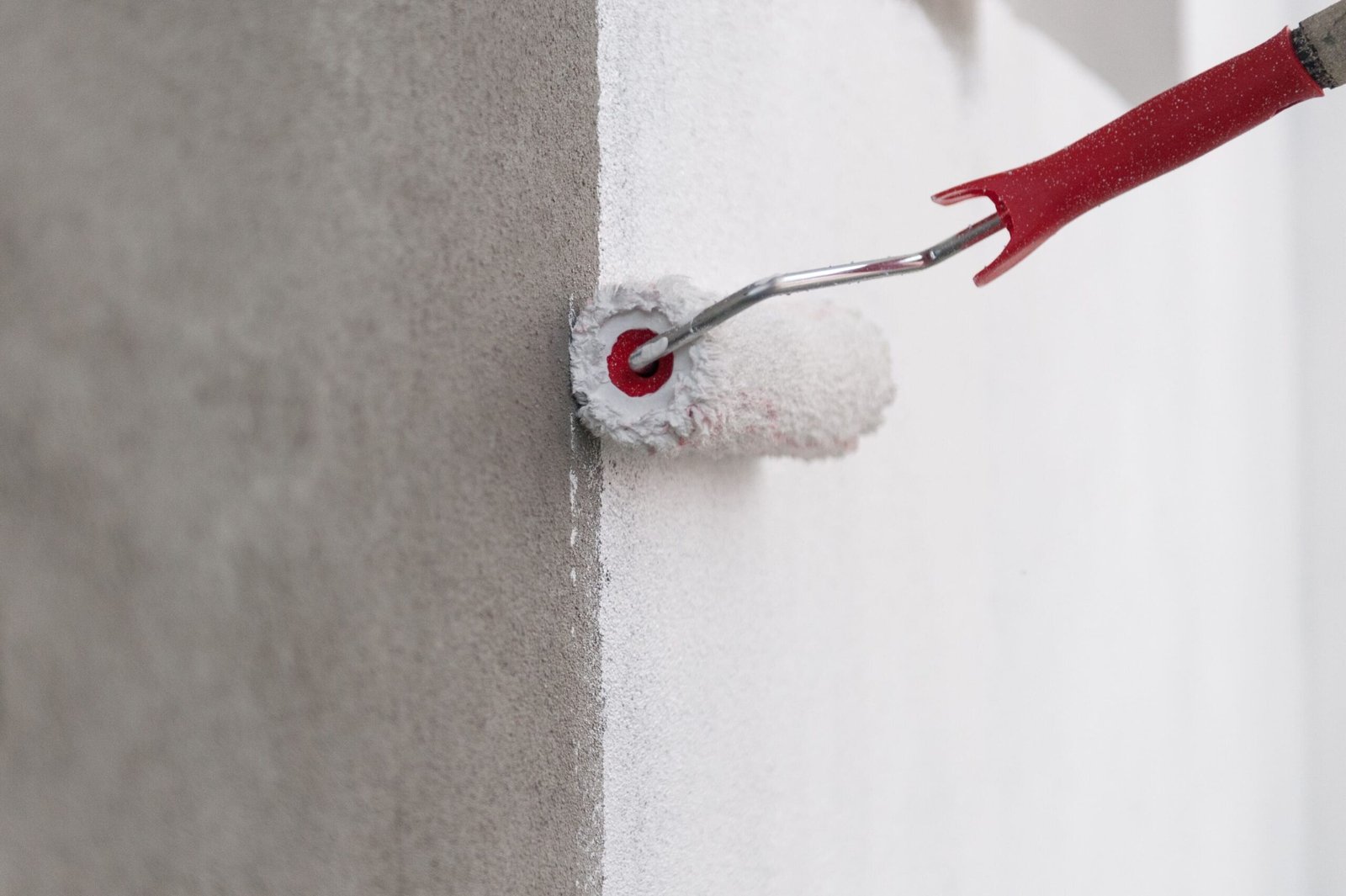
Texture coating performance in real application
Application feel, sag control, and final decorative surface quality all depend on balanced rheology.
What a Texture Coating Formula Must Deliver
The performance of a texture coating depends on more than one property. Viscosity, water retention, application feel, sag resistance, storage stability, film formation, and foam control all influence the quality of the final decorative finish.

Stable Viscosity
Texture coatings need enough body to hold pattern and texture without collapse. MikaZone’s HEC product pages explicitly present HEC as the thickener used to enhance viscosity and stability in water-based coatings.
Good Water Retention
High water retention helps the coating form a more uniform film and reduces premature drying on absorbent substrates. MikaZone’s HEC supplier page directly states that HEC provides high water retention for water-based coatings and helps ensure a uniform, crack-free film even on dry or highly absorbent substrates.
Smooth Application and Pattern Consistency
A texture coating should brush, roll, spray, or trowel smoothly while maintaining decorative texture. MikaZone’s paints-and-coatings page and HEC product pages position HEC as a rheology modifier and thickener for exactly these water-based coating behaviors.
Sag Resistance
If rheology is poorly controlled, coatings may sag or show uneven brushing. MikaZone’s cellulose testing article explicitly notes that poor HEC enzyme resistance can lead to viscosity loss, rheology problems, sagging, and uneven coating performance. That makes HEC grade stability highly relevant to texture-coating quality.
Stable Storage and Bucket Consistency
Texture coatings need stable thickening behavior over time. MikaZone’s HEC pages position the HEC family around coating stability, while its customized formulations page confirms that multiple HEC viscosity grades are available for different coating types.
Better Surface Integrity and Film Formation
In some decorative or functional coatings, film integrity and adhesion matter alongside viscosity. MikaZone’s PVA construction-additive page states that PVA improves bonding strength, film formation, and fluidity, which makes it a useful optional modifier for selected texture-coating formulations where stronger film performance is desired.
Lower Foam and Better Finish Quality
Foam can damage the final decorative appearance by creating pinholes, inconsistent surface texture, and poor compactness. MikaZone publicly positions defoamer powder as the solution for trapped air and foam-related defects in construction systems, which can also be relevant in texture-coating formulations where air control matters.
Additives We Recommend for Texture Coating Formulations
1) HEC — Core Thickener for Water-Based Texture Coatings
Core AdditiveHEC is the clearest core additive in this application. MikaZone’s HEC pages explicitly state that MK30HE, MK60HE, and MK100HE are designed for water-based coatings and paints and act as effective thickeners that improve viscosity and stability. MikaZone’s customized formulations page further states that these three grades cover viscosities from about 1500 to 6000 and are suitable for various coating types.
- Core viscosity build
- Water retention
- Coating stability
- Better brush / roller / spray feel
- Texture consistency
2) HPMC — Optional Texture and Rheology Modifier in Selected Water-Based Systems
OptionalAlthough HEC is the most direct coating thickener in MikaZone’s public coating materials, HPMC can also function as a rheology modifier and thickener in water-based systems. MikaZone’s home-care page explicitly states that HPMC, like HEC, acts as a thickener and rheology modifier, which supports its relevance in compatible water-based texture formulations where a different feel or flow profile is desired.
- Selected water-based texture systems
- Rheology fine-tuning
- Texture body adjustment
- Complementary viscosity control
3) HEMC — Optional Alternative for Smoother Spreading and Viscosity Balance
AlternativeMikaZone’s 2025 MHEC article states that formulators use MHEC / HEMC to achieve consistent viscosity, better slip resistance, and smoother spreading in mortar and paint formulas. While its main indexed coating-specific emphasis remains on HEC, this publicly supports HEMC as an optional rheology alternative where smoother spreading and viscosity balance are needed in coating-like systems.
- Smoother spreading
- Balanced viscosity
- Selected coating or decorative formulations
- Optional rheology adjustment
4) PVA — Film Formation and Adhesion Upgrade
ModifierFor texture coatings that need stronger film formation, surface cohesion, or improved adhesion, PVA becomes relevant. MikaZone’s PVA page publicly states that PVA improves bonding strength, film formation, and fluidity in construction-related systems. While it is not MikaZone’s first-line coating thickener, it is a useful modifier where the formula needs stronger film integrity.
- Film-formation support
- Better adhesion
- Surface integrity improvement
- Selected decorative coating upgrades
5) Defoamer Powder — Optional Foam Control for Better Texture Finish
Foam ControlTexture coatings can suffer from foam, pinholes, uneven pattern development, or weak surface appearance if air is not controlled. MikaZone’s broader defoamer content explains that defoamers rapidly collapse foam and improve texture uniformity and compactness in relevant systems. This makes defoamer a useful optional additive where mixing or application introduces too much air.
- Reduced pinholes
- Better texture uniformity
- Lower entrapped air
- Improved surface appearance
- More stable application quality
6) RDP — Optional Toughness and Adhesion Upgrade in Specialized Texture Systems
SpecializedRDP is not the primary thickener for texture coatings, but in specialized decorative or more demanding façade-type coatings it can be relevant where stronger film toughness, adhesion, or flexibility is required. MikaZone’s broader RDP and polymer-modified mortar content consistently links RDP with adhesion and durability improvements, so it can be considered in selected hybrid or reinforced decorative systems.
- Enhanced adhesion in specialized systems
- Tougher decorative coating films
- Selected reinforced or exterior-facing formulations
Recommended Additive Package by Texture Coating Category
Standard Water-Based Texture Coating
For standard decorative texture coatings, the additive structure usually centers on HEC as the core thickener. MikaZone’s public coating pages strongly support this route through MK30HE, MK60HE, and MK100HE.
Smoother-Spreading Decorative Coating
Where smoother brush or roller feel is needed, HEC + HEMC or HEC + selected HPMC can be used as a rheology-tuning structure, depending on the target effect. MikaZone’s public materials support HEC as the core coating thickener and HEMC/HPMC as alternative rheology modifiers in related systems.
Premium Texture Coating with Better Film Integrity
For coatings that need stronger film formation or improved adhesion, PVA becomes more relevant as a modifier.
Foam-Sensitive Texture Coating
Where pinholes, bubbling, or air-related texture defects appear, Defoamer becomes more relevant.
Public Reference Guidance from MikaZone
| Grade | Reference |
|---|---|
| MK30HE | Brookfield viscosity 1,500–2,500 mPa·s, designed for water-based coatings. |
| MK60HE | Brookfield viscosity 2,500–3,500 mPa·s, designed for water-based coatings. |
| MK100HE | Brookfield viscosity 3,500–6,500 mPa·s, designed for water-based coatings and paints. |
Important Note
The indexed public pages in this pass do not expose one complete unified dosage table for texture-coating additives. Final dosage should therefore be confirmed through raw-material review, solids content, target texture, and formulation trials.
Selection Logic for Texture Coating Formulations
At Mandalas, we recommend texture-coating additives based on:
Define whether the product is a standard water-based texture coating, premium decorative coating, or foam-sensitive formulation.
Select the core HEC viscosity range.
Add HEMC, HPMC, or PVA if the formula needs rheology fine-tuning or stronger film performance.
Add defoamer if air control or finish quality is a problem.
Validate through lab and production trials.
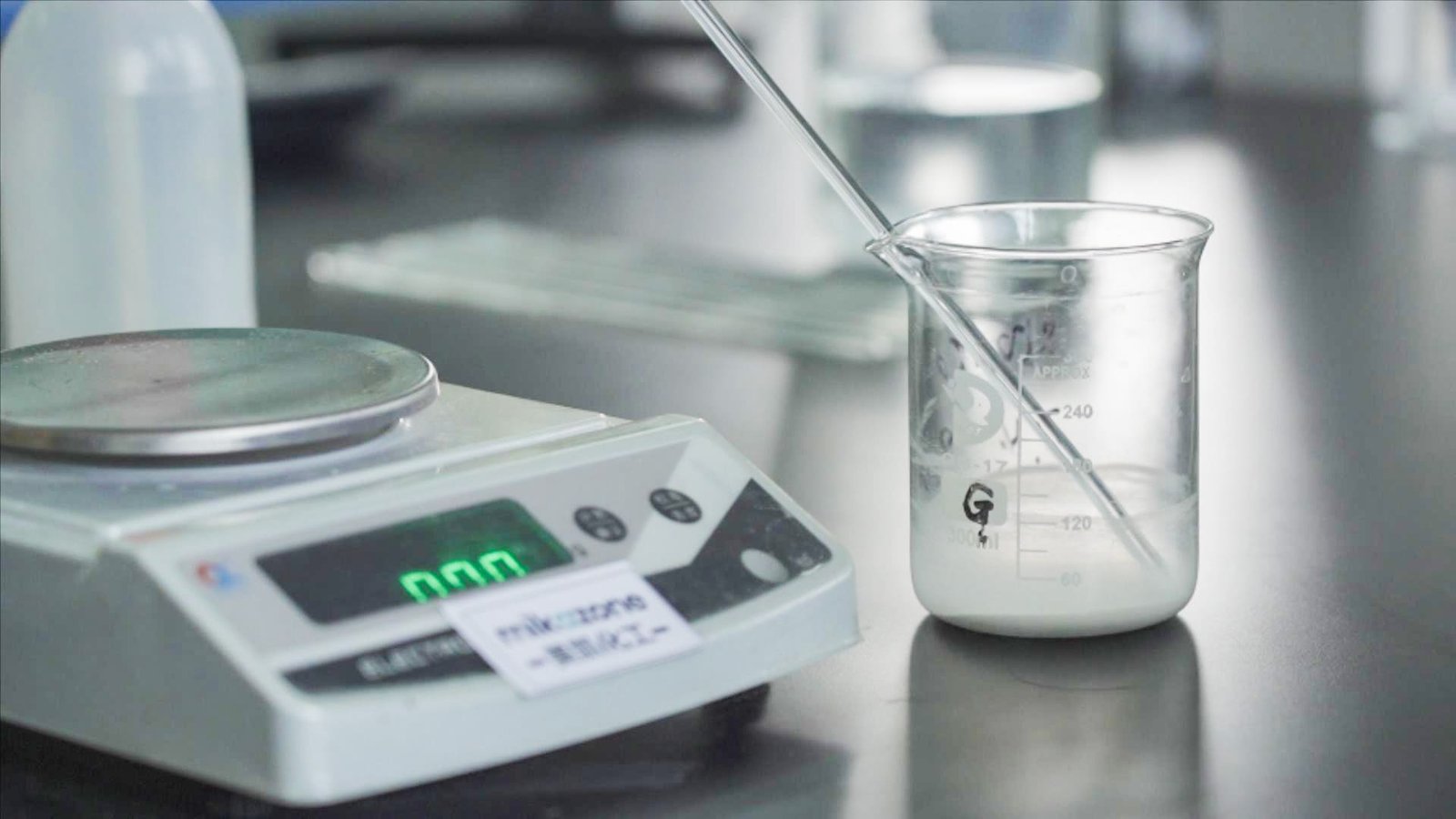
Selection should follow formulation logic
Texture, application method, finish target, foam control, and storage stability all affect the right additive package.
Why Choose Mandalas for Texture Coating Formulation Support
We help build a full additive package around the actual texture, rheology, and finish target of your coating system, rather than recommending only one thickener grade.
What We Help With
- Standard water-based texture coatings
- Decorative coatings with smoother spreading
- Premium coatings with stronger film integrity
- Foam-sensitive texture systems
- Rheology optimization and viscosity matching
- Trial support and formula adjustment
What We Supply for Texture Coating Applications
- HEC
- HPMC
- HEMC
- PVA
- Defoamer
- Optional RDP
Texture Coatings FAQ
Q1: What is the most important additive in water-based texture coatings?
Based on MikaZone’s public coatings materials, HEC is the most direct core additive because it is specifically designed as a thickener for water-based coatings and paints.
Q2: Which HEC grades does MikaZone publicly position for coatings?
MikaZone publicly positions MK30HE, MK60HE, and MK100HE for water-based coatings and paints.
Q3: Why is water retention important in texture coatings?
MikaZone’s HEC supplier page states that HEC provides high water retention and helps ensure a uniform, crack-free film on dry or super-absorbent substrates.
Q4: Can texture coatings also need defoamer?
Yes. When foam causes pinholes, inconsistent pattern, or poor finish, defoamer can be relevant as a process-improvement additive. This follows MikaZone’s broader foam-control logic.
Q5: Can you recommend dosage ranges?
Yes. We can suggest a practical starting range based on your coating type, viscosity target, and finish requirement.
Need the right additive package for your texture coating?
Tell us whether you are developing a standard, premium, or foam-sensitive texture coating. We’ll recommend the right product combination and starting selection logic to help you begin trials faster and reach stable results sooner.